
How to choose the best robot vacuum for a small apartment
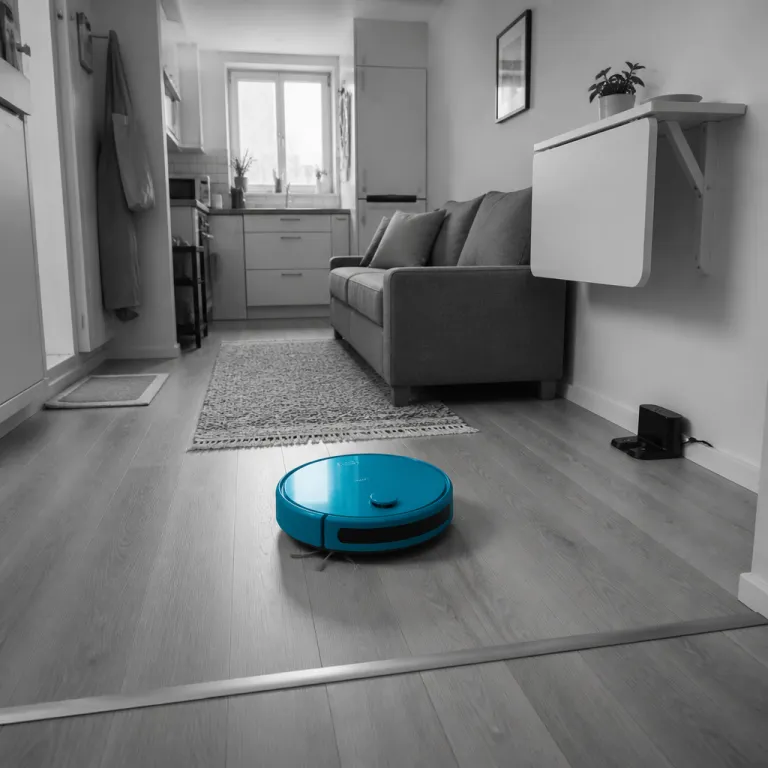
The best robot vacuum for a small apartment is rarely the same machine that suits a sprawling suburban house. In under 70 square metres, you care as much about dock size, noise and obstacle avoidance as you do about raw suction power and advanced mapping features. A compact robotic vacuum that actually fits under your sofa and around chair legs will clean more in practice than a bulky flagship that looks impressive in product photos but never reaches the dust bunnies.
Start with dimensions before you think about suction or price. Measure your lowest furniture clearance in centimetres, then compare it with each robot vacuum height in inches or centimetres, because many spec sheets still list height in inches only and downplay metric units. For most IKEA style sofas and bed frames, you want a vacuum or vacuum mop under about 8 to 9 centimetres, since anything taller will bump the frame and leave a dirty strip of pet hair and debris untouched.
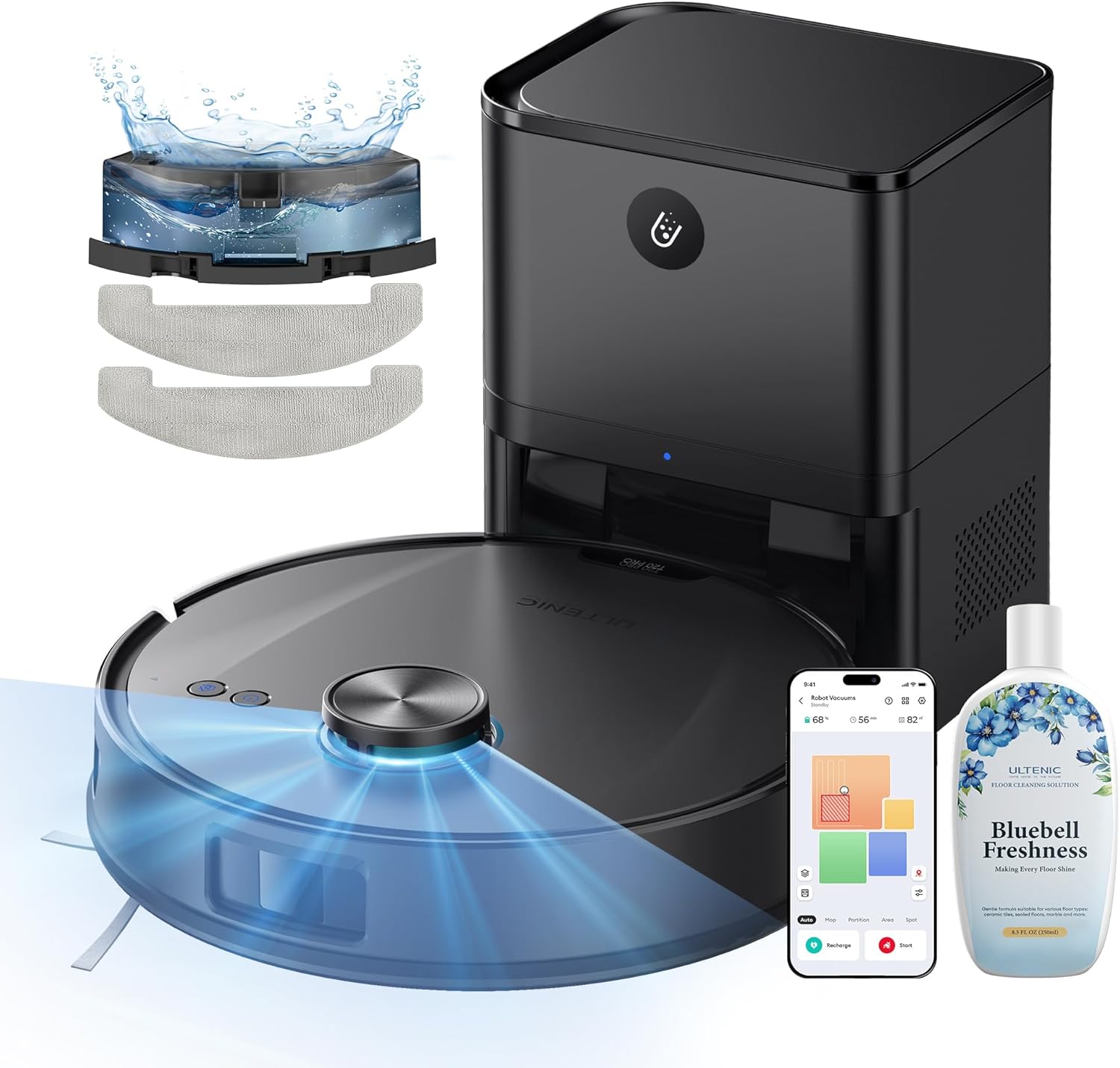
Dock footprint matters just as much in a studio or one bedroom. A big auto empty dock or empty dock with a water tank for mopping can easily eat half the space beside your shoe rack or coat stand. Look for a dock that is narrow enough to tuck beside a trash can or inside a hall closet, especially if you are considering a robot vacuum with a combined vacuum mop system and extra mop pads that also need storage.
Navigation style is the next big filter for the best robot vacuums in tight spaces. Basic bump and go robots can work in a very small apartment, but they often waste time and battery repeating the same area and missing corners behind table legs. Laser or camera based obstacle avoidance helps a robotic vacuum thread between stools, drying racks and floor fans without dragging cables or getting a side brush tangled in a forgotten sock.
Finally, be honest about your cleaning habits and floor types. If you mostly have hard floors with occasional rugs, a simple robot with moderate suction and a clip on mop can be enough, especially in the $200 to $400 price band. If you live with one or more pet companions that shed constantly, you should prioritise higher suction power, a tangle resistant main brush and a side brush that can pull pet hair away from baseboards without flinging it across the room.
- + Silencieux
- + Connecté avec WiFi/Bluetooth/Alexa/App
- + 6 Modes de Nettoyage
- + Auto-Charge
- + 8000 Pa de puissance d'aspiration

The $300 to $500 sweet spot for compact apartments
For most small apartment dwellers, the best value sits squarely between about $300 and $500. Market data from sources such as Statista and GfK indicates that the $200 to $499 price bracket now holds roughly half of global robot vacuum sales, which reflects how many buyers want solid cleaning without paying for oversized docks or experimental features. In this range you can find a best robot that balances suction, smart mapping and a modest dock footprint while still fitting under low furniture.
Models like the Eufy Omni C28 and the latest Eufy RoboVac lines illustrate this balance well. The Eufy RoboVac series has long focused on low height and quiet operation, which suits thin walled apartments where neighbours hear every late night cleaning run. The Omni C28 in particular has become a budget benchmark around $499 in many independent reviews, offering strong suction power, a capable vacuum mop module and a dock that is tall but not excessively wide, so it can sit at the end of a hallway without blocking shoes.
In this price band you should prioritise navigation, suction and reliability over luxury extras. A robot vacuum with stable app control, room mapping and basic obstacle avoidance will save you more time than a flashy auto empty dock that barely fits beside your fridge. If you can stretch to the upper end of the range, some Dreame and Roborock models add efficient mopping and better brushes without demanding the floor space of a full laundry basket for their docks.
What can you safely skip in a small apartment? Multi floor mapping is rarely essential when you only have one level, and advanced vacuum mop choreography that scrubs grout lines is overkill for a compact galley kitchen. You are usually better served by a dependable robotic vacuum that cleans consistently, empties its bin without drama and does not require a giant dock or constant babysitting to avoid socks, cables and pet toys.
If you are curious how these robots fit into a broader smart home, it is worth reading a dedicated guide on how smart home automation elevates robot vacuums and everyday living. That kind of resource explains how a best robot can integrate with voice assistants, schedules and other devices, which matters when your small apartment doubles as office, lounge and bedroom. Automation can help your robot vacuums run when you are out, so you return to a clean floor instead of listening to a vacuum grind over chair legs during your video calls.
Low profile designs that actually fit under sofas and beds
In compact homes, the underside of your sofa is prime real estate for dust, crumbs and pet hair. A robot vacuum that cannot slip under that frame will leave a visible dirty band that you notice every time sunlight hits the floor. That is why low profile designs with a height under about 8 or 9 centimetres matter more than exotic mopping patterns or a towering auto empty dock.
Some brands have started to respond directly to this small apartment problem. Recent Roomba models marketed as compact Plus variants are reported by iRobot to have a reduced overall volume compared with earlier generations, with a quoted clearance around 9 centimetres that helps them navigate under more furniture. That reduced height figure means these robot vacuums can reach under many IKEA sofas and bed frames that previously blocked taller robots, though you still need to measure your own furniture before trusting any spec sheet.
Low profile does not automatically mean weak suction or poor cleaning. Several Eufy RoboVac models, for example, combine a slim body with respectable suction power and a main brush that handles fine debris and larger crumbs on hard floors. In independent lab style testing and user reviews, these vacuums pick up everyday kitchen debris and short pet hair from low pile rugs, though they struggle more with long hair that wraps around the brush and side brush after a full week.
Noise is another key factor when your living room shares a wall with a neighbour. Slim robots often have smaller motors, which can run quieter than bulkier flagships that chase maximum suction numbers. If you are sensitive to sound or live with nervous pets, look for models that offer a night mode or quiet mode and consult resources that focus on night mode cleaning and which robots run quiet enough for nervous pets and light sleepers, because those tests reflect real apartment conditions better than lab decibel charts.
Dock design still matters even with a low robot profile. Some compact robots pair with surprisingly bulky docks, especially when they add auto empty bins or integrated water tanks for mopping. In a small apartment, you may prefer a simple plug in charging dock that hugs the wall, even if it means emptying the dustbin by hand every couple of days to keep suction consistent and prevent debris from clogging the filter.
Best compact robot vacuums and vacuum mops for small apartments
When you narrow the field to small apartments, a few robot vacuum and vacuum mop models stand out as practical choices. Roborock, Dreame and Eufy each offer compact robots that balance suction, navigation and dock size without overwhelming a studio layout. The key is matching their strengths to your floors, your tolerance for noise and how much you care about mopping versus pure vacuum performance.
Roborock has built a reputation for strong suction power and smart mapping, and that carries into its more compact lines. The Roborock Qrevo series, for example, combines a capable vacuum with rotating mop pads and a dock that can wash those pads automatically, though the dock itself is relatively tall and better suited to a corner than a narrow hallway. The newer Roborock Saros concept pushes obstacle avoidance and cleaning intelligence further, but you still need to check its height and dock footprint against your own measurements before assuming it is the best robot for a tight living room.
Dreame takes a similar approach with its Dreame Ultra series, which integrates a vacuum mop system, strong suction and automatic mop pad washing in one dock. These Dreame Ultra robots can be overkill for a very small apartment, yet they make sense if you have mostly hard floors and want mopping handled with minimal effort. The trade off is a larger dock that may not fit beside a shoe rack, so you might end up dedicating a visible corner of your living room to the cleaning station.
On the more budget friendly side, Eufy RoboVac models and the Eufy Omni C28 remain appealing for first time buyers. They usually skip auto empty features and advanced mopping, which keeps both the dock and the price smaller, while still delivering reliable cleaning on hard floors and low pile rugs. For many renters, that combination of modest suction, simple docks and quiet operation is exactly what makes them the best robot vacuums for a small apartment where every square metre counts.
If you are interested in how sensor technology might evolve these compact robots, it is worth reading about drone style navigation being adapted to floor cleaning, such as in a feature on bringing drone sensors to your floor with the Romo 2. Those kinds of developments hint at future robotic vacuum models that can navigate cluttered studio layouts with even better obstacle avoidance and path planning. For now, though, the most important step is choosing a current robot vacuum or vacuum mop whose size, dock and cleaning style match your actual apartment rather than a marketing image of a vast open plan home.
Dock footprint, auto empty systems and storage in tight spaces
Once you have chosen a robot, the next question is where its dock will live. In a small apartment, that charging base or auto empty dock competes with shoe racks, recycling bins and the only free wall near a power outlet. A dock that looks modest in a product photo can feel enormous when it sits beside your only bookshelf and blocks the path to the balcony.
Auto empty systems are convenient, especially if you have allergies or lots of pet hair, but they add bulk. A robot vacuum with an auto empty dock typically needs more depth and height than a simple charging stand, which can make it hard to hide in a hallway or closet. Before you pay extra for auto empty, check whether you have a corner that can spare that footprint without turning your living room into a mini appliance showroom.
Water handling for mopping adds another layer of complexity. Vacuum mop combos with self washing mop pads, such as some Dreame Ultra or Roborock Qrevo models, require tanks for clean and dirty water inside the dock, which increases both height and width. In a small apartment, that may mean the dock has to sit in the kitchen or bathroom area, where splashes and humidity are higher, so you should consider how easy it is to pull the dock forward for tank refills and cleaning.
Storage for accessories is easy to overlook but matters over time. Side brush replacements, spare mop pads and extra filters all need a home, and many docks do not include built in drawers or compartments. If you are already short on cupboard space, you may prefer a simpler robotic vacuum with fewer consumables, even if it means giving up some advanced mopping features or auto empty convenience.
Think about cable management as well, because a messy power cord can undermine obstacle avoidance and create new cleaning headaches. The best robot vacuums for small apartments route their dock cables neatly against the wall, leaving a clear path for the robot to exit and re dock without snagging its brush or wheels. A little planning here pays off every week, as your robot vacuum can leave the dock, clean the floor and return to charge without you nudging it around shoes, laundry baskets or a tangle of extension cords.
Pet hair, debris and real world cleaning in small apartments
Spec sheets talk about suction power in Pascals and fancy brush designs, but small apartment life tests a robot differently. When your sofa, dining table and bed all share one open space, crumbs, pet hair and street dust accumulate fast in the same few high traffic zones. The best robot vacuums for these homes are the ones that quietly handle that daily debris without getting clogged or stuck on the same chair leg every Tuesday morning.
Pet owners should pay special attention to brush design and bin capacity. A rubberised main brush resists tangles from long hair better than traditional bristle designs, and a well placed side brush can flick debris away from baseboards without scattering it across the room. If you share your small apartment with a shedding dog or cat, look for a robot vacuum that explicitly mentions pet hair handling and check user feedback about how often owners need to cut hair from the brush and side brush after a full week of cleaning.
Mopping performance is more nuanced in tight spaces. Vacuum mop combos with rotating mop pads can remove light kitchen spills and footprints, but they still struggle with dried stains or grout lines in older bathrooms. In practice, most small apartment dwellers use mopping as a maintenance feature between manual deep cleans, letting the robot handle everyday dust while they tackle stubborn marks with a traditional mop every couple of weeks.
Obstacle avoidance plays a big role in whether your robot actually finishes its cleaning runs. In cluttered studios, chair legs, drying racks and stray cables can trap a robotic vacuum that relies only on bump sensors, forcing you to rescue it from under the same stool repeatedly. Smarter systems, like those in some Roborock, Dreame and Narwal Flow style designs, use cameras or structured light to recognise obstacles and steer around them, which reduces the number of times you come home to a half cleaned floor and a stranded robot.
Noise and schedule flexibility round out the real world picture. In thin walled buildings, a loud robovac max style machine running at full suction power can annoy neighbours if it cleans late at night, so a quiet mode or scheduled daytime runs are essential. The goal is a clean floor that fits your life, not a robot vacuum that dictates when you can watch television or hold a phone call without a background hum of motors and brushes.
Emerging tech and what actually matters for small apartments
Robot vacuum marketing loves big promises about artificial intelligence, lidar maps and self washing mop pads. Some of these features genuinely help in a small apartment, while others mainly inflate the price without solving your daily cleaning problems. The challenge is separating meaningful advances from nice to have extras when your budget and floor space are both limited.
Advanced obstacle avoidance is one area where new tech earns its keep. Systems inspired by drones and autonomous vehicles allow a robotic vacuum to recognise cables, socks and even pet waste, which is especially valuable in cramped layouts where clutter is hard to avoid. When a robot can steer around a phone charger instead of eating it with its brush, you spend less time pre cleaning and more time letting the machine handle the boring work.
Mapping and room recognition also matter, but only up to a point. In a small apartment, you rarely need complex multi floor maps or per room cleaning schedules, yet a clear map still helps the robot cover the space efficiently without missing corners. Look for models that let you set no go zones around fragile items or tight clusters of cables, because that kind of control prevents the robot from wedging itself behind your television stand or under a low shelf.
Self maintenance features like auto empty bins and mop pad washing are more of a trade off. They reduce how often you need to interact with the robot, which is convenient if you travel often or have allergies, but they also require larger docks and higher upfront prices. In a small apartment, you should weigh that convenience against the reality of where the dock will sit and whether you are comfortable emptying a smaller bin by hand every couple of days instead.
Ultimately, the best robot vacuums for small apartments are the ones that fit your space, your budget and your tolerance for maintenance. Focus on dimensions, dock footprint, suction and navigation before you get distracted by buzzwords or limited edition colours. When a compact robot quietly keeps your floors free of dust, pet hair and everyday debris without demanding attention, it earns its floor space far more than any oversized flagship that never quite finds its way under the sofa.
Key figures for compact robot vacuums in small apartments
- Market analysts report that robot vacuums priced between about $200 and $499 account for just over half of global sales, which aligns with the budget range most small apartment owners target for a first robot. Recent summaries from Statista and GfK on small domestic appliances support this mid range dominance.
- New compact Roomba Plus style models are reported by iRobot to be significantly smaller in overall volume than some previous generations, with a clearance around 9 centimetres that helps them reach under more sofas and beds.
- Independent testing from reviewers like Wirecutter, RTINGS and TechRadar has highlighted the Eufy Omni C28 at around $499 as a strong all round performer, reinforcing the idea that the $300 to $500 band is a sweet spot for balancing suction, navigation and dock size.
- Many low profile robot vacuums measure between about 7.5 and 9 centimetres in height, which is critical because common IKEA sofa frames often sit roughly 8 to 10 centimetres above the floor, leaving only a narrow window for robots to pass underneath.
- Noise measurements from various lab tests show that quieter compact robots can run in the mid 50 decibel range on low power, which is closer to a normal conversation and significantly more neighbour friendly than louder models that exceed 65 decibels on carpets.
FAQ about the best robot vacuums for small apartments
What is the ideal size for a robot vacuum in a small apartment
For most small apartments, you want a robot vacuum with a height under about 8 to 9 centimetres and a dock that is narrow enough to sit against a wall without blocking walkways. That height lets the robot reach under many sofas and beds, which are common dust traps in compact homes. Always measure your lowest furniture clearance and compare it with the robot vacuum height in inches or centimetres before buying.
Do I really need an auto empty dock in a studio or one bedroom
An auto empty dock is convenient but not essential in a small apartment. Because the floor area is limited, most robots can complete a full cleaning run without filling their onboard bin, so manual emptying every couple of days is manageable. If you have allergies or lots of pet hair, an auto empty system may still be worth the extra cost and space, but many budget conscious renters prefer a simpler dock to save both money and floor space.
Are vacuum mop combos a good idea for mostly hard floors
Vacuum mop combos work well for maintaining hard floors in kitchens, hallways and living areas, especially when they use separate mop pads and water tanks. They handle light dust and footprints effectively, though they still struggle with dried spills or heavy stains that need manual scrubbing. In a small apartment, a compact vacuum mop can reduce how often you pull out a traditional mop, but it will not replace deep cleaning entirely.
How loud are robot vacuums and will they bother neighbours
Noise levels vary widely between models, but many compact robot vacuums run between about 55 and 65 decibels depending on suction mode and floor type. In thin walled buildings, that can be noticeable, so it is wise to schedule cleaning for daytime hours or use a quiet mode on hard floors. If you or your neighbours are light sleepers, look for models that emphasise low noise in independent tests and offer flexible scheduling.
Which features should I prioritise if I am on a tight budget
On a limited budget, focus on reliable suction, decent navigation and a compact dock rather than premium extras. A basic robot vacuum with a good main brush, a side brush for edges and consistent coverage will improve daily cleanliness more than an expensive model whose dock does not fit your space. App control, simple mapping and scheduled cleaning are helpful, but you can safely skip multi floor maps, advanced obstacle recognition and self washing mop pads in a small apartment if money is tight.