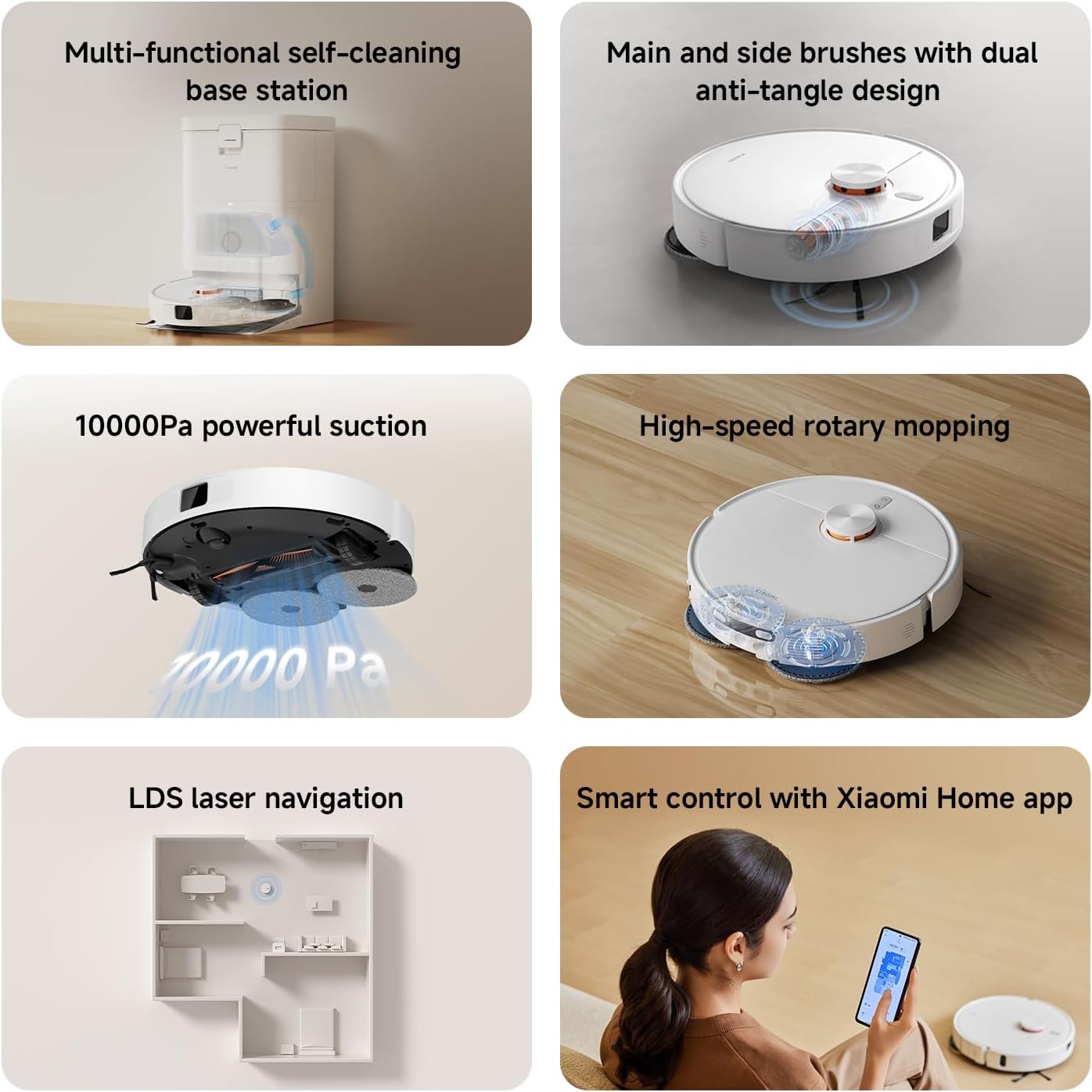
Key features that define the best robot vacuum with multifunction dock
To judge the best robot vacuum with multifunction dock, start with navigation and obstacle avoidance. Advanced LiDAR or camera based navigation builds a precise map, while obstacle detection sensors help the robot avoid cables, socks, and pet toys that could jam a brush or mop roller. A higher navigation score in independent tests usually translates into fewer rescues and more complete coverage in complex rooms.
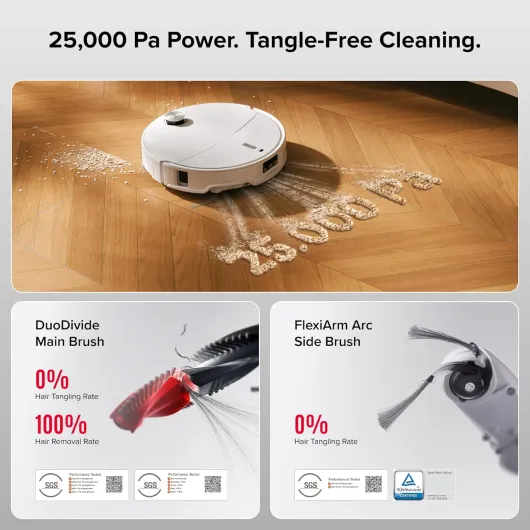
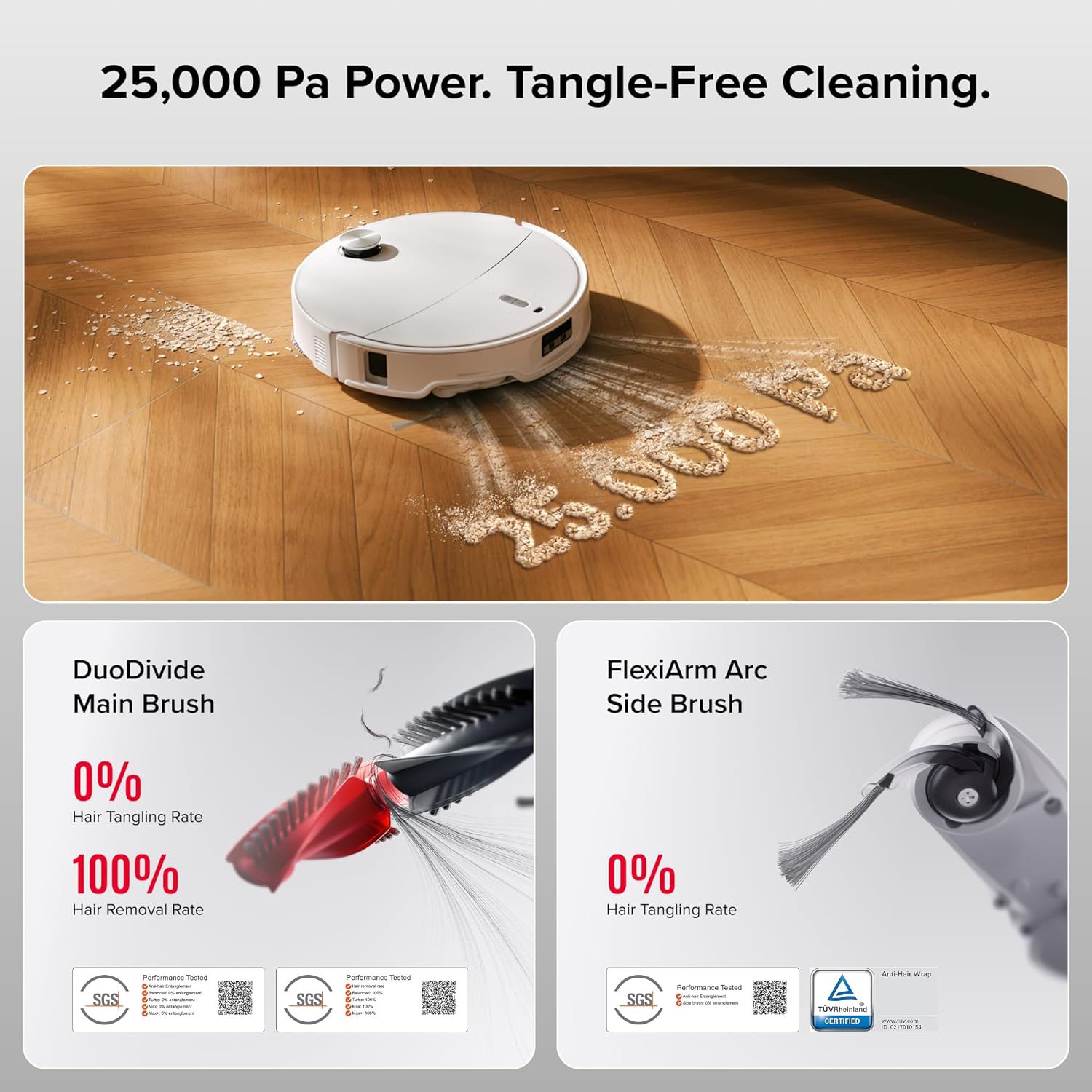
Cleaning hardware still matters as much as smart mapping. Look for a floating main brush that keeps close contact with hard floors and carpets, a side brush that pulls debris from edges, and a rubber roller that resists hair wrapping and improves anti tangle performance. If you live with pets or long hair, it is worth reading in depth analyses on how rubber brushes changed the pet hair game and where they still tangle, because that reveals how different robot vacuums handle real world mess.
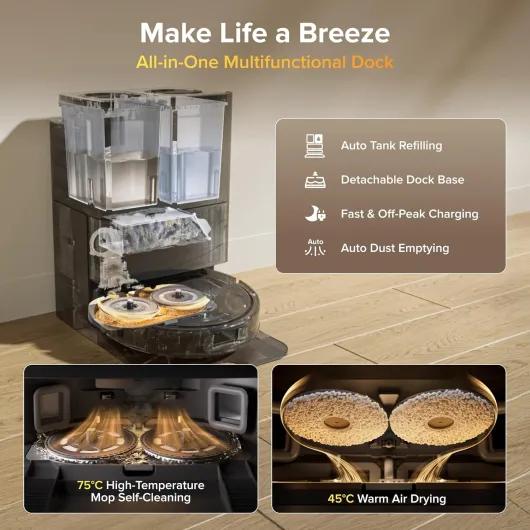
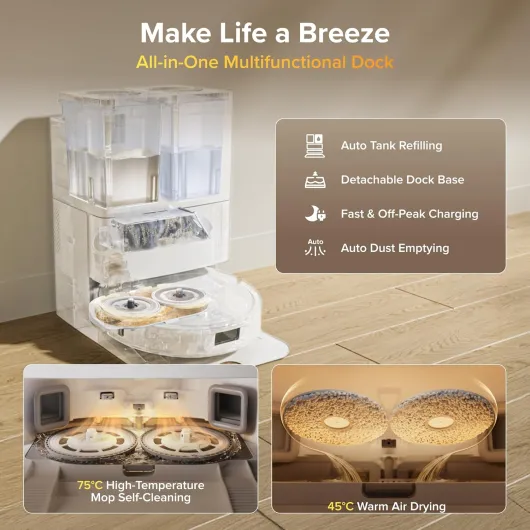
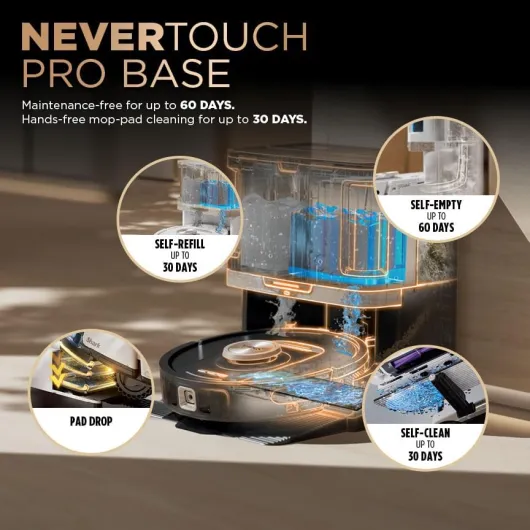
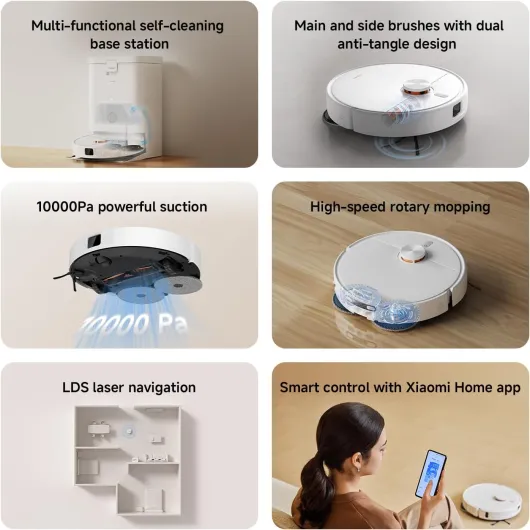
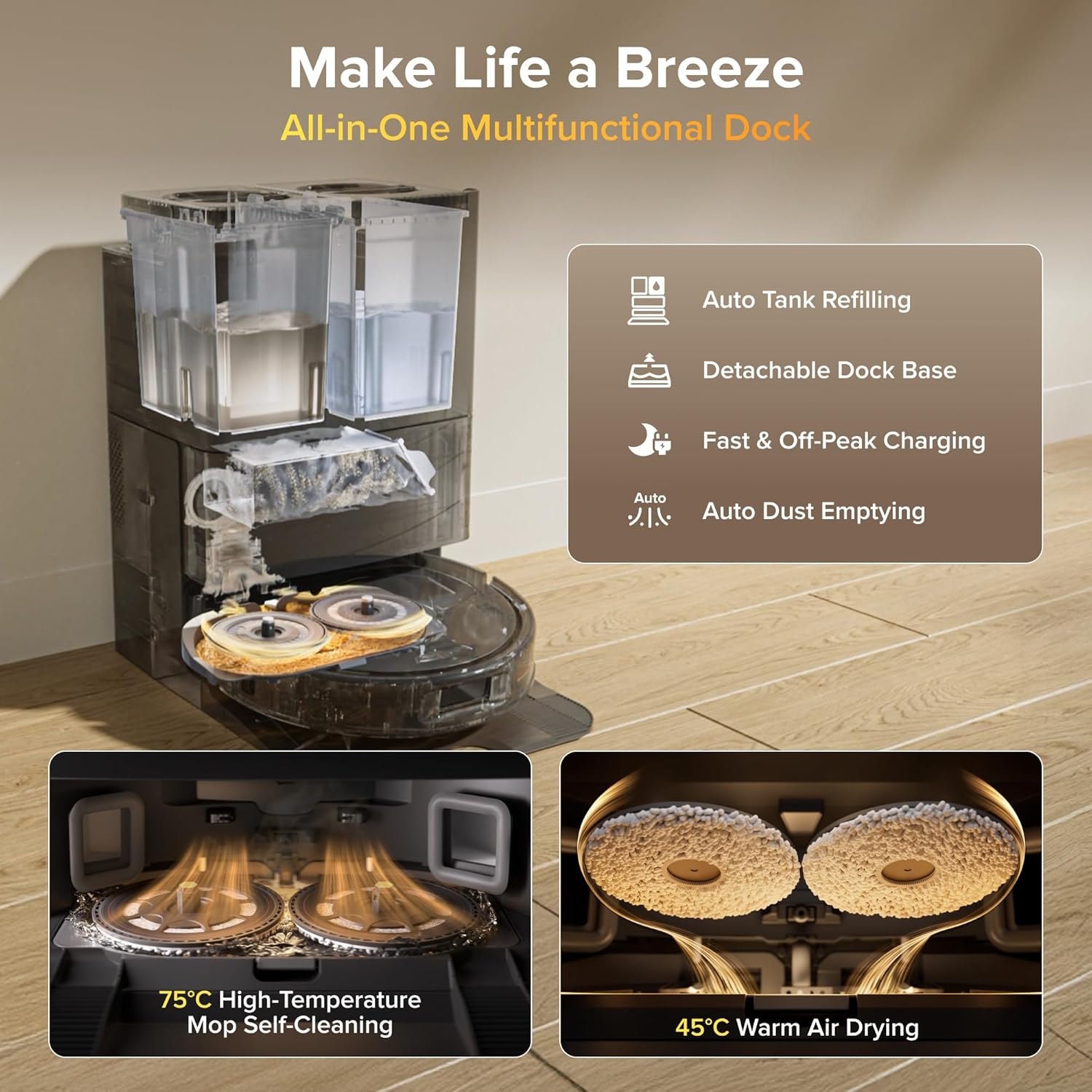
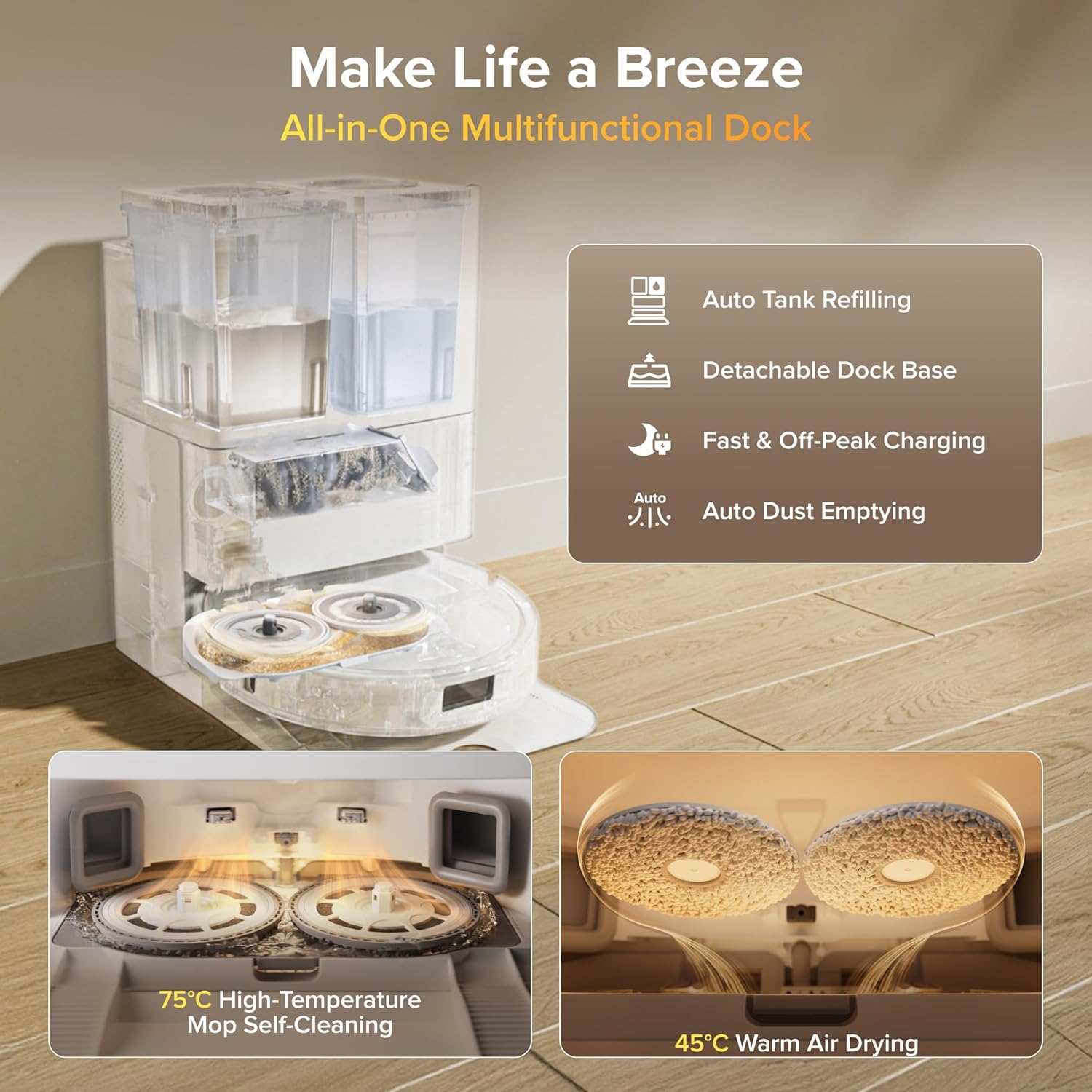
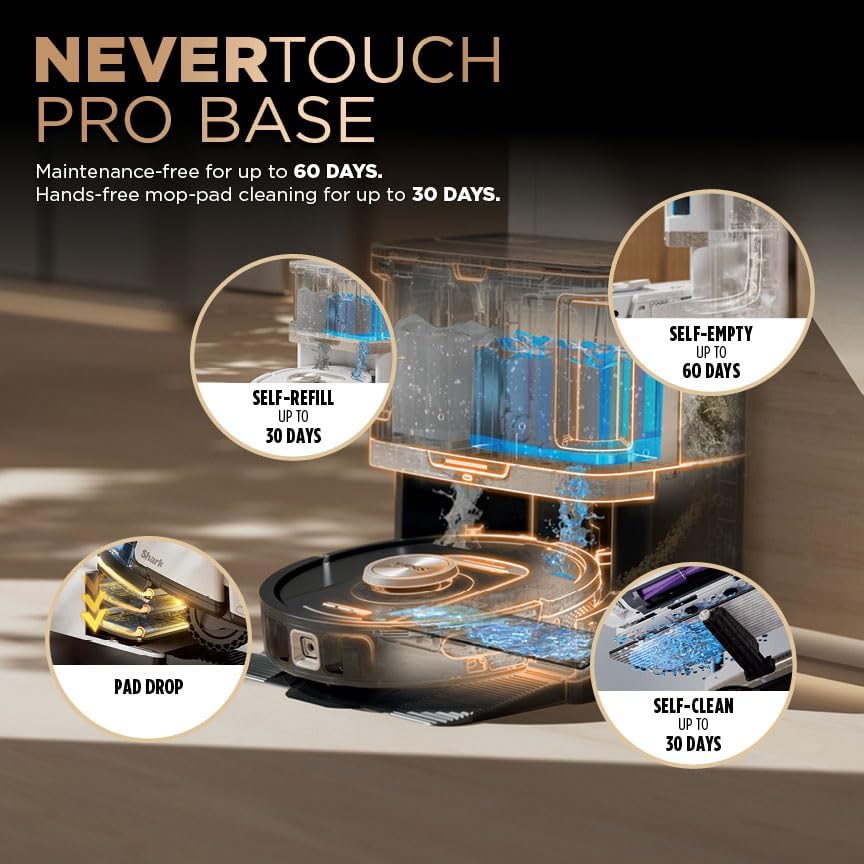
The dock itself should be treated as a second appliance, not just a parking spot. A strong auto empty system uses high suction to pull dust from the robot vacuum into a sealed bag, while a separate water circuit handles mop washing and washing mop pads with hot water. When you compare models, check whether the dock can clean the mop pad or pads after every run, whether it supports detergent, and how often you must empty the dirty water tank in normal use.
How suction power, carpet boost, and mopping systems work together
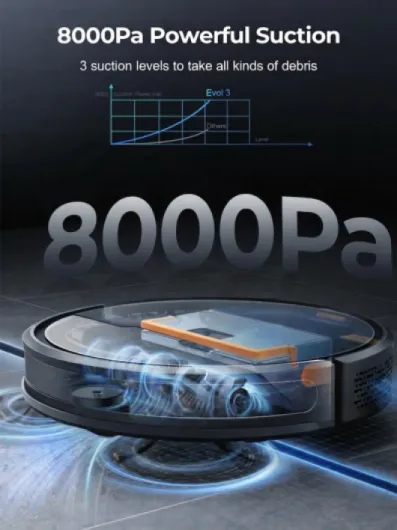
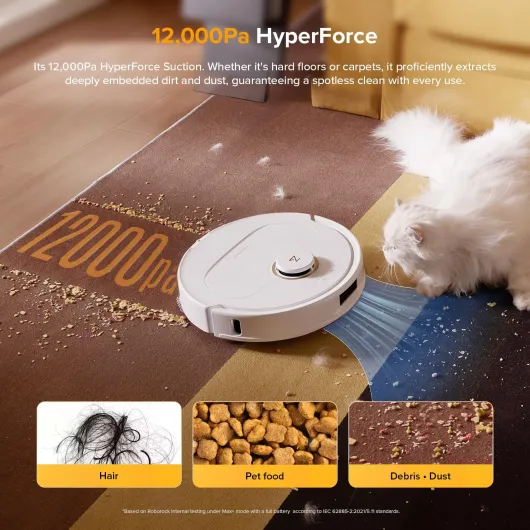
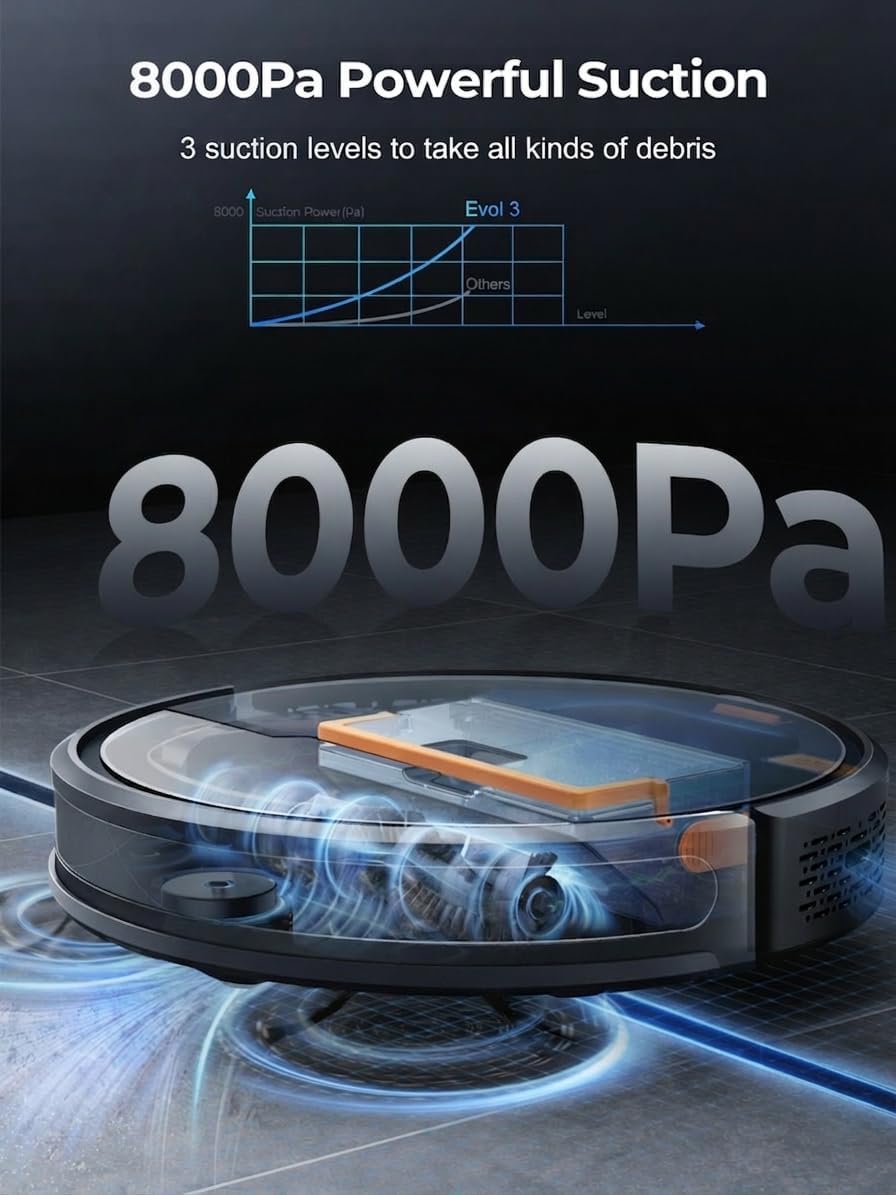
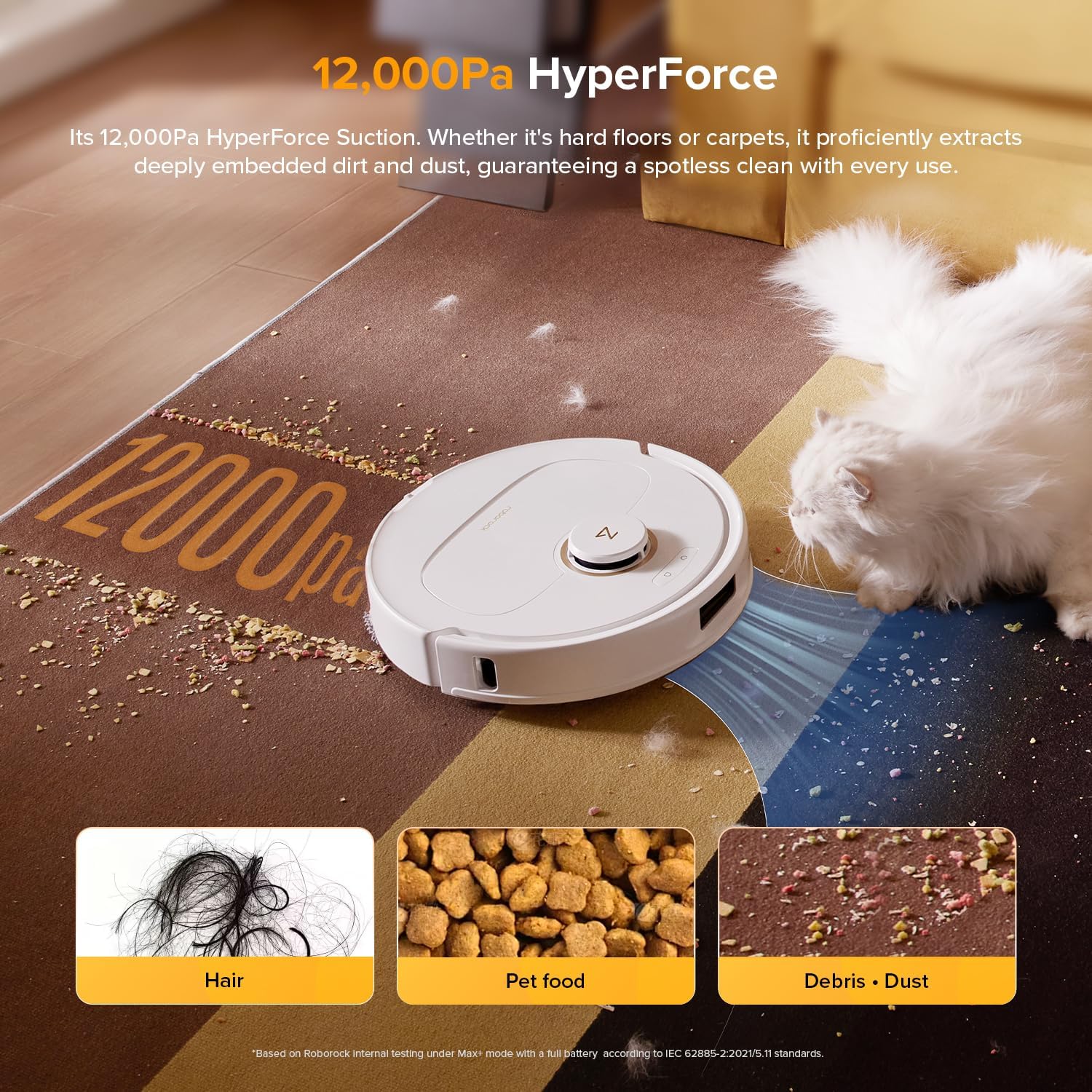
Marketing often focuses on headline suction numbers, but real cleaning performance depends on how suction power, brush design, and airflow interact. A robot with 5 000 pascals of suction and a poorly sealed brush housing can still underperform a quieter model that channels air more efficiently. Independent testing that explains what suction numbers predict on carpet helps you understand why some premium robot vacuums still miss embedded grit.
Carpet boost is a crucial feature when you mix hard floors and rugs. The best robot vacuum with multifunction dock automatically raises suction power and sometimes brush speed when its sensors detect carpet, then drops back to a lower level on tiles or wood to preserve battery life. This dynamic adjustment lets a vacuum mop clean delicate floors gently while still pulling dust from deeper carpet fibres without manual mode switching.
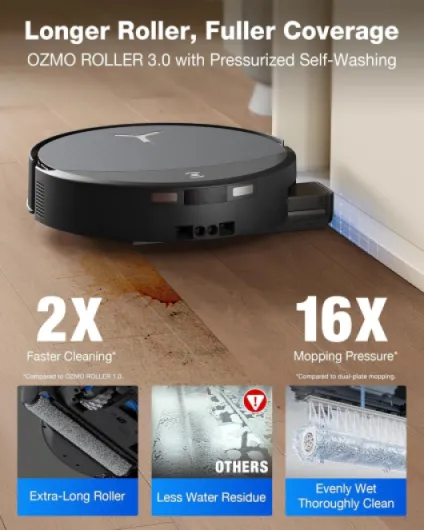
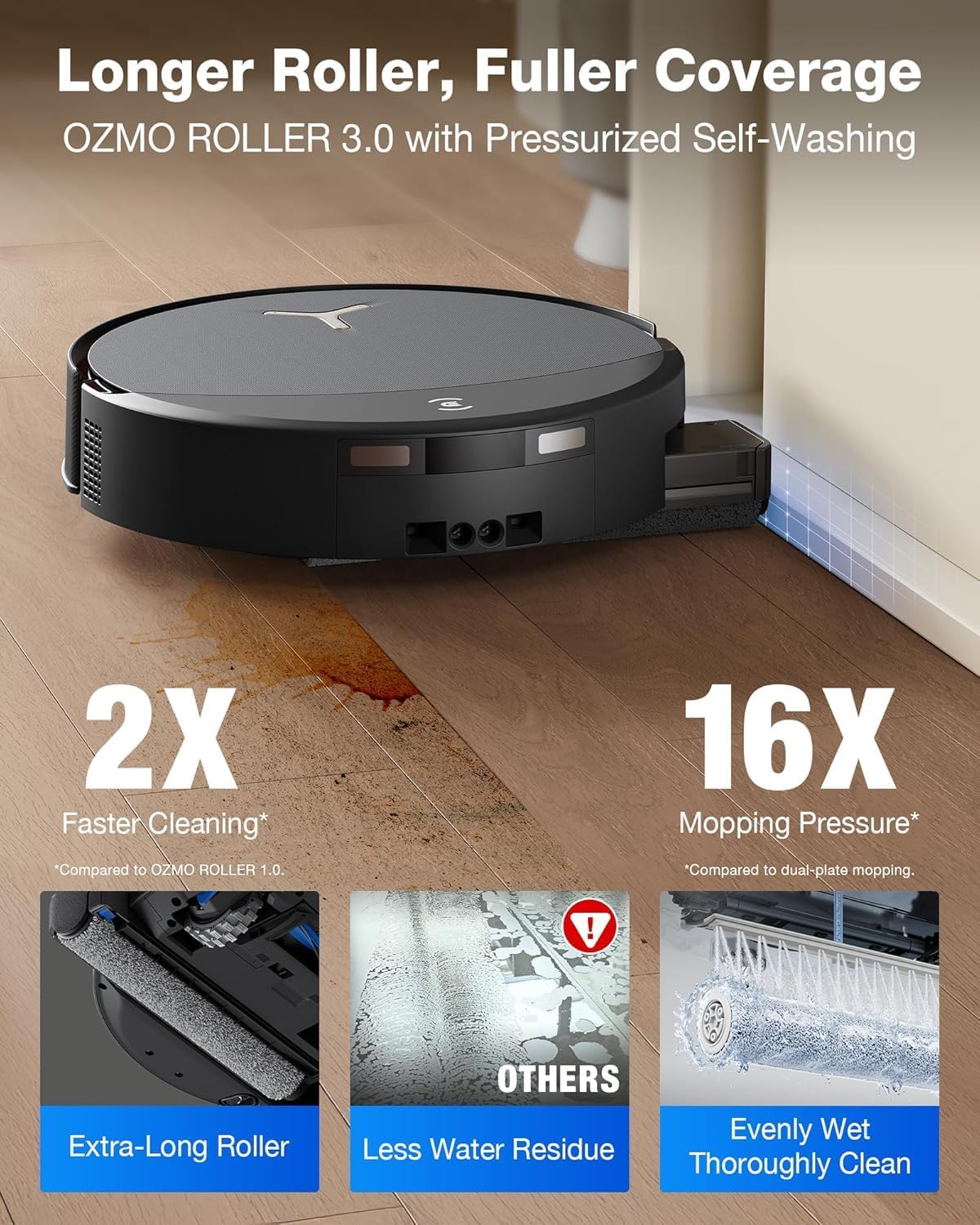
Mopping systems vary widely between brands and price tiers. Entry level robot vacuum models drag a static pad, while higher end vacuum mop designs use a rotating mop roller or dual roller mop layout that scrubs with more pressure. When paired with a dock that can perform mop washing with hot water and auto dry cycles, these active mopping systems keep mop pads cleaner, reduce streaks, and lower the risk of spreading dirty water across your floors.
Battery life, power management, and multi level mapping
Battery life determines how much area a robot can cover before returning to its dock. A typical mid range robot vacuum runs for around 120 minutes on standard power, while flagship models stretch further by optimising navigation paths and suction levels. For large homes, the best robot vacuum with multifunction dock supports auto recharge and resume, so the robot returns to its last cleaning point after topping up the battery.
Power management is not only about raw battery capacity. Smart robots adjust suction power and mopping intensity based on floor type, room size, and dirt detection, which preserves battery life without sacrificing cleaning quality. When you enable features like carpet boost or maximum suction for stubborn messes, the system should clearly show how much runtime you trade for deeper cleaning so you can plan multi room sessions.
Multi level mapping has become essential for houses with stairs or split layouts. Instead of remapping every time, the robot stores separate maps for each floor, including no mop zones for carpets and restricted areas around delicate furniture. A multifunction dock on each level is ideal, but even with a single dock, a robot vacuum that supports quick map switching and reliable obstacle avoidance can still handle complex homes efficiently.
Dock hygiene, hot water mop washing, and maintenance routines
Hygiene is a major concern when water, dust, and food residues mix in a compact dock. A well engineered multifunction dock separates clean and dirty water, uses hot water for washing mop pads, and often includes a heated air cycle to dry the pads after each cleaning. This combination reduces bacterial growth, limits odours, and keeps the mop pad or pads ready for the next run without manual scrubbing.
Regular maintenance remains necessary, even with the best robot vacuum with multifunction dock. You still need to empty the dirty water tank, replace dust bags, and check the main brush, side brush, and roller for trapped hair despite anti tangle designs. Setting a monthly reminder to inspect the vacuum mop, clean sensors, and wipe the dock base prevents navigation errors and maintains consistent cleaning performance.
Some docks now include self cleaning trays and removable mop roller assemblies. These make it easier to rinse away sludge that accumulates after repeated mop washing cycles, especially in homes with pets or heavy kitchen traffic. When comparing robot vacuums, look closely at how many parts are user removable without tools, because simple access encourages owners to maintain the system properly over the long term.
Buying guide for the best robot vacuum with multifunction dock
Choosing the best robot vacuum with multifunction dock starts with an honest look at your floors and habits. If most of your space is hard floors with scattered rugs, prioritise a strong mopping system, reliable obstacle avoidance, and a dock that can wash mop pads with hot water after every run. Households dominated by thick carpets should focus on suction power, carpet boost performance, and a brush and roller design that balances deep cleaning with anti tangle behaviour.
Budget allocation should reflect how much automation you truly want. A premium dock that combines auto empty, mop washing, pad drying, and large water tanks costs more upfront but dramatically reduces daily interaction with the robot vacuum. For smaller apartments, a simpler vacuum mop with a compact dock may be enough, provided the navigation system is accurate and the battery life comfortably covers your cleaning area in one pass.
Do not overlook software and voice control when comparing robot vacuums. A clear app with room naming, no go and no mop zones, and detailed cleaning reports makes it easier to fine tune schedules and monitor obstacle events. Integration with major voice control platforms lets you start a quick cleaning, send the robot back to its dock, or adjust suction levels hands free, which is especially useful when your hands are busy in the kitchen.
Key figures and statistics about robot vacuums with multifunction docks
- Market analysts from firms such as Statista report that robot vacuums account for more than 25 % of total household vacuum cleaner sales in major European markets, showing how quickly automated cleaning has moved into the mainstream.
- Independent lab tests from organisations like Consumer Reports indicate that top tier robot vacuums with carpet boost remove up to 80 % of embedded sand from medium pile carpets in a single pass, compared with around 60 % for many mid range models without dynamic suction control.
- Battery life measurements from multiple review laboratories show that premium robots with efficient navigation can clean between 120 and 180 square metres on one charge, while less efficient random navigation models often cover under 80 square metres in the same time.
- Field surveys by appliance retailers suggest that models with auto empty docks reduce manual dustbin emptying frequency from daily to roughly once every 30 to 60 days in average sized homes, depending on pets and foot traffic.
- Water usage tests on multifunction docks indicate that mop washing cycles typically consume between 0.2 and 0.5 litres of water per full cleaning session, which is significantly less than traditional manual mopping for the same floor area.