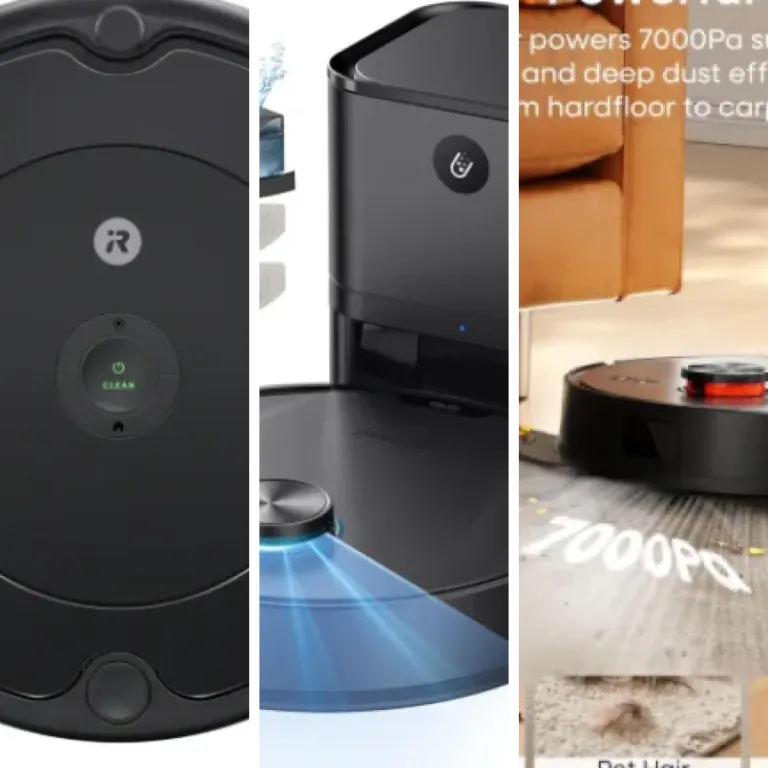
Key features that protect hardwood floors while boosting cleaning
Owners of hardwood floors need robot vacuums that respect both style and structure. The best robot vacuum for wood floors combines gentle mopping options, controlled suction, and a carefully tuned brush system that will not grind grit into the finish. When you compare top robot models, focus on how each robot handles transitions between hardwood floors and rugs, because that is where scratches and missed dust often occur.
Many premium robot vacuum and vacuum mop combinations now include a mop pad that lifts automatically. This auto lift design lets the robot perform mopping on tiles while keeping the mop pad off sensitive wood floors, which is safer than dragging a wet mop across every surface. If you want mopping on sealed hardwood floors, choose models that allow very low water flow and light mopping pressure, since aggressive mopping can damage certain finishes.
Auto empty bases and an emptying dock are more than just convenience features. When a robot vacuum empties into an auto empty station after each run, suction power stays closer to its rated max because the internal dust bin never overfills with fine dust from wood floors. An emptying dock also reduces your contact with allergens, which matters if pet hair and pollen accumulate on your floors and in the vacuum dust bag.
Some of the most advanced models, such as the dreame ultra series or the roborock qrevo line, combine strong suction with refined obstacle avoidance. These ultra robot designs use LiDAR or structured light sensors to map rooms and avoid obstacles like chair legs, cables, and toys, which helps them maintain straight cleaning lines on hardwood floors. If you want a deeper comparison of how mid range models now copy these flagship tricks, a detailed guide on top robot vacuum options for wood floors can clarify which features truly matter.
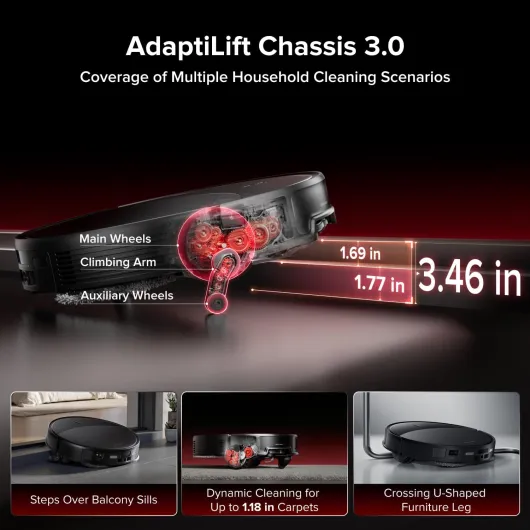
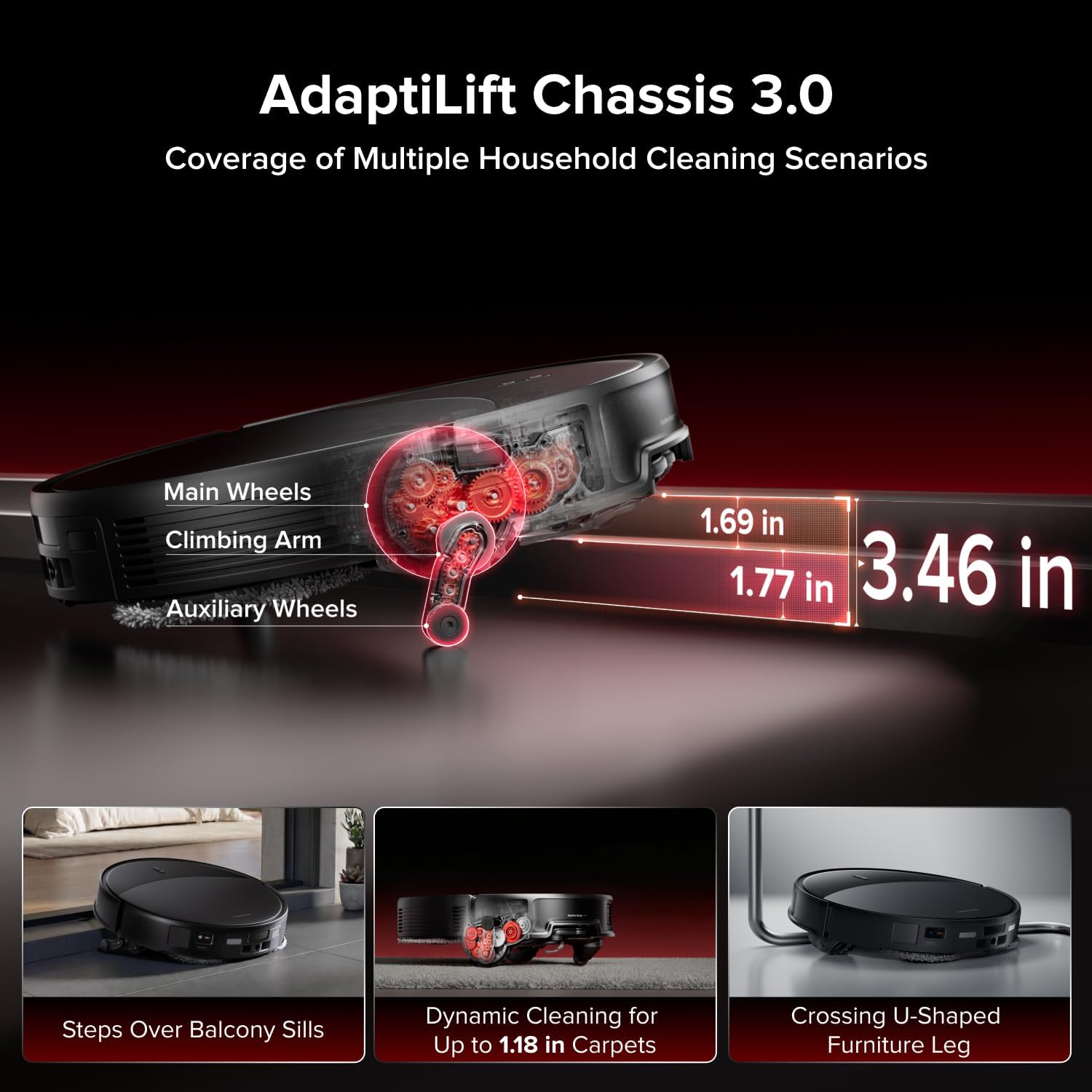
Look closely at wheel design and chassis height when you evaluate different robot vacuums best suited for wood. Larger rubberized wheels climb thresholds more gently and reduce the chance of chipping floor edges, while a low profile robot can reach under sofas where dust collects. Check whether the app lets you set no mop zones and reduced suction zones, because these smart controls give you pro level precision over how each room is treated.
Finally, consider the long term durability of brushes and filters in any robot vacuum you shortlist. High quality brush rolls with anti tangle combs last longer on rougher surfaces and handle pet hair without constant cutting or cleaning. Washable filters and easily removable brush modules reduce maintenance time, which encourages you to keep the robot in pro condition and maintain the best cleaning performance on your hardwood floors.
Navigation, obstacle avoidance, and room mapping on wood floors
Navigation quality separates a merely good robot from the best robot for wood floors. A robot vacuum that wanders randomly may still pick up some dust, but it will waste battery life and repeatedly bump furniture, which is not ideal for delicate skirting boards. In contrast, smart mapping models create a floor plan, label rooms, and follow efficient paths that cover every strip of hardwood without unnecessary overlap.
Modern obstacle avoidance systems use cameras, lasers, or 3D sensors to identify hazards. When a robot vacuum recognizes cables, socks, or pet toys as obstacles, it can steer around them instead of dragging them across your hardwood floors and potentially scratching the finish. This level of obstacle avoidance also reduces the risk of the brush roll ingesting cords, which can stall the motor and damage both the robot and your belongings.
Some ultra gen models, including certain roborock and dreame ultra robots, combine LiDAR mapping with front facing cameras. These ultra robot designs can identify low obstacles like weighing scales or shallow plant stands that basic bump sensors might miss, which keeps the cleaning pattern smooth and predictable. If you are curious about how navigation might evolve further, research into walking robot vacuums and projects like the Saros rover for stairs shows how future robots could climb steps instead of stopping at the first riser, as explored in this analysis of walking robot vacuums and stair capable designs.
App control plays a major role in how you use these navigation features day to day. A well designed app lets you set virtual walls, no go zones, and no mop zones directly on the map, which is essential when you want to protect sensitive hardwood floors near fireplaces or open stair edges. Look for apps that support multi floor mapping, because many homes mix hardwood floors downstairs with carpet cleaning needs upstairs.
Battery management and auto recharge routines also influence real world coverage. A robot vacuum with smart recharge and resume will return to its dock, top up the battery, then continue cleaning exactly where it left off, which is crucial in larger homes with long wood hallways. When you combine precise mapping, reliable obstacle avoidance, and thoughtful app features, you get vacuums best suited to handle complex layouts without missing dusty corners or scratching polished boards.
Suction power, brush design, and handling pet hair on wood
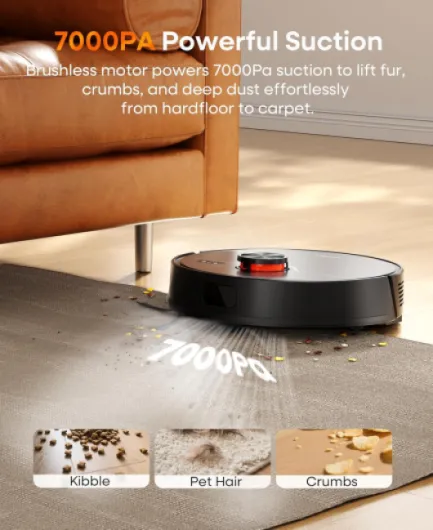
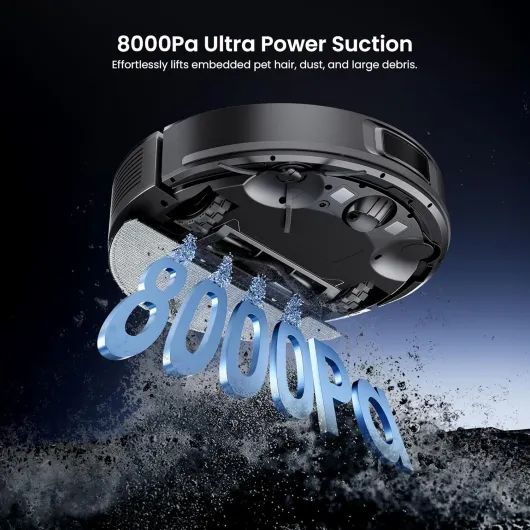
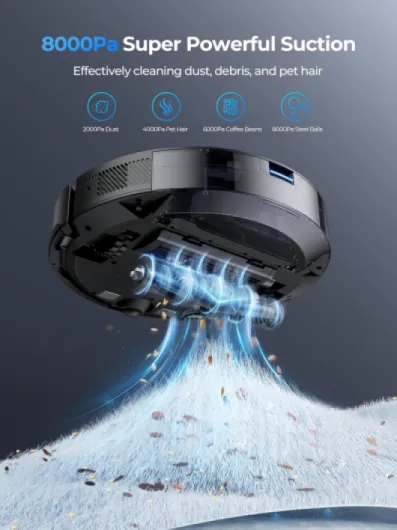
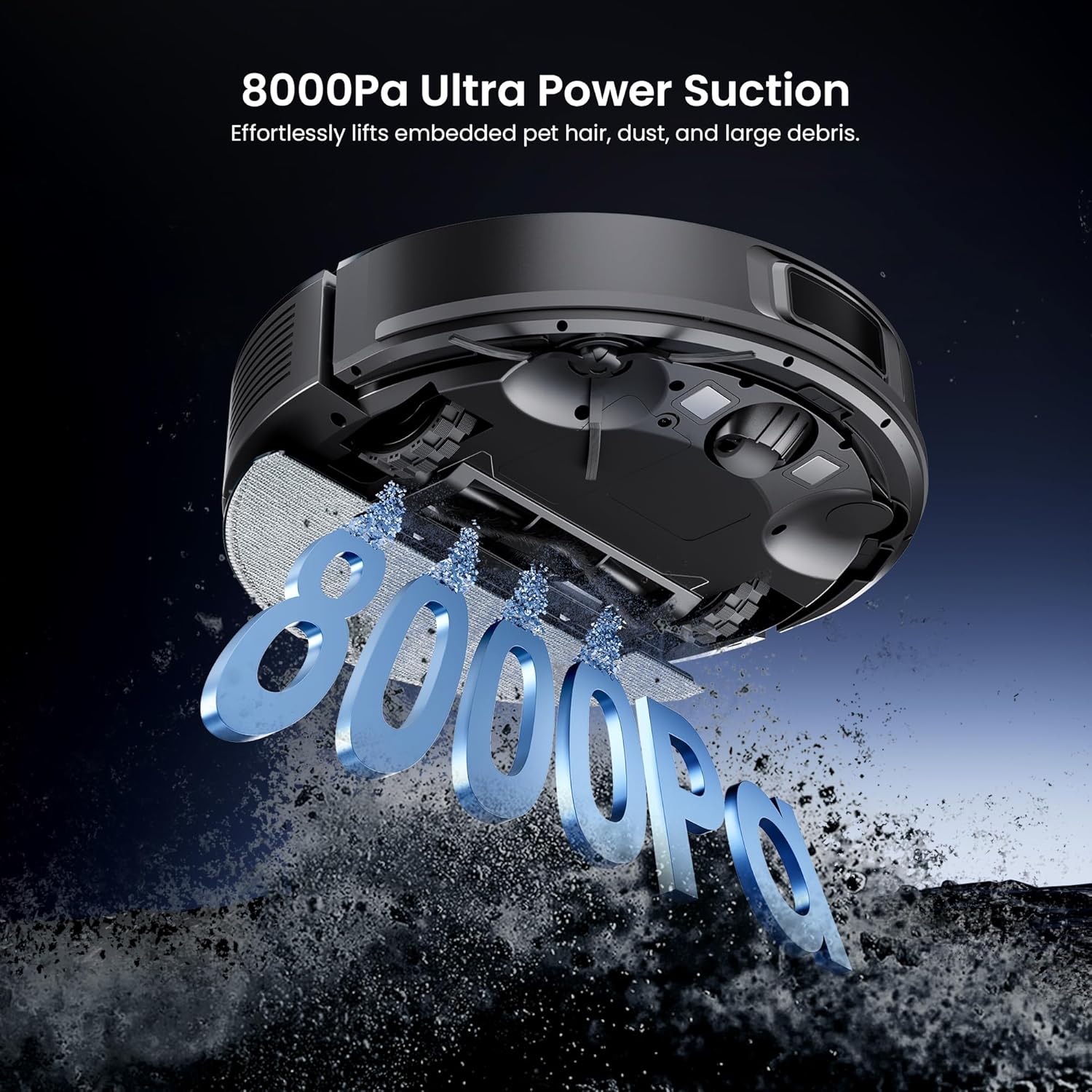
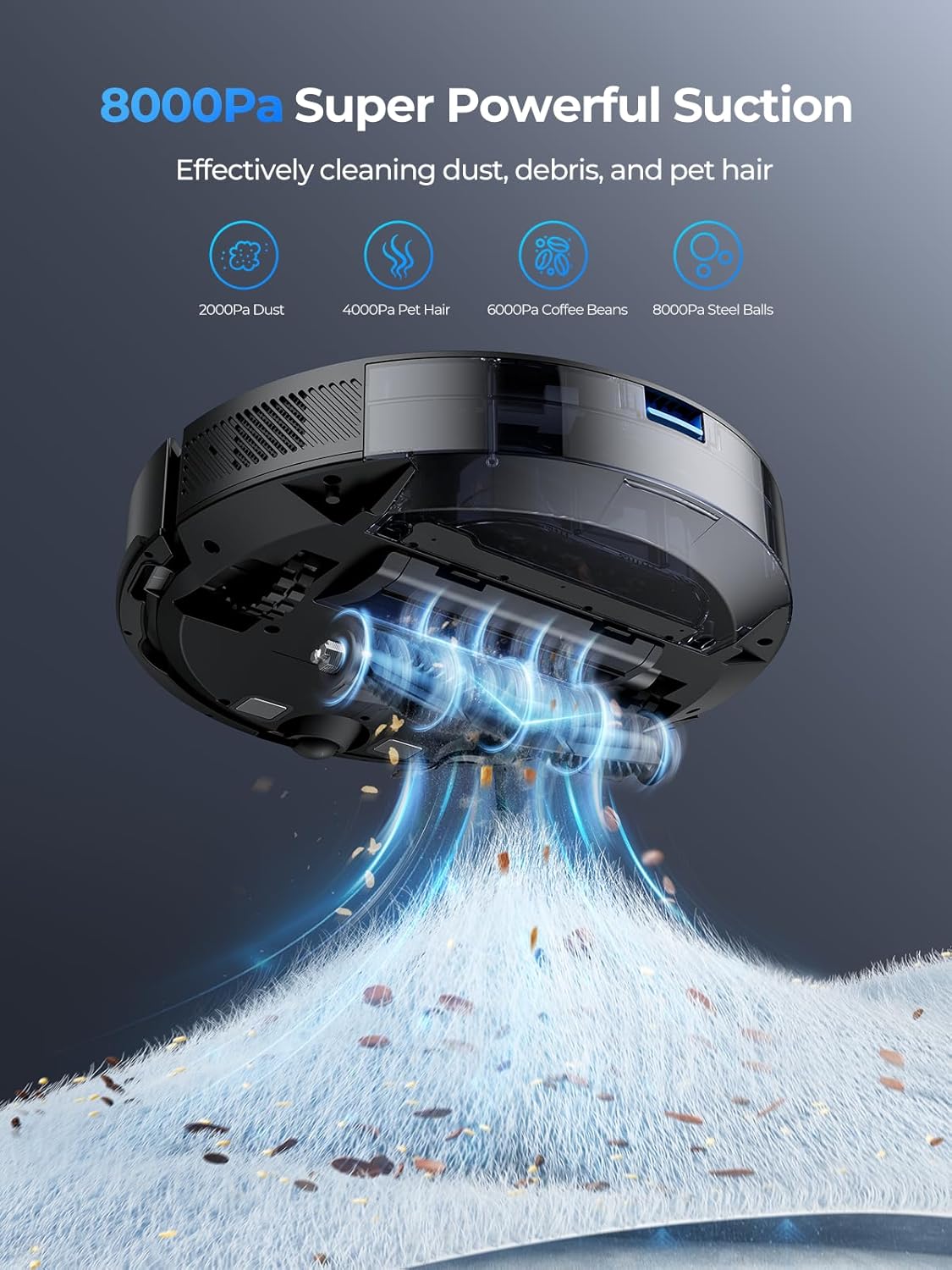
On hardwood floors, raw suction power matters less than controlled airflow and smart brush design. The best robot vacuum for wood floors uses enough suction to lift fine dust from cracks, but not so much that it wastes energy or increases noise unnecessarily. What really defines the best robot in this context is how the brush roll and side brush work together to funnel debris into the intake without scattering it.
Rubber brush rolls with segmented fins tend to perform well on both hardwood floors and low pile carpets. They maintain close contact with the surface, which improves cleaning of fine dust, yet they are gentle enough to avoid scratching most sealed finishes when combined with soft wheels. Anti tangle features, such as comb teeth near the brush bearings, help prevent long hair and pet hair from wrapping tightly, which keeps suction power stable over time.
Side brushes are another detail that affects cleaning performance along walls and in corners. A well tuned side brush should sweep debris toward the main brush without flinging it across the room, which is especially important on smooth wood where dust can slide easily. Some pro ultra and mova pro style models let you adjust side brush speed in the app, giving you pro level control over how aggressively the robot vacuums sweep edges.
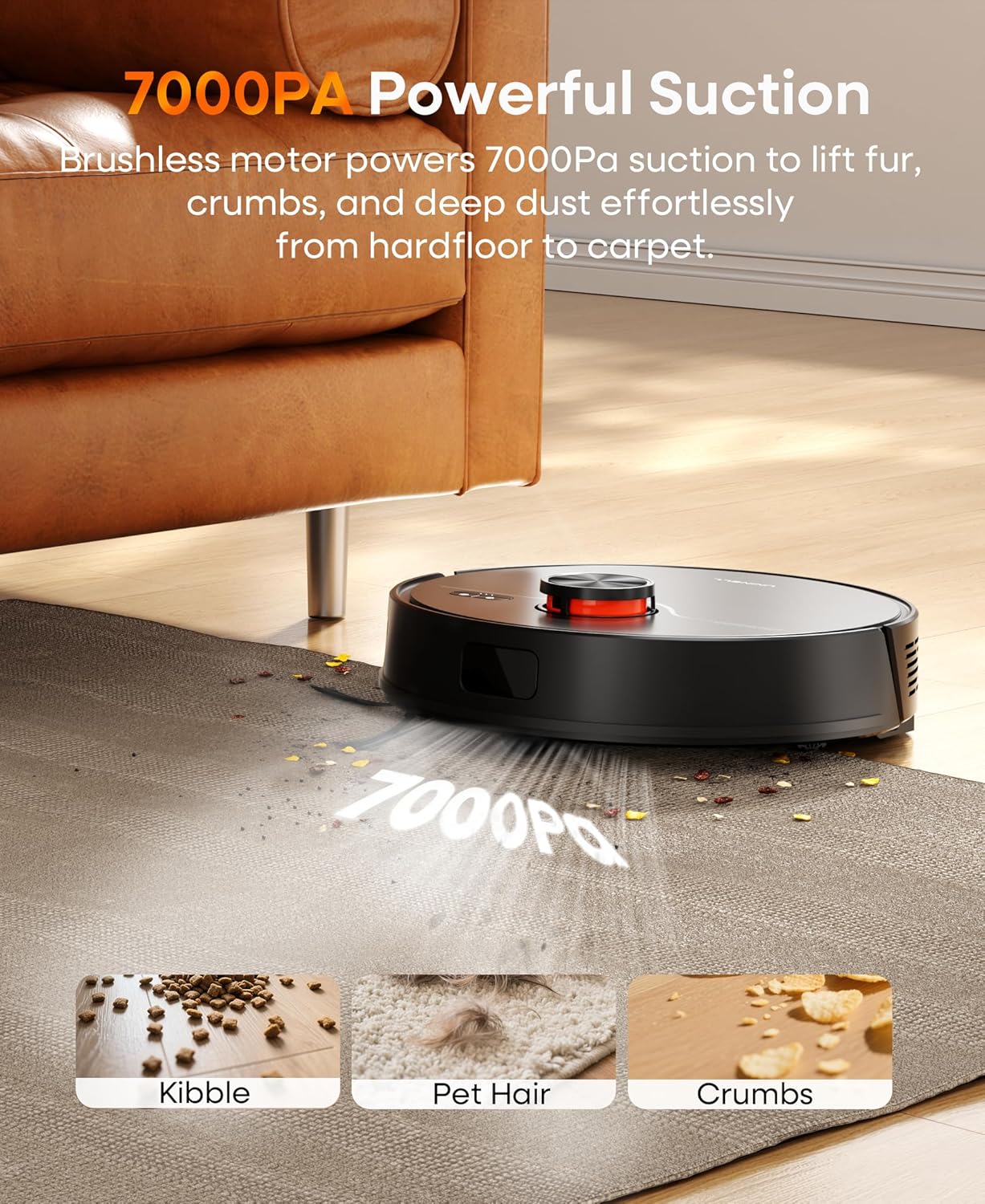
For households with pets, a vacuum mop or robot vacuum with strong suction and a good filter is essential. Pet hair tends to form light tumbleweeds on hardwood floors, so a robot with max suction modes and a sealed dust path will capture more of it in a single pass. An auto empty base with a large dust bag is helpful here, because frequent emptying dock cycles prevent clogs and keep the robot ready for daily runs.
When you compare models like roborock, dreame ultra, and other ultra robot competitors, pay attention to how they balance suction power with battery life. Some vacuums best suited for mixed floors offer adaptive suction that increases on carpets for deeper carpet cleaning, then drops on wood to extend runtime and reduce noise. This balance ensures that your robot vacuum can cover every hardwood room in one session while still having enough max power in reserve for stubborn dirt zones.
Mopping systems, water control, and wood floor safety
Many buyers now expect their robot vacuum to double as a mop, but wood floors demand caution. The best robot vacuum for wood floors either avoids wet mopping on sensitive planks or offers extremely precise water control with clear app settings. If your hardwood floors are sealed and rated for damp mopping, a gentle vacuum mop can remove fine dust films that suction alone might leave behind.
Mopping systems vary widely between models, from simple drag pads to active scrubbing plates. Ultra gen designs like some dreame ultra and roborock models use oscillating or rotating pads that apply light pressure, which improves mopping on tiles but must be carefully managed on wood. Look for robots that can automatically lift the mop when they detect carpets or when you mark certain hardwood zones as no mop areas in the app.
Clean and dirty water management is another factor that affects both hygiene and floor safety. Pro ultra style stations often include tanks for clean and waste water, allowing the robot to rinse its mop pads between runs, which reduces the risk of spreading dirty water across your hardwood floors. An advanced emptying dock that also washes and dries mop pads can keep the system more sanitary, especially in homes with pets and frequent spills.
For many households, a hybrid strategy works best. You can schedule the robot vacuums to perform dry cleaning on hardwood floors daily, then run a targeted mopping session on tiles or sealed areas once or twice a week, using low water flow and gentle pressure. This approach keeps dust and pet hair under control without exposing vulnerable boards to unnecessary moisture.
Always check manufacturer guidance about wood floor compatibility before enabling mopping modes. Some robots allow you to set room specific cleaning profiles, such as vacuum only for living room hardwood floors and vacuum plus mopping for kitchen tiles, which is safer than a one size fits all routine. When configured carefully, a smart robot vacuum with a restrained mop function can maintain a consistent sheen on your wood while still handling tougher stains elsewhere.
Docking stations, maintenance, and long term ownership costs
Docking stations have evolved from simple charging cradles into sophisticated hubs that handle auto empty, mop washing, and even brush maintenance. For the best robot vacuum for wood floors, a capable emptying dock reduces how often you need to handle the dust bin, which is especially useful when fine dust accumulates quickly on smooth surfaces. Auto empty systems also help maintain consistent suction power because the internal bin never stays packed with debris for long.
Some ultra robot stations, particularly in pro ultra and dreame ultra families, include heated drying for mop pads. This feature reduces odors and bacterial growth, which is valuable if your robot performs frequent mopping in kitchens or bathrooms before returning to vacuum hardwood floors. While these ultra gen docks increase upfront cost, they often reduce manual cleaning time and keep the robot vacuums operating closer to factory performance.
Routine maintenance still matters, even with advanced automation. You should inspect the main brush roll and side brush weekly for wrapped hair, especially if you have long haired residents or multiple pets that shed heavily on hardwood floors and carpets. Anti tangle designs on brushes and combs near the intake help, but no robot vacuum is completely immune to hair buildup, so quick checks prevent bigger problems.
Filter care is another ongoing task that affects both cleaning quality and air hygiene. Fine dust from wood floors can clog filters faster than visible debris, so washing or replacing filters on the schedule recommended by the manufacturer keeps suction power stable and reduces motor strain. Many smart apps now track filter and brush usage hours, sending reminders when maintenance is due, which supports a more pro approach to ownership.
When you compare long term costs between models like roborock, mova pro, and other vacuums best suited for wood, factor in consumables such as bags, filters, and brushes. Some robot vacuums use bagless auto empty systems, while others rely on disposable bags that add recurring expenses but contain dust more securely. By weighing these costs against the time saved and the improved protection of your hardwood floors, you can choose the best robot that fits both your budget and your cleaning standards.
How to choose between top models and match them to your home
Selecting the best robot vacuum for wood floors starts with an honest look at your home layout. Large open spaces with long hallways favor robot vacuums that have strong mapping, long battery life, and efficient straight line cleaning patterns. Compact apartments with mixed hardwood floors and rugs might benefit more from a nimble robot vacuum that excels at obstacle avoidance and quick room transitions.
Consider your household habits and mess patterns before you focus on brand names. Homes with multiple pets and frequent shedding need vacuums best equipped with strong suction power, robust anti tangle brush rolls, and large dust capacities, ideally supported by an auto empty dock. If you mainly deal with light dust and occasional crumbs on hardwood floors, a mid range smart robot can deliver pro level results without the price of an ultra robot flagship.
Brand ecosystems and app quality also influence daily satisfaction. Some users prefer the polished apps and reliable updates from established players like roborock, while others appreciate the value oriented approach of brands that offer mova pro style models with solid hardware at lower prices. Reading detailed comparisons, such as analyses of how mid range robot vacuums have adopted flagship features in guides like how mid range robot vacuums copied flagship playbooks, can clarify which features are truly essential for wood floors.
Noise tolerance and schedule flexibility are often overlooked but very practical considerations. If you work from home near hardwood floored living areas, a quieter robot vacuum with adjustable suction modes will be easier to live with during long cleaning cycles. Families who are out most of the day may prioritize strong max modes and quick auto cleaning runs that finish before anyone returns.
Finally, think about future needs, such as adding more rugs, renovating with new hardwood floors, or adopting pets. Choosing a robot vacuum or vacuum mop with a bit more capacity, better obstacle avoidance, and a versatile emptying dock can extend its useful life as your home evolves. By aligning features, maintenance expectations, and budget, you can confidently select the best robot that keeps your wood floors clean, protected, and visually impressive for many years.
Key figures about robot vacuums and wood floors
- Market research from firms such as Statista shows that robot vacuums account for more than 25 % of household vacuum cleaner sales in several major markets, reflecting strong consumer trust in automated cleaning for surfaces including hardwood floors.
- Independent lab tests by organizations like Consumer Reports have found that top tier robot vacuum models can remove over 90 % of surface debris from hard floors in a single pass, while mid range models typically achieve between 70 % and 85 % removal.
- Surveys of robot vacuum owners conducted by major review outlets indicate that more than half of users run their robots at least three times per week, which is particularly beneficial for wood floors because frequent removal of fine dust reduces long term abrasion of finishes.
- Battery capacities in modern robot vacuums commonly range from about 2 500 to 5 200 milliampere hours, enabling between 90 and 200 minutes of runtime, which is usually enough to clean 80 to 200 square metres of mixed hardwood and tile flooring on a single charge.
- Noise measurements reported by several testing laboratories show that many robot vacuums operate between 55 and 65 decibels on standard modes, a level comparable to normal conversation, making them suitable for regular use in living spaces with hardwood floors without significant disturbance.