Key features that matter in a professional robot vacuum mop combo
Many offices now use a robot vacuum mop combo to handle both dust and light spills in one pass. These combo systems combine a vacuum mop module with a water tank and a mop pad or roller mop, which is particularly useful on hard floors in lobbies and kitchenettes. For streak free results on hardwood or laminate, consult specialized guidance on streak free hardwood mopping modes before choosing your device.
Look closely at how each robotic vacuum manages the mop function in office environments. Some vacuum mop designs drag a passive mop, while higher end models such as the Ecovacs Deebot Ozmo or Roborock Qrevo use an active roller mop or dual spinning pads for better scrubbing. In shared kitchens or restrooms, this difference in mop combo technology can determine whether dried coffee stains and shoe marks are removed or simply smeared.
Water control and maintenance routines also influence long term hygiene. A robot vacuum mop with adjustable water flow helps protect delicate floors and reduces drying time in corridors where staff walk frequently. Facilities teams should schedule regular cleaning of tanks, pads, and brushes to prevent odours and maintain the best cleaning performance over months of daily use.
Top robot vacuum models for different office layouts
Open plan offices with long corridors benefit from robot vacuums that prioritize coverage and speed. In these spaces, a top pick is often a Roborock model with strong suction power and efficient path planning, because it can clean wide areas measured in dozens of square metres per hour. For offices with extensive wood flooring, consult a dedicated guide to the top robot vacuum for wood floors to avoid scratches and water damage.
More complex offices with many meeting rooms and narrow passages require compact robot vacuum models with precise obstacle avoidance. Devices that stand under 9 centimetres, roughly 3.5 inches, can pass under low sofas and cabinets in reception areas, which increases effective cleaning coverage. When evaluating these vacuums, check whether the robot can store multiple maps, because many businesses operate on several floors with different layouts.
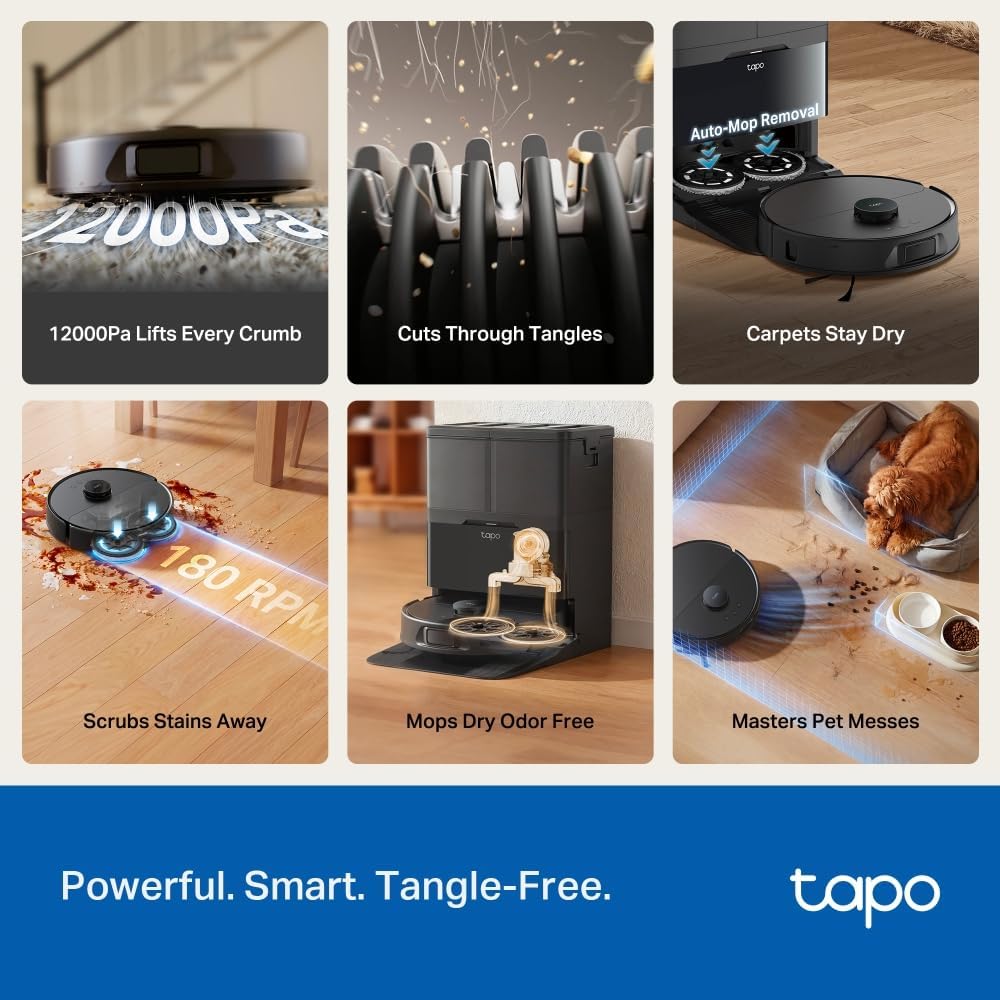
Hybrid workspaces and co working hubs often need flexible cleaning schedules. A robotic vacuum that supports room specific routines allows you to clean conference rooms after events, while leaving quiet zones untouched during focused work hours. Cloud connected apps from brands such as Tapo, Ecovacs, and iRobot Roomba make it easy for facility managers to adjust these schedules remotely.
Brand deep dive: Roomba, Roborock, Ecovacs Deebot, and Tapo Max
Among the many robot vacuums available, a few brands consistently stand out in offices and businesses. iRobot Roomba models are known for robust hardware and reliable cleaning, which appeals to companies that value durability over experimental features. Some Roomba robot vacuum units focus purely on vacuum performance, while others offer a vacuum mop combo for mixed floor types.
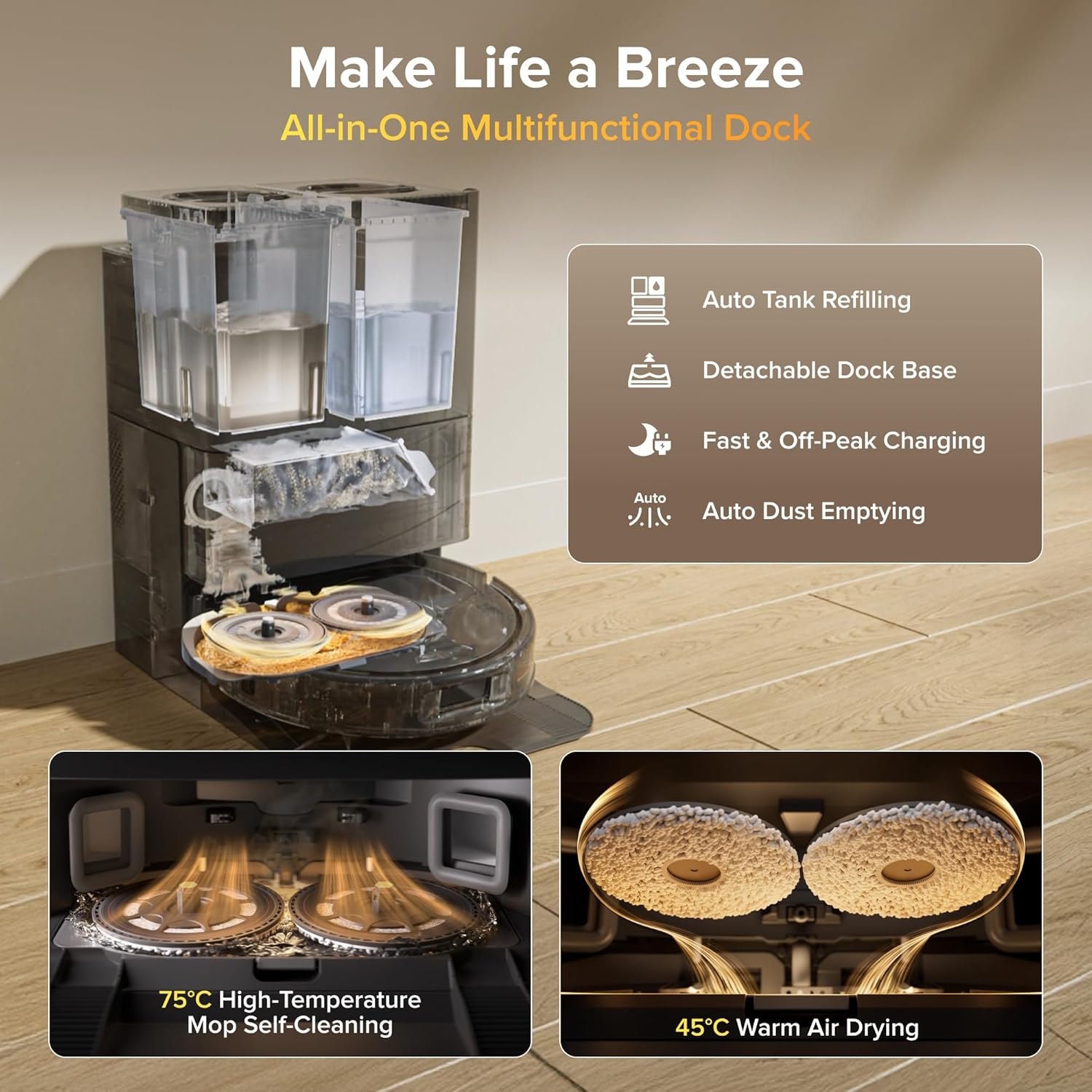
Roborock has built a strong reputation for combining high suction power with advanced mapping and obstacle avoidance. In particular, the Roborock Qrevo series targets users who want a pro level vacuum mop with automatic mop washing and drying, which reduces manual maintenance. These robotic vacuum systems are often chosen as a best robot option for premium offices that prioritize both appearance and hygiene.
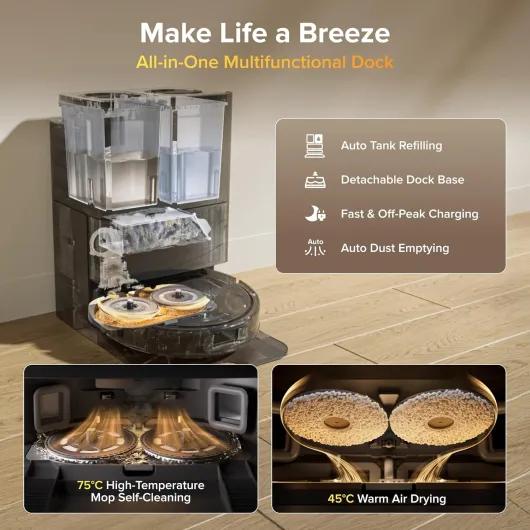
Ecovacs Deebot models, including Ecovacs Deebot Ozmo and Deebot Pro Omni, emphasize all in one stations that handle emptying, water refills, and mop cleaning. For cost conscious businesses, an affordable robot from the Tapo Max line can still provide reliable cleaning, especially in smaller offices with simpler layouts. When comparing these brands on Amazon or through professional distributors, focus on long term service support and spare parts availability as much as headline specifications.
Performance metrics: testing suction power, battery life, and emptying systems
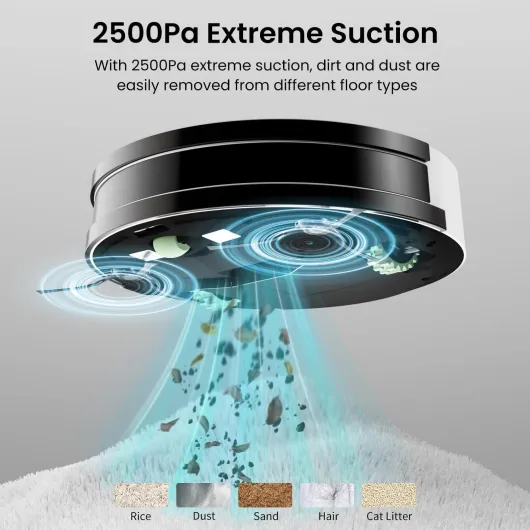
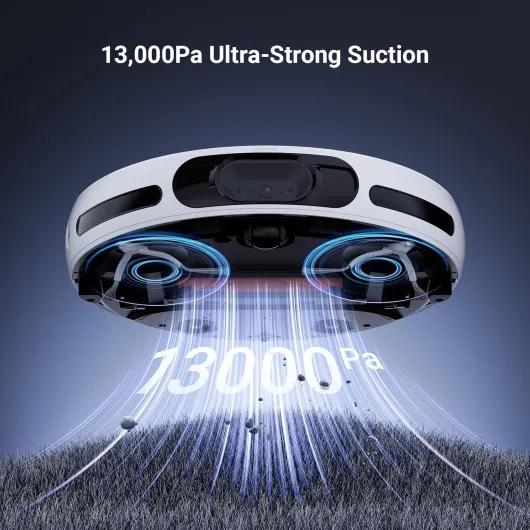
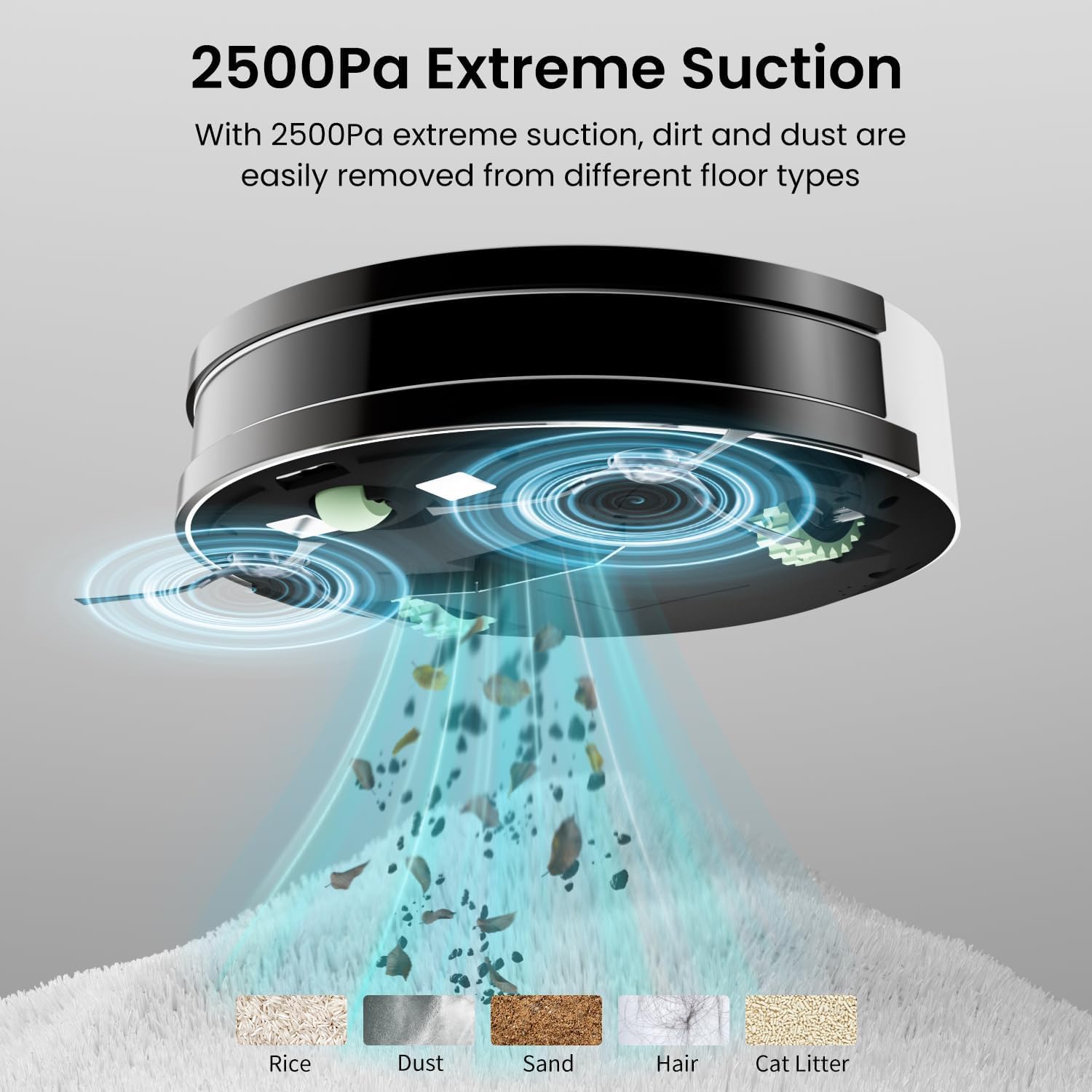
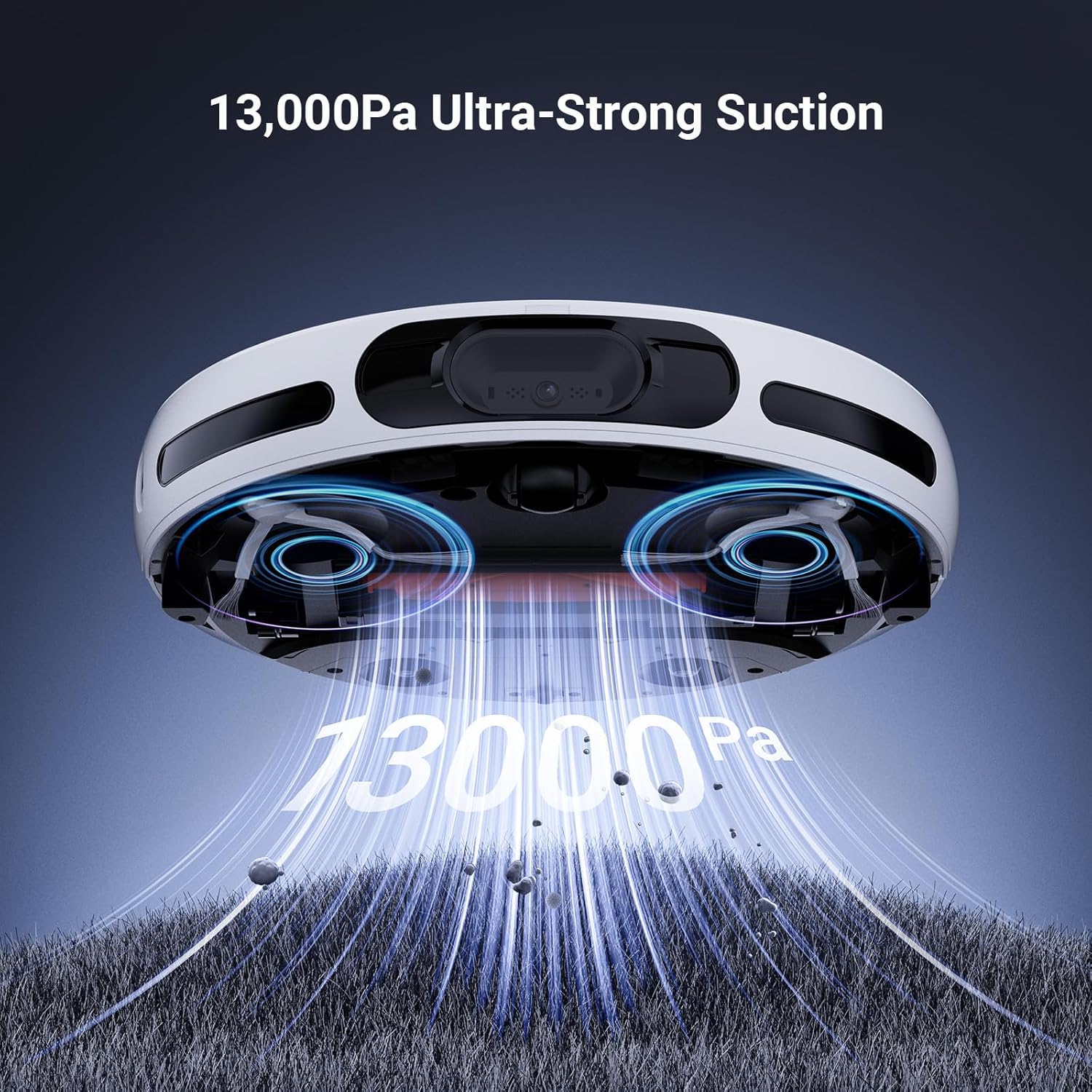
Objective testing is essential when selecting the best robot vacuum for offices and businesses. Facilities managers should evaluate suction power on both low pile carpet and hard floors, using standardised debris such as sand, dust, and pet hair from office dogs or visitor traffic. In many independent testing protocols, high end robot vacuums now reach suction ratings above 4 000 pascals, which is sufficient for most commercial carpets.
Battery life determines how much floor area a robotic vacuum can cover in a single run. For medium sized offices, aim for models that can operate at least 120 minutes on standard power, because this usually translates into more than 100 square metres cleaned before recharging. Docking stations with automatic emptying extend this range further, since the robot does not need human help to continue cleaning once its dustbin is full.
Emptying systems and maintenance routines also affect daily operations. A self emptying robot vacuum can hold several litres of debris in its base, reducing staff involvement to a quick bag change every few weeks. When you assess these systems, check the noise level during emptying, because loud bursts may disturb employees if scheduled during working hours.
Practical buying guide: budgets, Amazon listings, and real world maintenance
Budget planning for robot vacuums in offices should consider both purchase price and operating costs. An affordable robot may look attractive initially, but frequent repairs or poor cleaning can increase total cost of ownership over time. Higher end pro models with better components, such as Deebot Pro Omni or premium Roborock units, often provide better value across several years of daily use.
When browsing Amazon or business focused retailers, pay attention to verified reviews from offices and businesses rather than only home users. Commercial environments generate more dust, paper fragments, and occasional pet hair from office mascots, so feedback from similar spaces is more relevant. Look for comments about long term battery life, reliability of obstacle avoidance, and how well the vacuum mop combo handles coffee spills or kitchen crumbs.
Real world maintenance is where many buying decisions succeed or fail. Staff must be able to clean brushes, replace filters, and manage the roller mop or mop combo pads without special tools. For seasonal challenges such as heavy shedding from pets or increased dust during renovations, consult targeted advice on tuning your robot vacuum for peak hair season to keep performance stable.
Advanced use cases: integrating multiple robot vacuums across large business sites
Large corporate campuses and multi site businesses often deploy several robot vacuums working in parallel. In these scenarios, the best robot vacuum for offices and businesses is not a single device, but a coordinated fleet of robotic vacuum units assigned to specific zones. Each robot can focus on a floor or wing, with cleaning schedules staggered to avoid congestion in corridors and lifts.
Centralized management tools are becoming more common in pro grade models. Some Ecovacs Deebot and Roborock systems allow multiple robot vacuums to share maps or at least export floor plans, which simplifies setup when you add new units. Facilities teams can then adjust no go zones, virtual walls, and room priorities from a single dashboard, rather than programming each robot vacuum separately.
Physical constraints still matter, even with smart software. Measure door widths, low furniture clearance in inches or centimetres, and the location of power outlets before finalizing your deployment plan. By aligning these details with the capabilities of your chosen Roomba, Deebot, Tapo Max, or other best robot models, you ensure consistent cleaning coverage without constant troubleshooting.
Key figures on robot vacuum adoption in offices
- According to data from the International Federation of Robotics, sales of professional service robots for cleaning grew by more than 20 percent year over year, reflecting rapid adoption in commercial buildings worldwide.
- Market research from Statista indicates that the global robotic vacuum market exceeded 10 billion US dollars in annual revenue, with a significant share attributed to business and office use rather than only households.
- Facility management surveys from ISS and similar providers report that automated cleaning solutions can reduce manual labour hours for routine vacuuming by 30 to 40 percent, allowing staff to focus on higher value tasks.
- Independent testing labs such as Consumer Reports and Wirecutter have found that top tier robot vacuums can remove more than 90 percent of test debris from hard floors in a single pass, approaching the performance of traditional upright vacuums.