Navigation, obstacle avoidance, and life with real furniture
In apartments and other small spaces, navigation quality often matters more than raw suction power, because a robot that gets stuck under a chair wastes cleaning time. Advanced obstacle avoidance uses cameras or LiDAR sensors to recognise cables, shoes, and low furniture, reducing the number of rescues you need to perform during a clean. When a robotic vacuum can see and avoid an obstacle instead of bumping repeatedly into it, you gain quieter operation and less wear on both the robot and your furniture.
Smart mapping is the feature that turns a basic robot vacuum into a precise cleaning tool for compact homes. With accurate maps, you can send robot vacuums to clean only the kitchen after cooking, or schedule a quick vacuum mop run in the hallway before guests arrive, instead of cleaning the entire flat every time. This level of control is especially helpful if you share a small apartment, because one person can schedule bedroom cleaning while another works in the living room without constant noise.
Some of the most capable robotic vacuums now combine obstacle avoidance with zone control, letting you draw no go areas around delicate stands or a temporary father day gift display with trailing ribbons. As walking and stair capable robots evolve, concepts like those discussed in the analysis of future walking robot vacuums for stairs show how navigation will keep improving for multi level apartments. For now, the best robot vacuum for apartments and small spaces should at least offer reliable obstacle avoidance, virtual walls, and room specific schedules so it spends more time cleaning and less time trapped on thresholds.
Compact docks, auto empty systems, and noise in tight quarters
Living in a small apartment means the dock for your robot vacuum will probably sit in plain sight, so its size and design matter. A tall auto empty station can feel overwhelming beside a narrow hallway shoe cabinet, while a low profile emptying dock may slide neatly between a plant and a media unit. When you evaluate docks, check both the footprint and the height, and think about whether you prefer a discreet vacuum cleaner station or do not mind a more visible tower that offers extra functions.
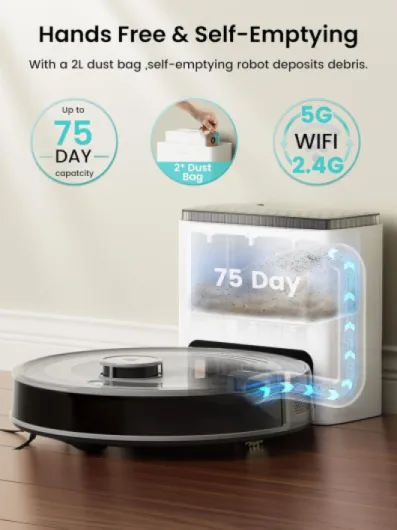
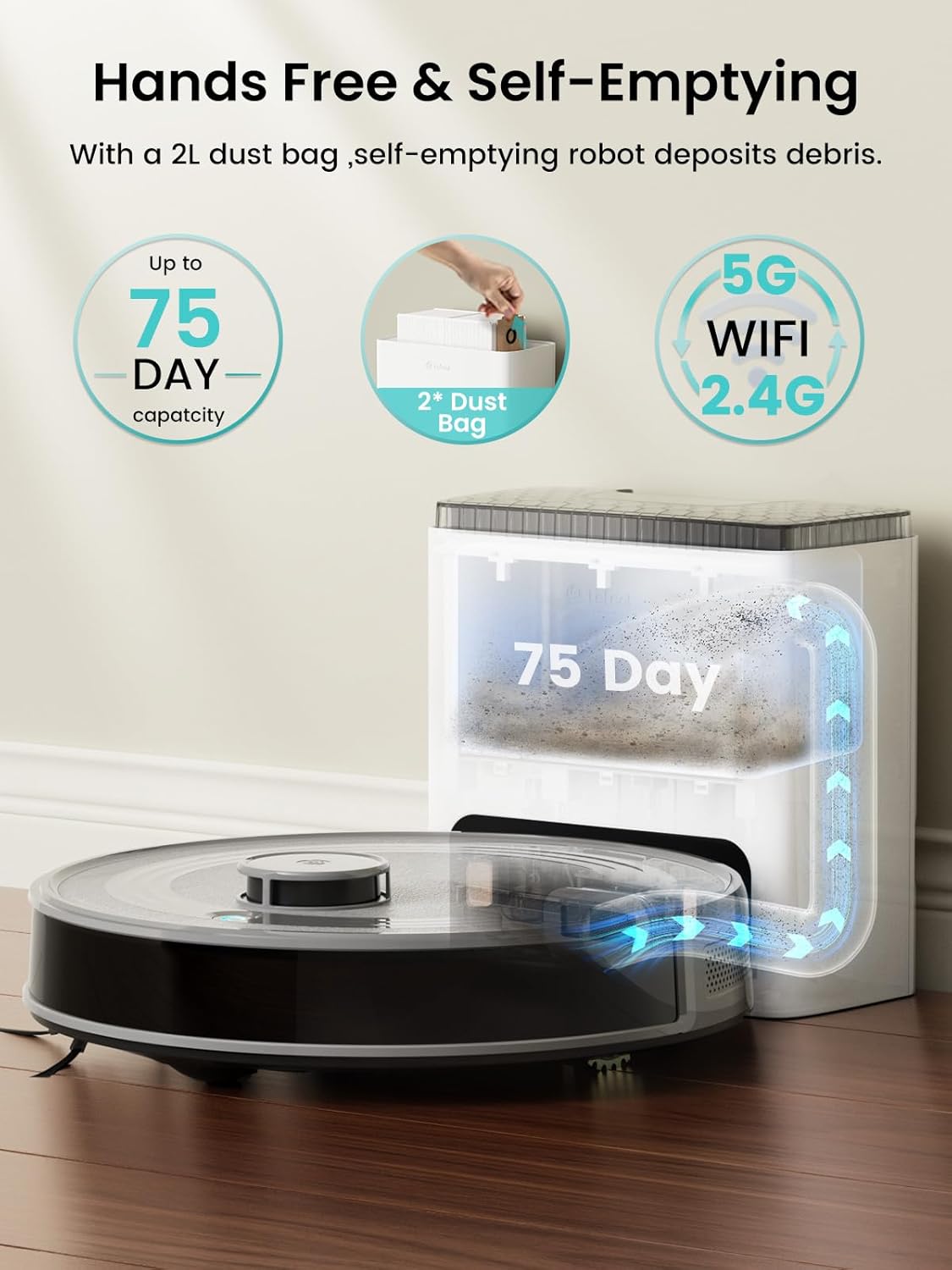
Auto empty systems are especially useful in small spaces, because they reduce how often you need to handle dust and pet hair directly. If you have allergies or a shedding cat, a robot vacuum with an emptying dock can collect weeks of debris in a sealed bag, which you swap out quickly without releasing clouds of dust back into the room. However, the auto empty process is loud, so consider whether the short burst of noise is acceptable in a studio flat where the dock may sit just two metres from your bed.
Brands such as Roborock, Shark Matrix, Dreame Ultra, and Pro Omni models each approach docks differently, and their vacuums vary in how compact they feel in real apartments. A Roborock robot vacuum with a combined vacuum mop dock may take more floor space but handle both cleaning and mopping water management, which can be the best trade off if you lack storage for extra buckets. When comparing these robotic vacuums, pay attention to how easily you can access the dock’s water tanks, dust bags, and filters without moving furniture, because awkward access quickly becomes frustrating in small spaces.
Cleaning performance on hard floors, rugs, and pet hair in small spaces
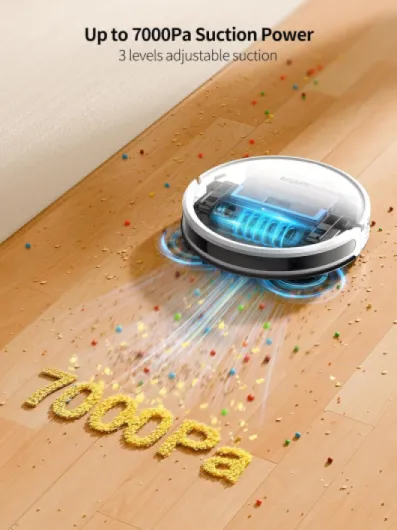
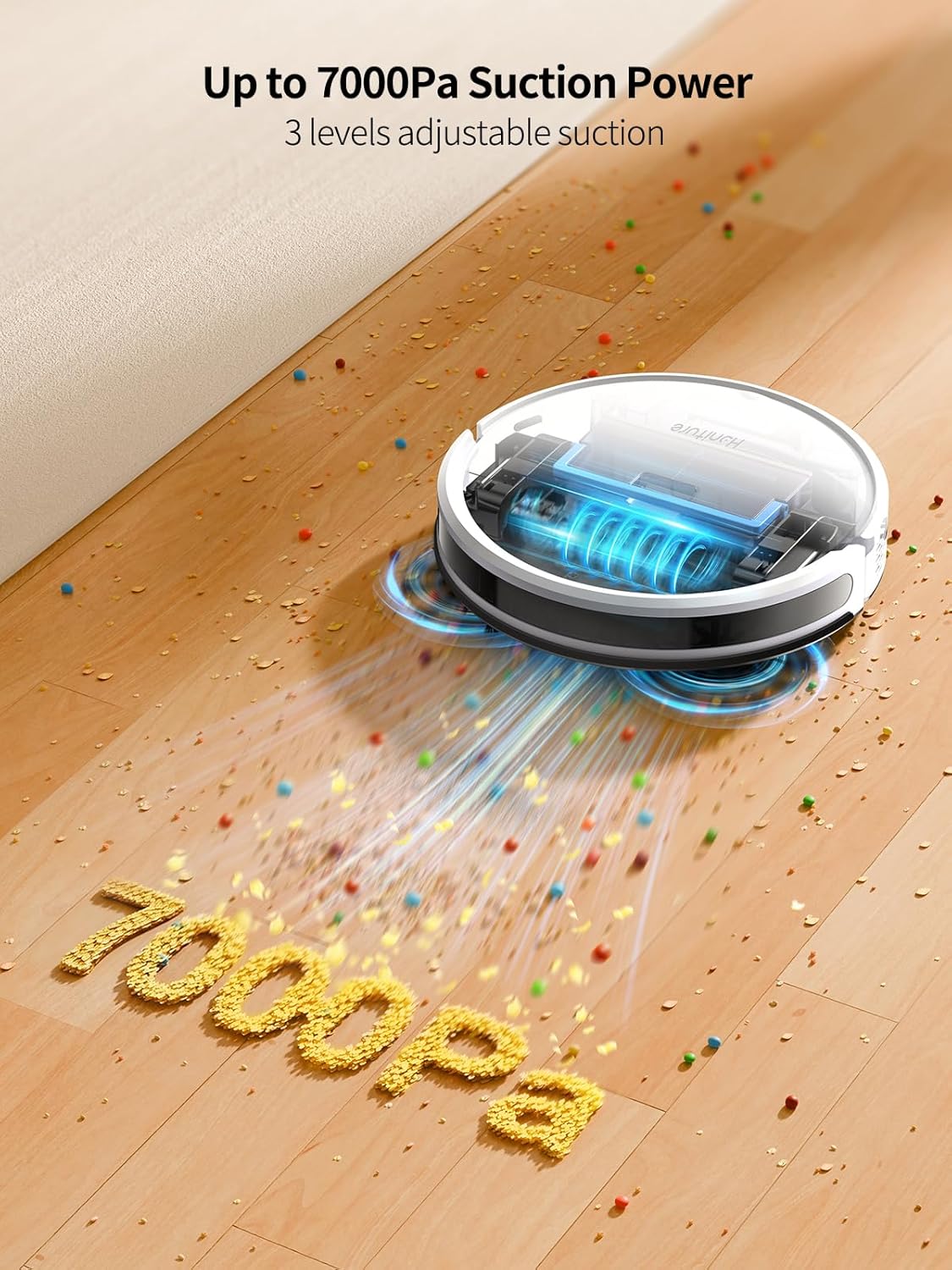
Most apartments rely heavily on hard floors, with only a few rugs or a short pile carpet in the bedroom, so the best robot vacuum for apartments and small spaces must excel on these surfaces. Look for vacuums that pick up fine dust, sand, and larger debris like cereal without scattering it, because crumbs tend to collect along skirting boards and under tables in compact homes. A robot vacuum with strong suction power and well designed side brushes can reach into corners where a stick vacuum would normally be required for finishing touches.
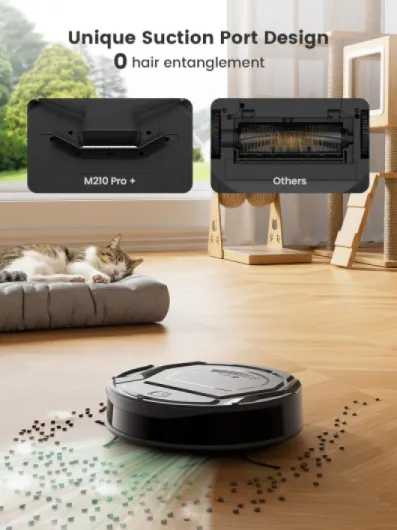
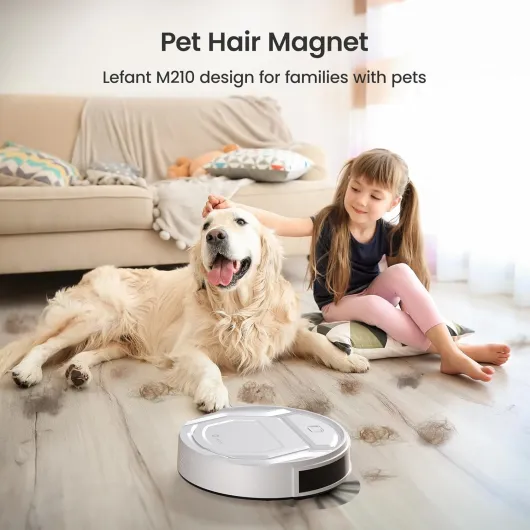
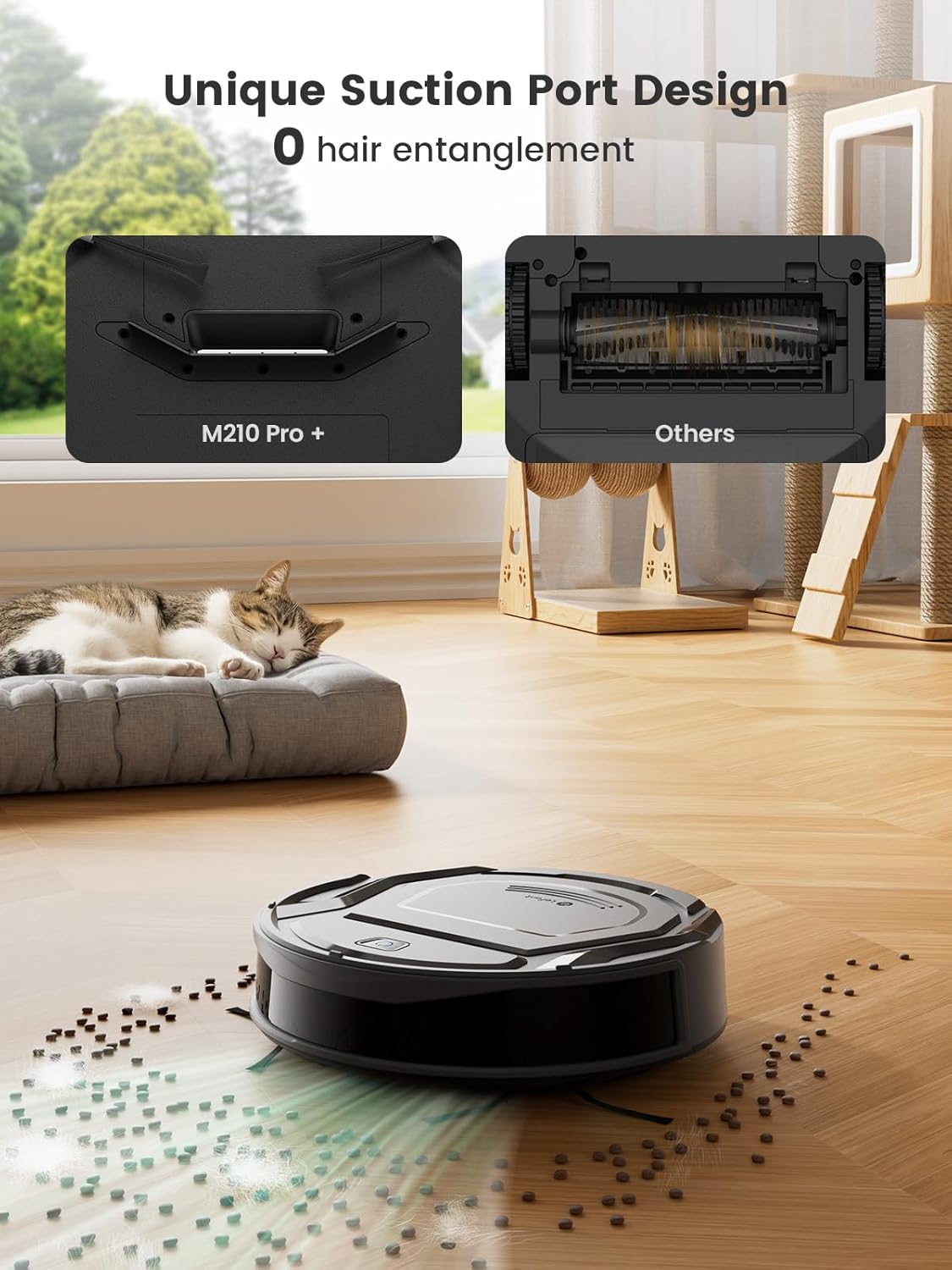
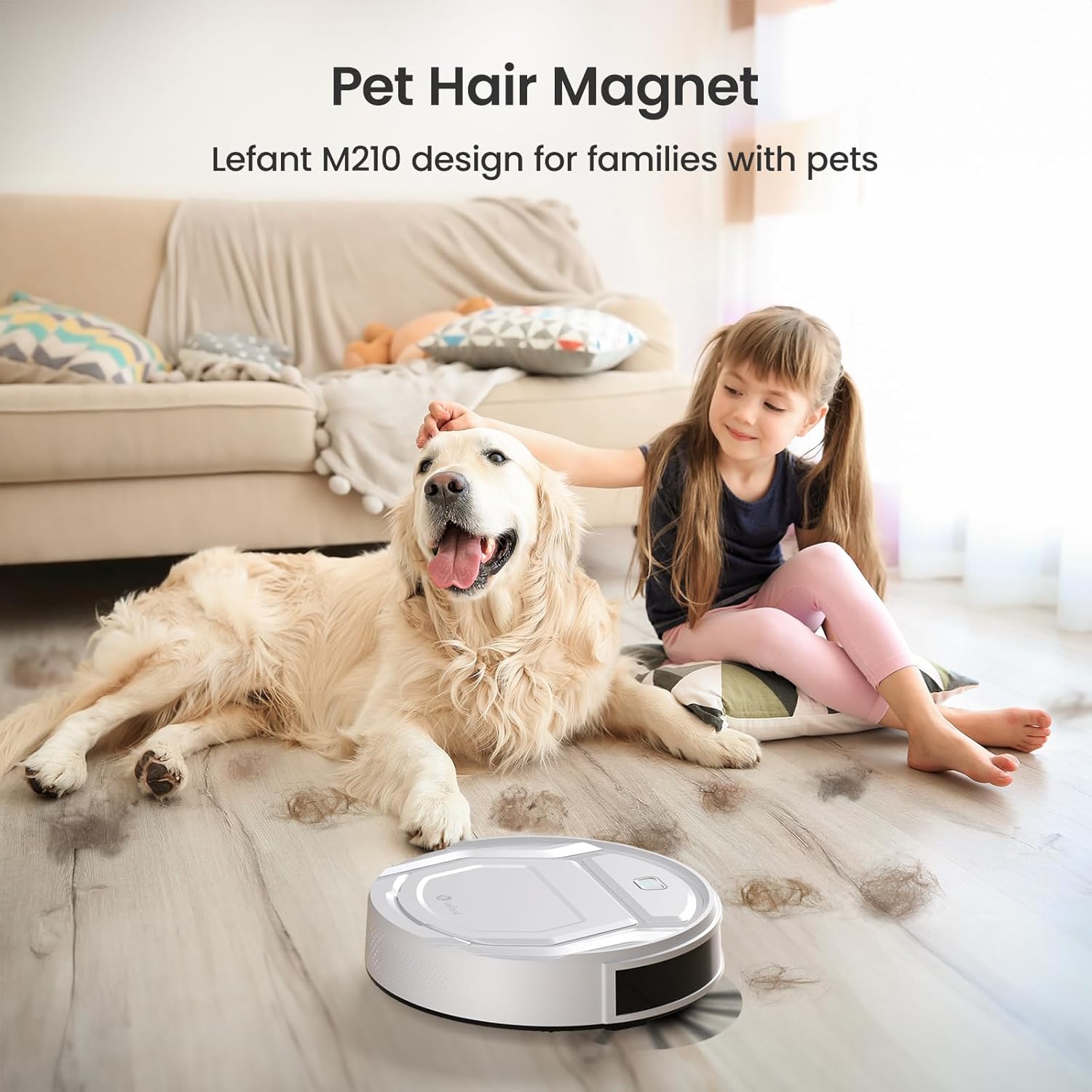
If you share your small flat with animals, pet hair becomes the main cleaning challenge, especially when it tangles around brush rolls. Some robotic vacuums use rubber rollers that resist hair wrapping, making it easier to keep the vacuum cleaner operating at peak suction without frequent manual cutting and pulling. For deeper guidance on handling pet hair, a detailed resource such as the guide on choosing the right robot vacuum for pet hair can help you match specific robot vacuums to your animal’s shedding patterns.
Mopping adds another layer of performance to consider, because a vacuum mop must manage both dry debris and light stains without leaving streaks. In small spaces, a robot with controlled water flow and washable pads can handle daily mopping of hard floors, while you reserve a manual mop for occasional deep scrubs. When comparing brands like Roborock, Dreame Ultra, and Shark Matrix, or reading analyses such as Roomba versus Roborock comparisons, focus on how well each robotic vacuum handles mixed surfaces, transitions between rugs and tiles, and the specific debris types common in your apartment.
Battery life, maintenance, and real ownership costs in apartments
Battery life figures on product pages can be confusing, because manufacturers often quote maximum runtime in the lowest suction mode, which is not how most people clean. In a typical apartment, you will probably use a mix of standard and high suction, so a robot vacuum rated for 180 minutes might realistically give you 90 minutes of strong cleaning before returning to the dock. That is still more than enough for most small spaces, but it is worth understanding how battery capacity, suction power, and cleaning mode interact.
Maintenance is where the long term price of robot vacuums becomes clear, especially if you choose a model with an auto empty dock or advanced mopping system. Dust bags, filters, side brushes, and mop pads all need periodic replacement, and these consumables can add up over time if you buy them at full price from a single retailer such as Amazon. To keep costs under control, check whether your chosen robotic vacuum supports washable filters, reusable mop pads, and third party accessories that meet safety standards without voiding the warranty.
Hair, string, and other debris inevitably wrap around brushes, so plan for a quick weekly clean of the main brush and wheels, which takes only a few minutes but keeps suction strong. Some premium models, including certain Roborock and Dreame Ultra units, use brush designs that reduce hair tangles, which is especially helpful in small apartments where long hair accumulates quickly in bathrooms and bedrooms. If you treat maintenance as part of your regular cleaning routine, the best robot vacuum for apartments and small spaces will stay reliable for many years instead of losing performance after the first season.
How to choose the right model for your small home
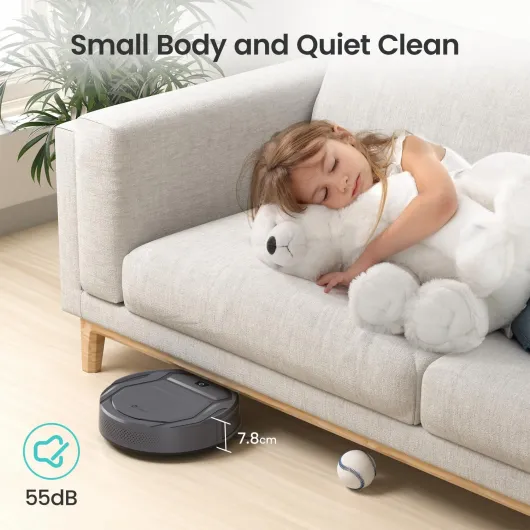
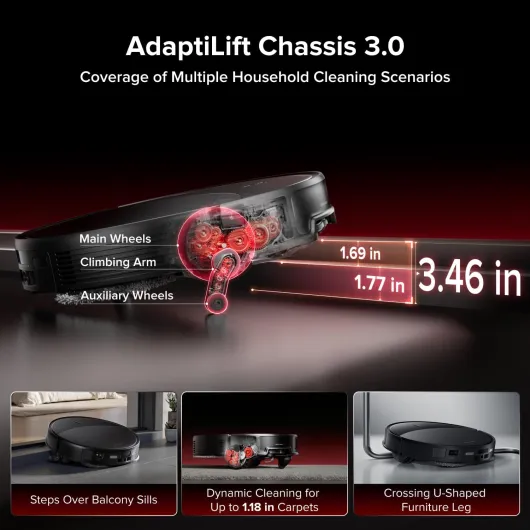
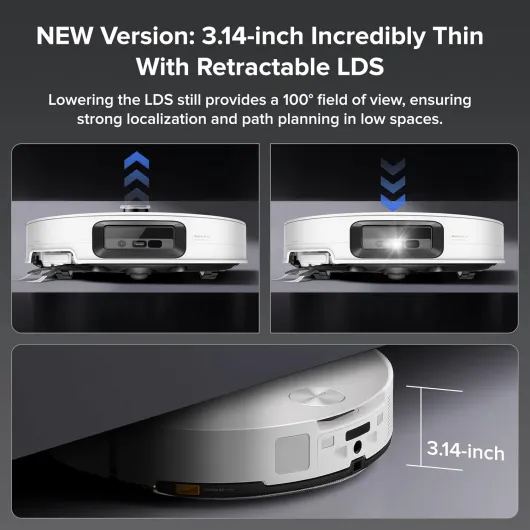
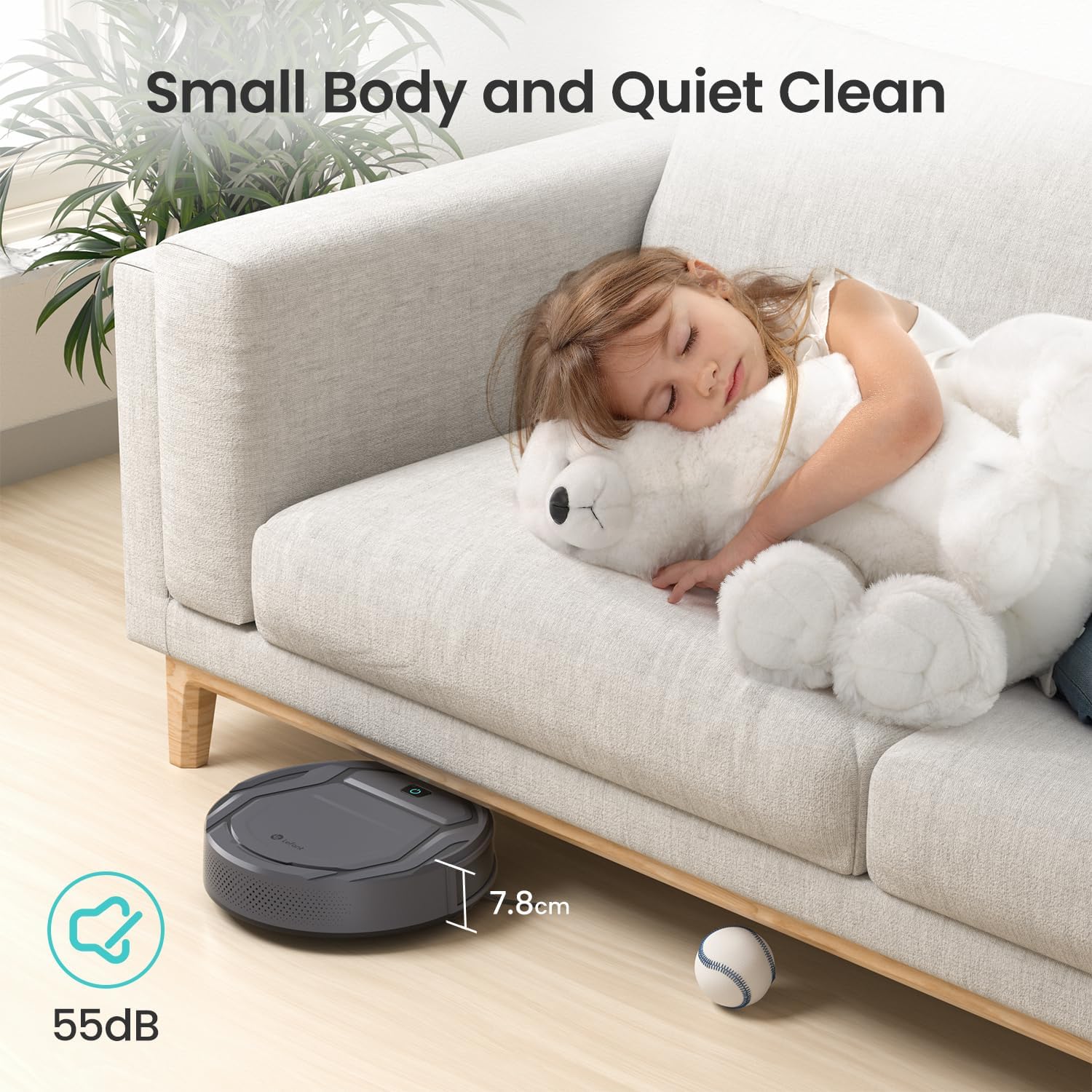
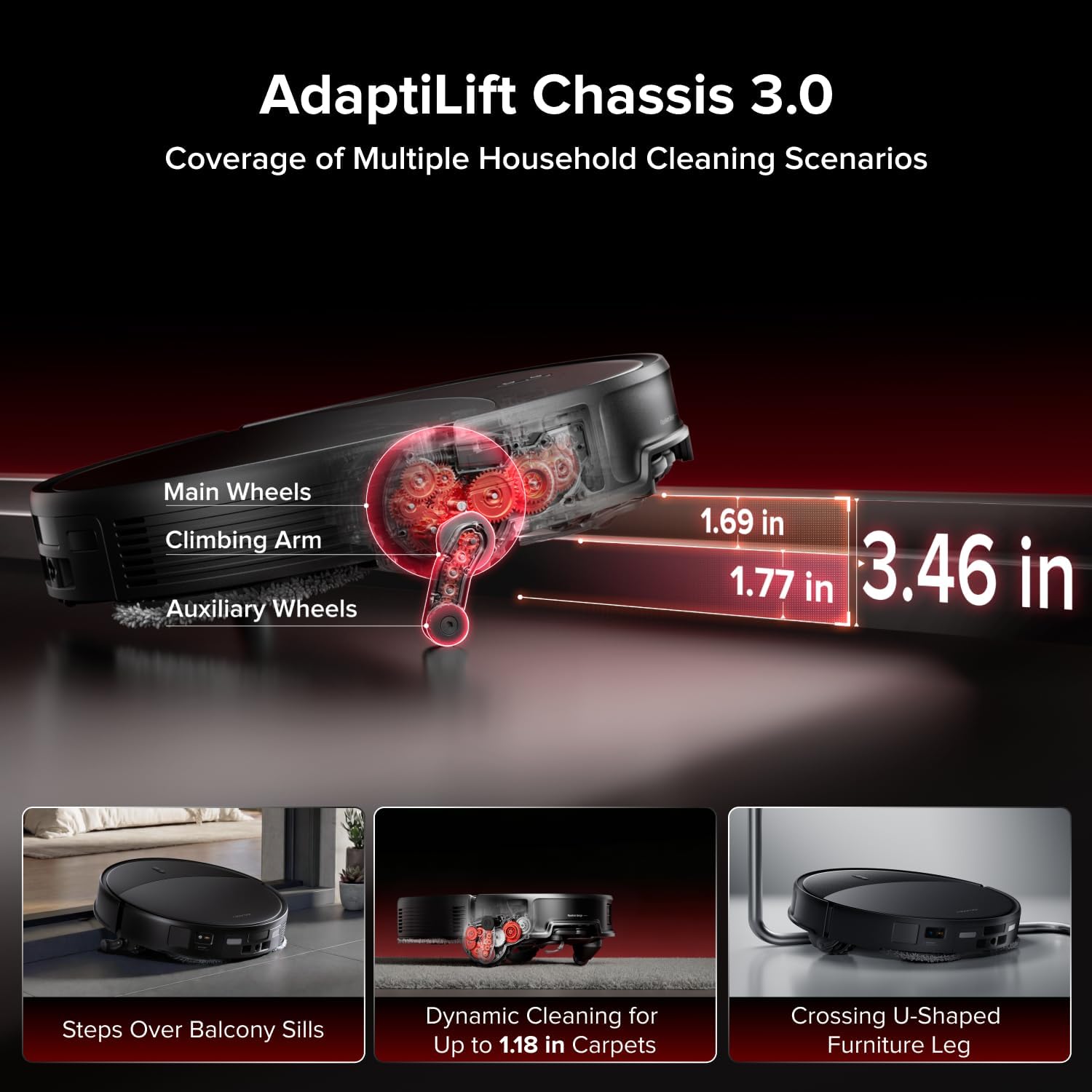
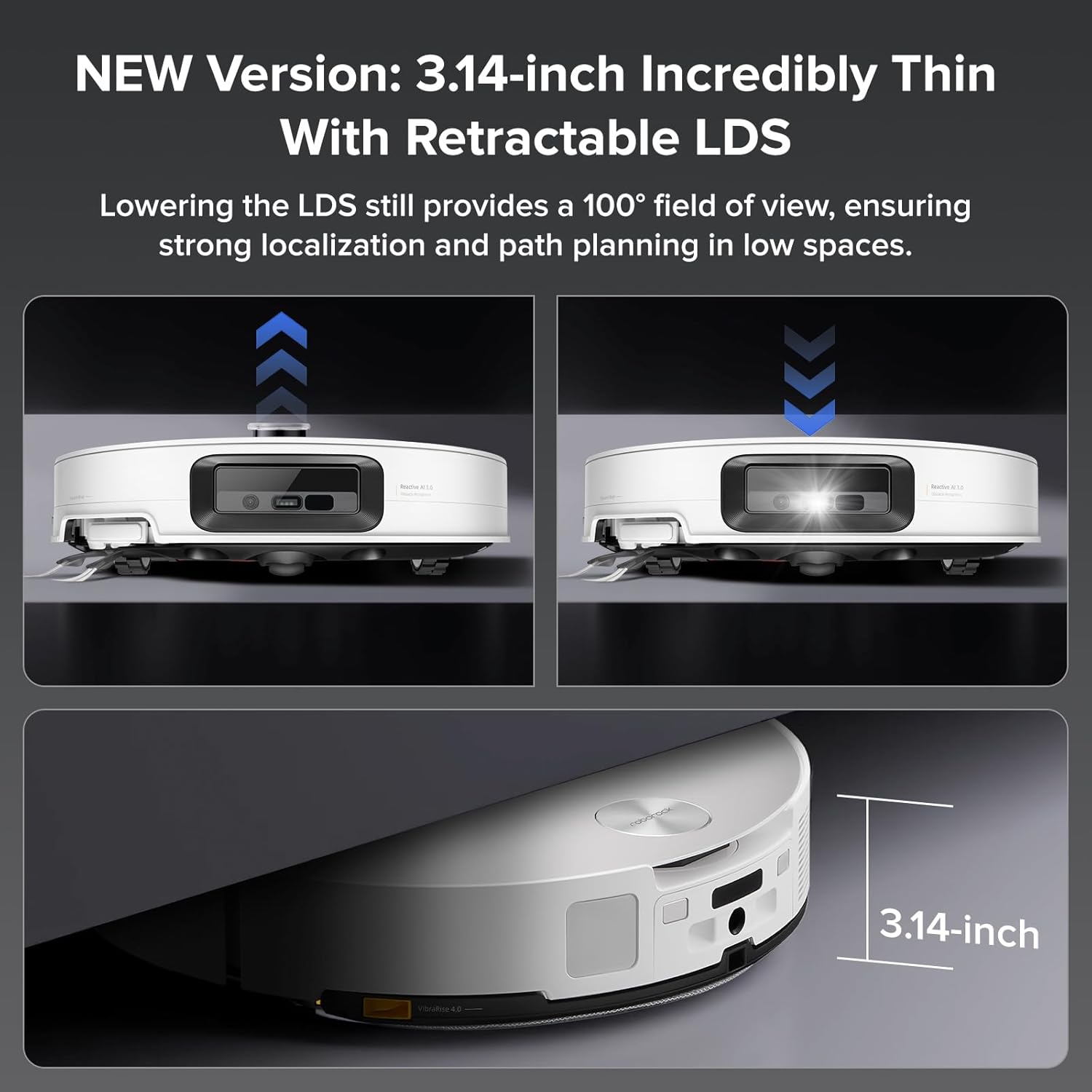
Selecting the best robot vacuum for apartments and small spaces starts with an honest look at your layout and habits. Measure narrow corridors, low sofas, and the gap under your bed, then compare those figures with the height and width of potential robot vacuums and their docks. A few millimetres can decide whether a robotic vacuum glides under furniture to clean hidden dust or leaves a strip of untouched debris that you must address with a stick vacuum.
Next, match features to your priorities rather than chasing every specification, because not every apartment needs a flagship vacuum mop with heated pad washing. If you mostly have hard floors and no pets, a mid range robot vacuum with solid suction power, reliable smart mapping, and a compact dock may be the best value at a reasonable price. On the other hand, if you live with children or animals in small spaces, investing in a model with strong obstacle avoidance, auto empty capability, and robust pet hair handling will save you time and effort every week.
Retailers such as Amazon make it easy to compare multiple robotic vacuums, but pay close attention to verified user reviews that mention apartments, studios, or small flats. Look for patterns in comments about noise, navigation in cluttered rooms, and how often the robot gets stuck on thresholds or cables, because these details matter more than abstract specifications. If you are considering brands like Shark Matrix, Roborock, Pro Omni, or Dreame Ultra, focus on how each robot vacuum behaves in real small homes rather than in ideal marketing photos, and choose the one whose strengths align most closely with your daily cleaning reality.
Key figures on robot vacuums for apartments and small spaces
- Market research from firms such as Statista shows that robot vacuums account for more than 25 % of all household vacuum cleaner sales globally, reflecting strong adoption in urban apartments where space is limited.
- Independent lab tests by organisations like Consumer Reports have found that top tier robot vacuum models can remove up to 90 % of surface debris from hard floors in a single pass, which is comparable to many corded vacuums in everyday use.
- Surveys of urban residents by major appliance brands indicate that more than 60 % of robot vacuum owners run their devices at least three times per week, highlighting how frequent automated cleaning particularly benefits small spaces that accumulate clutter quickly.
- Battery life measurements from specialist reviewers often show a real world runtime of 70 to 120 minutes in mixed modes for mid range robots, which is sufficient to clean between 60 and 120 square metres on a single charge in most apartments.
- Noise tests conducted by independent labs typically place modern robot vacuums in the 55 to 65 decibel range on standard power, which is quieter than many traditional upright vacuums and more suitable for compact flats with thin walls.