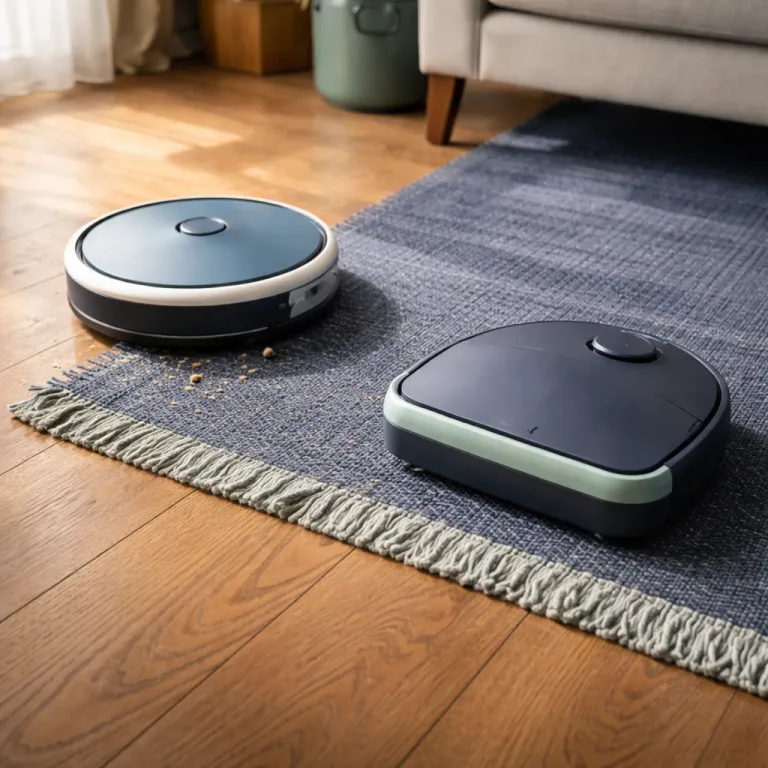

Roomba vs Roborock in 2026: who really leads robot vacuums now
Roomba vs Roborock is no longer a simple old brand versus new brand story. The robot vacuum market shifted once LiDAR navigation became cheap and reliable, so navigation alone no longer justifies paying a premium for any single robot. For a budget conscious buyer comparing Roomba and Roborock robot vacuums, the real question is how each brand’s cleaning ability, software, and long term support match your floors and habits.
Roborock now sells a wide spread of robot vacuum and vacuum mop models, from entry level E series units to ultra docks like the Roborock MaxV Ultra and Roborock S8 Pro Ultra. iRobot Roomba focuses more tightly on a few tiers, with classic robot vacuums such as the Roomba i3, midrange options like the iRobot Roomba j7, and premium combo docks that empty bins and extend battery life between runs. When you read Roomba vs Roborock reviews, remember that each brand optimizes different things, so the best robot for you may not be the one with the highest suction rating on paper.
In testing across mixed hard floors and medium pile carpet, Roborock robot vacuums generally show better obstacle avoidance and more efficient pathing than comparable Roomba models. Roomba roborock comparisons flip when you look at dirt pickup on dense carpet and stubborn pet hair, where the dual rubber brushes of many iRobot Roomba units still dig deeper and stay tangle resistant. The Roomba vs Roborock choice therefore starts with your home’s layout, your tolerance for app tweaking, and whether you value smarter seasonal scheduling or a more advanced all in one mop dock.
Navigation, mapping, and obstacle avoidance: how the gap really closed
For years, Roomba vs Roborock debates centered on navigation, with iRobot relying on cameras and Roborock leaning on LiDAR towers. Once LiDAR components dropped in price and moved into even midrange robot vacuums, precise mapping and straight line cleaning became a baseline feature rather than a premium extra. That shift means a modern Roborock robot vacuum like the Roborock MaxV or the Roborock S8 Pro Ultra can map your home as well as, or sometimes better than, a camera based iRobot Roomba j7.
Obstacle avoidance is where Roborock pulled ahead, especially in the MaxV Ultra and other MaxV series robots that use structured light and AI object recognition. These Roborock vacuums identify shoes, cables, and pet waste more reliably than most Roomba models, which still occasionally nudge light objects while they clean. Independent robot vacuum reviews that focus on obstacle avoidance often rank Roborock roomba comparisons in favor of Roborock, particularly for cluttered apartments where a robot must weave around toys and chair legs every day.
Roomba’s answer is not more sensors but smarter software that learns where and when to clean, which you can see discussed in many expert robot vacuum insights for choosing the best cleaning bot. Over time, an iRobot Roomba can adjust its cleaning schedule around pollen spikes or heavy pet shedding seasons, quietly increasing passes in bedrooms or on carpet when your allergies flare. If you want a robot that behaves like a set and forget appliance rather than a gadget you constantly supervise, that long term learning ability may matter more than the latest LiDAR module.
Hard floors, carpets, and pet hair: cleaning ability where it counts
On bare floors, Roomba vs Roborock performance is closer than marketing suggests, because both brands now offer strong suction and decent edge cleaning. Roborock robot vacuums such as the S8 Pro Ultra and the Roborock MaxV Ultra often advertise higher Pascal ratings, but real world tests show that nozzle design and brush layout matter as much as raw power. When you scatter fine dust and larger crumbs on tile, either brand’s best robot models will clean well if their brushes reach into corners and maintain contact with the floor.
Carpet is where iRobot’s dual rubber brush design still earns its reputation, especially on medium pile carpet and thicker rugs. These brushes maintain constant contact without bristles, which reduces hair wrapping and keeps suction consistent across the full cleaning path, a detail that many long term reviews highlight. For homes with multiple pets and lots of carpet, a Roomba robot vacuum like the iRobot Roomba j7 or s9 often removes more embedded pet hair in a single pass than a comparable combo Roborock unit, even if the Roborock lists a higher suction spec.
On the other hand, Roborock’s vacuum mop combos shine on hard floors where sticky spills and dried footprints challenge any dry vacuum. Models like the Roborock S8 Pro Ultra and the Roborock MaxV Ultra apply consistent pressure with their mop pads and can lift the mop on carpet, which protects rugs while still cleaning kitchen tiles. If you live in a mostly hard floor apartment and want one robot to handle both vacuuming and mopping, a combo Roborock robot vacuum often delivers better day to day cleaning ability than pairing a separate Roomba with a dedicated mop, especially when you consider how a Samsung robot vacuum fits modern homes and busy routines in similar ways.
Mopping tech: Roborock’s VibraRise versus iRobot’s separate mop line
Roborock vs Roomba mopping is not a fair one to one fight, because Roborock builds mopping directly into many robot vacuums while iRobot sells Braava Jet mops as separate units. On a practical level, that means a Roborock vacuum mop like the S8 Pro Ultra can vacuum and mop in a single run, lifting its mop on carpet and scrubbing hard floors with sonic vibration. In contrast, a Roomba robot vacuum cleans first, then a Braava mop follows, which doubles the number of robots to manage but keeps water away from rugs entirely.
Roborock’s VibraRise 5.0 system, found in high end models such as the Roborock MaxV Ultra and S8 Pro Ultra, uses rapid oscillation to break up dried stains that a simple drag mop would miss. In testing on hardwood and tile, these vacuum mop combos removed coffee drips and kitchen grease better than most basic mopping attachments, especially when paired with their ultra docks that wash mop pads automatically. For busy households that want floors to look freshly cleaned without manual bucket work, this integrated mopping ability is a strong argument in favor of Roborock roomba comparisons that prioritize hard floor care.
iRobot counters with smarter mapping and room targeting rather than advanced mopping hardware, letting you schedule a Braava to mop only the kitchen after dinner while a Roomba handles carpeted bedrooms earlier in the day. This separation can be safer for delicate wood floors, because you control exactly where water goes and how much the mop uses on each pass. If your priority is preserving expensive hardwood while still keeping the best air quality by removing fine dust, pairing a Roomba with a Braava may be better than relying on a single combo robot, even if that means skipping the convenience of a pro ultra style all in one dock.
Price tiers, docks, and running costs: where each brand still makes sense
When you compare Roomba vs Roborock on price, Roborock clearly spans more tiers, from budget robots under 300 euros to ultra dock flagships above 1 000 euros. iRobot Roomba tends to cluster in the midrange and premium brackets, with fewer true entry level options but a strong focus on reliability and long term parts availability. For a first time buyer who wants the best robot they can afford without overpaying for unused features, this difference in price structure matters as much as any spec sheet.
Roborock’s ultra docks, such as those on the MaxV Ultra and S8 Pro Ultra, can empty bins, wash mop pads, and refill water tanks, which cuts hands on maintenance to a few minutes per week. These docks do add cost up front, and replacement bags or filters raise running costs slightly, but they also extend battery life by optimizing charge cycles and reducing full depth discharges. Roomba’s Clean Base docks focus mainly on emptying bins, which still reduces dust exposure and keeps suction consistent, though you will handle mop pads separately if you use a Braava.
Subscription like extras are creeping into both ecosystems, with detergent refills, premium app features, and extended warranties offered as add ons rather than essentials. A budget conscious shopper can safely skip most of these and still enjoy strong cleaning ability from either a Roomba or a Roborock robot vacuum, especially if they choose from sensible top picks rather than chasing every new feature. Before you buy, read at least one in depth review that breaks down long term costs, and consider guides on how rubber brushes changed the pet hair game where they still tangle and why, because brush design often affects both cleaning performance and replacement part budgets over several years.
Who should buy Roomba, who should buy Roborock: clear buyer profiles
Roomba vs Roborock debates often ignore that different buyers value different things, so the best choice depends on your daily reality rather than abstract rankings. If you are a set and forget parent juggling work, kids, and pets, a Roomba robot vacuum with a Clean Base dock and smart seasonal scheduling may fit your life better than a feature packed Roborock that needs more app tweaking. For tech curious homeowners who enjoy fine tuning maps, zones, and mopping patterns, a Roborock robot vacuum with advanced obstacle avoidance and an ultra dock will feel more satisfying.
Choose Roomba if your home has lots of carpet, multiple pets, and family members with allergies, because iRobot’s dual rubber brushes and strong carpet pickup help keep pile carpet cleaner between deep vacuums. In this scenario, a midrange iRobot Roomba j7 with a self empty dock often offers the best balance of price, cleaning ability, and reliability, especially when you run it several times per week. Roomba roborock comparisons in such homes usually show Roomba collecting more pet hair per run, which directly supports better air quality and less visible dander on floors.
Choose Roborock if your space is mostly hard floors with scattered rugs, and you want one robot to vacuum and mop in a single pass. A combo Roborock model like the S8 Pro Ultra or the Roborock MaxV Ultra will handle daily dust, sticky kitchen spots, and light pet hair while navigating around chair legs with confident obstacle avoidance. For small apartments or open plan homes, these robots deliver strong value, long battery life, and fewer empty bins to manage, making them genuine top picks in many independent reviews of robot vacuums.
Model snapshots and real world scenarios: matching specs to your home
To make Roomba vs Roborock less abstract, it helps to match specific models to real floor plans and routines. In a two bedroom flat with mostly laminate floors, a Roborock S8 Pro Ultra or similar vacuum mop combo can run every morning, lightly mopping the kitchen while vacuuming the living room and lifting its mop on rugs. You empty the dock’s bag every few weeks, top up water occasionally, and let the robot handle the rest, which suits owners who want clean floors without thinking about them.
In a suburban house with stairs, thick carpet upstairs, and kids tracking in dirt, a Roomba iRobot combo of a Roomba j7 and a Braava Jet mop can be scheduled for different zones and times. The Roomba focuses on high traffic carpeted areas, using its strong agitation to pull grit and pet hair from deep in the fibers, while the Braava quietly mops the kitchen after dinner. This division of labor keeps water away from sensitive floors and lets you fine tune cleaning intensity per room, which many long term reviews praise as a practical, low drama setup.
For buyers comparing many robot vacuums at once, including brands like Dreame or Mova Pro, the key is to focus on navigation reliability, cleaning ability on your specific floor types, and realistic maintenance demands. A Mova Pro or similar budget robot may look tempting, but if its obstacle avoidance is weak and its battery life short, you will spend more time rescuing it than enjoying clean floors. In that context, paying a bit more for a proven Roomba or Roborock roomba model often delivers better value over five years, especially when you factor in parts availability and the steady stream of software updates that keep these robots performing well.
Key figures and market statistics for Roomba and Roborock
- Independent testing from Vacuum Wars reported that several Roborock models, including the S8 Pro Ultra, achieved over 95 percent debris pickup on hard floors in standardized tests, placing them among the top performers in their class.
- In comparative carpet tests published by multiple review outlets, iRobot Roomba models with dual rubber brushes consistently removed more embedded debris from medium pile carpet than many competitors, often outperforming rivals by 5 to 10 percentage points in pickup rates.
- Battery life for modern robot vacuums typically ranges between 90 and 180 minutes per charge, with premium Roborock and Roomba units using smart recharge and resume features to cover up to 120 square metres or more in a single cleaning cycle.
- Self empty docks can reduce manual bin emptying frequency from daily to once every 30 to 60 days in average homes, significantly lowering user maintenance time while keeping suction performance stable.
- Market analyses over recent years show Roborock and Dreame gaining share in the premium robot vacuum segment, while iRobot maintains strong brand recognition and a large installed base, especially in North America and Europe.
FAQ: Roomba vs Roborock and choosing the right robot vacuum
Is Roomba or Roborock better for homes with mostly carpet
For homes dominated by carpet, especially medium or high pile carpet, Roomba generally has the edge because of its dual rubber brush design and strong agitation. These brushes maintain close contact with the fibers and resist tangling, which helps lift more embedded dirt and pet hair in fewer passes. Roborock models still perform well, but if carpet is your main surface, an iRobot Roomba from the j or s series is usually the safer bet.
Which brand offers better mopping performance, Roomba or Roborock
Roborock currently leads on integrated mopping performance, thanks to systems like VibraRise that combine sonic scrubbing with automatic mop lifting on rugs. Many Roborock vacuum mop combos can vacuum and mop in a single run, which is ideal for homes with large hard floor areas. Roomba relies on separate Braava Jet mops, which can be very effective but require managing two robots instead of one.
Are self empty docks worth paying extra for
Self empty docks are worth it if you run your robot vacuum several times per week or have pets that shed heavily. They reduce how often you need to empty bins, keep suction consistent, and limit your exposure to dust when disposing of debris. For occasional use in a small apartment, a dock without self emptying may be sufficient and more budget friendly.
How long does a typical robot vacuum battery last before replacement
Most robot vacuum batteries last between two and five years, depending on how often you run the robot and how deeply the battery is discharged each cycle. Models with smart charging and efficient navigation, such as many Roomba and Roborock units, tend to preserve battery health better over time. Replacement batteries are widely available for major brands, so you can extend the life of the robot rather than replacing the whole unit.
What is the best choice for a first time, budget conscious buyer
A first time buyer on a budget should prioritize reliable navigation, solid cleaning on their main floor type, and reasonable maintenance costs over advanced extras. A midrange Roomba with a basic dock or a lower midrange Roborock without an ultra dock often hits this balance well. Look for models with proven track records in independent reviews rather than chasing the newest features or the absolute highest suction rating.