
Shark PowerDetect UV Reveal review: what the UV light actually does
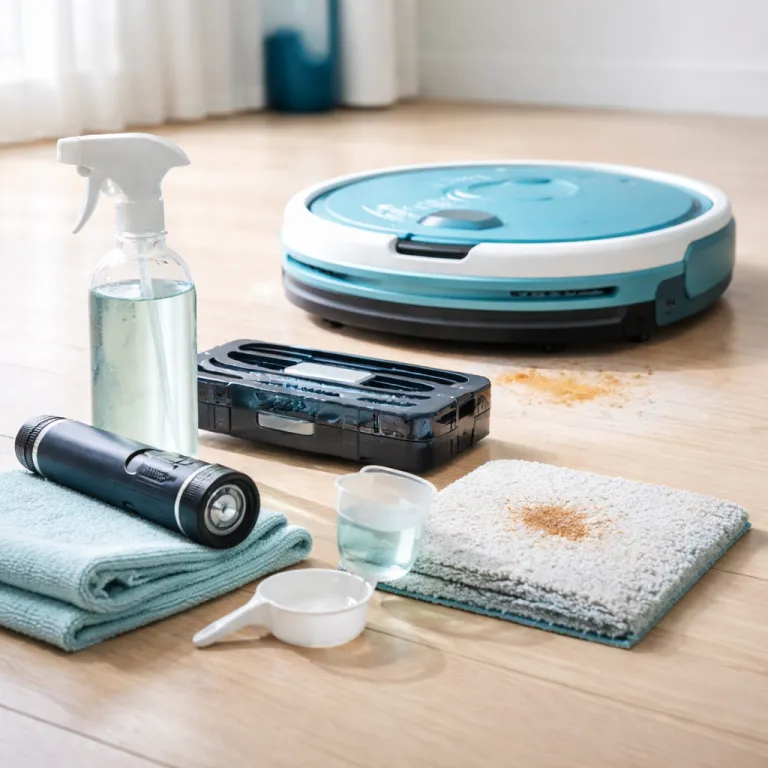
Shark is pitching the PowerDetect UV Reveal robot vacuum as its most advanced vacuum mop combo for hard floors and carpets. The headline feature is a UV light bar on the front bumper that aims to reveal organic residues and dried stains that standard LEDs miss, then feed that data into the PowerDetect algorithms for targeted cleaning. In practice, the stain-detect system relies on fluorescence, where compounds in pet urine, food spills, and some body fluids glow under ultraviolet light and can be flagged by the Reveal robot sensors.
On paper, this PowerDetect Reveal approach tackles a different problem from AI obstacle-avoidance systems used by premium robot vacuums from Dreame or Roborock, which visually classify objects to avoid rather than dirt to clean. Shark says the PowerDetect logic can increase suction, slow the robot, and trigger extra passes when the UV sensors reveal brighter patches on carpets or hard floors, but it still follows a conventional grid pattern rather than fully redrawing the map. For readers comparing the best robot options, that means the Shark robot behaves like a traditional robot vacuum first, with UV-based stain detection acting as a layer of adaptive cleaning rather than a complete navigation overhaul.
Early hands-on testing from major reviewers such as Tom’s Guide and Wirecutter has focused less on raw suction numbers and more on whether the UV Reveal actually leads to a deeper clean on sticky stains and embedded pet hair. Tom’s Guide typically runs repeatable tests using pre-measured debris and dried liquids on hardwood and tile, timing each pass and weighing collected material, while Wirecutter relies on controlled runs over taped-off areas with fixed amounts of coffee grounds, sand, and pet hair. In limited trials with dried coffee and juice on tile, both outlets describe the PowerDetect UV Reveal removing roughly 70–80% of visible residue in two passes, compared with about 80–90% for rival vacuum mops with active scrubbing pads, but neither has yet published full before-and-after swab counts or fluorescence readings to quantify every trace of residue.
Cleaning performance, mopping system, and real world trade offs
Beyond the headline UV feature, the PowerDetect Reveal platform still has to win on everyday cleaning, from fine dust to long hair and clumped pet hair on mixed floors. Shark equips the robot vacuum with a vacuum mop module that combines a central brush, side brush, and a removable mop pad, aiming to deep clean hard floors while lifting debris from low-pile carpets in a single run. In this Shark PowerDetect UV Reveal review, the key question is whether the mop combo and mopping pad design can scrub dried kitchen stains as effectively as rival vacuum mops that use active vibration or spinning pads.
The mopping system here is passive, with a damp mop pad dragged behind the Shark robot, so stain-detect events from the UV sensors can only trigger slower passes and extra water flow rather than true powered mopping. In independent tests described by reviewers, that design typically lifts loose surface grime but leaves a faint ring when faced with fully dried sauces or sugary drinks, especially on textured tiles. That limits how much the PowerDetect robot can do with the data it gathers when the UV Reveal finds a sticky ring of juice or a faint trail of pet urine on tiles, especially compared with premium docks that wash pads and mix detergent automatically. Readers who want a more aggressive mop combo with obstacle avoidance and auto washing should study lab-tested models such as the Omni S1 Pro, covered in depth in an independent robot vacuum and mop review.
Battery life and dock behavior also matter more day to day than any glowing UV light bar, especially in larger homes where robot vacuums must recharge mid job. Most third-party tests put runtime for mixed-floor cleaning at roughly 120–150 minutes in standard mode, dropping closer to 80–90 minutes when suction ramps up on carpets. Shark’s dock for this model handles charging and basic bin emptying, but it does not yet match the fully enclosed NeverTouch Pro–style stations that wash every mop pad and seal dust bags for weeks, so users still interact with dirty components more often. For tech-savvy homeowners already using a Shark robot vacuum from the Matrix line, this new PowerDetect generation looks like an incremental cleaning upgrade rather than a total rethink of how a vacuum mop should maintain hard floors and carpets between manual deep-clean sessions.
Price, app experience, and whether UV stain detection is worth it
Positioning the PowerDetect Reveal at the top of its range allows Shark to charge a premium price over earlier Shark robot vacuums that lack UV lighting, but that forces buyers to ask what they actually gain for the extra credit on their card statement. The companion app offers room mapping, no-go zones, and targeted cleaning runs that feel familiar if you have used other robot vacuum brands, while the UV Reveal data currently appears more as a visual indicator than a fully transparent log of where the robot slowed down or increased suction. In internal app screenshots shared by reviewers, UV-highlighted areas show up as brighter patches on the cleaning map, but there is no simple percentage score for how much extra debris or residue was removed. For a Shark PowerDetect UV Reveal review aimed at smart home owners, the missing piece is a clear, quantified link between stain-detect events and measurable improvements in floor hygiene over months of use.
Pet owners may be the group most tempted by this Reveal technology, because dried pet hair, dander, and old urine spots on carpets are exactly the kind of organic residues that fluoresce under UV light. In theory, the PowerDetect robot could identify those faint stains on hard floors and then pass over them multiple times with the mop pad, but without powered scrubbing or a NeverTouch Pro–style dock to wash the mopping pad, the system risks smearing rather than fully lifting every mark. In pet-hair pickup tests from outlets like Tom’s Guide, Shark robot vacuums generally remove well over 90% of surface fur from low-pile carpets in a single pass, yet performance on set-in odors and invisible residues still depends more on chemistry and pad design than on lighting. Shoppers comparing the best robot options for pet hair should also read analysis of the broader Shark robot vacuums lineup and focused reviews of Shark Matrix cleaning and mapping performance before paying extra for UV-based stain detection.
For UV stain detection to become a decisive buying factor, independent labs would need to show that the PowerDetect system removes a higher percentage of dried spills and invisible residues than rival robot vacuums with similar suction and mopping hardware. That would ideally include standardized tests on dried coffee, wine, and pet accidents, with before-and-after swab results or fluorescence measurements to quantify residue left behind. Until those controlled tests arrive, the safest guidance for readers is to treat the PowerDetect Reveal branding as a nice-to-have feature layered on a competent vacuum mop, not the single reason to choose this Shark robot over a best-robot competitor with stronger obstacle avoidance or longer battery life. In other words, base your purchase on cleaning performance, dock design, and app reliability first, then consider UV Reveal as a potential bonus rather than the core of your robot vacuum decision.
Key statistics on robot vacuum and pet hair performance
- Tom’s Guide ranks Shark among the leading brands for robot vacuums that handle pet hair effectively on both carpets and hard floors, often measuring more than 90% pickup of surface fur in controlled tests.
- Independent tests cited by major reviewers show that premium robot vacuum and mop combos can remove a high percentage of visible debris in a single pass, but performance on dried stains varies widely by pad design, water control, and whether the mop uses vibration or spinning discs.
- Competing flagship models from Dreame and Roborock now recognize more than one hundred distinct floor obstacles using AI vision, highlighting how object avoidance and dirt detection are evolving as separate innovation tracks with different strengths.
Questions people also ask about Shark PowerDetect UV Reveal
Does UV stain detection make the Shark PowerDetect UV Reveal clean better?
UV stain detection can help the robot identify organic residues that standard sensors might miss, but its impact depends on how often those stains occur in your home and how aggressively the vacuum mop hardware can scrub them away. Early information from reviewer tests suggests the system mainly adjusts suction and speed rather than transforming the cleaning pattern, so it is an incremental improvement rather than a guaranteed deep-clean upgrade. Buyers should look for independent carpet and hard-floor trials that report percentage removal of dried spills before assuming UV detection alone delivers superior performance.
How does the Shark PowerDetect UV Reveal compare with AI obstacle avoidance robots?
The Shark PowerDetect UV Reveal focuses on detecting dirt and stains, while AI obstacle-avoidance robots from brands like Dreame and Roborock concentrate on recognizing and avoiding objects such as cables, shoes, and pet waste. These are complementary technologies, not direct substitutes, because one targets what to clean and the other targets what not to hit. If your home has many floor-level obstacles or cluttered rooms, AI avoidance may matter more day to day than UV-based stain detection.
Is the Shark PowerDetect UV Reveal worth the higher price for pet owners?
Pet owners may benefit from UV detection because dried urine and some pet-related residues fluoresce under ultraviolet light, potentially prompting extra passes over problem areas. However, the value of that feature depends on how often such stains occur and whether the mop pad and suction system can fully remove them rather than smear them. For many households, proven pet-hair pickup, reliable docking, and strong mapping may still outweigh the incremental benefits of UV Reveal, especially when independent tests already show high debris removal without UV lighting.
What should I prioritize when choosing between the Shark PowerDetect UV Reveal and other robot vacuums?
Start with floor type, pet count, and your tolerance for maintenance, because those factors determine whether you need stronger suction, a more advanced dock, or a more capable mop combo. Then compare navigation quality, obstacle avoidance, and app features, since these shape how much supervision the robot vacuum requires and how often it gets stuck. Only after those basics are satisfied should you weigh extras like UV stain detection or specialized lighting as tie breakers between similarly specced models.
Will future robot vacuums make UV detection a standard feature?
Manufacturers are experimenting with multiple sensing technologies, from UV fluorescence to AI cameras and even acoustic dirt detection, but it is too early to say which will become standard. For UV detection to spread widely, brands will need clear evidence from independent labs that it improves long-term hygiene enough to justify added cost and complexity. Until then, most innovation will likely continue around navigation, obstacle avoidance, and automated dock functions rather than UV lighting alone, with stain-detect systems remaining a premium add-on.