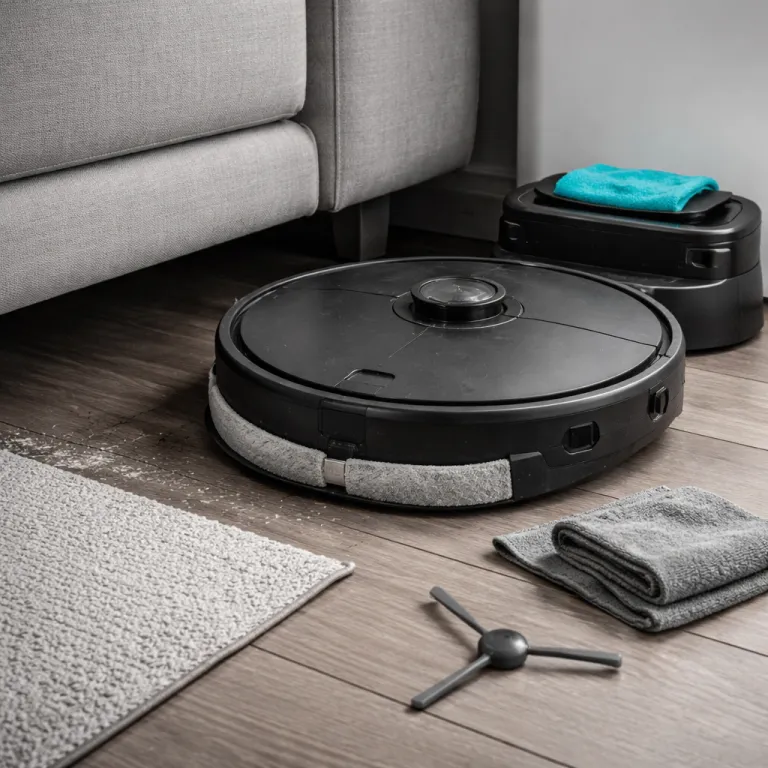
Where the Dreame L50 Ultra actually fits in the robot vacuum wars
The Dreame L50 Ultra arrives with serious expectations for any robot vacuum shopper. It carries a 90 percent carpet deep cleaning score in independent testing, a ProLeap climbing system that handles obstacles up to about 6 centimeters, and a base station that promises almost hands free maintenance. On paper this ultra robot looks like the best robot for busy parents who want floors that simply stay clean.
In this Dreame L50 Ultra long term review, the focus is not launch hype but daily cleaning reality. After six weeks of mixed hard floors and carpet, the Dreame robot shows strong suction around 7 000 Pa, consistent edge coverage from its side brush, and reliable obstacle avoidance that rarely traps the vacuum under chairs. The dock’s automatic dustbin emptying, mop pads washing with hot water, and hot air drying make this one of the top self emptying vacuums for people who hate touching dirt and pet hair.
Context matters when you compare robot vacuums in the current vacuum wars. Dreame Ultra models like this one compete directly with premium vacuum mop systems from Roborock and Ecovacs, while budget rivals such as the Yeedi M14 trade some base station features for a lower price. If you want a sense of how a cheaper ultra robot ages, a detailed long term test of the Yeedi M14 at this budget pick comparison helps frame where the Dreame L50 Ultra earns its higher cost.
Cleaning performance, suction, and real carpet deep cleaning
Raw suction numbers only matter if the robot vacuum actually lifts grit from carpet fibers. In repeated passes over a 2 by 3 meter medium pile rug, the Dreame L50 Ultra matched its lab rated carpet deep cleaning performance, pulling embedded sand and pet hair that cheaper vacuums left behind. The main brush combines rubber fins and bristles, which keeps hair wrapping manageable while still agitating enough dirt for the vacuum to capture.
On hard floors, the Dreame Ultra behaves like a competent vacuum mop rather than a simple sweeper. The rotating mop pads apply steady pressure, and the robot uses clean water from the rear water tank while keeping dirty water isolated in the base station, which preserves mopping performance over longer runs. Parents will notice that dried juice spots and kitchen splatters usually vanish in a single pass, while the side brush flicks crumbs inward instead of scattering them across tiles.
Pet owners care less about marketing and more about whether a robot vacuums reliably handle fur tumbleweeds. In this Dreame L50 Ultra long term review, the robot collected dog and cat pet hair without clogging the brush or choking the suction path, even when runs were spaced two days apart. If you are comparing advanced cleaning solutions for pet owners, a dedicated guide such as the one on choosing the right robot vacuum for pet hair can help you see where this model sits among the rankings best options.
Mopping system, hot water dock, and mop pad economics after 200 runs
The Dreame L50 Ultra’s mopping system is where the base station earns its footprint. Each run starts with the robot docking to saturate the mop pads with hot water, then it returns periodically so the dock can scrub the pads and flush dirty water into a separate tank. This cycle keeps the pads cleaner than simple drag mops, which matters when toddlers crawl on the same floors the robot vacuums and mops.
After roughly 200 full cleaning cycles in this Dreame L50 Ultra long term review, the original mop pads showed visible wear but still delivered even mopping coverage. Fibers at the outer edges thinned first, especially where the ultra robot scrubbed against grout lines and textured vinyl, yet streaking remained rare on both tiles and laminate. For most households, that means budgeting for fresh mop pads about twice a year, which is a quieter cost than the headline price but still part of the real long term performance story.
The dock’s use of hot water and hot air is not just a gimmick for spec sheets. Hot water loosens greasy kitchen residue from the pads, while hot air drying inside the base station reduces the musty smell that plagues many older robot vacuums with passive drying. If you are curious how other brands push dock technology, a technical overview of Dyson robot vacuum innovation at this Dyson robot vacuum technology guide shows where Dreame’s pro ultra style dock sits in the broader cleaning wars.
Navigation, ProLeap obstacle handling, and app behavior after two months
Navigation quality separates the best robot vacuums from the ones that just bump around. The Dreame L50 Ultra uses LiDAR mapping with camera assisted obstacle avoidance, which lets the robot vacuum recognize shoes, toys, and cables before the brush tangles itself. In practice, the robot built an accurate map on the first day and preserved room boundaries and no mop zones through several firmware updates without forcing a full remap.
ProLeap obstacle climbing is more than a marketing term in this Dreame L50 Ultra long term review. The robot consistently climbed 2 centimeter thresholds and thick rug edges, only hesitating on a loose entry mat that bunched under the wheels, while it refused to mount unstable obstacles like stacked charging cables, which actually protects both the robot and your electronics. Compared with some mova ultra and ultra mova competitors that either ram low furniture or get stranded on power strips, this Dreame ultra robot strikes a better balance between assertive climbing and cautious obstacle avoidance.
The app experience matters when you are juggling kids, work, and a noisy household. Over two months, the Dreame app stayed stable on both Android and iOS, kept multi floor maps intact, and reliably pushed notifications when the base station emptied the dustbin or washed the mop pads. Zone cleaning, schedule tweaks, and suction or water flow adjustments all synced within seconds, which is not always true for other robot vacuums that drift offline or forget custom rankings best room settings.
Dock noise, maintenance reality, and value verdict at the current price
The Dreame L50 Ultra’s base station is both its biggest advantage and its main annoyance. When the robot vacuum docks, the station triggers a loud suction burst to empty the dustbin, followed by quieter but still noticeable water pumping and pad scrubbing sounds. The hot air drying cycle runs longer and produces a steady fan noise, which light sleepers may notice if the dock sits near bedrooms.
For a busy parent, the maintenance trade off is mostly positive in this Dreame L50 Ultra long term review. You empty the dirty water tank and refill the clean water tank every few days in a medium sized home, swap the dust bag roughly once a month, and check the main brush and side brush for wrapped pet hair every couple of weeks. Compared with cheaper vacuums that demand hands on cleaning after nearly every run, this pro ultra style system genuinely cuts chore time, though you still need a quick manual clean for corners and high ledges.
Price always frames whether a robot feels like the best choice or just another gadget. At its current street price, the Dreame L50 Ultra undercuts some flagship rivals while offering stronger carpet deep cleaning and a more capable base station than many midrange vacuums. If your home is mostly hard floors with scattered rugs, you want strong suction and reliable mopping, and you can tolerate dock noise in exchange for near autonomous cleaning, this model earns a place near the top of any realistic rankings best list for family friendly robot vacuums.
FAQ
Is the Dreame L50 Ultra too loud for night cleaning in a small apartment ?
The robot itself runs at a moderate noise level that many people can tolerate during evening cleaning. The base station emptying and hot air drying cycles are significantly louder, so apartment dwellers should schedule dock intensive tasks for daytime hours. Placing the base station in a hallway or living room rather than near bedrooms also helps reduce perceived noise.
How well does the Dreame L50 Ultra handle long pet hair on carpets ?
The combination of strong suction and a rubber bristle hybrid brush lets the Dreame L50 Ultra pick up long pet hair without constant clogs. Hair still wraps around the brush over time, but cleaning it every one to two weeks keeps performance high. For multi pet homes with heavy shedding, daily runs prevent hair from matting into carpets between sessions.
Do I need to pre vacuum before using the mopping function ?
You do not need a separate vacuum pass before mopping because the Dreame L50 Ultra vacuums and mops in a single run. However, removing large debris like cereal pieces or building blocks prevents the mop pads from smearing dirt. In very dirty kitchens, scheduling a quick vacuum only pass before a deeper vacuum mop session can improve final results.
How often should I replace the mop pads and filters ?
With regular use several times per week, most households will replace mop pads about twice a year and the main filter every three to six months. Homes with multiple pets or heavy cooking may need more frequent changes to maintain airflow and mopping quality. Checking pad texture and filter discoloration monthly gives a good sense of when performance starts to drop.
Is the Dreame L50 Ultra suitable for homes with mostly high pile carpets ?
The Dreame L50 Ultra performs strongly on medium pile carpets and can handle some high pile areas, but very thick shag rugs may slow its movement. ProLeap climbing helps the robot transition onto taller surfaces, yet deep plush fibers can still reduce maneuverability. In homes dominated by high pile carpet, a traditional upright vacuum may still be necessary for occasional deep cleaning.
Sources
Vacuum Wars, Wirecutter, Which?