

Section 1 – What a Roomba robot hoover really is today
A modern Roomba robot hoover is no longer a simple gadget. This compact robot vacuum now combines drop sensors, obstacle detection, mapping software, and, in some models, a coordinated vacuum mop combo to handle daily dust and deeper cleaning. For a person seeking information, understanding how each Roomba model behaves on real floors is the first step toward a confident purchase.
Every iRobot Roomba robot hoover uses a numbered Roomba series to signal its capabilities. Lower series number machines such as the Roomba 600 line focus on essential vacuum cleaner functions, with suction typically around 600–900 Pa and a bin close to 0.35 l, while higher Roomba series devices like the Roomba j7 or Roomba s9 add stronger suction (up to roughly 2,000–2,500 Pa equivalent on premium units), smarter navigation, and sometimes a mop combo for hard floors. When you compare one Roomba robot to another, always check the exact model number and the serial number on the bin or under the robot to verify what you will receive.
The core of any Roomba robot hoover is its cleaning system. Brushes and suction work together to pull debris into the dust bin, and the robot then returns to its dock when the battery runs low. Typical runtimes range from about 60 minutes on entry level robot vacuum cleaners to around 120 minutes on higher end models, enough for many small and mid sized homes. Some advanced robot vacuum cleaners, including Roomba models with Clean Base stations, include a robot autoempty feature with an autoempty dock, so the dock itself vacuums the bin and stores dust for weeks.

Section 2 – How a Roomba robot hoover changes everyday routines
Once you turn a Roomba robot hoover into part of your routine, floor care becomes largely automatic. You schedule the robot vacuum in the app, then the robot will leave the dock, clean each room, and return to recharge without further input. Over time you learn Roomba behaviour in your home, noticing which step of the route it takes first and how it adapts to obstacles such as chair legs, cables, or pet bowls.
For many households, the biggest shift is psychological rather than technical. Instead of planning a weekly deep cleaning session, you rely on the Roomba robot to run several short cycles, keeping dust levels low and the bin manageable between manual interventions. A detailed guide on how a Roomba robot vacuum reshapes everyday home cleaning explains how this change in rhythm benefits allergy sufferers and busy families, especially when the robot runs three to five times per week.
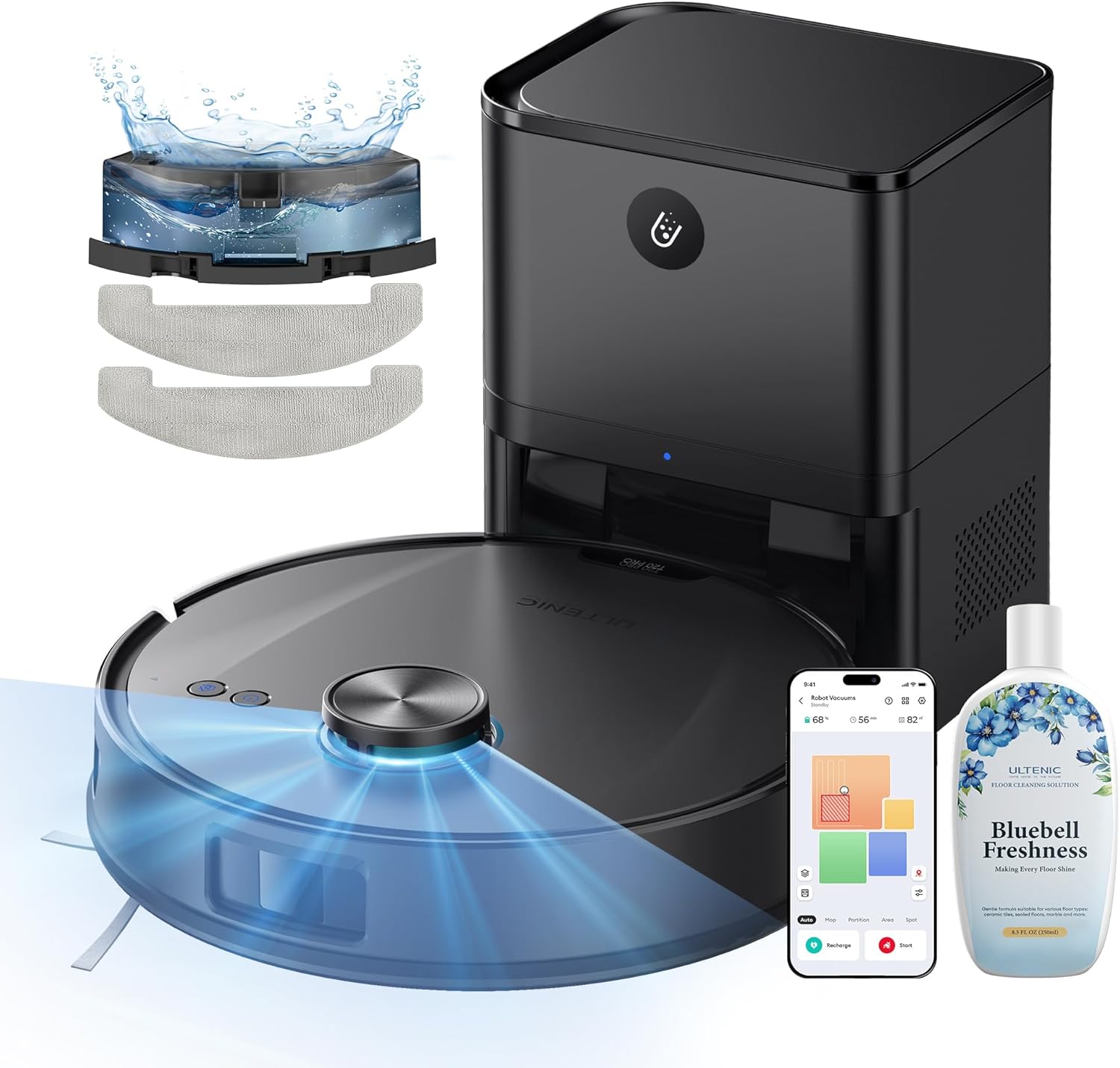
Combo robot designs extend this routine further by adding a mop function. A Roomba combo robot hoover such as the Roomba Combo j7+ can vacuum and mop in a single pass, using a water tank of around 200–250 ml and a washable mop pad to tackle dried spills on tiles or laminate. When you select a vacuum mop combo model, check whether the mop bin is separate from the dry bin and how easy it is to remove each part for cleaning, because this affects how quickly you can refill water or empty debris.
Section 3 – Choosing the right iRobot Roomba series and model
Selecting the best Roomba robot hoover starts with clarifying your priorities. If you mainly need a robot vacuum for carpets and pet hair, a mid range Roomba series with strong suction, a large bin of around 0.4–0.5 l, and tangle resistant rubber brushes may be enough. Households with mixed floors and frequent spills often prefer a Roomba combo model that integrates a mop for hard surfaces.
Within each iRobot Roomba series, the model number signals incremental upgrades. A higher number usually means a more powerful vacuum, smarter mapping, or a more advanced dock such as an autoempty dock or even an autowash dock in the latest combo robot ranges. When you compare a Roomba robot to a rival robot vacuum, resources like the analysis of Roomba versus Roborock strengths help you see where each brand still leads in navigation, suction, or dock sophistication.
Premium Roomba max configurations sometimes bundle a robot autoempty base with a mop capable head, creating a max combo package for demanding homes. These Roomba max and max combo offers usually cost more at purchase, but they reduce manual bin emptying and mop maintenance time. Before you shop Roomba options, list your floor types, room number, and storage space for the dock so you match the Roomba series to your real environment and avoid buying a station that is too tall or wide for your hallway or utility room.
Section 4 – Understanding docks, autoempty systems, and autowash features
The dock is the silent partner of every Roomba robot hoover. A basic dock simply charges the robot, while an autoempty dock also vacuums the bin contents into a larger bag or container that can hold the equivalent of many standard bins. High end combo robot stations add an autowash dock function, rinsing the mop pad and refilling the water tank automatically.
When you shop type of dock, think about how often you want to handle dust and dirty water. A standard dock suits smaller flats where the robot vacuum runs less frequently and the bin fills slowly, so manual emptying remains manageable. In larger homes or with pets, a robot autoempty system and autowash dock reduce contact with allergens and keep the vacuum mop combo ready for the next run by cleaning pads and topping up water without extra effort.
Some Roomba combo models integrate all these features into a single tall base station. This kind of Roomba max combo dock can charge the robot, empty the bin, wash the mop, and sometimes even dry the pad to limit odours and mildew. When you turn the robot on for the first time, follow each step in the manual so the dock sensors, the serial number registration, and the cleaning cycles all synchronise correctly and the robot can find its way back reliably.
Section 5 – Buying a Roomba robot hoover: payment, trade in, and where to shop
People often focus on suction power and forget the financial side of a Roomba robot hoover purchase. Retailers and the official iRobot shop Roomba site frequently offer instalment payment options, letting you spread the cost of a premium robot vacuum or Roomba combo over several months. When you choose such a payment plan, read the terms carefully to know when you will receive the robot and how any late payment fees work.
Some programmes allow you to trade in an older Roomba robot or other vacuum cleaners. In these cases you may receive credit toward a new Roomba series model, especially when upgrading to a Roomba max or max combo package with an autoempty dock or autowash dock. Always confirm how much trade in credit you will receive and whether the final credit number depends on the condition of your existing robot, including battery health and visible wear.
Where you shop matters for support and warranty. Buying directly from the official iRobot shop or an authorised shop type of retailer ensures that the serial number is valid, that you will receive genuine parts, and that any future bin, mop, or dock replacements match your exact model. Keep your invoice and serial number together so customer service can quickly learn Roomba details about your unit if problems arise, such as reduced runtime or docking errors.
Section 6 – Daily use, maintenance, and how to learn Roomba behaviour
Living with a Roomba robot hoover involves small habits that keep performance high. Emptying the bin regularly, cleaning the main brush, and checking the mop pad on a Roomba combo or other combo robot all help the vacuum maintain suction and coverage. If your model includes a robot autoempty base, you still need to replace the bag in the autoempty dock when the indicator shows it is full, which for many homes happens every 30–60 days.
The app is where you truly learn Roomba patterns. Mapping runs show how the robot vacuum navigates each room, and you can adjust no go zones or schedule changes when furniture moves or a new rug appears. Over several weeks you will see which Roomba series or specific model handles tight spaces best, and you can fine tune where you want the robot to mop or avoid water, for example around carpets or delicate wooden floors.
Advanced Roomba max and max combo systems integrate with voice assistants, letting you turn the robot on or off with a simple command. You can send the Roomba robot to a specific room, then have it return to the dock once that step of cleaning is complete. If you are comparing this experience with other brands, a detailed review of an alternative flagship such as the Ecovacs Deebot X8 Pro Omni on a demanding homes robot vacuum review offers useful context on how different ecosystems handle mapping, docks, and maintenance.
Key statistics about Roomba robot hoovers and robot vacuum cleaners
- Market research from Statista reports that robot vacuum cleaners account for more than 25% of all vacuum cleaners sold globally in recent years, showing how quickly the robot vacuum category has moved from niche to mainstream. The exact percentage varies by year and region, but the trend remains upward.
- iRobot has stated in financial reports that over 40 million Roomba robot units had been sold worldwide by early 2023, which means a large installed base and ongoing support for parts, docks, and software updates across multiple Roomba series generations.
- Independent lab tests by organisations such as Consumer Reports often find that premium Roomba series models like the Roomba s9+ remove over 90% of surface debris from hard floors in a single pass, a level that rivals many corded vacuum cleaners in controlled test conditions.
- Surveys of robot vacuum owners published by major consumer magazines indicate that users who run their robot at least three times per week report up to 50% less visible dust on floors compared with those who rely only on occasional manual vacuuming, especially in homes with pets or children.
FAQ about Roomba robot hoovers
How does a Roomba robot hoover differ from a standard vacuum cleaner ?
A Roomba robot hoover moves autonomously, using sensors and mapping to navigate rooms, while a standard vacuum cleaner requires manual pushing and steering. The robot vacuum handles frequent light cleaning, and you keep a traditional vacuum for stairs or upholstery. Many households use both tools, with the Roomba robot maintaining floors between occasional deep cleans.
Is a Roomba combo robot with mop function worth the extra cost ?
A Roomba combo or other combo robot becomes valuable if you have large hard floor areas that collect spills and footprints. The vacuum mop combo saves time by handling dust and light mopping in one run, though it does not replace manual scrubbing for stubborn stains. If most of your home is carpet, a non combo Roomba series model may offer better value.
How often should I empty the bin and clean the dock ?
For Roomba robot hoovers without an autoempty dock, empty the bin after every one or two full cleaning cycles, especially if you have pets. With a robot autoempty base, you can usually wait several weeks before changing the bag, depending on dust levels and run frequency. Wipe the dock sensors and charging contacts monthly so the robot can dock and charge reliably.
What should I check before I purchase a Roomba robot hoover ?
Before you purchase, confirm the exact model number, the included dock type, and whether the package is a Roomba max or max combo configuration. Verify that the serial number is visible and that you will receive all promised accessories such as extra filters, mop pads, or bags. Finally, read the payment and warranty terms so you know how returns, repairs, and any trade in or receive credit offers work.
Can a Roomba robot hoover replace manual mopping completely ?
Even the most advanced Roomba combo robot or other vacuum mop combo cannot fully replace manual mopping for heavy dirt. These robots excel at maintaining cleanliness by removing light dust, footprints, and small spills before they accumulate. You still need occasional manual mopping in kitchens, bathrooms, and high traffic areas where grime builds up over time.
Quick comparison: which Roomba type suits different homes?
| Use case | Recommended Roomba type | Main pros | Key trade offs |
|---|---|---|---|
| Small flats with mostly hard floors | Entry or mid range Roomba robot hoover with standard dock | Lower price, compact dock, enough runtime for limited space | Smaller bin, no autoempty or autowash features |
| Homes with pets and mixed floors | Mid to high range Roomba series, preferably with robot autoempty base | Stronger suction, better hair pickup, less frequent bin handling | Taller dock, higher upfront cost |
| Busy families and large houses | Roomba max combo system with autoempty and autowash dock | Vacuum and mop in one, minimal manual maintenance, long runtime | Highest price, requires more floor space for the dock |