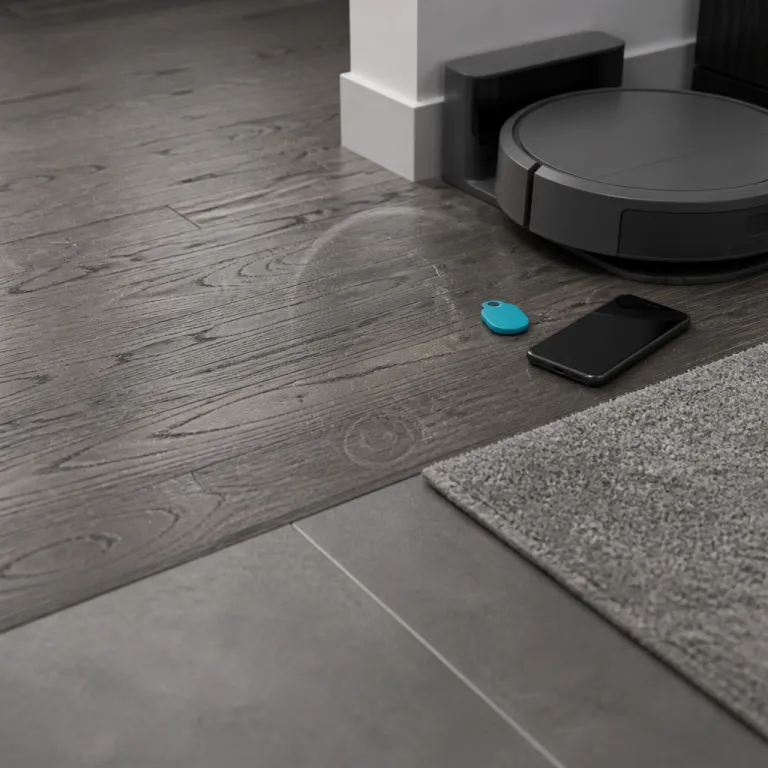
When the app owns your floors, not the robot
The real story behind robot vacuum app brand ecosystem lock-in starts on your phone, not on your carpet. A modern robot vacuum is a connected robot, a rolling IoT device that depends on an app for maps, schedules, and every smart cleaning trick you actually care about. Once those maps and routines live inside one brand’s apps, switching robot vacuums stops being a simple hardware swap and becomes a full reset of your home’s cleaning brain.
Take iRobot Roomba as a concrete example, because its app robot ecosystem is one of the most mature and also one of the most confining. The Roomba app builds detailed floor plans based on LiDAR or camera navigation, then lets the user name rooms, draw keep out zones, and set cleaning preferences room by room, yet those data rich maps cannot be exported to another robot vacuum or even to other devices from different brands. That means your next vacuum cleaner from another company starts blind, while your old cleaning robot retires with years of carefully tuned user experience locked away in a proprietary cloud.
This is what lock in looks like in practice for a tech savvy homeowner running smart homes with Alexa or Google Home routines. The robot vacuum app brand ecosystem lock-in extends beyond maps to voice control scenes, cross platform automations, and even which mobile notifications you trust enough to act on in real time. Once your smart cleaning schedule is based on one app’s logic, from iRobot or any rival, every future purchase decision quietly tilts toward staying inside that same app robot universe.
Roomba, updates, and the long tail of ownership
With iRobot Roomba, the app is not just a remote control, it is the operating system for your floors. A firmware update can change how aggressively the device tackles carpets, how it handles chair legs, or whether it supports new smart homes integrations like Amazon Alexa or Google Home. When you buy a robot vacuum, you are really buying into years of firmware updates and app redesigns, and that is where robot vacuum app brand ecosystem lock-in quietly tightens.
Some Roomba models, such as the Roomba j7 and Roomba s9, have received meaningful firmware updates that improved obstacle avoidance, tweaked suction profiles, and refined room based cleaning, while older vacuums in the same family saw fewer improvements. That firmware update gap matters because two robot vacuums that look similar on paper can diverge sharply after a year of app driven tuning, and the user only sees the end result as better or worse user experience. When a brand stops pushing updates, the smart cleaning device you own becomes frozen in time while the app around it keeps evolving.
Before you commit to any cleaning robot, scroll through the app’s update history in the Apple App Store and Google Play Store. Look at how often the company ships bug fixes, how transparent the changelog is about data handling, and whether new features arrive for older devices or only for the latest robot vacuum flagships. For a deeper look at how software and service layers reshape ownership, a detailed analysis of a service style assistant for Roomba on this Roomba ownership guide shows how tightly the app, cloud, and customer service are now intertwined.
Accessories, standards, and the illusion of openness
Hardware lock in still matters, even in a world obsessed with apps and IoT dashboards. Many robot vacuum ecosystems rely on brand exclusive accessories such as dust bags, side brushes, and filters that cost far more than generic equivalents, and some docks or self emptying bases only accept OEM parts that keep the user paying a premium. When your cleaning robot needs a new bin or brush every few months, that accessory pricing quietly reinforces robot vacuum app brand ecosystem lock-in by making it financially painful to maintain multiple brands of vacuums at once.
Smart home standards promise to loosen that grip, but the reality is mixed. Matter and Matter support aim to give a common language for devices, while Apple HomeKit, Amazon Alexa, and Google Home provide the voice control layer that sits above each app, yet most robot vacuums still require their own apps for advanced features like room based cleaning, no go zones, and detailed data analytics. Even when a robot vacuum advertises Matter support or Apple HomeKit compatibility, the user experience for mapping, firmware update management, and real time notifications usually remains locked inside the original mobile app.
Cross platform control is improving, but it does not erase the sunk cost of years of maps and schedules. If you run routines that start a vacuum cleaner when your Apple Watch detects you leaving home, or when Alexa Google routines sense that the TV is off, those flows are built around one specific app robot integration. When you evaluate a new Roomba model such as the Roomba Combo j9+ or a competing cleaning robot like the DustCompactor style models reviewed in this Roomba DustCompactor comparison, you should weigh not just suction and battery but also how well each ecosystem plays with your existing devices and smart homes standards.
Security, switching costs, and how to shop the ecosystem
Lock in is not only about convenience and cost, it is also about risk. A robot vacuum is an always connected IoT device that maps your home, logs cleaning patterns, and often uploads that data to the cloud, so a weak security posture can turn convenience into exposure. When a major brand suffers a cloud flaw that exposes millions of robot vacuums to remote takeover, as detailed in this analysis of a robot vacuum cloud vulnerability, the tight coupling between app, firmware, and devices suddenly looks far less benign.
Switching costs are higher than most buyers expect, especially for tech savvy homeowners who have built elaborate routines. If you move from one robot vacuum brand to another, you usually lose maps, schedules, cleaning history, and any augmented reality style room labels that some apps now overlay on your floor plans, and you must retrain the new device from scratch. That friction keeps many users inside a single brand, even when they are unhappy with customer service, accessory pricing, or the pace of firmware updates.
There is also a broader ecosystem picture that includes other categories such as connected lawn mowers and indoor air purifiers. Once a company convinces you to run its app on every mobile device in the house, from phones to tablets and even an Apple Watch, the robot vacuum app brand ecosystem lock-in extends across your entire smart cleaning stack. To shop wisely, you should treat the app as the primary product, evaluate app ratings over time, read community forums about long term support, and remember that the best robot vacuum is the one that still fits your life after three years of updates, not just the one that looks clever on day one.
Key figures on robot vacuum ecosystems and lock in
- Market analysts report that more than 70 % of robot vacuum owners use the companion app at least once per week, which shows how central the app has become to everyday cleaning routines and reinforces the impact of robot vacuum app brand ecosystem lock-in on long term satisfaction.
- Surveys of smart home users in the United States indicate that over 60 % connect their robot vacuums to at least one voice assistant such as Amazon Alexa or Google Home, meaning that voice control routines and cross platform automations now play a major role in perceived user experience and switching costs.
- Industry data suggests that premium robot vacuums can receive firmware updates for three to five years after launch, while many budget models see meaningful updates for less than two years, creating a firmware update gap that directly affects navigation quality, smart cleaning features, and security posture.
- Consumer watchdog investigations have found that OEM replacement parts for robot vacuums, including filters and brushes, can cost two to four times more than compatible third party accessories, which amplifies hardware based lock in when brands restrict or discourage the use of non OEM components.
- Security researchers have documented multiple cases where vulnerabilities in cloud infrastructure or mobile apps exposed remote control functions for connected cleaning devices, underlining that every additional IoT device, from robot vacuums to robotic lawn mowers, increases the importance of robust security practices and transparent support policies.