
How robot vacuum carpet boost mode detection actually works
Automatic carpet boost sounds simple, but the way each robot decides when to ramp suction is surprisingly complex. Most robot vacuums blend pressure sensors in the wheels, changes in brush vibration, and sometimes ultrasonic or optical signals to tell a carpet from hard floors, and that mix strongly shapes cleaning performance in real homes. When you watch a robot vacuum cross from tile into a living room rug, you are really seeing a chain of tiny measurements that trigger more suction power, faster brush roll spin, and a different strategy for handling dust and dirt buried in carpet fibers.
On basic models, carpet detection often relies on wheel resistance alone, so the robot only notices thicker pile carpets or very high pile rugs that slow it down. Midrange robot vacuums usually add acoustic sensors near the brush, listening for the different sound that brushes make when they hit carpets instead of hard floors, which helps them react more quickly when they meet medium pile runners or thinner carpets. Premium models layer in ultrasonic or infrared surface scanning, so the robot can map where carpets sit in your home and preemptively plan carpet cleaning passes with carpet boost before the wheels even feel a change in pile height.
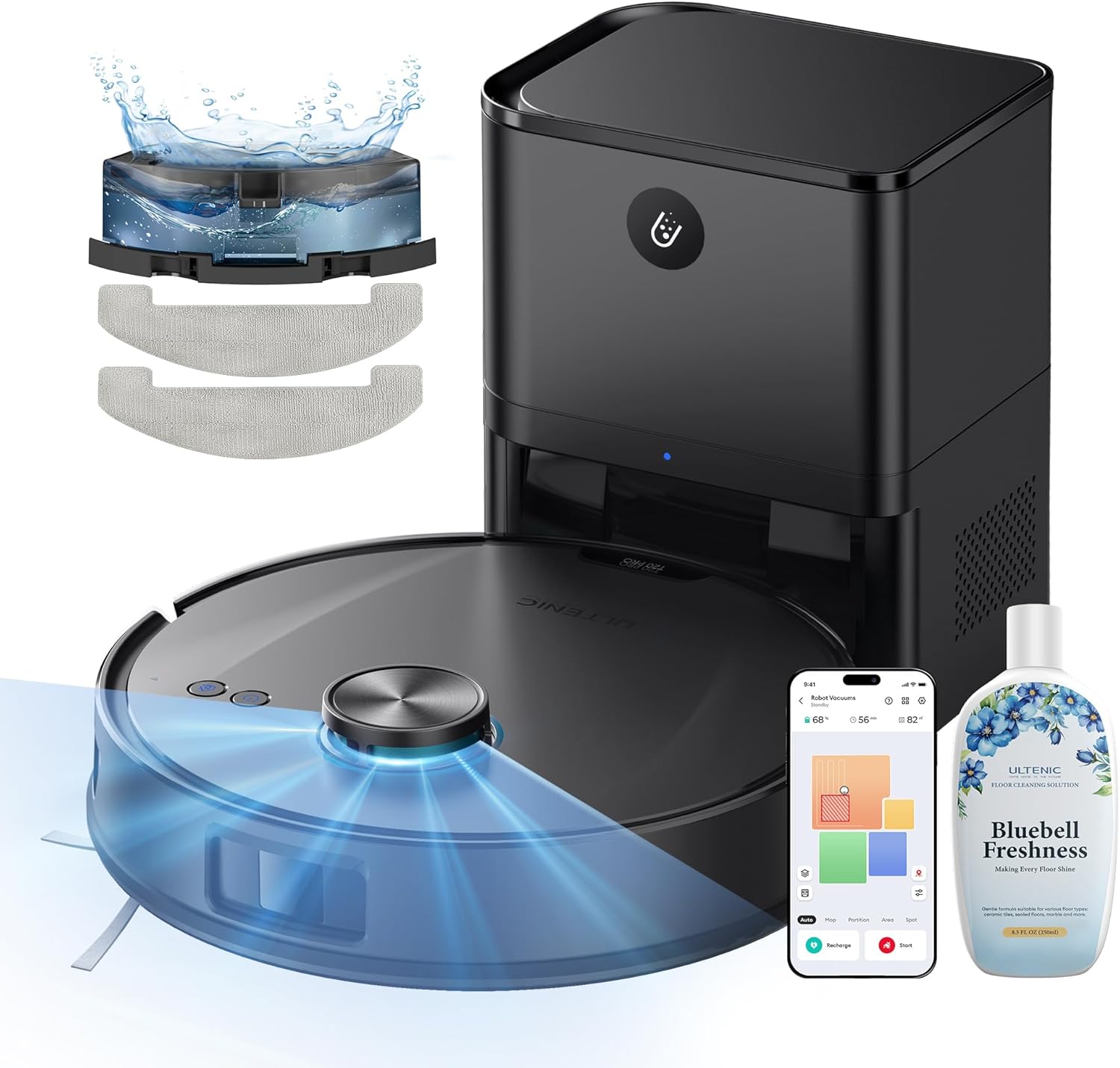
The Roborock Saros 20 Sonic is the current spec sheet headline, pushing suction to 36 000 Pa in its most aggressive power carpet mode. That ultra high suction power is impressive on paper, but the real question is how quickly its carpet detection logic moves from quiet hard floors mode into full carpet boost when it hits thick carpets or dense pile carpets. In testing style scenarios, the difference between a one second and a three second delay at the edge of a carpet can leave a visible line of pet hair and dust that you will notice every time you walk through the living room.

Transition lag, noise spikes, and what you actually hear at home
The most overlooked part of robot vacuum carpet boost mode detection is timing, because the robot only helps you if it boosts suction before it has already rolled past the dirtiest strip of carpet. Some robot vacuums take two or three seconds to recognize carpets after the front brush touches the fibers, which means the first twenty to thirty centimeters of pile may be cleaned with hard floors suction instead of full carpet boost. That lag shows up as a faint but persistent band of embedded dirt and pet hair along the leading edge of area rugs, especially in busy living room walkways.
Noise is the second trade off that spec sheets rarely explain clearly, since carpet boost can turn a quiet robot vacuum into something that sounds closer to a compact upright vacuum. When suction power jumps from an eco level to a turbo level on high pile carpets, the motor pitch rises sharply and the airflow through the brush roll housing gets louder, which is very noticeable in open plan homes where the kitchen and living room share one space. If you run set cleaning schedules during early mornings, that noise spike when the robot hits carpets can be the difference between background hum and a wake up call.
Different models handle this balance in different ways, and the best robot vacuums let you tune carpet cleaning behavior in the app. Some brands allow you to cap maximum suction on carpets, trading a little cleaning performance for a quieter pass on medium pile rugs, while others let you disable automatic carpet detection entirely and use a fixed power carpet profile. If you are trying to choose between several options for mixed floor types, a detailed comparison of robot vacuums for multi surface homes can help you see which models manage that noise versus suction trade off more gracefully than their rivals.
Low pile, medium pile, and high pile carpets do not need the same boost
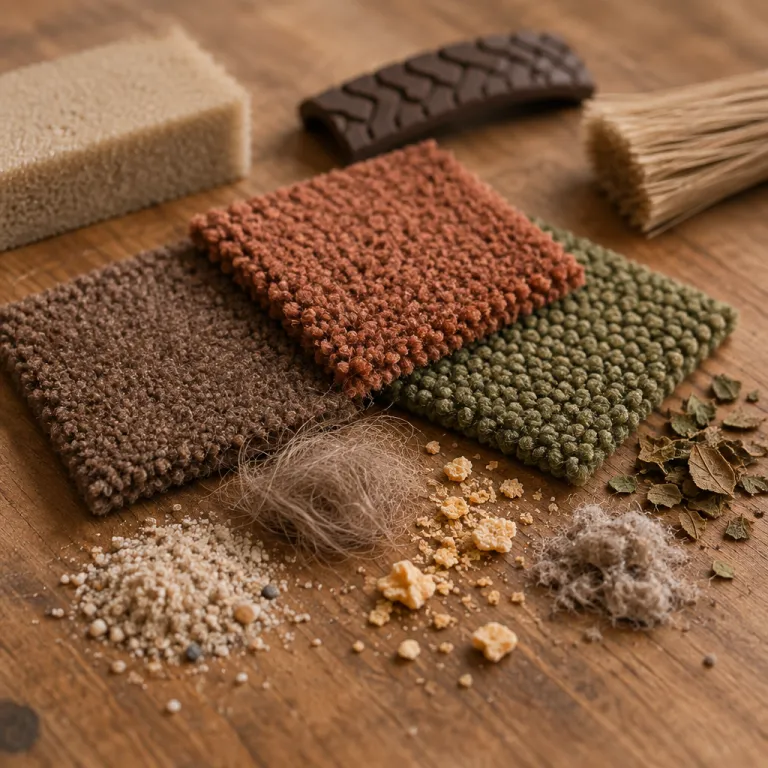
Not every carpet benefits equally from aggressive robot vacuum carpet boost mode detection, so matching suction to pile height matters more than chasing the highest Pa rating. Low pile carpets and flat weave rugs usually release dust and dirt with moderate suction power and a well designed brush roll, which means constant maximum power can be overkill that only adds noise and drains the battery. High pile and shag carpets, by contrast, trap pet hair deep in carpet fibers, so they genuinely need stronger suction and slower passes to reach a truly clean state.
Medium pile carpets sit in the middle, and they are where many robot vacuums either shine or struggle, because the fibers are long enough to hide dust but short enough to tangle brushes if the design is poor. A robot vacuum with a rubber brush instead of bristled brushes tends to resist hair wrapping better on these surfaces, especially in homes with multiple pet companions that shed constantly. When carpet detection works correctly, the robot can raise suction only on those medium pile zones, keeping noise lower on hard floors while still delivering strong carpet cleaning performance where it counts.
High pile carpets and thick carpets introduce another challenge, since some robots sink slightly into the pile and lose maneuverability, which can stall the brush rolls or cause the robot to declare an error. In those cases, a model with adjustable height for the main brush and wheels that maintain traction on soft pile carpets will outperform a robot that only relies on raw suction. If your home mixes hardwood, tile, and several high pile rugs, it is worth reading expert analysis on choosing the best robot cleaner for hard floors and then checking whether those same models maintain their composure when they climb onto plush carpets.
Area rugs, edge bands, and handling mixed floors in real rooms
Most marketing photos show a robot vacuum on a single pristine carpet, but real homes mix hard floors, runners, and area rugs that confuse simple carpet detection. Thin rugs with low pile can feel almost like hard floors to the wheels, so some robots never trigger carpet boost and instead glide over with standard suction, leaving behind fine dust and pet hair that cling to the fibers. On the other hand, very dark rugs can trick optical sensors into thinking they are cliffs, which makes the robot avoid them entirely unless you adjust sensitivity in the app.
Edge performance is another place where robot vacuum carpet boost mode detection shows its limits, because the robot often starts boosting only after the front wheels are fully on the carpet. That means the border where hard floors meet carpets in the living room can accumulate a narrow band of dirt that neither surface mode handles perfectly, especially if the robot’s side brush flicks debris onto the carpet before suction ramps up. Some models compensate by running a second pass along carpet edges with higher suction power, but you usually have to enable that behavior manually in the set cleaning options.
If your home has several small rugs scattered across open hard floors, look for robot vacuums that let you draw carpet zones on the map so the robot can preemptively apply carpet boost when it enters those rectangles. This approach bypasses pure sensor based carpet detection and gives you more control over where the robot spends its battery and noise budget. It also pairs well with room by room cleaning schedules, where you can tell the robot to run a quick low power pass on the kitchen tile and then a slower, higher suction pass on the living room carpets during times when noise is less of a concern.
Battery life, coverage, and when to override automatic boost
Every time carpet boost kicks in, your robot vacuum trades battery life for deeper carpet cleaning, and that trade off is not always worth it. On a typical midrange robot, maximum suction on carpets can cut run time by a third compared with standard power on hard floors, which means fewer square meters cleaned per charge in homes with many carpets. If you have a large floor plan with several high pile rugs, the robot may need to return to the dock mid job, leaving some rooms untouched until the next cycle.
That is why manual control over suction power and carpet detection is more than a nice extra, because it lets you decide when to prioritize coverage over intensity. In a mostly hard floors apartment with one medium pile rug in the living room, you might disable automatic carpet boost and instead schedule a weekly high power carpet cleaning run focused only on that zone. Conversely, in a house full of thick carpets and pets that shed heavily, you may want to force maximum suction on all carpets every day, accepting shorter battery life in exchange for consistently clean carpets and less embedded pet hair.
Many better models now offer per room suction settings, so you can run eco mode on bedrooms with bare floors and turbo mode on pile carpets in shared spaces, which keeps overall energy use reasonable. Some robots also let you cap the top suction level that carpet boost can reach, creating a middle ground between quiet operation and strong cleaning performance. When you experiment with these settings over a few weeks, you quickly see how robot vacuum carpet boost mode detection interacts with your actual dirt patterns, not just the lab tests that manufacturers highlight.
Brush design, pet hair, and keeping multi surface floors truly clean
Suction alone does not decide how well a robot vacuum cleans carpets, because the brush system determines how much dirt and hair the airflow can actually lift. A well engineered brush roll agitates carpet fibers just enough to free dust and pet hair without wrapping itself in long strands, which is why many newer models use rubber fins instead of dense bristles. When carpet detection triggers boost mode, that combination of stronger suction and more aggressive brushing is what finally pulls debris from deep in pile carpets.
Homes with pets push these systems hardest, since pet hair tends to weave into carpet fibers and wrap around brushes, especially on high pile and medium pile rugs. Robot vacuums with dual brush rolls can grab more hair in one pass, but they also need better anti tangle design to avoid constant maintenance, so look for models that let you pop out the brushes without tools for quick cleaning. If you often find hair wrapped around the brush after a run, consider raising the vacuum height slightly on thick carpets or reducing suction power a notch, which can reduce friction and still leave the carpets acceptably clean.
Multi surface homes also benefit from robots that can mop hard floors while still respecting carpets, using carpet detection to lift the mop pad or avoid rugs entirely. In those cases, accurate robot vacuum carpet boost mode detection prevents wet mops from dragging across clean carpets and keeps dirty water away from delicate fibers. The goal is a system where the robot glides from tile to carpet to hardwood, automatically adjusting suction, brush behavior, and mop position so that every surface ends the day looking clean without you babysitting the process.
Key figures on carpet boost modes and automatic detection
- Many mainstream robot vacuums lose roughly 30 to 40 percent of their advertised run time when carpet boost runs continuously on mixed floors, compared with eco mode on hard floors, according to manufacturer battery specifications.
- Premium models that advertise suction levels above 5 000 Pa often show only marginal gains of 5 to 10 percent in measured carpet cleaning performance over well tuned 3 000 Pa models in independent lab tests, highlighting the limits of raw suction specs.
- Transition lag from hard floors to carpets typically ranges from under one second on high end robots with ultrasonic carpet detection to around three seconds on entry level models that rely only on wheel resistance, based on timing in controlled obstacle courses.
- Noise measurements for carpet boost modes usually climb from about 55 to 60 dB in standard suction to 65 to 70 dB in maximum power modes, which subjectively feels about twice as loud in quiet living rooms.
- Robots with dual rubber brush rolls tend to reduce hair wrap incidents on carpets by roughly 50 percent compared with single bristle brush designs, according to teardown style comparisons and long term user reports.
FAQ about carpet boost modes and automatic surface detection
Does carpet boost really make carpets cleaner than standard suction?
Carpet boost usually improves cleaning performance on medium pile and high pile carpets, because higher suction and more aggressive brushing pull dust from deeper in the fibers. On low pile rugs and flat weaves, the difference is smaller, so you may not see a dramatic change in visible dirt pickup. The biggest gains appear in homes with pets, where carpet boost helps remove embedded pet hair that standard suction often leaves behind.
Will carpet boost damage delicate rugs or carpet fibers over time ?
Most robot vacuums are gentle enough that carpet boost does not damage typical synthetic carpets, but very delicate wool or antique rugs can be more sensitive. If you notice fuzzing or loose fibers after several runs, lower the suction power for that room or mark the rug as a no go zone in the app. You can also switch the robot to a lower power carpet mode for those specific areas while keeping full boost on more durable carpets.
Why does my robot vacuum get louder on carpets even with boost disabled ?
Robots often sound louder on carpets because the airflow path changes when the brush and suction inlet press into the pile, even if the motor speed stays the same. The fibers create more turbulence and resistance, which raises the perceived noise level in the room. If the sound is still too intrusive, try lowering suction one step or scheduling cleaning runs when the living room is empty.
How should I set carpet boost if I have mostly hard floors with a few rugs ?
In homes with mostly hard floors and a couple of area rugs, it often makes sense to limit automatic carpet boost and instead schedule targeted high power passes. You can draw zones around the rugs and run a weekly or twice weekly deep clean with higher suction just for those areas. The rest of the time, standard suction on hard floors keeps dust under control without unnecessary noise or battery drain.
Is maximum suction always better for thick carpets and pet hair ?
Maximum suction helps on very thick carpets with heavy pet hair, but it is not the only factor that matters. Brush design, carpet detection accuracy, and how slowly the robot moves across the pile all influence how much dirt it actually removes. Many well tuned midrange models with moderate suction and good brushes can match or beat ultra high spec robots on real world carpets, especially when you fine tune their cleaning settings.