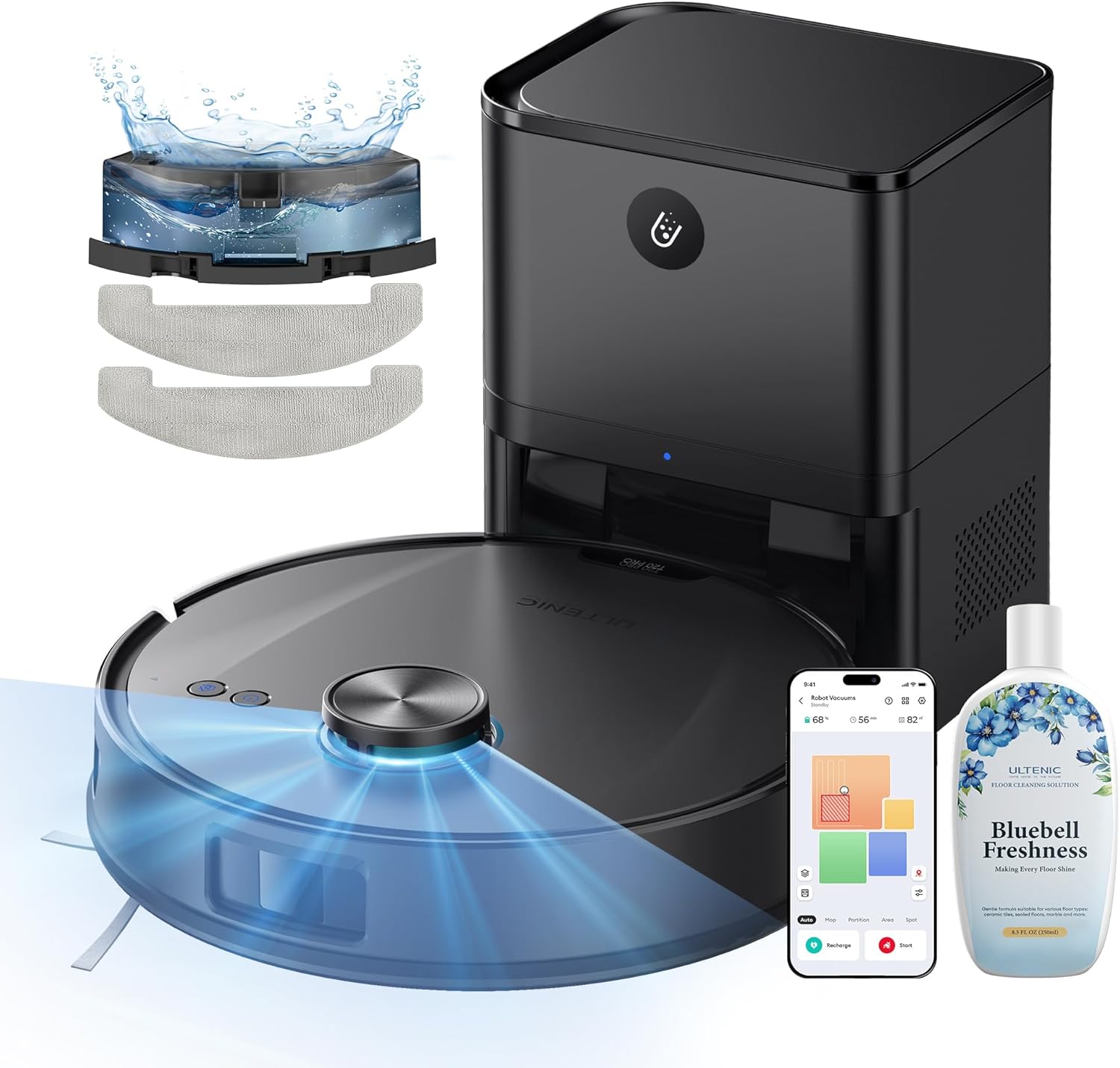

Smart cleaning schedules for robot vacuums: how to get professional-level results
Robot vacuums promise effortless cleaning, yet many owners still feel their house never looks fully clean. When you design a smart cleaning schedule around your rooms, your time at home, and your other cleaning tasks, the same devices suddenly feel like a professional service working quietly in the background. This shift from random use to structured smart cleaning turns a simple gadget into a reliable floor care system that supports both residential cleaning and busy work routines.
Most people run their cleaning devices only when floors look dirty, which wastes time and battery and rarely achieves deep cleaning. A smarter approach treats the robot as part of a wider cleaning solutions plan, where recurring cleaning runs at fixed times and manual tasks such as dusting or bathroom scrubbing fill the gaps. In this model, your robot vacuum becomes the core of an always available cleaning assistant that keeps the house under control while you focus on work or family.
Think of your robot as a small autonomous team that handles repetitive cleaning tasks with consistent quality. You decide which areas need daily attention, which rooms require weekly deep cleaning, and which commercial style high traffic zones demand multiple passes, then you let the technology execute. This mindset mirrors how a professional cleaning service or commercial cleaning company plans its cleaning processes, but you adapt it to a single home and a single set of smart devices.
Daily smart cleaning for busy homes and small apartments
Daily smart cleaning works best in homes where crumbs, pet hair, or sand appear constantly, especially in compact apartments or beach houses. In these spaces, scheduling your robot to clean the main living areas once or twice a day keeps floors presentable and reduces the need for emergency manual cleaning. You effectively create a mini residential cleaning service that runs while you cook, work, or sleep.
Start by mapping the house and defining zones such as kitchen, hallway, living room, and entry areas, then assign different cleaning services to each zone. High traffic areas like kitchens or entrances near a beach can receive daily or twice daily passes, while bedrooms might only need a quick clean every second day. This zoning approach mirrors office cleaning or commercial cleaning strategies, where professional teams focus more time on corridors and shared spaces than on rarely used rooms.
Travel frequently or spend long hours at the office, yet still want a clean house when you return? Use your app to set a recurring cleaning schedule that runs while you are away, and combine it with a vacation proof setup so the robot can work safely without supervision. A smart cleaning routine that runs during your absence feels like having an on-demand cleaning service on call, without needing to book a call or request a free quote every week.
Example daily schedule for a busy two-bedroom apartment (adjust times to your routine):
- 07:30 – Quick pass in kitchen and hallway before breakfast
- 10:00 – Living room and home office while you are at work
- Every second day – Bedrooms and low traffic rooms in a single run
- + Silencieux
- + Connecté avec WiFi/Bluetooth/Alexa/App
- + 6 Modes de Nettoyage
- + Auto-Charge
- + 8000 Pa de puissance d'aspiration

Weekly deep cleaning that supports long term robot performance
Even the best smart cleaning schedule fails if you neglect the robot itself, because clogged brushes and full bins reduce suction and waste time. A weekly deep cleaning routine for the robot and its cleaning devices keeps performance stable and extends the life of the technology. Treat this maintenance as part of your broader cleaning processes, just as a professional cleaning service maintains its commercial cleaning equipment.
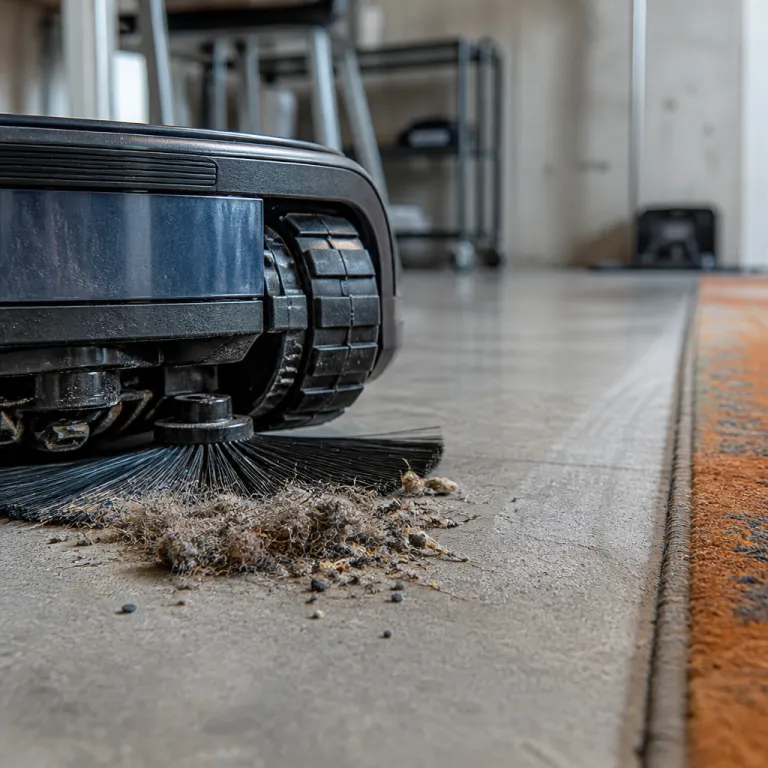
Once a week, empty the dustbin fully, wash or tap out filters, and cut hair from the main brush, then inspect wheels and sensors for stuck debris. This short maintenance session, often taking less time than a single manual vacuuming, supports more reliable cleaning services from your robot during the rest of the week. Following a structured monthly robot vacuum maintenance routine can even add years of life to the device, which matters for both residential commercial users and small business owners who rely on consistent cleaning solutions.
Pair this weekly robot care with a deeper pass in specific house areas that collect fine dust, such as under beds, along baseboards, or in home office corners. You can schedule a special deep cleaning run for these zones, then manually mop or wipe surfaces while the robot works, effectively acting as your own professional team. Over time, this combination of recurring cleaning and periodic deep cleaning reduces allergens, keeps floors visually clean, and supports a more hygienic environment than sporadic manual efforts.
One-paragraph weekly maintenance checklist: Remove and empty the dustbin, then clean or replace filters according to the manufacturer’s manual; flip the robot over to cut hair from the main brush and side brushes; spin the wheels to check for trapped threads; wipe sensors and charging contacts with a dry cloth; and quickly inspect the dock area so the robot can return and charge without obstacles.
Tailoring schedules to different rooms, floors, and lifestyles
No single smart cleaning schedule fits every house, because floor types, pets, children, and work patterns vary widely. The most effective cleaning services adapt to these differences, just as a professional commercial cleaning company adjusts its service for a shop, an office, or a café. You can apply the same logic at home by assigning different cleaning tasks and frequencies to each room or floor.
Hard floors in kitchens and entry areas benefit from frequent quick passes that pick up crumbs and grit, while carpets in bedrooms often need slower, more thorough deep cleaning once or twice a week. If you run a small business from home, you might schedule office cleaning style runs early in the morning, keeping your workspace clean before clients arrive or video calls begin. Families with pets can add extra cleaning services in zones where animals sleep or eat, using the robot’s mapping technology to target those areas without wasting time elsewhere.
Multi level homes require a slightly different strategy, because most cleaning devices cannot climb stairs and must be carried between floors. Some owners keep one robot per floor, treating each as a separate residential cleaning service with its own schedule and cleaning processes. Others move a single robot between levels on different days, planning the move like a small logistics task so that every area receives reliable, friendly smart cleaning each week.
From residential to commercial: when robot vacuums support business spaces
Robot vacuums now appear not only in homes but also in small offices, clinics, and boutique shops, where they supplement traditional commercial cleaning. In these environments, smart cleaning schedules must respect opening hours, staff movements, and safety rules, just as any licensed insured cleaning service would. Owners often use robots for recurring cleaning of open floor areas, then rely on human teams for detailed work such as bathrooms or high shelves.
A small office might schedule office cleaning style runs after staff leave, allowing the robot to clean corridors, reception areas, and open work zones without obstacles. Retail businesses near a beach or busy street can program extra passes near entrances, where sand and dust accumulate quickly, while reducing time spent in low traffic storage rooms. This targeted use of cleaning devices mirrors the way professional commercial cleaning services allocate their team and time to the most visible or critical areas.
For mixed use buildings that combine residential commercial spaces, such as a house with a ground floor studio or consulting room, a single robot can serve both roles with separate schedules. Morning runs might focus on the business area, while evening smart cleaning cycles handle the private house zones, effectively creating two cleaning services from one device. Owners who treat their robot as part of a broader cleaning service strategy often highly recommend this approach, because it delivers reliable, friendly cleaning solutions without hiring an additional team.
Handling edge cases: post construction dust, errors, and safety checks
Robot vacuums excel at everyday cleaning but struggle with heavy debris, post construction dust, or large objects that can damage internal parts. After renovation work, it is safer to perform manual deep cleaning first, then reintroduce the robot for fine dust once floors are mostly clear. This staged approach protects the technology and avoids turning your smart cleaning devices into an expensive repair case.
Modern robots use sensors and software to navigate, yet they still encounter errors when they meet cables, dark carpets, or unexpected obstacles in tight areas. When your robot shows blinking lights or error codes, a structured troubleshooting guide helps you diagnose the most common faults at home before calling any professional service. Understanding these error patterns lets you adjust cleaning processes, such as moving cables or closing risky rooms, so that recurring cleaning runs complete successfully.
Safety also matters when you schedule cleaning smart routines during the night or while you are away, especially in houses with children, pets, or elderly residents. Check that the robot’s virtual walls, no go zones, and stair detection work correctly, and avoid leaving fragile objects on the floor in any area where the robot will move. Treat these checks as part of a licensed insured mindset, even if you are not a formal cleaning service, because they keep both the house and the devices safe while smart cleaning runs quietly in the background.
Key statistics that shape smart cleaning habits with robot vacuums
- Market research from firms such as Statista reports that robot vacuums account for a substantial share of global vacuum cleaner sales, showing how quickly smart cleaning devices have moved from niche gadgets to mainstream cleaning solutions. Check the latest Statista vacuum cleaner market overviews for current percentages, as figures change over time.
- Consumer testing by organizations like Consumer Reports has found that scheduled recurring cleaning with robot vacuums can remove a higher share of daily dust and pet hair than occasional manual vacuuming, because the devices work more often and cover high traffic areas consistently. Their robot vacuum ratings and test summaries describe how performance varies by model and floor type.
- Several manufacturers, including iRobot and Roborock, state in their product documentation that regular maintenance such as weekly filter cleaning and brush checks is essential for preserving suction power and long term reliability, which reinforces the value of pairing deep cleaning routines with smart cleaning schedules. Always refer to the care and maintenance section of your specific model’s manual for exact intervals and any lifespan estimates.
- Energy consumption data published by appliance efficiency programs shows that a typical robot vacuum uses significantly less electricity per square metre cleaned than many upright vacuums, especially when cleaning smart schedules target only occupied areas instead of the entire house. Official energy labels and product specification sheets provide the most up to date consumption figures for each device.

FAQ: smart cleaning schedules for robot vacuums
How often should I run my robot vacuum in a busy family home ?
In a busy family house with children or pets, running the robot once a day in high traffic areas such as the kitchen, hallway, and living room usually keeps floors acceptably clean. Bedrooms and low use rooms can often manage with two or three runs per week, combined with occasional manual deep cleaning. Adjust the schedule if you notice visible dirt between runs, especially near entrances or food preparation zones.
Can a robot vacuum replace a professional cleaning service ?
A robot vacuum can handle routine floor cleaning tasks very reliably, but it cannot replace a full professional cleaning service for bathrooms, windows, or detailed dusting. Many households and small businesses use robots for recurring cleaning of floors, then hire cleaning services occasionally for deep cleaning or post construction work. This hybrid approach often delivers the best balance between cost, time saved, and overall cleanliness.
What is the best time of day to schedule smart cleaning runs ?
The best time depends on your lifestyle and noise tolerance, but many people schedule smart cleaning early in the morning or while they are at work. Running the robot when rooms are empty reduces the risk of interruptions and allows the device to move freely around furniture and other obstacles. Night runs can work in some homes, yet they may disturb light sleepers or pets, so test different times and monitor how the robot performs.
How should I prepare my house before a scheduled cleaning run ?
Before a scheduled run, pick up loose cables, small toys, and fragile items from the floor, especially in areas where the robot tends to get stuck. Close doors to rooms you do not want cleaned, and open access to spaces that need more attention, such as entryways or kitchens. This quick preparation, often taking only a few minutes, helps your cleaning devices complete their routes efficiently and reduces error messages.
Is one robot vacuum enough for a multi level house ?
One robot vacuum can handle a multi level house if you are willing to move the device between floors and adjust schedules for each level. Some owners prefer to invest in two devices, one per floor, to create independent recurring cleaning routines and reduce the need to move the robot manually. The right choice depends on your budget, the size of the house, and how often each floor needs cleaning.