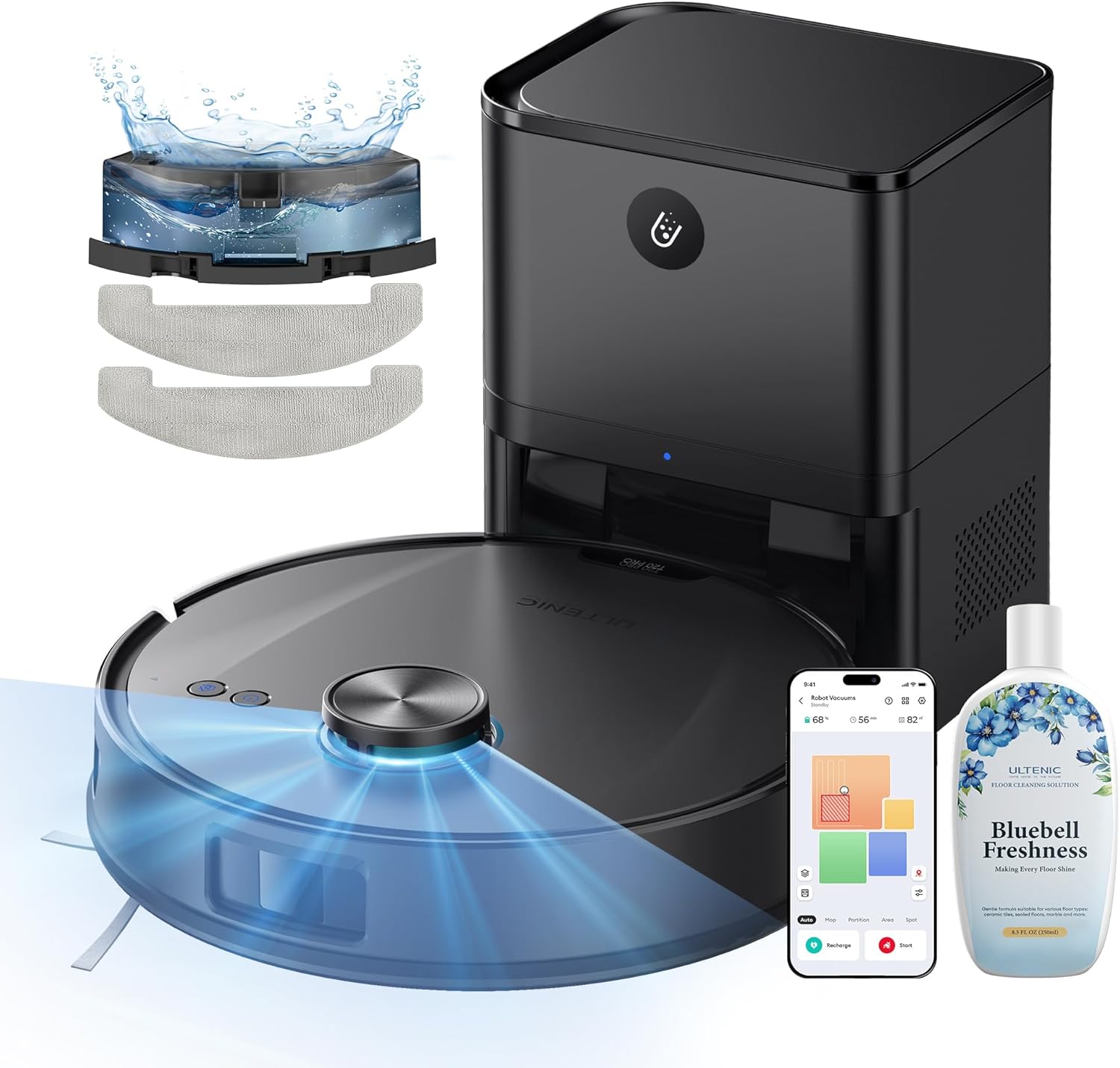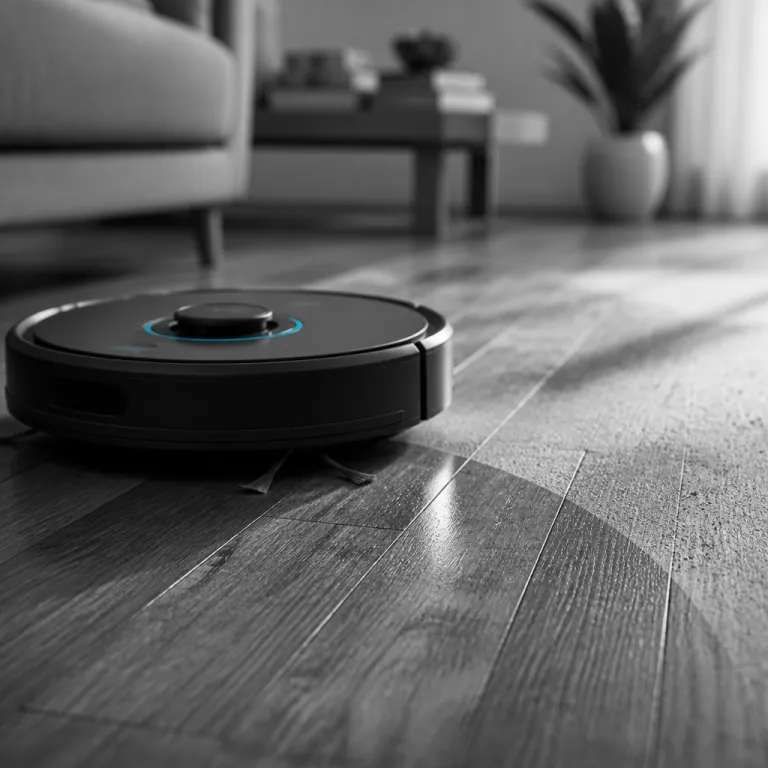

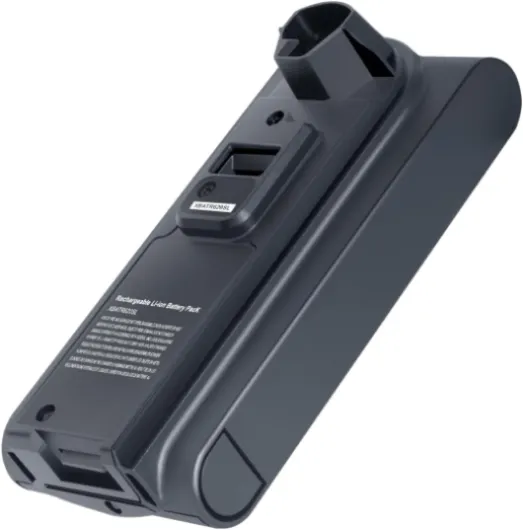
From mechanical automatons to the first robot vacuum pioneers
The history of home robotics, from early automatons to the Roomba, traces a long, surprising arc. It begins with mechanical devices that mimicked human gestures yet lacked any real intelligence or cleaning purpose. These early automatons were built for spectacle, but they quietly seeded ideas that domestic robots would later refine.
Historians of science often describe how these mechanical figures moved with clockwork precision, while artisans traded techniques across regions through guilds and trade routes. Museum catalogues describe springs, gears, and weights in meticulous detail, foreshadowing the drive systems in every modern robot vacuum. These early experiments encouraged engineers to imagine machines that could sweep and clean floors instead of merely entertaining royal courts.
As electricity spread into homes, inventors experimented with powered cleaners that still required human steering and constant effort. Over the years, suction power improved, but the vacuum remained a manual tool that stole free time from busy parents and kids alike. The leap from such devices to a Roomba capable of autonomous cleaning marked a shift from simple appliances to intelligent robots that navigate, sense dust, and adapt to rooms.
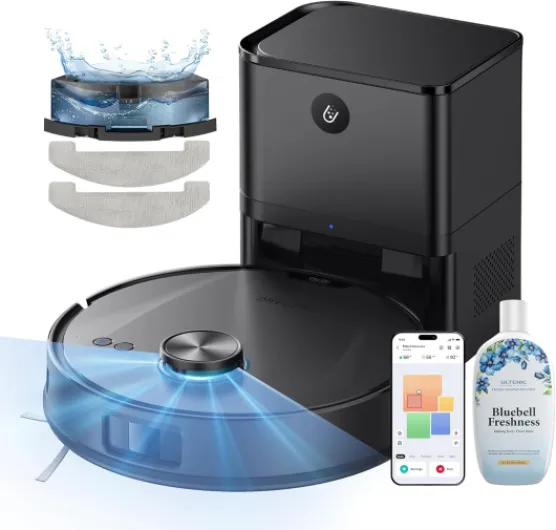
- + Silencieux
- + Connecté avec WiFi/Bluetooth/Alexa/App
- + 6 Modes de Nettoyage
- + Auto-Charge
- + 8000 Pa de puissance d'aspiration

How iRobot turned robotics from theory into everyday Roomba products
When iRobot entered the domestic market, research-grade robotics finally met living room carpets. The company had already worked on robots for defense and industry, so its engineers understood how advanced navigation and sensing could shrink into a compact robot vacuum. That experience allowed iRobot to design Roomba models that balance suction power, battery life, and safe movement around furniture.
For readers who want technical details about performance, one useful reference is the manufacturer documentation for Roomba models with Power-Lifting Suction, such as the Roomba i3, j7, and s9 series. It explains how a Roomba channels power through a multi-stage cleaning system to lift dust and debris from both hard floors and carpets. Such primary sources help you judge whether to choose basic cleaning features or invest in robots that add mopping, self-emptying docks, and more advanced mapping.
For many households, the decision to buy iRobot products is less about gadgets and more about time. A well-chosen Roomba will clean while you work, cook, or help kids with homework, turning home robots from luxury items into practical allies. Over the years, this shift has changed expectations, so people now ask why a vacuum is not a robot, rather than why a robot should vacuum.
Inside a Roomba robot vacuum: sensors, software, and cleaning systems
To understand the journey from automatons to the Roomba, you need to look under the shell. A modern Roomba robot vacuum combines sensors, processors, and cleaning hardware in a compact disc-shaped body. The robot constantly measures distance, obstacles, and dust levels, then adjusts its path so that each pass cleans more efficiently.
Many Roomba models use optical and acoustic sensors to detect dirt, while gyroscopes and cameras guide navigation through rooms filled with kids’ toys and table legs. The cleaning system usually mixes a central brush, side brushes, and strong suction to pull dust from corners and edges. In premium robots, advanced mapping systems create a digital map of your home layout, storing room names in the app so you can send the robot to the kitchen or bedroom on command.
Independent testing by organizations such as Consumer Reports and Wirecutter shows how design choices affect real-world cleaning. Their lab evaluations compare how different robots handle pet hair, fine dust, and mopping attachments, and how model availability in shops influences which device you finally choose. These findings matter because they translate robotics research into simple ways for you to keep floors clean with minimal effort.
Apps, data, and the digital library behind your cleaning routine
Once you connect a Roomba to its companion app, the mechanical age suddenly feels very distant. The app becomes a control center where you schedule cleaning, check battery status, and review maps that form a private digital record of your home. Each cleaning run adds new information to that record, refining room boundaries and improving how the robot vacuum navigates.
For busy families with kids, this connectivity turns a simple robot into part of the household routine. Parents can set virtual walls to avoid play areas, while the app lets them block zones where early automatons would have crashed blindly. Over the years, software updates have added features such as seasonal cleaning suggestions, allergy-focused dust removal modes, and smarter mopping patterns for hybrid robots.
Some readers worry about data, and that concern is reasonable when research-grade technology enters private spaces. Responsible brands explain what information the robot collects, how long it is stored, and whether any partners receive anonymized usage statistics. When you buy iRobot devices, you should read privacy policies with the same care you give to power ratings, because intelligent robots that map your home also handle sensitive information.
Choosing the right iRobot Roomba: power, mopping, and item availability
Selecting a Roomba robot vacuum means matching the product catalogue to the realities of your floors. Small flats with mostly hard surfaces may only need moderate suction and basic cleaning modes, while large homes with pets and kids often benefit from stronger motors and larger dust bins. If you want both vacuuming and mopping in one device, you should compare robots that integrate water tanks and pads with those that focus purely on dry cleaning.
Item availability can shape your decision as much as specifications. Some Roomba models sell out quickly, so you might weigh whether to buy units immediately or wait a few months for new releases with upgraded navigation or improved mopping. Reviews that describe daily use, such as how often you must empty the bin or refill water, often matter more than lab measurements when you picture a robot moving from your hallway to your kitchen.
It is also worth comparing iRobot with other brands that push autonomous cleaning in different directions. For example, some competitors combine vacuum and mopping in one chassis with large base stations that wash and dry mop pads. By reading detailed comparisons, you can see where Roomba robots excel, where rivals offer more free time through automation, and how multiple manufacturers are converging on similar intelligent devices for everyday cleaning.
Robotics from automatons to Roomba: social impact, kids, and future robots
The shift from mechanical automatons to the Roomba robot vacuum has changed how people think about domestic work. Tasks that once consumed hours now run quietly in the background, giving adults more free time and letting kids focus on play or study instead of chores. This change illustrates how robotics research can reshape social expectations around who cleans and when.
In classrooms, teachers sometimes use robot vacuums as tangible tools to explain science concepts such as sensors, algorithms, and feedback loops. A Roomba moving across the floor becomes a live example of advanced control systems, far more engaging than static diagrams in a textbook. When students see how the robot responds to dust, obstacles, and app commands, they grasp that intelligent robots are not magic but carefully engineered machines.
Writer Racquel Foran and other commentators have explored how domestic robots influence broader debates about automation and work. As more homes adopt robot vacuum devices, society will continue to negotiate questions about reliability, repair, and the trade in spare parts and refurbished units. The journey from gadget-like automatons to fully integrated home ecosystems suggests that the next years will likely bring robots that coordinate with appliances, energy systems, and even neighborhood data platforms.
Automatons Roomba and the aesthetics of intelligent cleaning
There is also an aesthetic thread running from early automatons to the Roomba. Mechanical figures were often ornate, with visible gears and decorative cases that signaled wealth and craftsmanship. By contrast, a modern Roomba hides its complexity behind smooth plastic, yet its circular form still echoes the compact geometry of clockwork ancestors.
Designers at iRobot and other firms treat each robot vacuum as both a tool and a piece of furniture. Color choices, LED indicators, and low profiles help robots slip under sofas while remaining visually calm in minimalist living rooms. These choices show how today’s robots must balance engineering demands such as airflow for vacuum power with human preferences for quiet, unobtrusive cleaning companions.
As home robotics matures, we may see more personalization in both hardware and software. Apps could offer themed interfaces, while shells might come in finishes that match flooring or wall colors, turning each Roomba into a curated object rather than a generic appliance. The long arc from automatons crafted by artisans to intelligent robots guided by algorithms suggests that function and form will continue to evolve together, keeping cleaning efficient while respecting the character of the homes they serve.
Key figures on robot vacuum adoption and performance
- Market analysts such as Statista and Euromonitor report that robot vacuum cleaners account for roughly one fifth of all vacuum sales in several major regions, showing how a once-niche technology has become mainstream home equipment. Their category reports on household appliances attribute this share to rising urbanization, dual-income households, and falling average selling prices.
- Independent laboratory tests by Consumer Reports and other testing bodies often find that premium robot vacuum models remove around 90 percent or more of surface debris on hard floors in a single pass, while mid-range robots typically reach between about 70 and 85 percent depending on debris type. These figures come from standardized pickup tests that spread measured amounts of rice, sand, and pet hair across test panels.
- Surveys of households that use a Roomba or similar device, including polls cited by iRobot and third-party research firms, indicate that owners reclaim between one and three hours of free time per week that previously went into manual vacuuming. In several customer studies, roughly two thirds of respondents reported vacuuming manually less than once a week after adopting a robot cleaner.
- Battery technology improvements have extended average robot vacuum run times from under one hour in early generations to around two hours in many current models, according to manufacturer specifications and comparative test reports, allowing robots to clean larger floor areas before returning to their docks. Typical datasheets list coverage of approximately 90 to 185 square meters per charge, depending on suction mode.
- Noise measurements published in lab reviews show that many intelligent robot vacuums operate between roughly 55 and 65 decibels in standard modes, which is quieter than many upright vacuums and makes scheduled night cleaning more acceptable in small apartments. Testers usually record peak levels near 70 decibels only when robots switch into maximum suction or self-emptying cycles.
FAQ about iRobot Roomba and robot vacuum technology
How does a Roomba robot map my home without getting lost ?
A Roomba uses a mix of sensors, cameras, and software to build a map of your rooms. As it moves, the robot tracks distance, direction, and obstacles, then updates this map so future cleaning runs follow more efficient paths. Over time, the system refines room boundaries and remembers where furniture usually stands, which reduces missed spots and repeated passes.
Can a robot vacuum replace traditional vacuum cleaning completely ?
For many homes, a robot vacuum handles most day-to-day cleaning, especially for surface dust and crumbs. However, deep cleaning tasks such as washing carpets, cleaning upholstery, or reaching very tight corners may still require a traditional vacuum or manual tools a few times per year. Think of Roomba and similar devices as a way to reduce routine effort, not always as a total replacement for every cleaning method.
Is mopping with a robot as effective as manual mopping ?
Hybrid robots that combine vacuuming and mopping can handle light to moderate dirt on hard floors, especially when used regularly. They are excellent for maintaining cleanliness, but heavy stains or sticky spills usually need manual scrubbing for best results. When you compare models, check water flow control, pad design, and app options, because these factors strongly influence how close robot mopping comes to manual performance.
What should I check before I buy iRobot Roomba models ?
Before you buy iRobot devices, measure your floor area, note carpet thickness, and list obstacles such as thresholds or many chair legs. Then compare suction power, battery life, dust bin size, and whether you need features like mopping, self-emptying docks, or advanced mapping. Finally, look at item availability, filter prices, and local repair options, because long-term support matters as much as the first week of cleaning.
Are robot vacuums safe around kids and pets ?
Most modern robot vacuum models, including Roomba robots, use bump sensors, cliff sensors, and gentle motors that make them safe around kids and pets in normal use. Parents should still supervise initial runs, pick up small toys or cords, and use app-based no-go zones to keep robots away from delicate areas like pet bowls. With these precautions, autonomous cleaning on the living room floor can coexist smoothly with everyday family life.