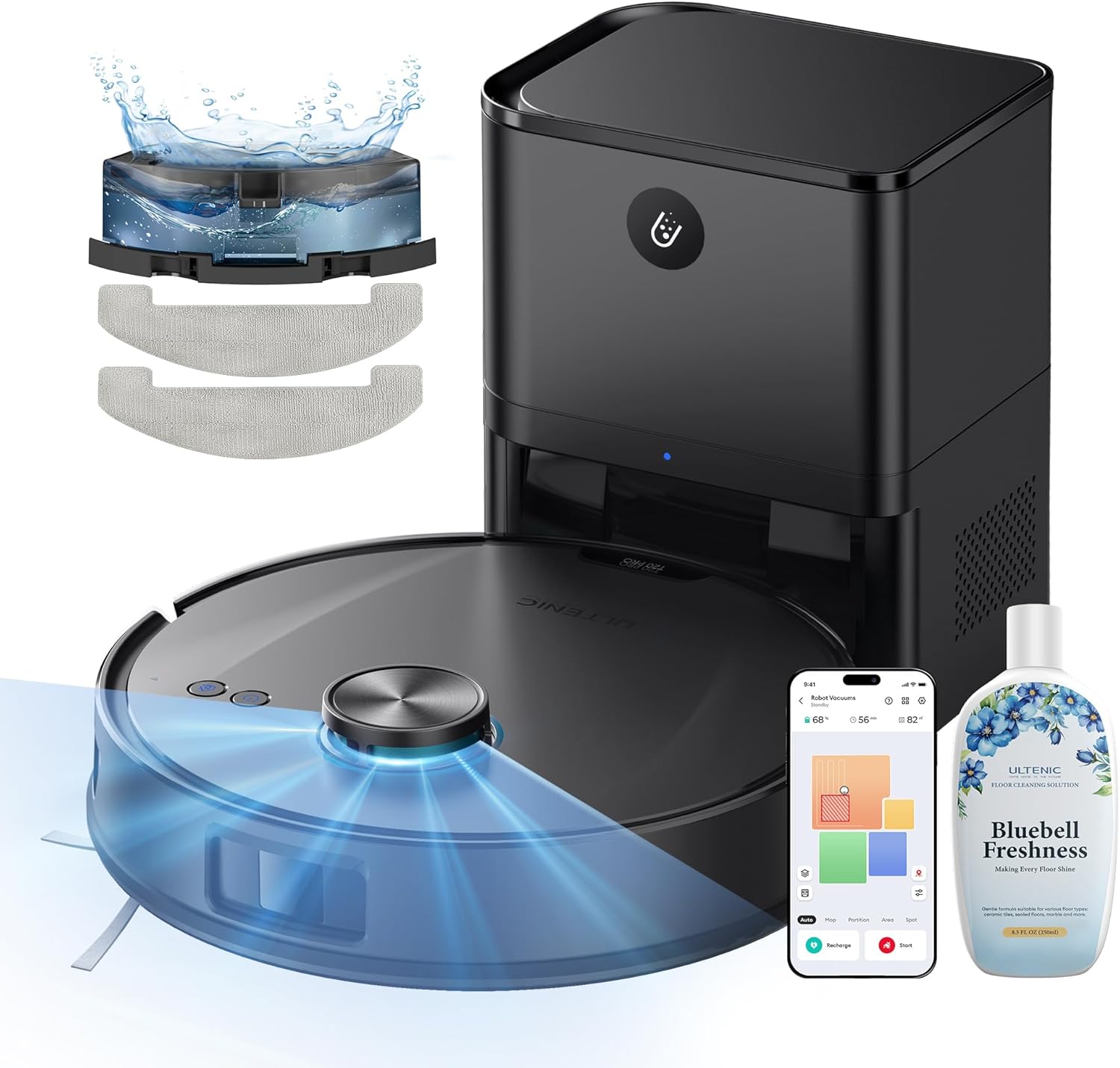

Why robotic vacuum carpet performance changes from hard floors to rugs
A robotic vacuum on carpet behaves very differently than on tiles or hardwood. When a robot moves from hard floors to thick rugs, the suction motor and brush roll suddenly face more resistance and need more power to keep the surface clean. If you want the best balance between deep cleaning and gentle care, you must understand how carpets and floors react to strong suction and rotating brushes.
Short synthetic carpet fibres trap dust and hair near the surface. On these low carpets, even compact robot vacuums with moderate suction power (around 2,000 Pa) can clean daily debris and pet hair without reaching their max settings. High pile carpets and shag rugs are another story, because they swallow dirt, crumbs and long hair deep between fibres where a basic vacuum cleaner or older vacuum cleaners struggle to remove embedded particles.
Modern robotic vacuum models use sensors to detect when they leave hard floors and climb onto carpets. Many robot vacuum designs automatically increase suction power on rugs, then reduce it again on tiles to save battery and noise. For example, several mid range models boost from 1,500–2,000 Pa on hard floors to 4,000 Pa or more on carpets. This dynamic behaviour is crucial for any carpet cleaning strategy, because it protects delicate floors while still delivering strong suction where it matters most and keeps overall runtime within the advertised range.
- + Silencieux
- + Connecté avec WiFi/Bluetooth/Alexa/App
- + 6 Modes de Nettoyage
- + Auto-Charge
- + 8000 Pa de puissance d'aspiration

Handling high pile carpets, shag rugs and tricky transitions
Thick high pile carpets and fluffy rugs are the hardest test for any robot vacuum. The wheels sink, the brush roll can tangle with long hair, and the vacuum mop module may drag or leave damp tracks where you want the surface to stay dry. To keep these carpets clean, you need a robot with enough ground clearance, strong suction and smart obstacle avoidance that recognises tassels, folds and loose edges.
Some robot vacuums let you set no mop zones around sensitive rugs. This is essential when you use a combined robot vacuum and mop on high pile carpets, because mopping pads can mat fibres and push debris deeper instead of lifting it into the vacuum. For detailed guidance on how to vacuum shag rugs with a robot vacuum without damaging them, you can follow this step by step shag rug cleaning guide that focuses on brush roll care and safe suction levels, including when to switch from a standard 2,000 Pa mode to a stronger 4,000–5,000 Pa boost.
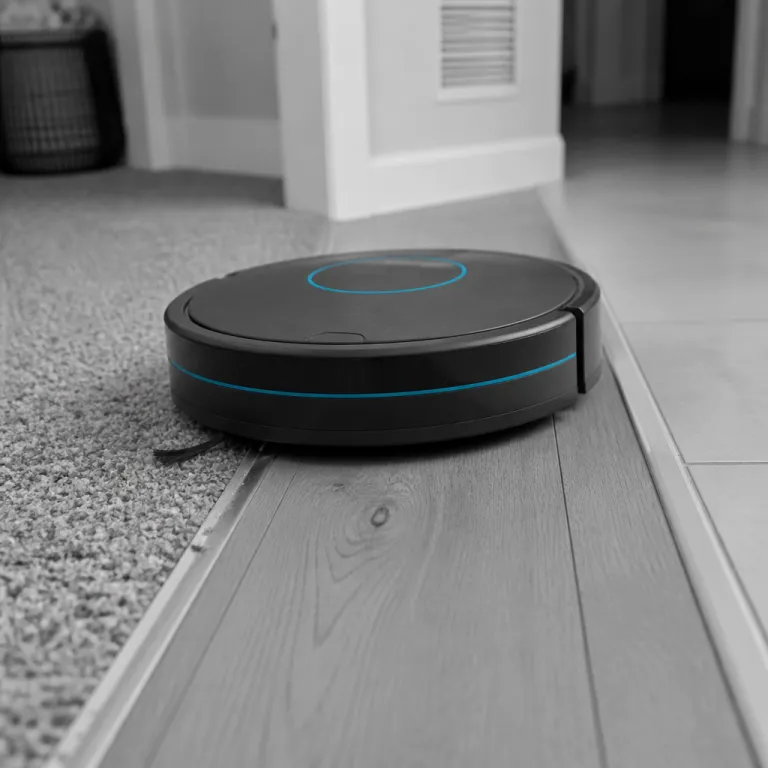
Pay attention to thresholds between rooms, because transitions from hard floors to carpets can stop even the best robot in its tracks. If the edge of a rug curls, the robot vacuum may treat it as an obstacle and avoid the carpet entirely, leaving pet hair and debris untouched. Simple fixes like rug grippers, flatter mats near doors and careful placement of furniture can transform how well your robot cleaner works across the whole home, especially if the robot can only climb obstacles up to 18–20 mm high.
Balancing suction power, mopping and floor protection
Every robotic vacuum must compromise between raw suction power and gentle handling of delicate surfaces. On bare hard floors, you rarely need max suction, because dust and debris sit on top and slide easily into the vacuum cleaner airflow. On carpets and rugs, especially where pet hair and crumbs collect, higher suction and a well designed brush roll become essential for a truly clean result and better deep dust pickup.
When you add a mop function, the balance becomes even more delicate. A vacuum mop that glides from tiles to carpets must lift its mopping pad or avoid rugs entirely, otherwise cleaning performance suffers and fibres may stay damp for too long. Expert reviews of the best robot vacuum cleaners for hardwood floors often highlight models that can automatically raise their mop by 5–10 mm, and you can see this analysed in depth in this expert guide to robot cleaners for hardwood floors which also explains how these systems behave near carpets.
Look for robot vacuums that let you create separate cleaning profiles for carpets and hard floors. In one profile, you can set max suction on carpets, low water flow for mopping and slower movement to capture more debris in each pass. In another, you can reduce power on tiles, increase mopping intensity and shorten cleaning time while still keeping the floor clean and protecting the finish.
Mapping, lidar navigation and obstacle avoidance on mixed floors
Navigation technology decides whether a carpet cleaning session feels effortless or frustrating. Basic robot models bounce randomly and may miss corners, while advanced robot vacuums use lidar navigation to map every room and understand where carpets, rugs and hard floors sit. With a precise map, you can tell the robot vacuum exactly where to increase suction power, where to avoid mopping and where to focus extra passes for pet hair.
Lidar navigation sends laser pulses around the room, building a detailed floor plan that includes furniture, walls and large obstacles. Combined with obstacle avoidance cameras and sensors, this allows the robot to steer around shoes, cables and toys that often hide on carpets and under tables. When the system works well, the robot can glide from tiles to carpets, adjust suction, protect its brush roll from tangled hair and still finish within its expected day capacity for cleaning cycles.
Some premium robot vacuums, such as high end Roborock S8 Pro Ultra or Q Revo models, combine lidar navigation with advanced obstacle avoidance and voice control. You can ask the best robot in your home to clean only the living room carpet or only the kitchen hard floors, and it will follow the map precisely. This level of control is especially useful when you want a quick clean of high traffic carpets after guests leave, without running a full vacuum and mop routine across the entire house.
Empty base stations, maintenance and long term value
Multi surface homes generate a surprising amount of dust, hair and fine debris. An empty base station attached to your robotic vacuum can make daily cleaning much easier, because the robot vacuum automatically docks and transfers dirt from its small bin into a larger bag. For families with pets that shed a lot of pet hair on carpets and hard floors, this empty base feature often becomes more valuable than a small price reduced promotion on a simpler model.
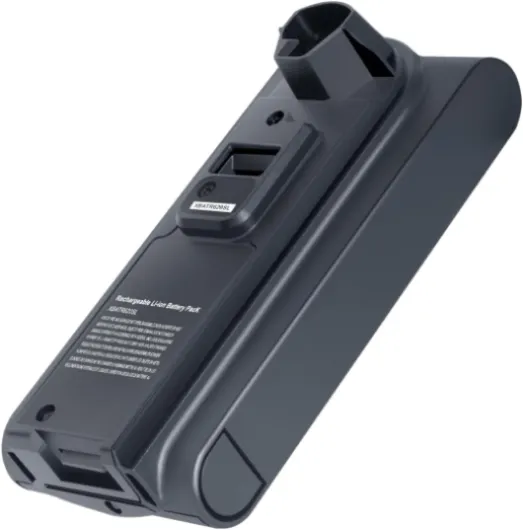
Regular maintenance still matters, even with an empty base and smart sensors. You need to clean the brush roll, check for tangled hair, wipe sensors that support obstacle avoidance and occasionally wash filters to keep suction strong on both carpets and tiles. When you compare the price of different robot vacuums, consider not only the initial price but also the cost of bags, filters and replacement parts over several years of use.
Long term value also depends on repairability and software support. Some brands design their robot vacuum and vacuum cleaners with modular parts, making it easier to replace a worn brush roll or a damaged wheel instead of buying a new vacuum cleaner entirely, and this topic is explored in detail in this analysis of how long a robot vacuum should last and how repairable it is. When you see a price reduced offer, ask whether the model will still receive updates and spare parts in a few years, because that determines whether it remains the best robot for your mixed floors.
Practical cleaning tips for robotic vacuum carpet owners
Small habits can dramatically improve how well your robotic vacuum cleans carpets and floors. Before each scheduled run, pick up loose cables, toys and clothing that could block the brush roll or trigger obstacle avoidance too often. This simple preparation lets the robot vacuum maintain a steady path, keep suction power consistent and reach more of your carpets in less time.
Use your app to create zones that match how you actually live. For example, you can set a high power carpet zone in the living room where pet hair and crumbs collect, while keeping a gentle cleaning mode for bedrooms with delicate rugs and hard floors. In kitchens and hallways, where debris and dust accumulate quickly, schedule more frequent vacuum and mop passes so the cleaning routine never falls behind.
Pay attention to how full the dustbin becomes after each session, even if you own a model with an empty base. If the bin or base fills quickly, increase cleaning frequency or add a second daily run in high traffic areas to prevent debris from sinking deeper into carpets. Over time, this consistent approach keeps both carpets and floors clean with less effort and extends the life of your vacuum cleaners and rugs.
Comparing popular robotic vacuum systems for mixed floors
When you compare robotic vacuum options for a home with carpets and hard floors, focus on a few critical features. Strong suction, a well designed brush roll and reliable obstacle avoidance matter more for carpet performance than flashy extras. A robot vacuum with modest power but excellent navigation often cleans better than vacuums with max suction that wander randomly.
Brands like Roborock have built reputations around balanced systems that handle both carpets and tiles effectively. Their Pro Omni style stations combine an empty base with automatic mop washing, which helps maintain consistent cleaning quality without daily manual work. If you often deal with pet hair on high pile carpets, look for a robot vacuum and vacuum mop combination that offers strong suction (4,000–6,000 Pa), a tangle resistant brush roll and clear settings for separating mopping from carpet cleaning.
Price always enters the conversation, but the lowest price is rarely the best value. A slightly higher price for a robotic vacuum with lidar navigation, voice control, an empty base and robust support can pay off over years of reliable cleaning. When you evaluate different robot vacuums and traditional vacuum cleaners, think about how each system will handle your specific mix of carpets, rugs, hard floors, debris and daily routines rather than chasing the single best robot on paper.
Key statistics about robotic vacuum carpet performance
- Independent lab tests from several consumer organisations, such as Consumer Reports and Which?, show that many robot vacuums collect between 70 % and 90 % of surface debris on low pile carpets in a single pass, while performance on high pile carpets often drops below 60 % without strong suction and a suitable brush roll, as reported in comparative carpet pickup charts.
- Surveys of households with pets from groups like the American Pet Products Association indicate that more than half of owners run their robot vacuum at least once per day, mainly to control pet hair on carpets and rugs, which underlines the importance of an empty base and adequate day capacity for dust storage in real world use.
- Comparative reviews of vacuum cleaners by testing labs such as RTINGS and Wirecutter report that models with lidar navigation clean rooms up to 20 % faster and with fewer missed spots than robots using only bump sensors, especially in homes that mix carpets, hard floors and complex furniture layouts, according to timed room coverage tests.
- Field measurements from specialist testing labs show that increasing suction power from an eco mode to a max mode on carpets can improve deep dust removal by 30 % to 40 %, but also reduces runtime by roughly one third, which makes smart power management essential for larger homes.
- Market analyses of robot vacuum and vacuum mop sales from firms such as Statista and GfK reveal that stations with an empty base now appear in a large share of premium models, reflecting strong demand from users who want less frequent manual emptying when cleaning carpets and floors every day.
| Carpet type | Typical suction range | Average pickup in tests |
|---|---|---|
| Low pile carpet | 1,500–2,500 Pa | 70–90 % surface debris in one pass |
| Medium pile carpet | 2,500–4,000 Pa | 60–80 % surface debris in one pass |
| High pile or shag rug | 4,000–6,000 Pa | 40–60 % surface debris in one pass |
FAQ about robotic vacuum carpet cleaning on multi surface floors
How often should a robotic vacuum clean carpets in a busy home ?
In homes with children or pets, running a robotic vacuum on carpets once per day keeps surface debris and pet hair under control. High traffic zones such as hallways or living rooms may benefit from a second short run focused only on those areas. Low traffic rooms with rugs and hard floors usually stay clean with two or three sessions per week.
Can a vacuum mop safely clean carpets and rugs ?
A vacuum mop should never actively mop carpets or rugs, because moisture can damage fibres and trap odours. Look for models that automatically lift the mop pad or avoid carpeted zones using lidar navigation and obstacle avoidance. In the app, set clear no mop zones around high pile carpets and delicate rugs to protect them.
What suction power is needed for high pile carpets ?
High pile carpets require stronger suction than low pile carpets or hard floors, especially when they collect pet hair. Choose a robot vacuum that offers a dedicated carpet boost mode or max suction setting and a brush roll designed to reach deeper into fibres. For very thick rugs, you may still need an occasional pass with a powerful upright vacuum cleaner.
Do empty base stations really matter for small apartments ?
In small apartments with limited carpets, an empty base is convenient but not essential. You can manually empty the dustbin after each cleaning session and still keep floors clean, especially if you do not have pets that shed a lot of hair. For larger homes or frequent cleaning runs, an empty base saves time and keeps suction consistent.
How can I stop my robotic vacuum from getting stuck on rugs ?
To prevent a robotic vacuum from getting stuck, secure rug edges with grippers and avoid very loose, lightweight mats that fold easily. Use the app to mark problem rugs as restricted zones if the robot repeatedly struggles with them. Regularly checking for cords, tassels and clutter on carpets also helps obstacle avoidance systems work more reliably.