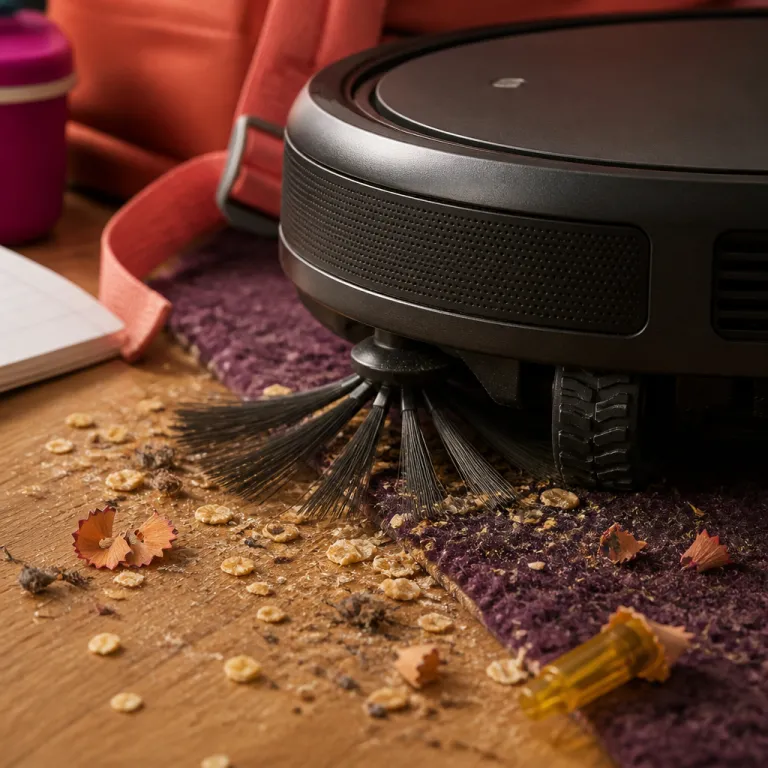
Why back-to-school changes how your robot vacuum should clean
September turns a lazy summer schedule into a tight morning sprint. The main robot vacuum back to school cleaning challenge is that kid traffic, pet hair and snack crumbs all spike at once, while your time to clean shrinks. A robot that felt ultra capable in July can suddenly miss messes on the kitchen floor and leave carpet cleaning performance looking patchy.
During summer you might run your robot vacuums or a cordless vacuum every few days, but the back-to-school rush usually demands a more regular routine focused on entryways, kitchens and playrooms. A well tuned vacuum cleaner schedule can save you from late night panic cleaning and from dragging out heavy stick vacuums when you are already exhausted. Think of each cleaning unit as a quiet teammate that uses its suction power strategically while you handle homework and lunch boxes.
For busy parents, the right robot vacuum routine for school season starts with mapping where dirt actually lands, not where marketing photos show a spotless floor. Backpacks create stubborn stains of mud near the door, cereal turns into a dry vacuum nightmare under stools and pets grind hair into rugs that need strong carpet coverage from your vacuums. When you align your robot, your wet dry tools and your manual cleaner habits with those real patterns, you finally get versatile cleaning that feels like help instead of another chore.
Designing a weekday schedule around real family traffic
Think about your weekday in zones rather than rooms. The most effective robot vacuum back to school cleaning schedules hit the entryway and kitchen floor daily, while bedrooms and low traffic halls can stay on a regular twice weekly plan. This zoning lets your robot vacuums use their power where it matters and saves battery for the mess that actually bothers you.
For many homes, the sweet spot is a quick cordless vacuum pass on visible crumbs plus an automated robot run right after morning drop off. A simple example: 7:45–7:55 a.m. manual crumb sweep in the kitchen, 8:30 a.m. robot pass in the entryway, 9:00 a.m. targeted clean in the dining area. You can send the robot to the entryway or kitchen with a voice command, then let a separate wet dry vacuum cleaner handle sticky juice or wet snack spills later. If you already use smart cleaning routines, this is the moment to tighten them with a tool such as these smart cleaning routines that turn your robot into a tireless housekeeper, which can help you coordinate multiple vacuums and a cordless vacuum without thinking about it every day.
Parents juggling naps should lean on quiet modes and room level scheduling, especially now that many newer robots expose a standard vacuum interface to platforms like Home Assistant through the Matter protocol. You can run a premium robot or a more basic unit in distant rooms while kids get ready, then schedule a stronger dry vacuum pass on carpets once everyone leaves. The goal is simple: let the emptying robot handle routine cleaning so you only grab stick vacuums or a wet dry cleaner for true emergencies. Over time this kind of predictable schedule also reduces allergens, which several lab tests from groups like the Asthma and Allergy Foundation note can drop when floors are cleaned at least three times a week.
Room-level automation, docks and emptying that actually fit school days
Automation only helps if it matches your real life, not a showroom demo. With Home Assistant’s updated Matter based vacuum controls, you can set room level schedules that send the robot vacuum to the kitchen at 8:45, the hallway at 9:15 and the playroom after snack time. This kind of targeted robot vacuum back to school cleaning means you are not wasting suction power on guest rooms while the entryway is buried in dirt.
When you plan these routines, think about emptying and noise as much as raw power. A self emptying robot dock can save you from daily bin trips, but it is loud, so schedule the emptying cycle after school drop off rather than during breakfast. If you do not have an emptying robot dock, pair your robot vacuums with a light cordless vacuum or compact dry vacuum and plan a quick manual emptying and spot clean once or twice a week. A simple checklist helps:
- Empty the dustbin every 2–3 runs (or when it looks half full).
- Check brushes for hair once a week during school season.
- Wipe sensors and charging contacts every two weeks.
To go deeper into timing, it helps to study tailored schedules such as those described in this guide on how to vacuum smarter with robot vacuums and tailored cleaning schedules. Use that logic to decide when a wet dry cleaner or a wet capable unit should run in the kitchen versus when a standard vacuum cleaner should focus on vacuums carpet duties in bedrooms. Over a few weeks you will see which automation rules truly save time and which ones just look clever in an app.
Choosing and using the right robots and tools for September
If your current robot struggles with school season mess, it might be time to buy a more suitable model. When you shop, ignore vague “ultra power” claims and look instead at suction power ratings, brush design and how well the robot handles vacuums carpet transitions between rugs and hard floor. Many midrange and premium units now advertise around 4 000 Pa of suction, which independent tests from reviewers such as Wirecutter and Rtings show is usually enough for typical homes with kids and pets.
Homes with kids and pets often benefit from a hybrid wet dry robot vacuum or a separate wet dry cordless vacuum for sticky spills. A combined robot mop and vacuum can provide versatile cleaning on tile and vinyl, while a traditional dry vacuum cleaner or stick vacuums stay focused on carpets and runners. For a deeper look at how these combos change daily routines, see this explanation of a robot mop and vacuum combo that transforms everyday home cleaning, then decide which cleaning solution best fits your own floors.
When you finally choose a model, take ten minutes to read the app’s privacy policy before you connect it, especially if you must choose country settings or share map data. Set quiet modes for early mornings, boost suction power only for high traffic zones and keep a small cordless vacuum nearby for quick dry vacuum touch ups. Used this way, your robot vacuum back to school cleaning setup becomes a calm background system that helps you save time rather than another gadget demanding attention.
FAQ
How often should a robot vacuum run during the school week ?
Most busy households get the best results by running a robot vacuum once a day in high traffic areas and two to three times a week in bedrooms. Entryways, kitchens and main hallways usually need daily cleaning because of shoes, snacks and backpacks. Lower traffic rooms can stay on a regular schedule of every second or third day without looking dirty.
Is a self-emptying robot worth it for families with kids and pets ?
For many families, a self emptying robot is worth the extra cost because it cuts down on daily maintenance. The dock can hold several days of dust, pet hair and crumbs, so you empty a larger bag less often instead of a tiny bin every run. Just remember to schedule the emptying cycle when kids are out of the room, because the process is louder than normal cleaning.
Do I still need a regular vacuum cleaner if I own a robot ?
Yes, most homes still benefit from a traditional vacuum cleaner or cordless vacuum even with a robot. Robots excel at keeping floors clean between deeper sessions, but they can struggle with stairs, thick rugs and tight corners. A stick vacuum or compact dry vacuum lets you handle those spots quickly once a week or whenever you notice buildup.
What is the best time of day to schedule robot cleaning during school season ?
The most practical window is usually right after morning drop off, when the house is empty and fresh mess from breakfast is still easy to pick up. Running the robot vacuum then avoids waking napping toddlers and keeps noise away from homework time. If your schedule is unpredictable, use room level automation so you can trigger a quick clean of the entryway or kitchen by voice whenever the family steps out.
How can I protect my robot from toys, cords and school gear on the floor ?
The simplest tactic is a five minute pickup before scheduled runs, focusing on toys, charging cables and loose backpack straps. Many newer robot vacuums also offer no go zones in their apps, so you can block off chronic clutter spots like a Lego corner or a tangle of console wires. Combining those digital barriers with a quick visual sweep keeps the unit from getting stuck and helps your robot vacuum back to school cleaning routine stay reliable.