
Why mixed floors expose the limits of many robot vacuums
Most homes with hardwood downstairs and carpet upstairs quickly reveal how uneven many robot vacuums really are. A robot that glides over hard floors can choke on carpet fibers, while a powerful vacuum that digs into rugs may scatter debris or leave faint wheel marks on delicate hardwood planks. When you add kids, pets, and daily crumbs to the mix, the gap between marketing claims and real cleaning performance becomes obvious.
The core challenge is that a single robotic vacuum must manage very different physics on each surface, because hard floor cleaning needs precise airflow and a tight seal while carpet cleaning demands deeper agitation and higher suction. On hardwood and other smooth floors, the best robot vacuum designs rely on a balanced brushroll and a well tuned side brush to pull debris into the intake without flinging it across the room. On carpet, especially medium pile upstairs, the same machines must ramp suction, keep the brush from tangling with hair, and avoid dragging a wet mop pad if you are using a combined vacuum mop model.
Many cheaper robot vacuums advertise strong suction and a low price, yet they lack reliable obstacle avoidance and cannot adjust power or mopping modes when they cross from hard floor to carpet. That is why mixed floor homes expose weak app controls, poor mapping, and underpowered motors faster than any lab test, because a robot that seems fine on a single surface will miss pet hair in carpet fibers or leave dust lines along hardwood seams. If you want a robot vacuum for hardwood and carpet that actually works, you need to look beyond headline specs and focus on how the model handles transitions, brush design, and real world navigation.

How robots sense hardwood versus carpet and manage mopping
Every serious robot vacuum for hardwood and carpet now claims to detect floor type automatically, but the way each robot does it matters more than the marketing phrase. Some models use simple current sensing on the cleaning brushroll motor to guess when resistance increases on carpet, while others combine wheel slip, acoustic sensors, and optical floor recognition to decide when to boost suction or lift a mop. The difference shows up when a vacuum mop crosses a rug edge with a full water tank and must avoid leaving damp tracks on carpet fibers.
Take the Ecovacs Deebot T80S Omni, which according to Ecovacs product documentation uses a Triple Lift system that independently raises the main brush, the mop pads, and the entire cleaning module when it detects carpet, because this design helps protect both hard floors and rugs from the wrong cleaning mode. By contrast, some budget robotic vacuums only offer a basic carpet mode in the app, so the robot simply increases suction whenever it thinks it is on carpet but keeps the mop down, which can leave the border between hardwood and carpet slightly damp. For parents with crawling toddlers or sensitive pets, that kind of half lifted mop is not acceptable, especially near play areas and nap time zones.
Mop lift height is another underappreciated spec that matters a lot in mixed floor homes. Ecovacs and Roborock product sheets commonly list mop lift ranges between about 8 and 20 millimetres, and in manufacturer demos a lift of roughly 10 to 12 millimetres tends to clear low pile rugs reliably, while full retraction systems are safer for thicker upstairs carpet. When you evaluate a robot vacuum hardwood and carpet setup, look for clear documentation of mop lift height, automatic carpet detection, and whether the robot can fully retract the mop during vacuum only runs. For deeper guidance on streak free hardwood mopping modes that finish the floor without leaving haze, a detailed resource on streak free hardwood mopping can help you tune water flow, pad pressure, and pattern settings.
Top mixed floor performers: Dreame, Roborock, Shark and others
Among current robot vacuums, a few stand out for genuinely balanced performance on hardwood downstairs and carpet upstairs rather than just strong specs on paper. The Dreame L60 Ultra PE is a good example, because it scored 94 percent on carpet deep clean tests in independent Vacuum Wars lab measurements (see the Vacuum Wars Dreame L60 Ultra PE review for methodology) while still maintaining controlled airflow on hard floors. That kind of result puts this Dreame Ultra model near the top of mixed floor rankings, especially for families who need strong pet hair pickup on rugs without scuffing hardwood.
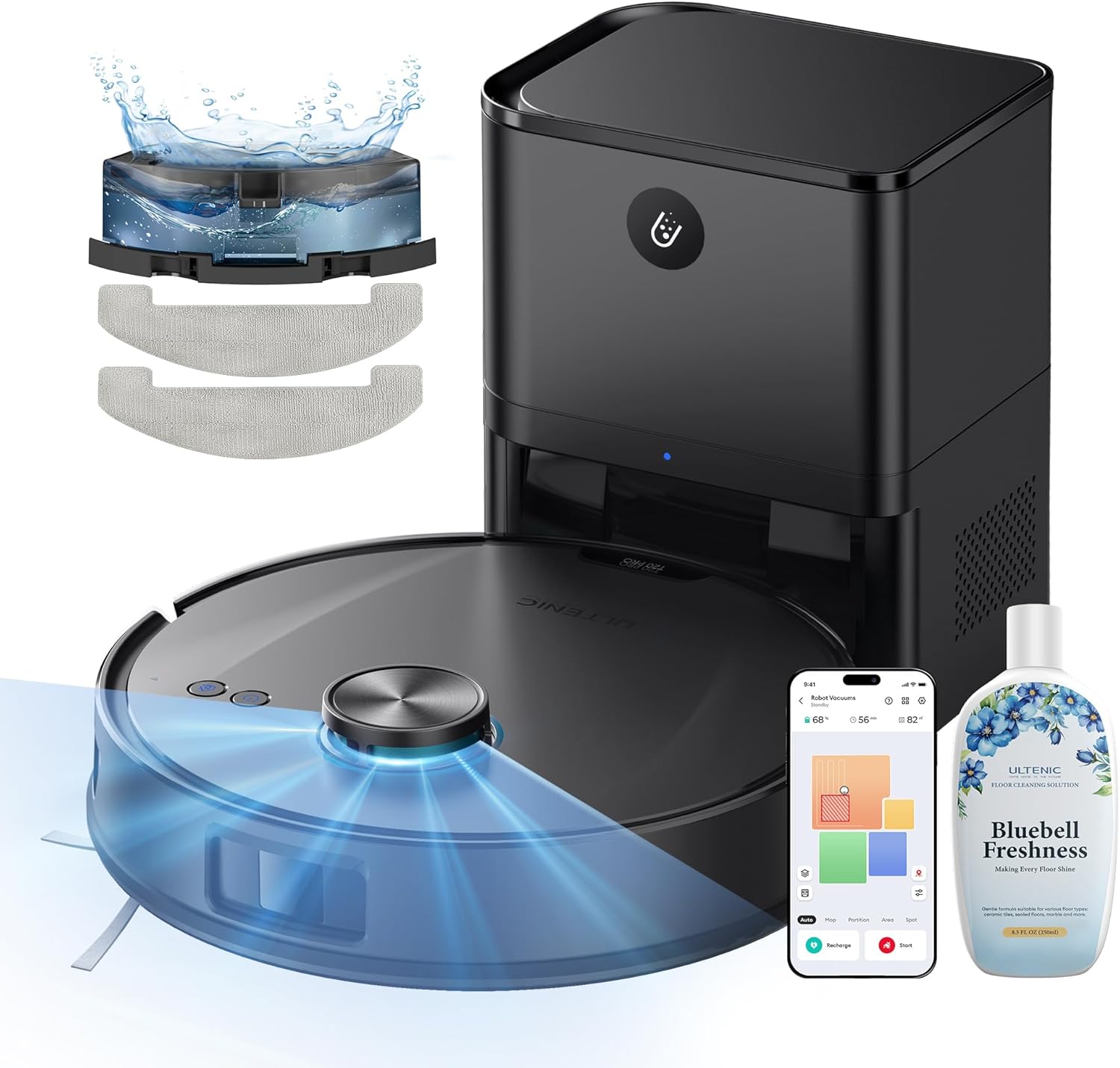
Roborock has built a reputation for reliable mapping and obstacle avoidance, and the Roborock Q Revo line shows how a well tuned robotic vacuum can handle both surfaces with minimal babysitting. In published Roborock specifications, typical run time is around 140 to 180 minutes in standard mode, which is enough for many mixed floor layouts when combined with precise LiDAR navigation. In daily use, a Roborock robot vacuum hardwood and carpet setup benefits from a responsive app and a cleaning brushroll that resists hair tangles while still agitating carpet fibers, which matters if you have long hair or multiple pets. Higher end Ultra Roborock models add an auto empty base, mop washing, and hot air drying, which increases day to day capacity because the robot can run multiple cycles without manual intervention.
Shark has taken a different path with its Shark Robot series, focusing on strong suction and carpet performance at a more accessible price, and the Shark PowerDetect feature automatically boosts suction when it senses more debris in carpet. In mixed floor homes, that means a Shark Robot can stay quieter on hard floors downstairs but still dig into upstairs carpet when needed; Shark’s own literature often quotes noise levels in the 60 to 70 decibel range in standard modes, which is comparable to a normal conversation. Its mopping options remain more limited than Dreame or Roborock vacuum mop systems, so buyers who prioritize advanced mopping may want to confirm pad lift height and water control in the product documentation. For a broader comparison of the best robotic vacuums for mixed floor types, a dedicated guide to top robot vacuums for mixed floors can help you match a specific model to your layout, budget, and tolerance for maintenance.
Carpet deep cleaning versus hardwood finesse: what really matters
When you live with hardwood downstairs and carpet upstairs, you quickly learn that raw suction numbers do not tell the whole story. A robot vacuum that claims a very high max Pascal rating can still underperform if its brush design, airflow path, or cleaning brushroll sealing are poorly executed, especially on hard floors where debris tends to scatter. On carpet, the same robotic vacuum might dig in aggressively yet leave fine dust embedded if the brush bristles are too soft or the side brush flicks dirt away from the intake.
Independent tests that measure carpet deep clean percentages, like the 94 percent score for the Dreame L60 Ultra PE reported by Vacuum Wars, give a clearer picture of how much debris a robot can actually remove from medium pile carpet in a single pass. For hardwood floors, the best robot vacuums leave minimal snowplowing of crumbs, avoid pushing rice or sand ahead of the bumper, and maintain consistent edge cleaning along baseboards without relying solely on a flimsy side brush. In practice, that means looking for a robot vacuum hardwood and carpet model with a floating brush assembly, a well sealed intake, and a vacuum mop mode that can be disabled or fully lifted on carpet.
Parents should also pay attention to noise levels and cleaning patterns, because a robotic vacuum that zigzags efficiently and finishes a downstairs hard floor zone in under an hour is easier to schedule around naps. Some Dreame and Roborock models offer quiet modes in the app that reduce suction slightly on hard floors while still picking up daily debris; manufacturer specs and reviewer measurements often place these quiet modes in the 55 to 60 decibel range at one metre. On carpet upstairs, enabling max or turbo modes for weekly deep cleaning runs can help maintain fibers and reduce embedded pet hair, even if you keep everyday runs at a lower power setting.
Docking, auto empty bases and real day to day capacity
The dock you choose for a robot vacuum hardwood and carpet setup often determines how hands free the system really feels over weeks, not just days. An auto empty base allows the robot to dump its dustbin into a larger bag or bin after each run, which is especially useful in homes with lots of pet hair or fine dust from older carpet. When you combine an empty base with a self washing mop station, as seen on some Dreame Ultra and Ultra Roborock models, the effective day capacity increases dramatically because you can go several days without touching the robot at all.
Price differences between basic docks and full auto empty stations can be significant, so it helps to think about your actual cleaning load and tolerance for maintenance. A busy parent with two dogs, kids tracking in sand, and a mix of hardwood floors and carpet will benefit more from a high capacity robotic vacuum dock than a single person in a small apartment with mostly hard floors. Shark Robot models with auto empty features often come in at a lower price than comparable Roborock or Dreame systems, though they may lack some advanced mopping and obstacle avoidance capabilities.
Dock placement also matters in mixed floor homes, because a robot vacuum that starts from a downstairs hard floor zone must still reach upstairs carpet efficiently if you expect whole home coverage. Some families choose to keep one robotic vacuum with a vacuum mop function downstairs near the kitchen and another simpler robot upstairs focused only on carpet, which can be more reliable than asking a single robot to manage stairs and multiple levels. If you ever run into docking errors, navigation faults, or repeated bin full alerts, a troubleshooting guide on diagnosing common robot vacuum faults can help you resolve issues at home without immediately calling support.
Practical layout strategies and app settings for mixed floors
Getting the best from a robot vacuum hardwood and carpet system is as much about setup as it is about hardware. Modern robot vacuums rely on detailed maps in the app, and taking time to label rooms, set no mop zones on carpet, and define cleaning schedules pays off quickly in fewer interruptions. For hardwood floors downstairs, you can often schedule daily or every other day runs in standard power mode, while upstairs carpet may only need two or three deep cleaning sessions per week.
Surface specific zones are particularly useful when you use a vacuum mop model that can both vacuum and mop, because you can tell the robot to mop only hard floors while vacuuming carpet without water. On many Dreame, Roborock, and Shark Robot apps, you can draw virtual boundaries around rugs that you do not want the mop to cross, which protects sensitive carpet fibers and prevents damp edges. If your robotic vacuum supports multi floor mapping, create a separate map for upstairs carpet and adjust suction, water levels, and cleaning frequency independently from the downstairs hard floor map.
Obstacle avoidance settings also deserve attention in homes with toys, pet bowls, and cables scattered across both levels, because a robot that can recognize small objects will spend less time stuck and more time actually cleaning. Some robotic vacuums allow you to choose between more cautious navigation, which slows the robot but reduces bumps on furniture, and more aggressive modes that cover floors faster but may tap chair legs more often. For busy parents, a slightly slower but more reliable cleaning pattern often feels like the best tradeoff, especially when you want the robot to run quietly during naps without constant supervision.
Key figures for mixed floor robot vacuum performance
- Dreame L60 Ultra PE achieved a 94 percent carpet deep clean score in independent Vacuum Wars testing, placing it among the highest performing robot vacuums for medium pile carpet in its class; see the Vacuum Wars Dreame L60 Ultra PE review for full test protocol.
- Many premium robot vacuums now advertise suction ratings above 5 000 Pascal, yet real world tests from reviewers such as Vacuum Wars and other lab style channels show that brush design and airflow can change effective pickup by more than 20 percent between models with similar specs.
- Mop lift systems that raise pads by at least 10 to 12 millimetres reduce accidental carpet wetting on medium pile rugs by a significant margin compared with 5 to 8 millimetre lifts, according to manufacturer documentation and in house demonstration videos from major brands.
- Auto empty bases can extend the time between manual dustbin emptying from daily to weekly or even biweekly intervals in homes with pets, which is especially valuable when cleaning both hardwood floors and carpeted bedrooms.
- Multi floor mapping features on higher end robotic vacuums allow users to store separate maps for each level, and surveys reported by major brands indicate that a large share of owners with stairs rely on this function to manage mixed floor layouts.
FAQ: robot vacuums for hardwood downstairs and carpet upstairs
Do I need two robot vacuums for a two level home
You do not always need two robot vacuums, but it can simplify things if your home has complex stairs or very different floor types. A single robot vacuum hardwood and carpet model can work if you are willing to carry it between levels and if it supports multi floor mapping. Families who want fully hands free cleaning often place one vacuum mop robot downstairs for hard floors and another simpler robotic vacuum upstairs focused on carpet.
Will a robot vacuum damage hardwood floors
A well designed robot vacuum should not damage hardwood floors, provided its wheels, brush, and cleaning brushroll are free of trapped debris that could scratch. Look for models with soft rubber wheels, a floating brush, and gentle obstacle avoidance to reduce hard bumps against furniture. Regularly checking the side brush and main brush for grit or small stones will further protect your hardwood floors from accidental marks.
How do robot vacuums avoid wetting carpet when mopping
Robotic vacuums that include a mop function rely on carpet detection and mop lift mechanisms to keep pads off rugs. Better models, such as those with 10 to 12 millimetre or full retraction lifts, can raise the mop high enough to cross low and medium pile carpet without leaving moisture. You should still set no mop zones in the app around sensitive carpet areas to provide an extra layer of protection.
Is an auto empty base worth the higher price
An auto empty base is usually worth the higher price in homes with pets, kids, and a mix of hardwood and carpet, because bins fill quickly with hair and fine dust. The empty base lets the robot vacuums maintain strong suction and consistent cleaning without you stopping runs to empty a small bin. If your cleaning load is light and you do not mind frequent manual emptying, a standard dock can still be a reasonable choice.
Which brands handle mixed floors most reliably
Based on independent testing and long term use reports from reviewers, Dreame, Roborock, and Shark Robot models tend to handle mixed hardwood and carpet layouts more reliably than many budget brands. Dreame Ultra and Ultra Roborock lines combine strong suction, advanced mopping, and robust app controls, while Shark PowerDetect technology focuses on carpet performance at a more accessible price. Whatever brand you choose, prioritize proven obstacle avoidance, clear mop lift specs, and a track record of solid support rather than just the lowest upfront cost.
Buyer checklist: mixed hardwood and carpet robot vacuums
- Carpet pickup: look for independent deep clean scores above roughly 85 percent on medium pile tests, or verified user reports of strong pet hair removal.
- Mop lift and carpet protection: aim for at least 10 millimetres of pad lift or full retraction, plus automatic carpet detection and app based no mop zones.
- Navigation and mapping: LiDAR or similarly precise mapping, multi floor map storage, and reliable obstacle avoidance for toys, cables, and pet bowls.
- Noise and run time: quiet modes around 55 to 60 decibels for downstairs hard floors, and at least 120 minutes of rated run time for whole level coverage.
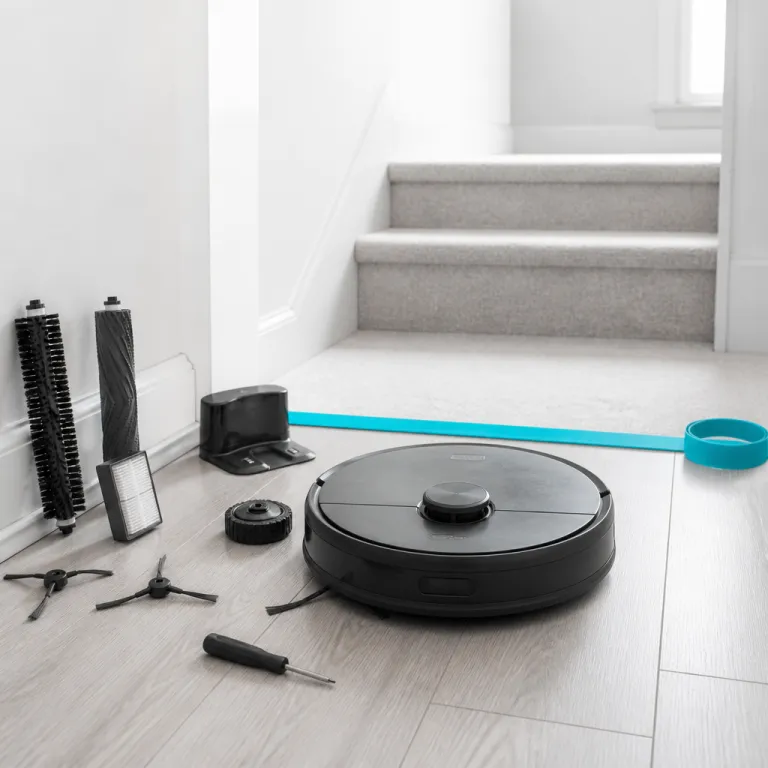
- Dock and maintenance: auto empty base if you have pets or kids, easy access to brushes and filters, and clear manufacturer documentation for replacement parts.