
How to judge the best robot vacuum mop combo for pet hair
The best robot vacuum mop combo for pet hair has to handle fur, dander, and dried paw prints without babysitting. A strong vacuum with at least 4 000 Pa of suction, a reliable mop system, and smart obstacle avoidance will matter more in a pet home than flashy app graphics or inflated Amazon stars. When you compare robot vacuums, think about your hard floors, your carpet, and how often your dog or cat actually sheds, not just what the box promises.
Start with the basics of the vacuum itself, because no mop can fix poor hair removal. A capable robot vacuum should pull embedded pet hair from carpet while its main brush and side brush avoid wrapping long hair hard around the roller, and the best robot models now use anti tangle combs or rubber fins to keep cleaning consistent. Look for robotic vacuums that pair this with a sealed HEPA style filter, since pet hair and dander become airborne dust that affects allergies long after the robot finishes its route.
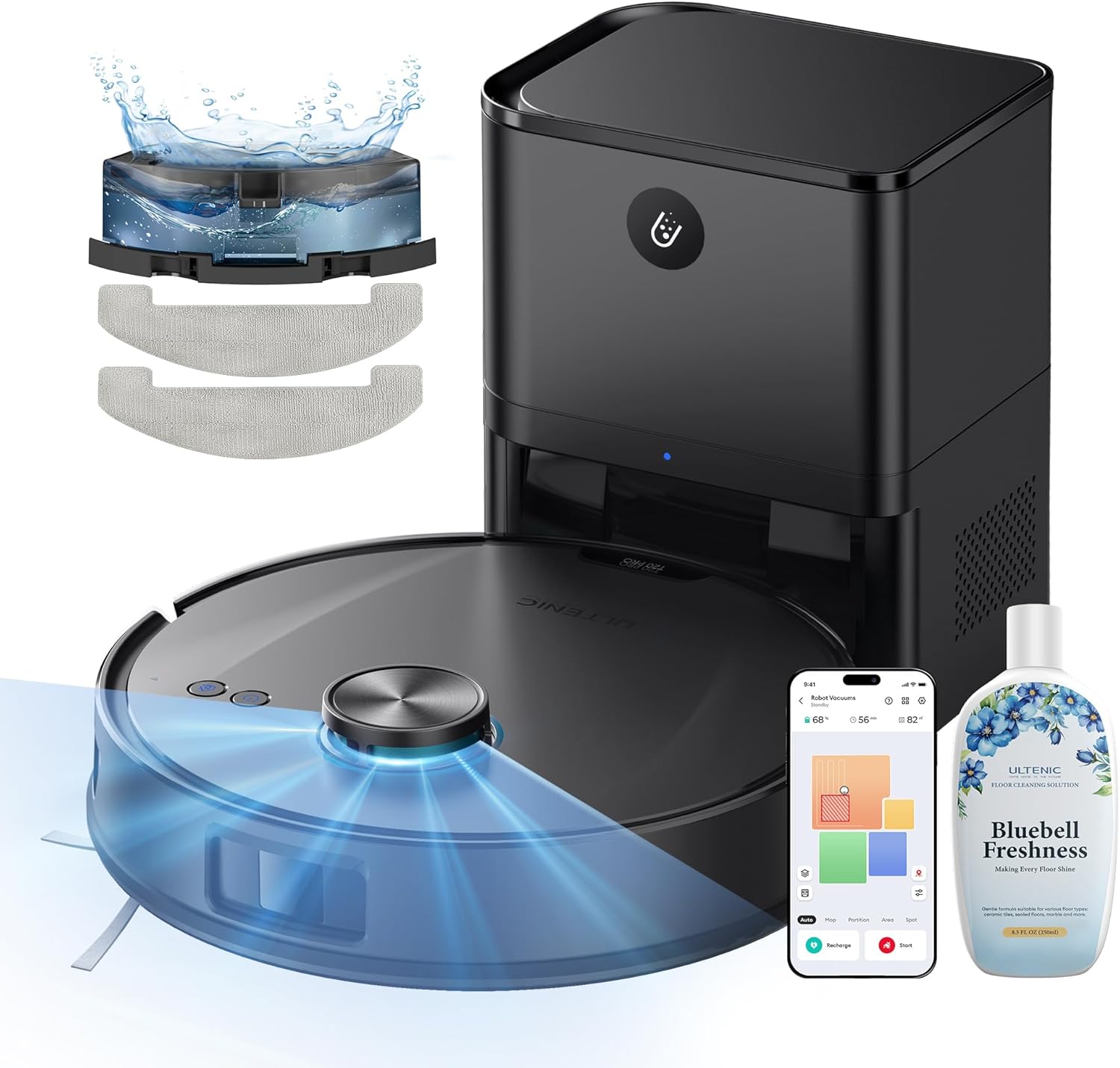
Mopping performance is the second pillar, not an afterthought. A serious vacuum mop combo will apply real downward pressure through its mop, keep the pad or roller rinsed, and manage dirty water so you are not just pushing a grey film across hard floors. When brands talk about ultra mopping or pro ultra docks, ignore the marketing language and check whether the dock actually uses hot water, scrubs the pad, and keeps clean and dirty tanks separate for repeat cleaning days.
Navigation is the third leg of this stool. Robots with lidar navigation build accurate maps, see furniture edges, and maintain straight lines, which matters when you want even mopping coverage on large hard floor areas. Good obstacle avoidance also keeps the robot from dragging pet toys, cables, or stray socks through wet zones, which protects both the mop and your rugs.
Finally, think about emptying and maintenance. Auto empty docks reduce how often you touch the dustbin, which is a real benefit when you deal with heavy pet hair every day, but they also add cost and noise. For many pet owners, a midrange robotic vacuum with a strong brush design, decent obstacle avoidance, and a simple mop combo will outperform a flashy ultra dock that still leaves hair on the carpet.

Pad mops versus roller mops for muddy paws and drool
Pet homes push mopping systems harder than almost any other environment. A robot vacuum that only drags a damp pad behind light suction will not keep up with dried drool, kitchen spills, and the gritty film that forms where dogs lie on hard floors. When you evaluate the best robot vacuum mop combo pet hair options, you need to understand how pad based and roller based mopping actually behave on real messes.
Pad based mopping is what most robot vacuums still use. A flat microfiber pad sits behind the vacuum, and the robot drips water from a tank while the pad wipes the floor, which works well for dust and light pet hair but struggles with sticky spots and repeated traffic lanes. Some premium models now add vibration or oscillation to the pad, which improves cleaning, yet they still rely on frequent pad washing to avoid smearing dirty water across hard floors.
Roller based mopping, by contrast, uses a cylindrical roller that spins against the floor. Systems like the MOVA S70 Roller apply around 17 N of downward pressure through a roller mop, which creates a scrubbing action closer to a compact floor washer than a simple robot mop. This design can lift dried mud from tile grout and remove hair hard stuck to the floor, but it also needs careful obstacle avoidance so the roller does not catch loose cables or soft thresholds.
For mixed homes with carpet and hard floor zones, pad systems still have one advantage. Many pad based robot vacuums can lift the mop several millimetres when they detect carpet, or they use virtual no mop zones in the app, which reduces the risk of soaking rugs during automatic cleaning. Roller systems tend to be heavier and may require stricter carpet avoidance rules, so you must check how each robotic vacuum handles transitions before you run it unattended.
If your priority is pet hair removal from carpet first and mopping second, a strong vacuum with a pad mop combo often gives the best balance. If your dogs track in clay soil or you have large hard floors that always look grey, a roller style robotic vacuum with a robust dock and hot water washing can justify its higher price. For deeper model by model comparisons focused on demanding pet homes, you can read this detailed guide on expert picks for the best robot vacuum for pet hair and then match those findings to your own floor plan.
Why water tanks, hot water docks, and hygiene matter in pet homes
Water capacity sounds like a boring spec until you live with two shedding dogs and a robot mop. Small tanks run dry halfway through a loop, which leaves half your hard floors untouched and forces you to refill the robot vacuum mid cycle. Larger onboard tanks or dock fed refill systems let you schedule daily mopping without thinking about it, which is exactly what most pet owners need.
Auto wash docks with hot water change the game for hygiene. When a dock can rinse the mop pad or roller with hot water, scrub it against a washboard, and then blow warm air to dry it, you avoid the sour smell that many early mop combo systems developed after a week of pet hair and dirty water. This matters because bacteria and odor compounds thrive in damp pads, and a smelly dock quickly undermines the whole idea of automated cleaning.
Models marketed as ultra or pro ultra often bundle these features, but you still need to read the fine print. Some so called ultra docks only swirl the pad in lukewarm water and never fully dry it, which leaves a damp cloth sitting in a plastic tray and encourages mold growth. Others separate clean and dirty tanks properly, which keeps the mop supplied with fresh water while storing the grey water from pet messes safely until you empty it.
In practice, a well designed vacuum mop combo dock reduces your weekly chores. Instead of hand rinsing pads in the sink after every run, you empty the dirty water tank and top up the clean one once or twice a week, which is manageable even in busy pet homes. If you are sensitive to smells or have a small apartment where the dock sits near living areas, prioritizing hot water washing and active drying will make the robot feel like a quiet helper rather than a new source of odor.
Noise and safety also intersect with dock design. Some auto empty systems roar loudly when emptying, which can startle nervous pets and make night cleaning impossible, so check for a quiet mode or adjustable suction for the dock. For more detail on which robot vacuums run quietly enough for anxious animals and light sleepers, this analysis of night mode cleaning and nervous pets offers practical guidance that goes beyond marketing claims.
Carpet avoidance, mop lifting, and obstacle avoidance around pet zones
Pet homes rarely have one uniform surface, which makes carpet avoidance and mop lifting crucial. A robot that mops beautifully on tile but drags a wet pad over your wool rug will not feel like the best robot vacuum mop combo pet hair solution for long. You need a robotic vacuum that can tell hard floors from carpet and then adjust its behavior automatically.
Modern lidar navigation helps here by mapping floor levels and room boundaries accurately. Many robot vacuums use this map to apply different cleaning rules, such as vacuum only on carpeted bedrooms and vacuum mop on kitchen hard floors, which keeps moisture away from sensitive textiles. Some models also use ultrasonic carpet detection to trigger mop lifting, raising the pad by several millimetres so it hovers above low pile rugs while the vacuum continues to work.
Obstacle avoidance is just as important in pet spaces. A robot vacuum that lacks good obstacle avoidance may plow through dog bowls, drag leashes, or smear an unnoticed accident across half the house, which turns one small mess into a full scale cleaning job. Look for robots that combine lidar navigation with front facing cameras or structured light sensors, because this hybrid approach improves recognition of small obstacles like toys and cables.
Pet specific hazards deserve special attention. If your animals sometimes have accidents indoors, you should favor a robot that can identify and avoid soft obstacles on the floor, rather than one that simply pushes through anything under a certain height. Some brands now train their obstacle avoidance systems on common pet items, which reduces the risk of a mop combo spreading waste across hard floors and carpet alike.
Security is another angle that many buyers overlook. Connected robots rely on Wi Fi and cloud services, and vulnerabilities can expose camera feeds or remote control functions, as highlighted in this report on a cloud flaw that left millions of robot vacuums open to remote takeover. When you choose a best robot model for your home, check how often the manufacturer updates firmware and whether you can limit cloud access while still using core cleaning features.
Daily schedules, hair management, and anti tangle design
For most pet owners, the schedule matters as much as the spec sheet. A robot vacuum that runs once a week will always lose to a simpler model that vacuums and mops every day, especially when you deal with constant pet hair on hard floors. The best robot vacuum mop combo pet hair setups treat the robot like a quiet background appliance, not a special event.
Daily or near daily runs keep hair from matting into carpet and reduce the amount of grit that mopping has to lift. When the vacuum passes over the same routes frequently, its brush and side brush pick up shorter hair strands before they twist into dense clumps, which makes anti tangle features more effective. This rhythm also means the mop only has to handle light films and fresh paw prints, rather than week old grime that requires heavy scrubbing.
Anti tangle engineering is not just a buzzword in this context. Robots designed for pet hair use rubber or hybrid brushes with comb like ridges that strip hair from the roller into the suction path, which reduces manual hair removal sessions where you cut hair hard off the brush with scissors. Some robotic vacuums also shape their brush guards and end caps to prevent hair from wrapping around the axles, which is a common failure point in cheaper vacuums.
Emptying routines tie into this as well. Auto empty docks can store several weeks of dust and pet hair in a bag, which keeps the robot vacuum ready for frequent runs without you touching the bin, but you still need to check the brush and side brush weekly for trapped threads. If you prefer a simpler setup without a dock, plan on emptying the bin after every full home cleaning, because pet hair fills small bins quickly and reduces suction if left packed in.
Finally, think about how your pets react to the robot. Some dogs relax if the robot vacuums while they are out on a walk, while others adapt quickly to a predictable schedule and ignore the noise, so experiment with timing to reduce stress. A calm, consistent routine makes it easier for you to keep floors clean and for your animals to accept the robotic vacuum as part of the household background.
Model snapshots: Dreame L60 Ultra PE, Dreame Pro Ultra, and value picks
Names and numbers on boxes only help if you know what they mean. Among current options, the Dreame L60 Ultra PE stands out because it pairs strong suction with a thoughtful mop design that suits pet homes, especially those with mostly hard floors. In independent testing, the Dreame L60 Ultra PE scored rare perfect pet hair pickup results while delivering strong mopping via its extending mop arm, which is unusual in a compact robot vacuum.
The Dreame Ultra dock system behind that robot handles pad washing and drying with hot water, which keeps odors down in homes with multiple pets. Its extending mop arm lets the vacuum mop reach closer to baseboards and under toe kicks, which removes the grey line that many mop combo systems leave along edges. For mixed flooring, its carpet avoidance logic lifts the mop and boosts suction on rugs, though you still need to set no mop zones for very thick carpet.
Stepping up, the Dreame Pro Ultra line adds more automation. These robots integrate larger water tanks, stronger suction, and more advanced obstacle avoidance, which helps them navigate cluttered living rooms full of pet beds and toys without constant rescues. If you have large hard floors and want a mostly hands off experience, a Dreame Ultra or Pro Ultra package can justify its price by reducing both manual mopping and brush maintenance.
Value focused buyers should not ignore midrange models like the Ecovacs T80S Omni. This robotic vacuum became a best value pick in independent tests by maintaining strong vacuuming and roller mopping at a lower price point, which makes it attractive for first time robot owners with one or two pets. Its dock handles auto emptying and pad washing, though its obstacle avoidance and app polish sit a step below the most expensive vacuums best in class.
When you compare these robots on Amazon or brand sites, resist the urge to rank them only by stars or headline suction numbers. Think about your specific mix of carpet and hard floors, how often you can tolerate dock noise, and whether you prefer a pad based mop or a roller system for your particular pet messes. The best robot for your home is the one that fits your layout, your animals, and your tolerance for maintenance, not the one with the flashiest marketing video.
Key figures for robot vacuum mop combos in pet homes
- Independent lab tests have measured premium robot vacuums reaching 4 000 to 8 000 Pa of suction, which is roughly double the suction of many early generation robots and crucial for extracting pet hair from medium pile carpet (data compiled from major manufacturer spec sheets).
- In comparative testing of robot vacuum mop combos, models with active pad washing and drying reduced measured bacterial growth on mop pads by more than 80 percent after one week of daily use, compared with robots that only air dried pads on the dock (data reported by third party hygiene studies on floor cleaning systems).
- Surveys of pet owning households show that moving from weekly manual mopping to daily robotic mopping can cut visible floor soiling scores by around 40 percent, especially in high traffic kitchen and entry areas where dogs and cats enter from outside (consumer panel data from home cleaning research firms).
- Auto empty docks typically hold between 30 and 60 days of debris for an average single pet home, but heavy shedders or multi pet households often fill bags in 15 to 20 days, which means bag cost and capacity should be factored into long term ownership budgets (manufacturer capacity ratings and user field reports).
- Noise measurements place many robot vacuums between 55 and 70 dB during standard cleaning, while auto empty events can spike above 80 dB, a level that startles a significant share of dogs according to veterinary behavior guidance, so quiet modes and scheduled emptying windows are important for animal welfare.
FAQ about robot vacuum mop combos for pet homes
Are robot vacuum mop combos safe to use around pet accidents ?
Robot vacuum mop combos are safe around pets only if their obstacle avoidance is good enough to recognize and avoid soft messes. If your animals sometimes have accidents indoors, choose a robot with camera based obstacle avoidance and pet specific training, then set no mop zones in likely accident areas. You should still clean any accident manually before running the robot vacuum again, because no current model can sanitize biological waste on its own.
Can a robot mop replace manual mopping in a multi pet home ?
A capable robot mop can replace most routine manual mopping in many pet homes, but it will not eliminate the need for occasional deep cleaning. Daily or every other day runs keep surface grime, paw prints, and light spills under control, especially on sealed hard floors. You will still want a manual mop or scrubber for stubborn stains, grout lines, and rare heavy messes that exceed what a robotic vacuum can safely handle.
Will a robot vacuum mop combo damage my carpet or rugs ?
Modern robot vacuum mop combos are designed to protect carpet and rugs through mop lifting, carpet detection, and virtual no mop zones. When configured correctly, the robot should vacuum carpet while keeping the wet mop off textile surfaces, though very high pile or shag rugs may still confuse sensors. To minimize risk, mark sensitive rugs as no mop or even no go zones in the app and test the robot under supervision for the first few runs.
How often should I clean the brushes and mop parts in a pet home ?
In a home with one or two moderate shedding pets, checking the main brush, side brush, and mop pad once a week is usually enough. Heavy shedders or multi pet households may need brush inspections every few days, especially during seasonal shedding peaks when hair removal demands increase. Auto wash docks reduce pad maintenance, but you still need to rinse tanks, wipe seals, and trim any hair hard wrapped around brush ends to keep the robotic vacuum running reliably.
Is an auto empty dock worth paying for if I have pets ?
An auto empty dock is often worth the extra cost for pet owners who run their robot vacuum daily. The dock keeps the onboard bin clear so suction stays strong for pet hair pickup, and it reduces how often you handle dusty bins, which helps allergy sufferers. If your budget is tight, you can skip the dock, but you must commit to emptying the bin after each full cleaning and cleaning the filter regularly to maintain performance.