
Robot vacuum vs stick vacuum comparison for real homes, not showrooms
A robot vacuum vs stick vacuum comparison only makes sense when you anchor it in your actual rooms, habits, and messes. A compact apartment with mostly hard floors and a single cat needs a very different vacuum cleaner strategy than a busy family house with three kids, stairs, and wall to wall carpet. Before you chase the best robot or the flashiest cordless stick, you need to decide what “clean enough” means for your floors on a normal weekday.
Think of a robot vacuum as an automated cleaning assistant that trades peak suction power for relentless daily coverage. Modern robot vacuums like the Roborock Q5 and iRobot Roomba i4 offer suction around 2 000 to 2 700 Pa, which is weaker than a premium cordless vacuum but strong enough for daily dust, crumbs, and pet hair on most floors. A stick vacuum such as the Dyson V8 or Samsung Jet 75 can hit much higher suction power in boost mode, yet you only benefit when you actually pull the vacuum stick out of the closet and spend the time to clean.
For many households, the vacuum better question is not which cleaner is objectively stronger, but which one you will actually use often enough. A robot vacuum that runs on a daily schedule can quietly keep your floors clean under furniture while you work, even if its strong suction is lower than a plug in upright. A cordless vacuum cleaner with great suction power is wasted if it only comes out once every two weeks, leaving dust and pet hair to build up in corners and on carpets.
- + Silencieux
- + Connecté avec WiFi/Bluetooth/Alexa/App
- + 6 Modes de Nettoyage
- + Auto-Charge
- + 8000 Pa de puissance d'aspiration

Where robot vacuums genuinely shine in daily life
Robot vacuums earn their keep through consistency rather than brute force, especially in small to medium homes with mostly hard floors. Set a robot vacuum to run once or twice daily and it will quietly patrol under beds, sofas, and low cabinets, reaching floor areas where a stick vacuum or traditional vacuum cleaners rarely go. That automated routine matters more than headline suction numbers when you are fighting dust, pet hair, and tracked in grit every single day.
On bare floors like tile, vinyl, and sealed wood, a midrange vacuum robot can match or beat a rushed manual pass with a cordless stick vacuum, simply because it covers the same floor repeatedly. In testing, models such as the Eufy RoboVac 11S and Roborock Q5 consistently picked up fine dust and pet hair that a quick human run with a cordless vacuum often missed along baseboards. If you want more detail on how different automatic floor cleaners behave, guides on choosing the right automatic floor machine for your home can help you translate specs into real cleaning patterns.
Time is the other big win for robot vacuums, because automated cleaning converts your laziness into an advantage. Once you program a robot vacuum cleaner, every run happens while you cook, work, or sleep, so the time cost of clean floors drops close to zero. Over a month, that can mean several hours of vacuuming you did not have to do yourself, which is where a robot vacuum vs stick vacuum comparison tilts heavily toward the robot for busy or mobility limited owners.
Where stick vacuums still beat robots, especially on carpets
Stick vacuums remain the better tool when you need raw suction power and precise control, particularly on thick carpets, rugs, and stairs. A good cordless stick like the Dyson V10, Shark Stratos cordless vacuum, or Tineco Pure One S11 can deliver strong suction that digs deep into carpet pile, pulling out embedded grit that most robot vacuums simply skate over. When you squeeze the trigger on a high power cordless vacuum, you feel the cleaner head grab the floor in a way no current robot can match.
Stairs, upholstery, car interiors, and tight corners are also classic stick vacuums territory, because you can angle the vacuum stick exactly where crumbs and pet hair hide. Most robot cleaners struggle with complex multi level layouts, and even the best robot vacuum models cannot climb stairs or clean sofa cushions. For these awkward zones, a lightweight vacuum cordless design with a mini motorized cleaner head or anti tangle pet hair tool is still the vacuum best option.
Edge cleaning is another weak spot for many robot vacuums, even those marketed as the best robot for baseboards and corners. Side brushes can flick debris away or miss narrow gaps, while a cordless stick vacuum lets you trace the floor edge with the nozzle until it looks truly clean. If you care a lot about baseboard detail, it is worth reading independent tests of edge cleaning arms and extendable mops that actually reach your baseboards, because these show how much robot cleaners still leave for manual tools.
Hybrid strategies: when owning both actually makes financial sense
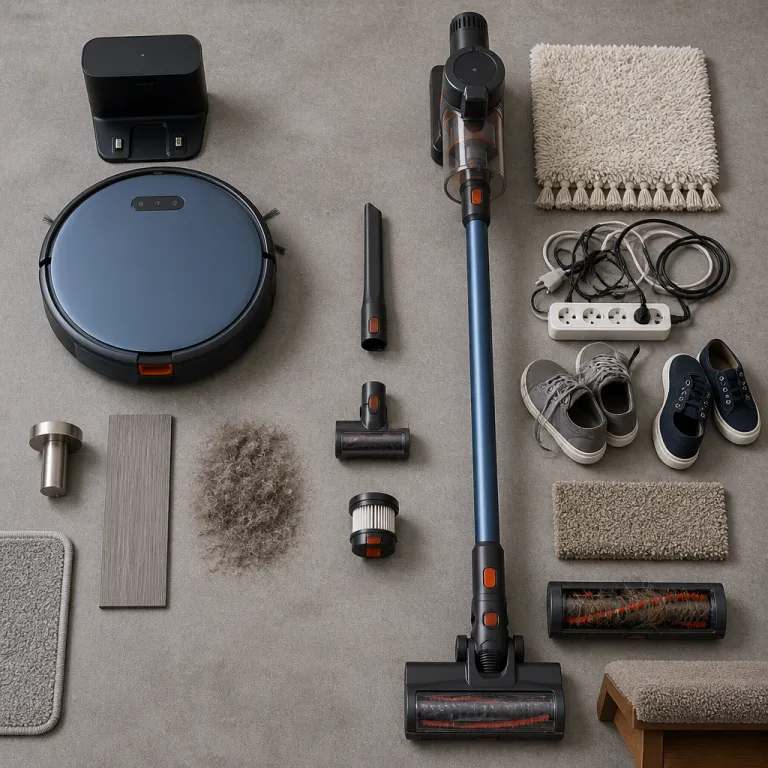
For many households, the smartest robot vacuum vs stick vacuum comparison ends in a hybrid answer rather than a single winner. A robot vacuum handles the boring daily cleaning on open floors, while a cordless stick vacuum comes out weekly for deep cleaning carpets, stairs, and upholstery. This pairing lets each cleaner play to its strengths, so you get both automated coverage and high power spot cleaning without overpaying for one do everything machine.
A practical setup for a budget conscious shopper might be a midrange robot vacuum like the Roborock Q5 paired with an affordable cordless stick such as the Wyze cordless vacuum or a basic Shark cordless stick. The robot vacuums run on a daily schedule to keep floors clean from crumbs and pet hair, while the stick vacuums handle rugs, sofas, and quick messes in a few focused sessions each week. Over time, this can be vacuum better value than buying a single premium cordless vacuum cleaner and trying to use it for every task, because the robot quietly prevents dirt from ever building up.
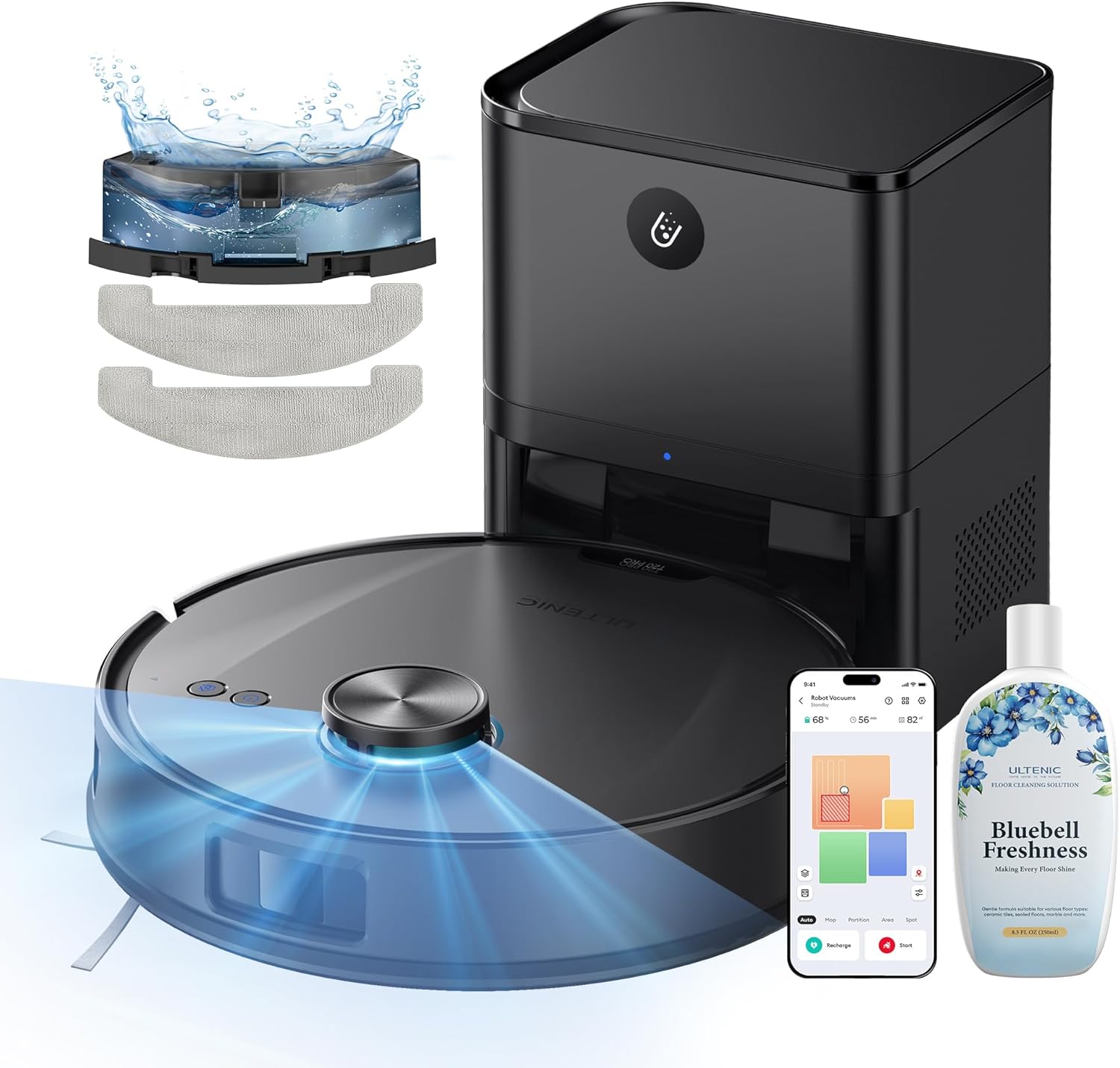
If you are considering a vacuum mop combo, the hybrid logic still applies, but with an extra twist. A robot vacuum mop like the Roborock Q Revo or Ecovacs Deebot T20 Omni can handle both vacuuming and mopping on hard floors, yet you will still want a cordless vacuum for carpets and stairs. For a deeper dive into how different automated cleaners and vacuum mop models compare in real homes, long form testing reports on cleaning industry news and how to choose the best models for your home are more useful than short marketing blurbs.
Floor types, pet hair, and what “clean enough” really means
Your floor mix should heavily influence any robot vacuum vs stick vacuum comparison, because robots and cordless vacuums behave very differently on carpet versus hard floors. On mostly hard floors with a few low pile rugs, a competent robot vacuum cleaner can keep things looking clean with minimal human effort, especially if it runs daily. In contrast, a home dominated by thick carpet and shag rugs still favors a powerful cordless stick vacuum or plug in vacuum cleaners with strong suction and a motorized brush roll.
Pet hair changes the equation again, because long fur can choke both robot vacuums and stick vacuums that lack proper anti tangle brush designs. If you share your home with shedding dogs or cats, prioritize cleaners with rubberized rollers, anti tangle combs, and easy access brush housings, whether you choose a robot vacuum or a cordless vacuum. Models like the iRobot Roomba j7, Shark Stratos cordless vacuums, and Dyson V12 Detect Slim are built to handle pet hair better than older cleaners that wrap fur tightly around the brush.
Think honestly about your tolerance for visible debris on the floor, because that defines what vacuum best means for you. If a few crumbs or tufts of pet hair on the floor drive you crazy, a robot vacuum that runs twice daily will feel like a lifesaver, even if its suction power is modest. If you are fine with a weekly deep clean that leaves carpets looking pristine, a single high power cordless stick vacuum may be the vacuum robot alternative that fits your habits and budget.
Where robots still fall short, and how vacuum mop combos change the game
Even the best robot vacuums have limits that matter in a serious robot vacuum vs stick vacuum comparison, especially for first time buyers. Robots still struggle with cluttered floors, cables, socks, and toys, so you must either tidy daily or accept that some areas will stay dirty until you intervene with a cordless stick. They also tend to leave heavier grit and deep down carpet dust behind, because their compact cleaners simply cannot match the suction power of a larger vacuum stick or upright cleaner.
Vacuum mop combos add a capability that stick vacuums cannot replicate without a separate mop or steam cleaner, particularly on sealed hard floors. A robot vacuum mop like the Roborock S8 Pro Ultra or Ecovacs Deebot X2 Omni can vacuum and mop in one automated run, removing sticky spills and dried footprints that a dry cordless vacuum would only smear. For households with kids, pets, and lots of kitchen traffic, this kind of automated cleaning can keep the floor feeling clean under bare feet in a way that weekly manual mopping rarely achieves.
That said, even advanced vacuum mop models still need human backup for stubborn stains, grout lines, and edges where mops and vacuums cannot reach perfectly. You will still want a cordless stick vacuum or basic vacuum cordless handheld for stairs, upholstery, and quick messes that are not worth reprogramming the robot. When you weigh the total time saved by automated daily runs against the cost of the robot and the ongoing price of mop pads and filters, you can decide whether the robot truly earns its keep in your specific home.
How to choose between robot, stick, or both for your budget
Start your robot vacuum vs stick vacuum comparison by mapping your actual cleaning routine, not by reading spec sheets. Count how many minutes you realistically spend each week with a vacuum cleaner in hand, and how often you skip vacuuming entirely because you are tired or busy. If the honest answer is that you rarely pull out a cordless vacuum even though your floors need it, a robot vacuum that runs daily is likely to deliver vacuum better results for the same or less effort.
Next, match specific models to your floor types, pets, and tolerance for maintenance, because different vacuums and cleaners demand different levels of care. A simple robot vacuum like the Eufy RoboVac 11S or Roomba i3 can be ideal for small apartments with mostly hard floors, while a more advanced vacuum robot with mapping and stronger suction is worth it in larger homes. For stick vacuums, a midrange cordless stick such as the Tineco A11 or Shark IZ362H often hits the best balance of power, battery life, and price for budget conscious shoppers.
Finally, be realistic about how much tech you want to manage, because automated cleaners are only as good as their setup. If you dislike apps, Wi Fi, and mapping, a straightforward cordless vacuum or plug in vacuum cleaners might suit you better than a complex best robot with multi floor maps and no go zones. If you enjoy tweaking schedules and zones, a capable robot vacuum paired with a simple handheld or cordless vacuum for spot jobs can keep your floors clean with far less daily effort than any single tool alone.
Key figures that shape the robot vs stick decision
- In independent lab tests by Consumer Reports, many midrange robot vacuums remove around 70 to 80 percent of surface debris on hard floors in a single pass, while strong cordless vacuums often exceed 90 percent on the same tests.
- Time use surveys suggest that the average homeowner spends roughly 20 to 30 minutes per week vacuuming, which means a robot vacuum running daily can replace more than two hours of manual cleaning time each month.
- Battery life for mainstream cordless vacuums typically ranges from 20 to 40 minutes on standard power, dropping to under 10 minutes on maximum suction, whereas robot vacuums often run 60 to 120 minutes per charge at moderate suction levels.
- Pet owning households report significantly higher vacuum usage, with some surveys indicating that homes with dogs vacuum or sweep floors at least four times per week, which is where automated daily cleaning from a robot vacuum becomes especially valuable.
- Hybrid households that own both a robot vacuum and a cordless stick vacuum often report using the robot three to seven times per week and the stick once weekly, illustrating how robots handle maintenance while sticks focus on deep cleaning.
FAQ
Is a robot vacuum enough on its own for most homes ?
A robot vacuum can be enough on its own in smaller homes with mostly hard floors, minimal clutter, and no heavy shedding pets. In those conditions, a robot that runs daily can keep floors looking clean, though you may still want a basic handheld or cordless vacuum for stairs and upholstery. Larger homes with thick carpets usually benefit from pairing a robot with a more powerful stick vacuum or upright cleaner.
Do stick vacuums clean carpets better than robot vacuums ?
Stick vacuums almost always clean carpets better than robot vacuums because they deliver higher suction power and more aggressive brush rolls. When you push a cordless stick over carpet, you can apply pressure and make multiple slow passes, which helps pull out embedded grit and pet hair. Robots are better at frequent light cleaning, but they rarely match a strong stick vacuum for deep carpet work.
Are vacuum mop robot combos worth it compared with a simple robot ?
Vacuum mop robot combos are worth it if you have large areas of sealed hard floors that see frequent spills, footprints, or sticky residue. These robots vacuum and mop in one automated run, reducing how often you need to use a manual mop or steam cleaner. If most of your home is carpet, a standard robot vacuum plus a separate cordless stick or traditional mop usually makes more financial sense.
How much maintenance do robot vacuums need compared with sticks ?
Robot vacuums need regular maintenance, including emptying the dustbin, cleaning filters, and removing hair from brushes, typically once or twice per week in homes with pets. Stick vacuums require similar care, but you perform it less often if you vacuum less frequently. If you dislike maintenance, look for anti tangle brush designs and easy access parts on both robots and cordless vacuums.
What is the best choice for a tight budget : robot or stick vacuum ?
For a tight budget, a solid midrange cordless stick vacuum often delivers the most cleaning power per dollar, especially in carpet heavy homes. However, if you know you will not vacuum often, a basic robot vacuum that runs daily may keep your floors cleaner overall despite lower suction. Many budget conscious households eventually choose an affordable robot first, then add a modest stick vacuum later when funds allow.