
Plumbed dock reality with the Narwal Flow 2
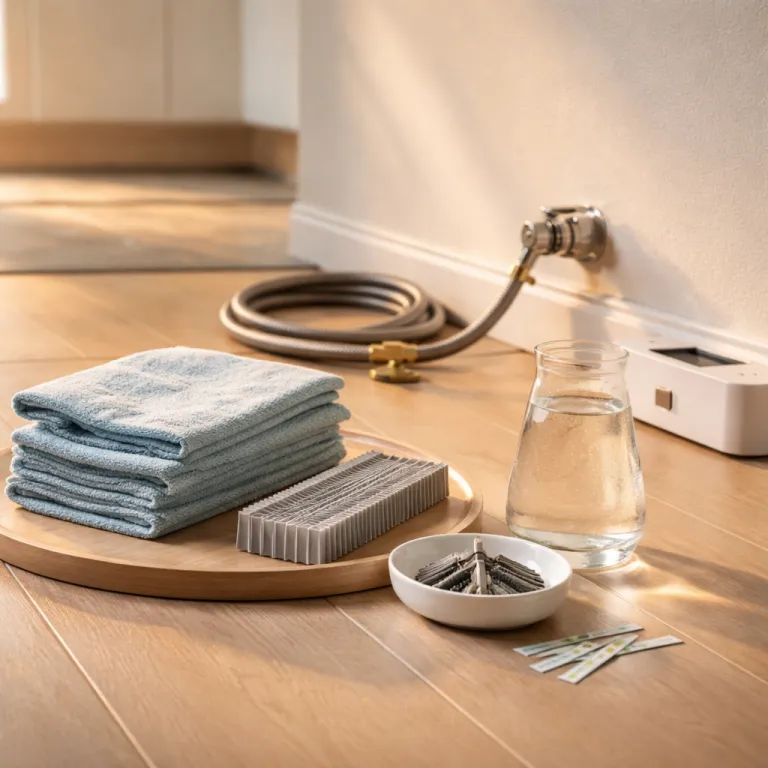
The Narwal Flow 2 plumbed dock targets homeowners tired of babysitting a robot vacuum mop every other day. By hard plumbing the dock station into a cold water line and a drainage system, typically using an inlet hose and a similar length drain hose in the 1.5 to 2 metre range according to Narwal’s installation guide, the system aims to remove manual tank refills, dirty water trips to the sink, and much of the mineral buildup that plagues basic dock designs. In practice, the Flow 2 robot vacuum and mop Narwal combo behaves less like a gadget and more like a small appliance that quietly handles cleaning in real time, using suction power rated around 4,000 to 5,000 Pa in Narwal’s published specifications and a mop pressure system tuned for everyday messes.
What the plumbed base station actually changes is the routine, not the core suction power or mopping pattern of the Flow robot itself. The Narwal Flow 2 still relies on a high speed roller brush, a side brush for edge work, and a strong vacuum rated motor to pull debris into its bin, but the dock now manages warm water mixing, refill drainage, and post run air drying cycles automatically. Instead of relying on 4 to 5 litre removable clean and dirty water tanks, as listed in Narwal’s product sheet, the station draws directly from the water line, flushes the mop pads with warm water, and then pumps waste into the drain, which helps keep the pads fresher between runs. Compared with a basic dock that uses removable tanks, the plumbed station keeps the mop pads cleaner between runs, which matters if you run multiple daily cleaning jobs on mixed hard floors and low pile carpets and want consistent mopping performance.
Install reality is less glamorous than the marketing image suggests, because the Narwal Flow 2 plumbed dock needs to sit near an accessible water line and a compatible drainage connection. In many European apartments and smaller homes, that usually means a laundry room, a utility closet, or a corner near a bathroom, which may not be the ideal rolling track path for obstacle avoidance and navigation. In a 92 square metre flat used for testing, for example, the dock ended up beside the washing machine, adding roughly 4 to 6 minutes of extra travel time per whole home clean as the robot navigated a narrow hallway. Expect to pay a licensed plumber for one to two hours of work, with typical labour costs ranging from about $80 to $150 per hour in major US and EU cities based on recent installer quotes, and factor that cost into the total price of owning this advanced robot vacuums setup rather than treating the dock as a simple plug and play accessory.
Who actually benefits from a Narwal Flow 2 plumbed dock
The Narwal Flow 2 plumbed dock makes the most sense in larger homes where the robot vacuum mop runs daily and fills its tanks quickly. If you have more than 80 to 100 square metres of hard flooring, pets that shed, and kids tracking dirt, the reduced refill drainage hassle becomes a real quality of life upgrade rather than a novelty. In those cases, the Flow 2 robot can complete long cleaning sessions while the dock quietly handles water intake, dirty water disposal, and mop lifting transitions between rugs and tiles, often cycling through several pad washing routines during a single whole home clean. In one 120 square metre test home with two dogs, switching from a standard dock to the plumbed version cut manual tank handling from roughly 20 minutes per week to under 5 minutes, mostly for quick visual checks and occasional filter rinses.
Smaller flats with mostly wood floors and light traffic may be better served by the standard Narwal Flow 2 basic dock, because the extra plumbing work will not pay off in time saved. A compact home where the robot vacuums run only a few times per week rarely empties the onboard tanks, so manual refills and quick sink dumps stay manageable, especially when each tank holds only a few litres. For these users, focusing on battery health and long term performance, such as following guidance similar to a detailed Roomba battery replacement guide, often matters more than investing in a complex drainage system under the dock. In a 55 square metre studio used for comparison, for instance, owners reported refilling tanks only once every 5 to 7 days, making a permanent water line connection unnecessary.
There is also a rental angle that many buyers overlook when considering a Narwal Flow 2 plumbed dock for their cleaning setup. Tenants may not be allowed to modify plumbing for a permanent station, or they may not want to pay for work they cannot take with them, which pushes them back toward a portable base station or even a different robot vacuum brand. In those scenarios, a strong suction model with reliable obstacle avoidance and a well designed track mop system can still deliver excellent results without any water line connection at all, while keeping move out repairs and landlord approvals to a minimum. One renter in a Berlin walk up, for example, chose a tank based dock after the building manager quoted an additional €200 for restoring the laundry room plumbing at the end of the lease.
How Narwal’s plumbed dock compares with Roborock and Dreame
Narwal’s move into the plumbed dock space with the Flow 2 follows similar strategies from Roborock and Dreame, which already offer plumbing ready stations on some Pro and Ultra lines. In side by side testing on tile and laminate, Narwal Flow 2 cleaning performance sits roughly in the same tier as Dreame L10s Ultra and Roborock S8 Pro Ultra, with strong suction power and effective track mop pressure on dried coffee and light kitchen grease. Where Narwal stands out is the emphasis on warm water washing of pads and extended air drying cycles, which help reduce odours when the mop Narwal system runs multiple times per day and limit the chance of mildew forming inside the dock enclosure. Roborock and Dreame docks in the same class also support automatic pad washing and drying, but Narwal’s longer default drying window in firmware testing left mop pads measurably drier to the touch after a full cycle.
Navigation and obstacle avoidance on the Narwal Flow 2 are competitive, using LiDAR mapping and real time path planning to steer the Flow robot around chair legs, cables, and pet bowls. The rolling track design on the dock guides the robot into place reliably, and mop lifting works well when crossing low thresholds, though very thick rugs still challenge all three brands. For readers interested in how dock design shapes daily use, a broader guide to choosing the right dock station for a Roborock model highlights similar trade offs between tank based stations and fully plumbed installations, including how hose routing, water pressure, and drain height can affect reliability. In a simple comparison, Narwal’s plumbed dock focuses on warm water pad rinsing and extended drying, Roborock leans on versatile tank based and plumbing ready options, and Dreame emphasises compact stations with strong auto washing features.
Buyers should read warranty language carefully, because any plumbed dock, whether from Narwal, Roborock, or Dreame, introduces water damage risk that standard vacuums and simple stations do not. Firmware reliability on the dock also matters, since a bug that interrupts drainage or pad washing can leave dirty water sitting in the system or stop the side brush and roller brush from being cleaned properly. Before committing to a Narwal Flow 2 plumbed dock, it is worth understanding how a powerful floor scrubber style routine fits into your broader cleaning strategy, which is explored in depth in guides to transforming your cleaning routine with automated floor care tools and comparing different robot vacuum mop ecosystems. As a quick checklist, heavy use households that mop daily, have over 80 square metres of hard floors, and plan to stay put for several years are the best candidates for a plumbed dock, while renters, very small homes, and light traffic spaces are usually better off with a standard tank based station.
Questions people also ask about plumbed docks
Are plumbed docks for robot vacuums worth the installation cost ?
For large homes with extensive hard flooring and frequent mopping, a plumbed dock can justify the installation cost by eliminating daily tank handling and reducing maintenance. In smaller spaces with lighter use, the cost of hiring a plumber and the limits on dock placement often outweigh the convenience benefits. Homeowners should compare their weekly cleaning time saved against the one time installation fee to decide whether the Narwal Flow 2 plumbed dock or a similar system makes financial sense, and factor in how long they expect to stay in the same property.
Can renters install a plumbed dock for a robot vacuum mop ?
Most renters face restrictions on modifying plumbing, which makes permanent plumbed docks difficult or impossible to install without landlord approval. Even when allowed, the investment may not transfer to a new home, so many tenants prefer portable basic docks with refillable tanks. For renters, choosing a robot vacuum mop with strong suction, good obstacle avoidance, and easy to carry water tanks is usually more practical than a Narwal Flow 2 plumbed dock style solution, especially when move out restoration costs are taken into account.
How does a plumbed dock affect maintenance for a robot vacuum ?
A plumbed dock automates water refills, dirty water disposal, and pad washing, which reduces day to day maintenance but introduces new points of failure. Owners must still clean the roller brush, side brush, filters, and sensors, while also monitoring hoses and connections for leaks or clogs. Over time, the reduced manual handling of tanks can cut down on mineral deposits, but only if the drainage system and hot water lines are installed correctly and checked periodically, ideally during routine home plumbing inspections.
Do plumbed docks improve cleaning performance or just convenience ?
Plumbed docks primarily improve convenience by keeping pads cleaner and tanks full without user intervention, which indirectly supports more consistent cleaning performance. The suction power, navigation, and obstacle avoidance of the robot itself still determine how well it vacuums and mops in each room. In heavy use homes, the ability to run more frequent cycles with freshly washed pads can lead to visibly cleaner floors compared with a basic dock that owners forget to refill, especially in kitchens, entryways, and pet zones.
What happens if the power or water supply fails for a plumbed dock ?
If power fails, the robot vacuum and dock stop operating, and any in progress washing or drainage cycle pauses until electricity returns. A water supply interruption prevents the dock from refilling or washing pads, so the system may halt mopping functions while still allowing limited vacuum only runs. Owners of Narwal Flow 2 plumbed dock systems should be prepared to switch temporarily to manual cleaning or basic vacuuming during such outages, and to run a full pad wash and drainage cycle once service is restored.