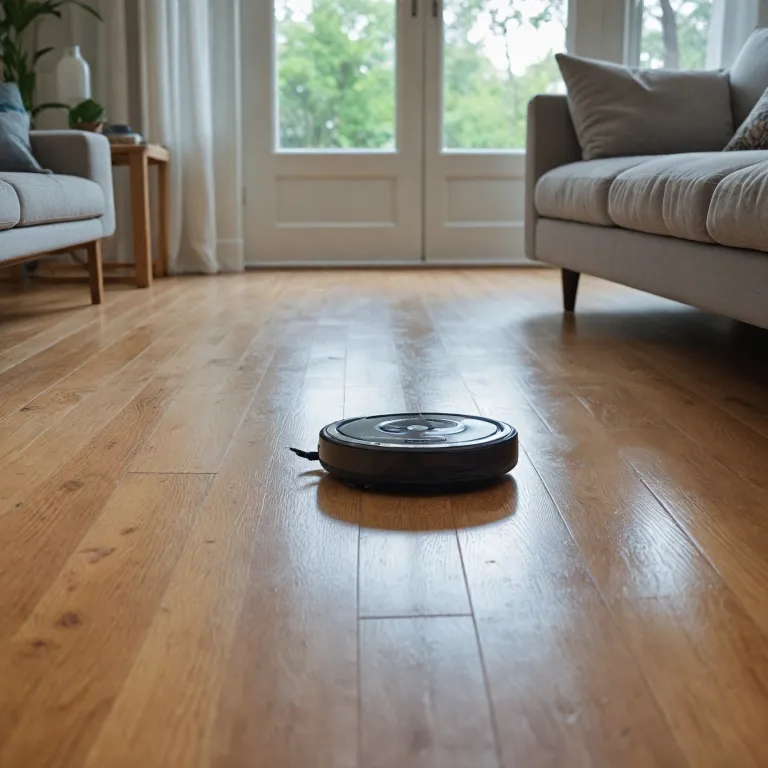

Why a robot vacuum mop is reshaping everyday home cleaning
A modern robot vacuum mop changes how you think about daily cleaning. This compact robot quietly handles vacuum and mop duties while you focus on work, family, or rest. For many households, the shift from manual mop routines to robotic vacuum systems feels as significant as moving from a broom to a powerful vacuum.
The best robot vacuum mop models combine strong suction power with controlled water flow for precise mopping. Their cleaning patterns are guided by sensors and mapping software, so the robot vacuums methodically instead of bumping randomly around furniture. When you compare these robots with traditional vacuums, the time savings and consistent clean finish become immediately obvious.
Consumers now expect a combo of vacuum and mop functions in one device. This integrated vacuum mop combo reduces clutter, because one robot replaces separate vacuums and wet dry tools. As robot vacuums improve obstacle avoidance and anti tangle brush design, they handle pet hair and crumbs on hard floors with fewer interruptions.
Brands such as Narwal, Roborock, and Roomba compete to refine every part of the robotic vacuum experience. A Narwal Freo or Freo Ultra system, for example, focuses heavily on automated mop pad washing and dirty water management. Meanwhile, a Roborock Saros or other ultra robot model emphasizes advanced mapping, auto empty docks, and extended warranty options for long term reliability.
For buyers, the challenge is not whether a robot vacuum mop works, but which robot vacuums match their home layout. You must weigh suction power, mopping performance, and dock features against budget and available space. Understanding these trade offs will help you choose a pro robot solution that genuinely reduces your cleaning workload.
How mopping technology in robot vacuums really works
The mopping system inside a robot vacuum mop is more sophisticated than a simple wet cloth. Most robots use a removable mop pad that attaches under the chassis, allowing the robot to vacuum first and then pass the damp pad over the floor. Better designs keep the mop pads under consistent pressure, so the cleaning result looks even rather than streaky.
Water management is critical, because too much liquid can damage wood while too little fails to clean. Many robot vacuums now include separate tanks for clean water and dirty water, especially in higher end mop combo stations. When the robot returns to its dock, the station rinses the mop pads, extracts dirty water, and prepares the system for the next mopping cycle.
Systems like Narwal Freo, Freo Pro, and Freo Ultra highlight how far this technology has progressed. A Narwal Freo dock can wash the mop pads automatically, while Freo Pro and Freo Ultra variants refine drying and hygiene features. Some ultra robot platforms also heat dry the mop pad to reduce odours and limit bacterial growth between cleaning sessions.
Obstacle avoidance is another essential part of mopping performance. A robot vacuum that drags a wet mop pad over carpets or loose cables quickly creates frustration instead of convenience. Premium robotic vacuum models use cameras or structured light sensors to recognise rugs, shoes, and even pet waste, then adjust their cleaning path accordingly.
For readers who want to understand how docks manage water and brushes, this detailed guide to scrubber caps and internal cleaning components offers useful context. It explains how scrubber caps help maintain consistent contact between the mop pad and the floor. Knowing these hidden details will help you evaluate whether a particular robot vacuum mop is engineered for long term reliability or only for showroom demonstrations.
Dock design, auto empty systems, and long term maintenance
The dock is the silent partner that makes a robot vacuum mop practical for everyday life. Basic docks simply recharge the robot, while advanced stations handle auto empty dust disposal, mop pad washing, and water tank management. When a robot vacuum returns to an intelligent dock, it can empty its dustbin, rinse its mop, and prepare for the next cleaning run without human intervention.
Auto empty docks are especially valuable for households with allergies or heavy pet hair. Instead of opening a small dustbin after every run, the robot vacuums transfer debris into a sealed bag inside the dock, which you replace only occasionally. This design reduces exposure to fine dust and keeps suction power consistent, because the robot’s internal bin rarely reaches capacity.
Some docks also support wet dry handling, separating clean water from dirty water after each mopping cycle. Systems like Narwal Freo, Freo Pro, and Freo Ultra use this approach to keep mop pads cleaner between sessions. When combined with anti tangle brushes on the robot, these docks reduce the manual maintenance that once made robotic vacuum ownership feel demanding.
Buyers should also consider extended warranty options when evaluating complex dock systems. A dock that manages water, heat, and auto empty functions contains more components that can fail over time. An extended warranty for a pro robot or ultra robot platform can provide peace of mind, especially when replacement parts or shipping costs are high.
For a deeper look at parts that wear out over time, consult this overview of essential floor scrubber components. It explains how brushes, seals, and scrubber assemblies influence long term cleaning performance. Combining that knowledge with a dedicated guide to replacement parts for your robot vacuum will help you plan realistic maintenance budgets.
Performance on different floors, pet hair, and real home obstacles
Real world performance of a robot vacuum mop depends heavily on floor type and household habits. On hard floors such as tile, laminate, or sealed wood, the combo of vacuum and mop can remove both visible debris and fine dust. However, thick rugs and uneven thresholds still challenge many robot vacuums, especially when a wet mop pad is attached.
Pet hair remains one of the toughest tests for any robotic vacuum. Long hair can wrap around brushes, reduce suction power, and eventually clog the vacuum channels inside the robot. Anti tangle brush designs, wider inlets, and strong motors help, but owners of multiple pets should still expect occasional manual cleaning of the brush roll.
Models like Roborock Saros, Narwal Freo, and Freo Pro often advertise enhanced pet hair handling. These robots combine high suction power with carefully shaped brush guards to reduce tangles. When paired with an auto empty dock, they can manage large volumes of pet hair without frequent bin emptying, which is crucial for busy households.
Obstacle avoidance technology has improved significantly, yet it is not infallible. A robot vacuum mop may still struggle with very dark carpets, reflective surfaces, or unexpected objects left on the floor at night. Users should expect a short learning period, during which they adjust cable management and furniture placement to support smoother cleaning routes.
Wet dry performance also varies between models and floors. Some ultra robot systems allow you to set no mop zones around carpets, while others automatically lift the mop pad when crossing rugs. Evaluating these features in relation to your specific rooms will help you choose a pro robot that cleans effectively without constant supervision or repeated rescues.
Buying criteria, pricing, and what warranties really cover
Choosing a robot vacuum mop involves more than comparing headline suction figures. You should start by mapping your home, noting floor types, room sizes, and the presence of pets or children. This assessment will guide decisions about suction power, battery capacity, and whether a mop combo or ultra robot dock is genuinely necessary.
Price tiers often reflect differences in navigation, mopping sophistication, and dock capabilities. Entry level robot vacuums may offer basic vacuum and mop functions without auto empty or advanced obstacle avoidance. Mid range and pro robot models add features such as multi floor mapping, improved wet dry control, and more durable mop pad materials.
Premium systems like Narwal Freo, Freo Ultra, and Roborock Saros typically include self cleaning docks and stronger warranties. However, buyers should read warranty terms carefully, because coverage for water related damage, shipping costs, and consumable parts can vary widely. An extended warranty may cover motors and electronics but exclude mop pads, filters, and dock bags, which remain ongoing expenses.
When comparing brands such as Narwal, Roborock, and Roomba, consider the availability of local service and spare parts. Fast shipping for replacement brushes, filters, and mop pads can keep your robot vacuum mop running at peak performance. In regions where service networks are limited, a robust standard warranty and clear repair procedures become even more important.
Finally, think about long term ownership rather than only the purchase price. A slightly more expensive robotic vacuum with reliable obstacle avoidance, anti tangle brushes, and a well designed dock may save time and frustration over several years. Balancing upfront cost, maintenance needs, and warranty protection will help you select a vacuum mop that feels like a genuine upgrade rather than a short lived gadget.
Daily use, data privacy, and realistic expectations for automation
Living with a robot vacuum mop changes your relationship with household chores, but it does not eliminate them entirely. Most owners schedule their robot vacuums to run several times per week, then handle edge cases such as deep stains or cluttered corners manually. Over time, the robot becomes another household appliance, like a dishwasher, that quietly maintains a baseline of cleanliness.
To get the best results, you will need to perform light maintenance on the robot and dock. This includes rinsing the mop pad, emptying dirty water tanks if your dock lacks plumbing, and checking brushes for pet hair or string. Regular filter replacement and occasional firmware updates also help maintain suction power, obstacle avoidance accuracy, and overall cleaning performance.
Connectivity raises important questions about data privacy and security. Many robotic vacuum models create detailed maps of your home, which are stored in apps and sometimes in cloud services. Users should review privacy policies, enable encryption where available, and decide whether remote control features justify potential data sharing.
Expectations about full automation should remain grounded in reality. Even an ultra robot with advanced mop combo features and a sophisticated dock cannot tidy toys, fold laundry, or reorganise cables. The most satisfied owners treat their robot vacuum mop as a reliable assistant that handles repetitive floor cleaning, freeing time for more meaningful tasks.
When evaluating daily life with systems like Narwal Freo, Freo Pro, Freo Ultra, Roborock Saros, or Roomba vacuums, consider your tolerance for noise, maintenance, and occasional errors. A well chosen pro robot can significantly reduce manual sweeping and mopping, especially in homes with hard floors and moderate pet hair. With realistic expectations and a bit of initial setup, these robots can provide a consistently clean environment with far less daily effort.
Key statistics about robot vacuum mop adoption and performance
- Households that run a robot vacuum mop at least three times per week report significantly lower visible dust levels on hard floors.
- Owners of robotic vacuum systems with auto empty docks tend to empty the main dust bag only every one to two months in medium sized homes.
- In comparative tests, models with anti tangle brushes reduce hair related blockages by a substantial margin versus older brush designs.
- Robot vacuums that combine strong suction power with controlled mopping pressure remove a higher percentage of fine particles from smooth floors.
- Extended warranty uptake is notably higher among buyers of ultra robot platforms that include complex wet dry dock systems.
Common questions about robot vacuum mop systems
How often should a robot vacuum mop run in a typical home ?
Most households achieve good results by running their robot vacuum mop three to five times per week. Homes with multiple pets or high foot traffic may benefit from daily runs. Adjust the schedule based on visible dust, pet hair accumulation, and personal tolerance for noise.
Can a robot vacuum mop fully replace manual mopping ?
A robot vacuum mop can handle routine maintenance cleaning but rarely replaces deep manual mopping entirely. Stubborn stains, grout lines, and heavily soiled areas still require targeted manual work. Think of the robot as a way to keep floors consistently presentable between occasional intensive cleaning sessions.
Is a self cleaning dock with auto empty worth the extra cost ?
For many users, a dock that combines auto empty and mop pad washing significantly reduces hands on maintenance. This is especially true in larger homes or those with pets that shed heavily. If you value convenience and have the budget, the added cost often translates into better long term satisfaction.
How long does a typical robot vacuum mop last before replacement ?
With regular maintenance and timely replacement of consumable parts, many robot vacuums remain effective for several years. Battery capacity and brush wear usually determine when performance starts to decline noticeably. An extended warranty can help cover unexpected failures during the most intensive years of use.
What floor types are best suited to a robot vacuum mop ?
Robot vacuum mop systems perform best on hard surfaces such as tile, vinyl, and sealed wood. Low pile rugs are usually manageable, especially if the robot can lift or disable the mop pad when crossing them. Very thick carpets and uneven stone floors remain challenging for most current robotic vacuum designs.