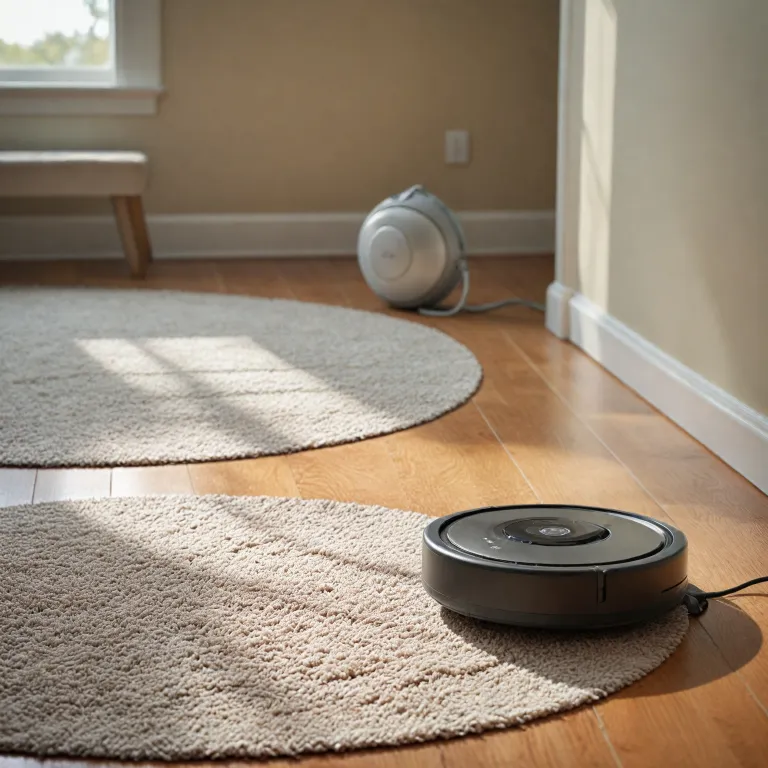
Understanding what makes the best robot vacuum cleaner today
The best robot vacuum cleaner is no longer a niche gadget for tech fans. It has become a practical cleaning partner that quietly handles dust, crumbs, and pet hair while you focus on other tasks. A modern robot vacuum must combine strong suction, smart navigation, and reliable mopping to clean your floors well without constant supervision.
When you compare robot vacuums, look beyond the headline suction power and check how the robot handles different floor areas and transitions between hard floors and carpets. Models such as the Roborock Q10 S5+ and Roborock Qrevo S5V show how high suction power, advanced obstacle avoidance, and an efficient dock can transform daily cleaning into a mostly hands free routine. The Roborock Qrevo S5V, for example, pairs 12,000 Pa suction with an all in one dock that empties dust, washes mop pads, and dries them, which keeps both the vacuum and mop system ready for the next run.
For many households, the best robot is the one that balances price, performance, and maintenance time rather than simply chasing the biggest numbers. The eufy C10 illustrates this balance with 4,000 Pa suction, LiDAR navigation, and a budget friendly price that still delivers strong cleaning performance. As you evaluate which robot vacuum or vacuum mop combo suits your home, pay attention to how the brush design, side brush placement, and anti tangle features handle pet hair and long fibres, because these details often matter more than raw suction figures.
Key technologies that define a high performing robot vacuum and mop
To understand which model truly deserves the label of best robot vacuum cleaner, you need to unpack the technologies hidden under the shell. Suction power, measured in pascals, tells you how forcefully the vacuum can pull dust and debris from carpets and hard floors. In current premium robot vacuums, figures like 10,000 Pa on the Roborock Q10 S5+ or 12,000 Pa on the Roborock Qrevo S5V show how far suction performance has advanced.
Yet suction alone does not guarantee a clean home, because the robot also needs precise navigation and reliable obstacle avoidance to reach every corner without getting stuck. LiDAR based navigation and structured light sensors help the robot map rooms, detect furniture legs, and avoid cables, toys, and pet bowls with far fewer collisions. This intelligent navigation works together with a side brush, main brush, and sometimes a roller mop to sweep debris toward the suction channel and scrub dried stains when mopping.
Dock design has also evolved, with auto empty bases that pull dust from the robot into a larger bag and mopping docks that rinse mop pads and separate dirty water from clean water. Some advanced docks, such as those in pro ultra style systems, can even dry mop pads to reduce odours and bacteria growth. If you are interested in how a combined robot vacuum and mop with an advanced dock behaves in daily use, a detailed test of a Roomba combo robot vacuum mop with autowash dock offers a useful benchmark for real world performance.
Deep cleaning performance, mopping systems, and floor care
Cleaning performance is where the best robot vacuum cleaner proves its value in everyday life. In homes with pets, strong suction power and effective brushes are essential to pull embedded pet hair from carpets and prevent clogs. The Roborock Q10 S5+ emerged as the best overall robot vacuum for 2026, offering exceptional cleaning performance, advanced obstacle avoidance, and a 70 day self emptying system that actually delivers on its promises.
For mixed flooring, a vacuum mop or full robot vacuum mop combo can handle both dry vacuuming and wet mopping in a single run. These mop combos use a mop pad or multiple mop pads mounted on a plate or roller mop, which drags or spins across the floor while the robot dispenses water from an onboard tank. More advanced systems carefully control water flow to avoid soaking wooden floors, and they lift the mop pads when crossing carpets so that clean areas do not become damp.
Maintenance of the mopping system is as important as its cleaning power, because neglected mop pads and dirty water tanks can spread grime instead of removing it. Some docks now wash mop pads automatically, spin them against a textured tray, and then flush the dirty water into a separate container for easy disposal. For stubborn bathroom grime or grout lines that a robot mop cannot fully handle, pairing your robot with a dedicated electric spin scrubber and cleaning brush can deliver a deeper manual clean in targeted areas.
Battery life, noise, and everyday usability in real homes
Battery life and noise levels strongly influence how well even the best robot vacuum cleaner fits into your daily routine. Long battery life allows the robot to cover large areas in a single session, reducing the need for mid clean recharging and saving time. Many robot vacuums now manage over two hours of runtime on standard suction, then automatically return to the dock to recharge and resume where they stopped.
Noise is another critical factor, especially in apartments or homes with young children and pets that may be startled by loud vacuums. High suction power often increases noise, but careful motor design, brush engineering, and airflow management can keep sound levels reasonable. If you are sensitive to noise, it is worth comparing quiet robot vacuum tests and looking for models that balance suction power with acoustic comfort, particularly when running at night or during remote work calls.
Usability also depends on how easily you can empty the dust bin, refill the clean water tank, and clean the brush and side brush without tools. Auto empty docks reduce the frequency of manual dust disposal, while mopping docks that handle dirty water and mop pad rinsing further cut maintenance time. A well designed app with clear maps, room naming, and schedule controls lets you target specific areas, adjust suction or water levels, and set no mop zones around rugs or delicate flooring.
Price, value, and how to choose the right robot vacuum
Price and value are central questions for anyone comparing options to find the best robot vacuum cleaner for their home. The eufy C10 stands as the best overall choice, offering self emptying technology at an incredible $199.99 price point. Its 4,000Pa suction, LiDAR navigation, and 60 day hands free operation make it the perfect balance of features and value.
Premium models such as the Roborock Qrevo S5V or other pro ultra style systems cost more, but they justify the higher price with stronger suction power, more advanced navigation, and sophisticated docks that handle dust, mop pad washing, and drying. When you compare prices, consider the long term cost of dust bags, mop pads, water filters, and replacement brush sets, because these consumables add up over time. A slightly higher upfront price can be worthwhile if the robot vacuums more efficiently, avoids damage thanks to better obstacle avoidance, and reduces manual cleaning time each week.
Think carefully about your floor plan, the size of your living areas, and whether you need strong performance on carpets, tiles, or hardwood. Households with pets and long hair should prioritise anti tangle brush designs and strong suction, while smaller flats may be well served by a simpler robot vacuum with solid navigation and a compact dock. Always check how the robot handles transitions, tight spaces, and complex furniture layouts, because real world performance often reveals more than any single specification on the box.
Future trends in robot vacuums, mopping, and home automation
The next generation of devices aiming to be the best robot vacuum cleaner will focus on deeper autonomy and smarter behaviour. Manufacturers are already integrating more advanced AI to analyse cleaning patterns, learn your schedule, and adapt suction and water usage to different areas automatically. Over time, this could mean a robot that knows when the kitchen needs extra mopping after meals and when the hallway requires stronger suction for accumulated dust and pet hair.
Integration with broader smart home ecosystems will also expand, allowing your robot vacuum and mop to coordinate with lights, security systems, and even washing machines or air purifiers. As battery life improves and charging becomes faster, robots will spend more time cleaning and less time docked, which is especially useful in large homes with multiple floors. Some brands are experimenting with structured light and other advanced sensors to refine obstacle avoidance, enabling the robot to recognise cables, shoes, and even small pet toys more reliably.
Dock technology will likely continue to evolve, with more compact auto empty systems, better separation of dirty water and clean water, and quieter operation during dust extraction and mop pad drying. We may also see more specialised roller mop designs that apply targeted pressure on stubborn stains without damaging delicate surfaces. For consumers, the key will be to look past marketing terms and focus on how each robot, dock, brush, and mop system works together to keep the home genuinely clean with minimal effort.
Key statistics for leading robot vacuum and mop models
- Roborock Q10 S5+ suction power is rated at 10,000 Pa, supporting strong deep cleaning on carpets and hard floors.
- Eufy C10 suction power reaches 4,000 Pa, providing solid everyday cleaning performance at a budget friendly price.
- The eufy C10 price is listed at 199.99 USD, making it one of the most affordable robot vacuums with self emptying capability.
- Roborock Qrevo S5V suction power is specified at 12,000 Pa, currently among the highest figures in consumer robot vacuums.
- The Roborock Qrevo S5V price is listed at 799.99 USD, reflecting its advanced dock that empties dust, washes mops, and dries them automatically.
Essential questions about choosing the best robot vacuum cleaner
How important is suction power in a robot vacuum for everyday cleaning ?
Suction power is crucial for lifting dust, crumbs, and pet hair from carpets and hard floors, but it is only one part of overall performance. A robot vacuum with moderate suction and excellent brush design, side brush placement, and airflow can sometimes clean better than a louder model with poorly optimised components. For most homes, a balance of strong suction, efficient brushes, and smart navigation delivers the best real world cleaning results.
Do I really need a robot vacuum with mopping capability for my home ?
A robot vacuum mop combo is particularly useful if you have large hard floor areas that collect sticky spills, footprints, or dried stains. The mop function, using one or more mop pads and controlled water flow, can maintain a fresher surface between deeper manual mopping sessions. However, if your home is mostly carpeted, a dedicated robot vacuum without mopping may offer better value and simpler maintenance.
What is the benefit of an auto empty dock on a robot vacuum ?
An auto empty dock automatically sucks dust and debris from the robot vacuum’s onboard bin into a larger bag or container, reducing how often you need to empty it manually. This is especially helpful in homes with pets or allergy sufferers, because it limits direct contact with dust and dander. Over several weeks, the time saved and the cleaner handling experience can justify the slightly higher price of auto empty systems.
How does advanced navigation improve robot vacuum performance in complex homes ?
Advanced navigation using LiDAR, cameras, and structured light allows the robot to create accurate maps, plan efficient routes, and avoid repeated collisions with furniture. This means fewer missed areas, less time spent wandering, and a lower risk of the robot getting stuck on cables or small obstacles. In multi room or multi level homes, precise navigation also supports room specific schedules and no go or no mop zones for better control.
How often should I maintain brushes, filters, and mop pads on a robot vacuum mop ?
Regular maintenance keeps suction power strong and prevents odours or streaks during mopping, so it should not be neglected. As a rule of thumb, check the main brush, side brush, and filters every one to two weeks, removing hair and dust build up as needed. Mop pads should be rinsed or machine washed after each wet cleaning session, unless your dock includes automatic mop pad washing and drying to handle this task for you.