How noise, suction power, and cleaning performance interact
When comparing robot vacuums, noise and suction are always linked. Higher suction power usually means a louder vacuum, yet the best quiet robot vacuum manages a careful compromise between suction, airflow, and insulation. This balance lets a robotic vacuum clean well while keeping the noise level low enough for late evening cleaning.
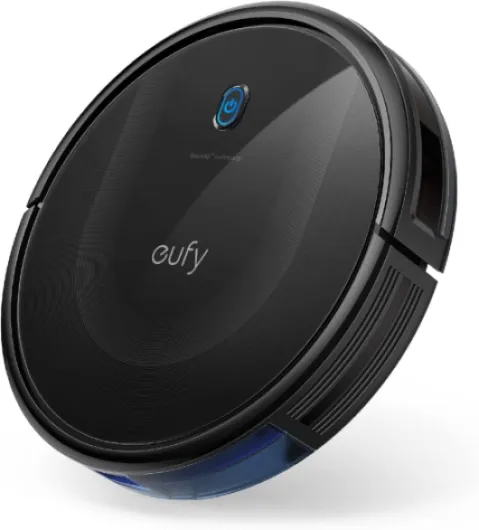
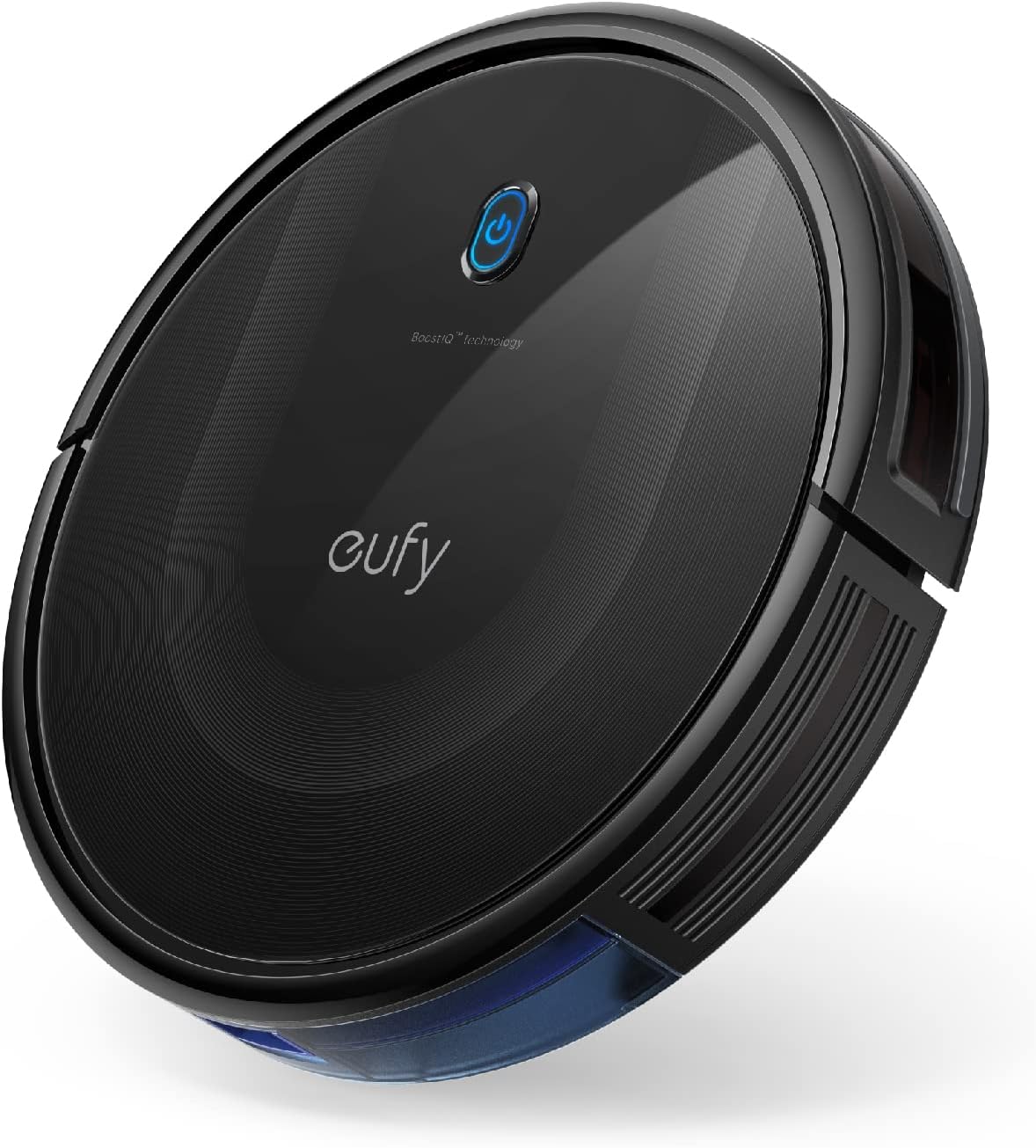
Models like the Eufy RoboVac G30 show how a robot vacuum can pair strong suction power with controlled noise. Its motor can reach a high max setting for carpets, then drop into quiet mode on hard floors to maintain a softer sound profile. This kind of adaptive cleaning performance helps the robot vacuums handle pet hair, dust, and crumbs without constant disturbance.
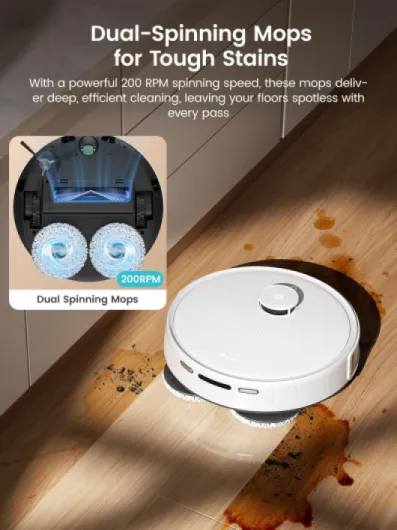
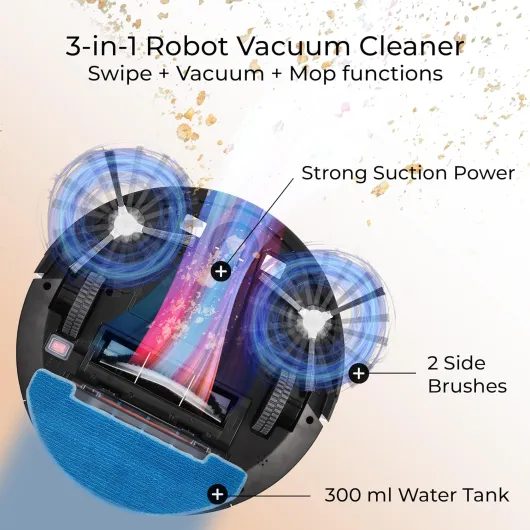
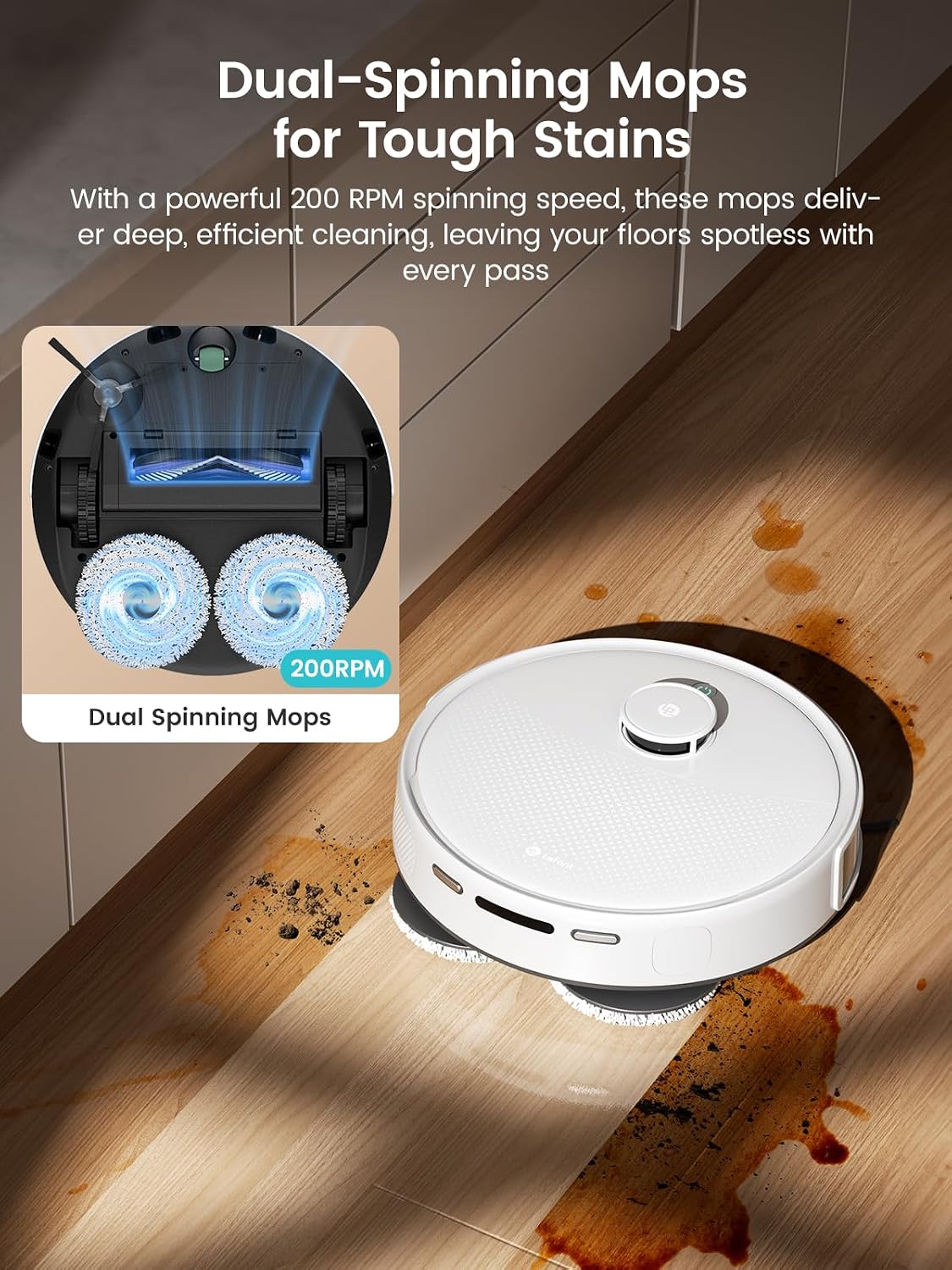
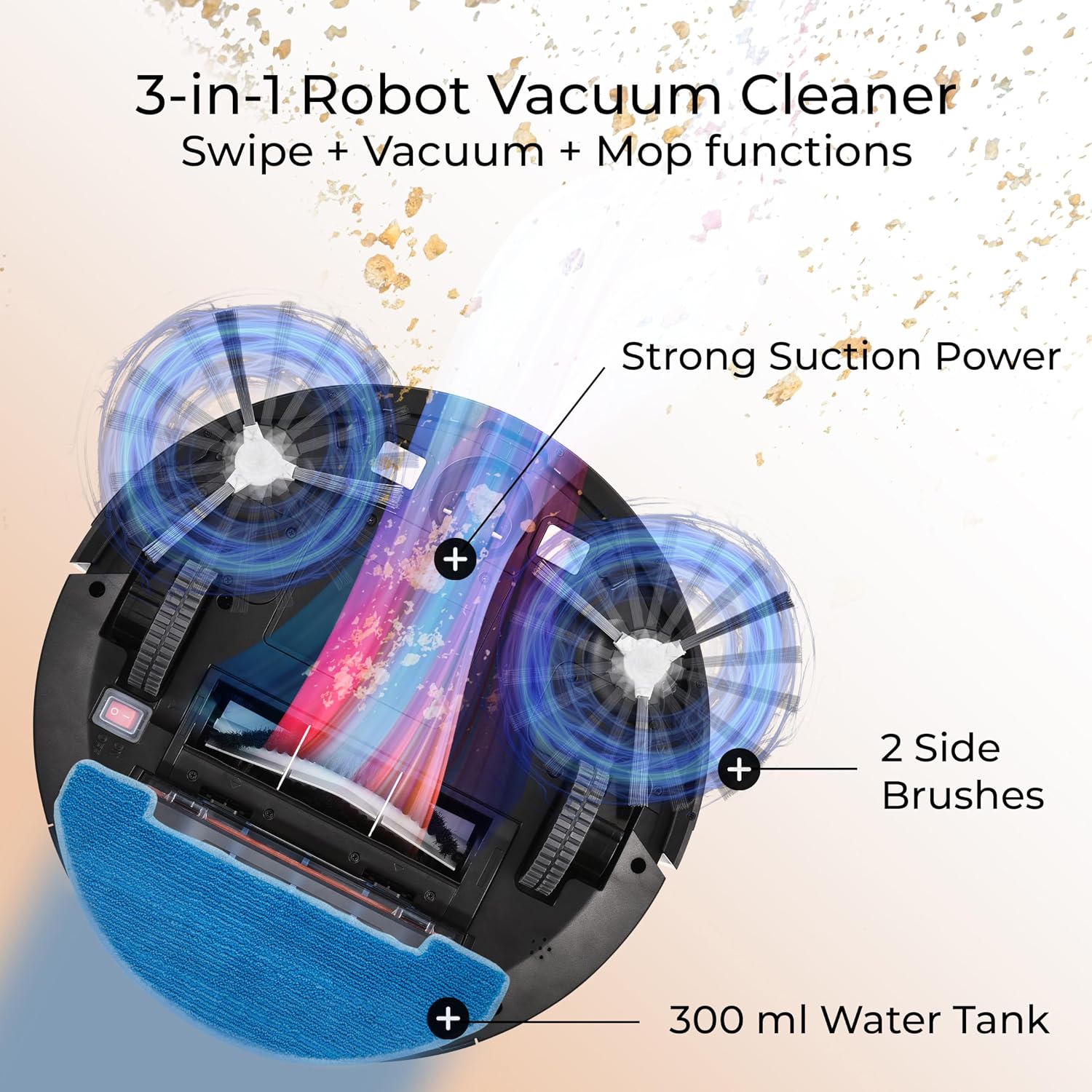
Many quiet robot designs now integrate a vacuum mop function, which allows light mopping after vacuum passes. Because mopping requires less suction, the vacuum mop phase is often the quietest part of the cycle. For people sensitive to noise, scheduling the loudest max suction passes while away from home works well.
Noise also depends on navigation, obstacle avoidance, and the base station design. A robot that avoids chair legs and transitions smoothly between rooms will generate less impact noise over time. For deeper insight into how different vacuums balance performance and sound, a detailed guide to advanced vacuum cleaner technologies is available in this analysis of steam assisted cleaning routines.
Key features that define the best quiet robot vacuum
Choosing the best quiet robot vacuum starts with understanding which features truly matter. First, check the stated noise level in decibels, then compare it with suction power figures to see how the robot balances strength and subtlety. A quiet robot with around 50 to 55 decibels usually allows normal conversation while it cleans.
Next, evaluate cleaning performance on your specific floors, including tiles, wood, and low pile carpets. If you have pets, look for a robotic vacuum that handles pet hair without tangling brushes, because clogged rollers quickly reduce suction power and overall performance. Many buyers on Amazon now filter reviews by “noise” and “pet hair” to see how each robot vacuum behaves in real homes.
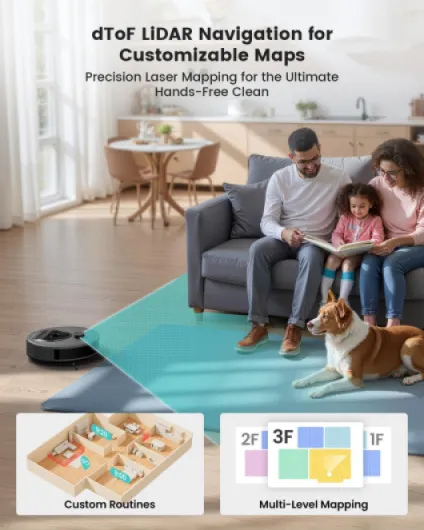
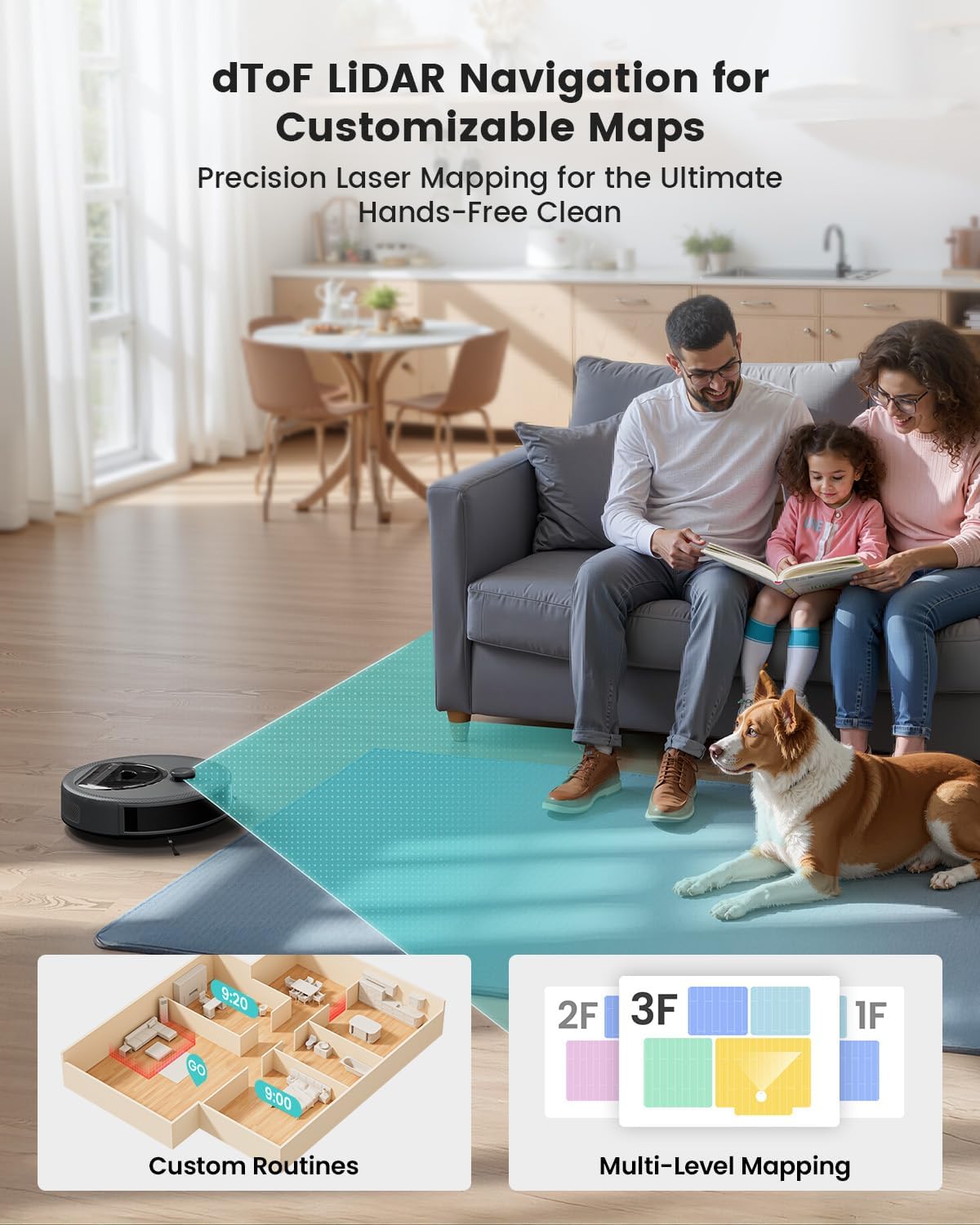
Navigation and obstacle avoidance are equally important for quiet vacuums. A robot that maps each room accurately will avoid repeated collisions with furniture, which keeps the perceived noise level lower throughout cleaning. Good obstacle avoidance also helps a vacuum mop glide around chair legs and under tables without scraping.
Finally, consider the base station and customer service behind the brand. A reliable base station that empties the vacuum cleaner efficiently reduces manual maintenance and keeps the robot vacuums ready for scheduled runs. For households with stairs or complex layouts, it can be useful to pair a quiet robot with a separate handheld vacuum chosen using a dedicated guide to stair friendly models, such as the one explained in this stair vacuum selection resource.
How leading brands like Eufy and Roborock approach quiet design
Among quiet robot vacuums, Eufy and Roborock have become reference points. The Eufy 11S Max and Eufy RoboVac G30 show how an eufy robot can combine modest dimensions, strong suction power, and a restrained noise level for everyday cleaning. Many users report that each robot vacuum from this line cleans well in small apartments where every decibel matters.
Roborock, by contrast, often focuses on advanced mapping, obstacle avoidance, and hybrid vacuum mop systems. The Roborock S6 MaxV, for example, pairs precise navigation with a carefully tuned motor that keeps the robotic vacuum quiet even when suction increases on carpets. This approach allows the robot vacuums to move confidently between rooms while maintaining a comfortable noise level.
Premium ecosystems like the pro omni or omni series add base station features that further refine the experience. A base station that washes mop pads, empties the vacuum cleaner, and dries components can reduce manual handling of dust and pet hair. For some buyers, this ultra complete approach justifies a higher price when combined with quiet mode options.
Newer entrants such as the mova ultra also compete on quiet robot credentials, often highlighting max suction figures alongside decibel ratings. When comparing these vacuums on Amazon, pay attention to long term customer service feedback, because firmware updates can improve cleaning performance and noise control. For a broad overview of how different robot and traditional vacuums stack up, you can consult a comprehensive performance guide covering real world robot vacuum testing and innovation.
Real world testing, daily routines, and special use cases
Laboratory testing of a quiet robot vacuum is useful, but daily routines reveal deeper truths. In small flats, a quiet robot often runs while people work from home, so the noise level must stay low enough for calls and concentration. Here, quiet mode and smart scheduling become as important as raw suction power or max airflow.
Families with babies or shift workers need a robotic vacuum that can clean well during naps or early mornings. A quiet robot with gentle obstacle avoidance will glide through each room without sudden bangs against furniture or baseboards. When combined with a vacuum mop function, it can handle crumbs and light stains in a single pass, reducing how often a manual vacuum cleaner is required.
Pet owners face another set of challenges, especially with long hair and scattered pet hair on carpets. A robot vacuum that traps hair efficiently while keeping brushes easy to clean will maintain consistent cleaning performance over months. Many quiet robot vacuums now include tangle resistant rollers that prevent hair from choking suction.
For multi level homes, some people deploy one quiet robot per floor instead of carrying a single unit and base station upstairs. Others pair a quiet robot vacuum with a lightweight stick vacuum for stairs and corners that robots cannot reach. Whatever the strategy, the best quiet robot vacuum is the one that fits your routine so well that you almost forget it is running.
How to buy, maintain, and get support for a quiet robot vacuum
When purchasing a quiet robot vacuum, start by defining your priorities clearly. Decide whether low noise, strong suction power, or advanced vacuum mop features matter most for your rooms and floors. Then compare several robot vacuums on Amazon, paying close attention to verified reviews that mention noise level, pet hair, and cleaning performance.
Check whether the model includes a robust base station, because automatic emptying reduces how often you handle dust and hair. Some omni and pro omni systems also wash mop pads, which keeps the vacuum cleaner smelling fresh and ready for quiet mode runs. If you prefer a simpler robot, an eufy robot or mova ultra without a huge dock can still clean well while staying compact.
Maintenance is essential for keeping any quiet robot truly quiet over time. Empty bins regularly, clear hair from rollers, and wipe sensors so obstacle avoidance remains accurate in every room. A neglected robotic vacuum will grow louder as debris builds up in airways and reduces efficient suction.
Finally, evaluate customer service quality before you commit to a brand. Responsive customer service teams can supply replacement parts, resolve base station issues, and push firmware updates that refine noise control. With thoughtful care and the right support, a quiet robot becomes a long term top pick that maintains an ultra complete balance between silence, cleanliness, and everyday comfort.
Key statistics on quiet robot vacuums
- Eufy 11S Max measured at 51.3 decibels during standardized noise testing.
- Lefant M210 recorded a noise level of 52.1 decibels in similar tests.
- Roborock S6 MaxV achieved an exceptionally low 50 decibels while cleaning.
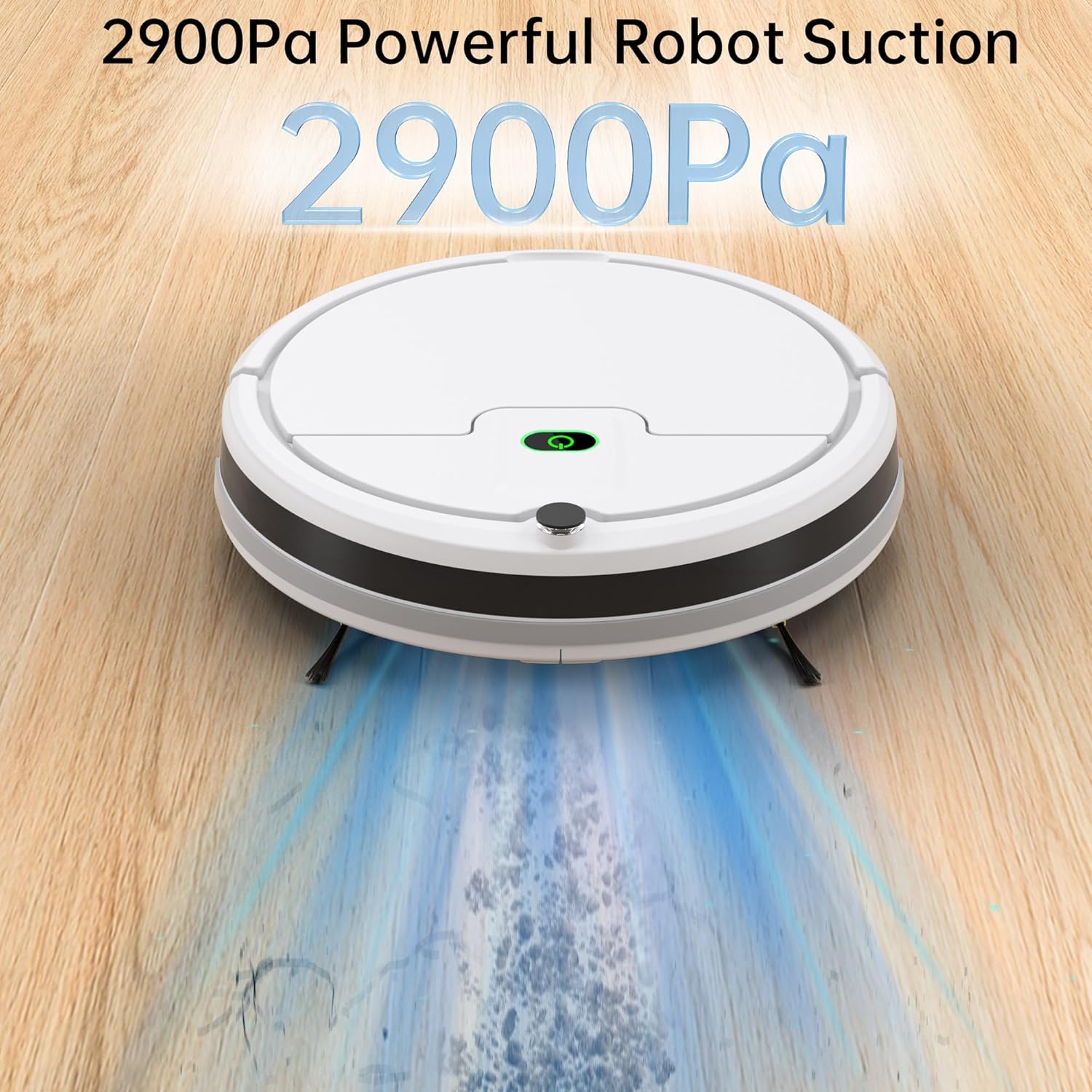
- Eufy RoboVac G30 combines 2000 Pa suction power with about 55 decibels of noise.
- Across many models, lower suction settings generally correlate with reduced noise levels.
Common questions about choosing the best quiet robot vacuum
How quiet should a robot vacuum be for use during sleep
For use during sleep, aim for a quiet robot vacuum rated around 50 to 55 decibels. This range is similar to a soft conversation and usually gentle enough for light sleepers. Scheduling the loudest max suction passes earlier in the evening further reduces disturbance.
Does lower noise always mean weaker cleaning performance
Lower noise does not always mean weaker cleaning performance, although there is a trade off. Modern motors and better insulation allow some robot vacuums to maintain strong suction power while keeping the noise level controlled. Checking independent testing data helps you see which models truly clean well at quieter settings.
Are robot vacuums safe for pets that fear traditional vacuums
Many pets tolerate a quiet robot better than a loud upright vacuum cleaner. A robotic vacuum that moves slowly, uses obstacle avoidance, and runs in quiet mode can feel less threatening. Introducing the robot gradually and avoiding max suction near pets helps them adapt.
Is a vacuum mop combination louder than a standard robot vacuum
A vacuum mop combination is not necessarily louder than a standard robot vacuum. During mopping phases, suction power is often reduced, which can lower the overall noise level. The main noise difference usually comes from the base station if it washes or dries mop pads.
What maintenance keeps a quiet robot vacuum from getting louder
Regular maintenance is crucial for preserving low noise levels in quiet robot vacuums. Emptying the bin, clearing hair from brushes, and cleaning filters prevent airflow blockages that strain the motor. Keeping wheels and sensors free of debris also supports smooth, quiet navigation in every room.