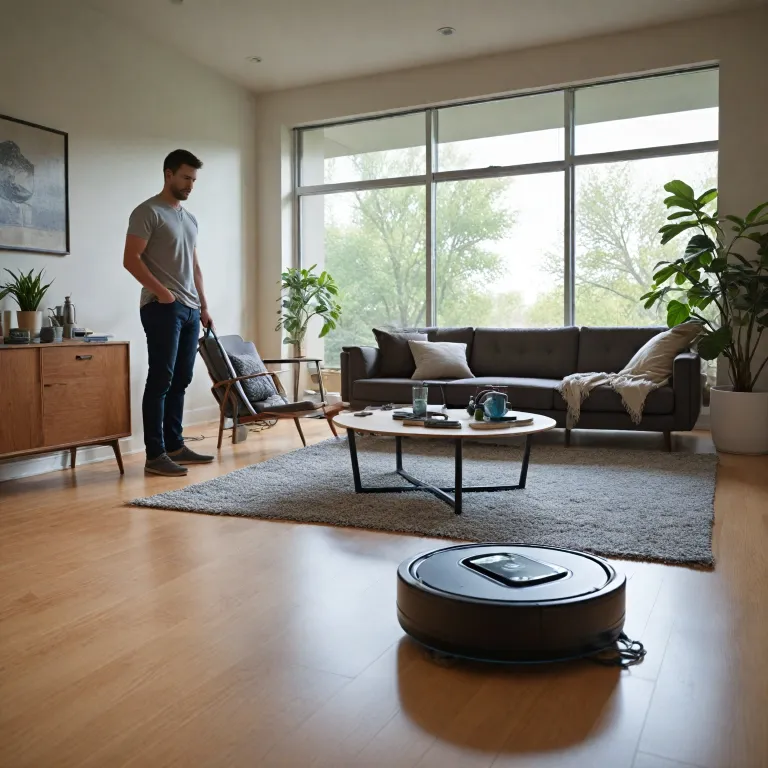

Understanding robot vacuum reviews: performance metrics and cleaning capabilities
Robot vacuum reviews provide essential insights into the performance and cleaning efficiency of modern robotic devices. The average suction power of top robot vacuums now reaches 18,000 Pa, a figure that directly impacts the ability to remove debris and pet hair from various surfaces. Evaluating both vacuum and mop functions is crucial, as hybrid models like the vacuum mop and mop pad combinations offer comprehensive cleaning for hard floors and carpets.
Performance on bare floors is a key metric, with leading robot vacuums achieving up to 99.15% debris pickup. The integration of a brush roll and side brush ensures that hard-to-reach areas and edges are thoroughly cleaned, while auto empty stations and self-cleaning mop rollers reduce maintenance. Battery life, averaging 154 minutes, allows these robots to cover larger spaces without frequent recharging, enhancing their overall cleaning performance.
When considering robot vacuum reviews, users should assess the effectiveness of obstacle avoidance and navigation systems. Structured light and object avoidance technologies enable robots to maneuver around furniture, cables, and other obstacles, minimizing interruptions during cleaning cycles. The inclusion of a dust bin with ample capacity and efficient emptying mechanisms, such as auto empty stations, further streamlines the cleaning process and ensures that the robot vacuums can handle extensive cleaning sessions with minimal user intervention. This resource helps clarify the differences between models, focusing on mop, vacuum, and hybrid cleaning solutions. Understanding these metrics empowers consumers to make informed decisions based on their specific cleaning needs and home environments.
Advanced navigation and obstacle avoidance in robot vacuums
Navigation and obstacle avoidance are pivotal in determining the real-world usability of robot vacuums. The latest models employ AI-driven navigation, LiDAR mapping, and structured light sensors to create precise maps of the cleaning area. These technologies enable robot vacuums to avoid obstacles, optimize cleaning routes, and reduce the risk of getting stuck, which is especially important in homes with complex layouts or multiple levels.
Obstacle avoidance is further enhanced by object avoidance algorithms that detect and maneuver around items such as shoes, cables, and pet bowls. The Dreame Ultra and Roborock Qrevo models, for instance, utilize advanced sensors to improve navigation and obstacle avoidance, ensuring efficient cleaning even in cluttered environments. The side brush and brush roll work in tandem to capture debris from corners and along walls, while the mop pad ensures that hard floors receive a thorough clean.
Battery life and suction power are also critical factors in navigation performance. A robot vacuum with a robust battery can clean larger areas without interruption, while high suction power ensures that even hard-to-reach debris is removed. The integration of auto empty stations and self-cleaning features, such as those found in the Mova Ultra, further enhances the convenience and efficiency of these devices.
For a deeper dive into the evolution of navigation systems in robot vacuums, the robot vacuum navigation technology overview explores the latest advancements and their impact on cleaning performance. This resource highlights how structured light, object avoidance, and AI-driven mapping are transforming the way robot vacuums operate in modern homes.
Hybrid cleaning: vacuum and mop integration for comprehensive results
The trend toward hybrid cleaning solutions has led to the development of robot vacuums that combine vacuum and mop functions in a single device. These vacuum mop hybrids are designed to tackle both dry debris and wet spills, making them ideal for homes with a mix of hard floors and carpets. The mop pad and mop function work alongside the vacuum to deliver a more thorough clean, addressing the limitations of traditional vacuums.
Performance carpet cleaning remains a challenge for some hybrid models, as the suction power required for deep cleaning carpets can differ from that needed for hard floors. However, innovations in brush roll design and suction technology have improved the ability of robot vacuums to handle pet hair, dust, and debris on various surfaces. The Roomba Max 705, for example, is praised for its exceptional mopping capabilities on hard floors, though its vacuuming performance on carpets is less impressive.
Auto empty stations and self-cleaning mop rollers reduce the need for manual intervention, allowing users to enjoy a hands-off cleaning experience. The dust bin capacity and efficient emptying mechanisms ensure that the robot vacuum can handle large cleaning tasks without frequent stops. Amazon reviews often highlight the convenience of these features, as well as the effectiveness of side brushes and mop pads in reaching hard-to-clean areas.
For more information on the latest hybrid cleaning technologies and their impact on robot vacuum reviews, the hybrid robot vacuum comparison guide provides detailed analysis and user feedback. This guide helps consumers understand the strengths and limitations of different vacuum mop models, enabling them to choose the best option for their cleaning needs.
Evaluating self-maintenance features: auto empty, self-cleaning, and battery life
Self-maintenance features have become a defining characteristic of modern robot vacuums, significantly reducing the time and effort required from users. Auto empty stations automatically transfer debris from the dust bin to a larger container, allowing the robot vacuum to continue cleaning without frequent interruptions. This feature is especially valuable for those with large homes or pets that shed hair regularly.
Self-cleaning mop rollers and mop pads further enhance the convenience of hybrid models, ensuring that the mop function remains effective throughout the cleaning cycle. The Dreame Ultra and Mova Ultra are notable for their advanced self-maintenance capabilities, which include automatic cleaning of the mop pad and efficient debris removal from the brush roll. These innovations contribute to consistent cleaning performance and prolong the lifespan of the robot vacuum.
Battery life is another critical factor in robot vacuum reviews, with top models offering up to 154 minutes of continuous operation. This extended battery life enables the robot to clean larger areas in a single session, reducing the need for frequent recharging. Amazon users often rate these features highly, as they directly impact the overall cleaning experience and user satisfaction.
When evaluating robot vacuum reviews, it is important to consider the integration of self-maintenance features with other performance metrics, such as suction power, obstacle avoidance, and navigation. The combination of these elements determines the overall effectiveness and convenience of the robot vacuum, making it easier for users to maintain a clean home with minimal effort.
Expert insights and real-world experiences in robot vacuum reviews
Expert opinions and user experiences play a crucial role in shaping robot vacuum reviews. Anna Perling, Senior Reviews Editor at Forbes Vetted, states, "The Roomba Max 705 won as best robot vacuum overall, with a 9.5 rating. This robot vacuum is simple to set up and program, and it efficiently cleaned messes including crushed cereal, coffee grounds, and hair." Such endorsements highlight the importance of ease of use and cleaning performance in real-world scenarios.
Valens Quinn, Tech Journalist at GadgetGuy, observes, "When Roborock recently revealed the Saros Rover, a robot with extendable legs, at CES 2026, it could’ve gone the way of many failed public demos. Instead, it looked like a genuine solution for cleaning multi-storey homes." This innovation addresses a common limitation of traditional robot vacuums, expanding their usability in diverse home environments.
Case studies further illustrate the strengths and weaknesses of specific models. The Dyson Spot+Scrub Ai, for example, offers strong suction power and effective self-cleaning features but faces challenges with navigation and deep cleaning tasks. The Roborock Saros Rover's stair-climbing capability sets it apart from competitors, while the Roomba Max 705 excels in mopping hard floors but underperforms on carpets. These real-world evaluations provide valuable context for consumers seeking the best robot vacuum for their needs.
Amazon reviews and star ratings offer additional perspectives, highlighting user satisfaction with features such as suction power, battery life, and obstacle avoidance. By considering both expert insights and user feedback, consumers can make more informed decisions when selecting a robot vacuum.
Comparing leading brands: eufy, dreame ultra, roborock qrevo, and mova ultra
The robot vacuum market features several leading brands, each offering unique strengths and innovations. Eufy is known for its reliable performance and user-friendly design, making it a popular choice among first-time buyers. Dreame Ultra stands out for its advanced self-maintenance features, including auto empty stations and self-cleaning mop rollers, which enhance convenience and reduce maintenance efforts.
Roborock Qrevo and Mova Ultra are recognized for their superior navigation and obstacle avoidance capabilities. The Roborock Qrevo, in particular, utilizes structured light and AI-driven mapping to optimize cleaning routes and avoid obstacles, while the Mova Ultra excels in battery life and suction power. These brands consistently receive high ratings in robot vacuum reviews, with users praising their performance on both hard floors and carpets.
When comparing robot vacuums, it is important to consider factors such as suction power, battery life, brush roll design, and the effectiveness of the mop function. Amazon reviews often highlight the strengths and weaknesses of each model, providing valuable insights into real-world performance. The inclusion of features like auto empty stations, side brushes, and efficient dust bin management further differentiates these brands in the competitive market.
By analyzing robot vacuum reviews and comparing leading brands, consumers can identify the best option for their specific cleaning needs. Whether prioritizing performance, convenience, or advanced navigation, there is a robot vacuum to suit every home environment.
Future trends and innovations in robot vacuum technology
The future of robot vacuums is shaped by ongoing advancements in AI, battery technology, and smart home integration. Enhanced AI algorithms are expected to improve decision-making and adaptability, allowing robot vacuums to navigate complex environments and optimize cleaning schedules. Battery life is also set to improve, enabling longer cleaning sessions and greater coverage on a single charge.
Integration with smart home ecosystems will become more seamless, allowing users to coordinate cleaning tasks with other devices and personalize their cleaning routines. Self-maintenance features, such as auto empty stations and self-cleaning mop rollers, will continue to evolve, further reducing the need for manual intervention. The development of new brush roll and side brush designs will enhance the ability of robot vacuums to clean hard-to-reach areas and handle various types of debris.
Innovations like the Roborock Saros Rover's stair-climbing capability and the Dyson Spot+Scrub Ai's powerful suction demonstrate the potential for future breakthroughs in robot vacuum technology. As these devices become more sophisticated, robot vacuum reviews will play an increasingly important role in helping consumers navigate the expanding range of options and select the best model for their needs.
Staying informed about the latest trends and innovations in robot vacuum technology ensures that consumers can make educated decisions and enjoy the benefits of a cleaner, more efficient home environment.
Key statistics from robot vacuum reviews
- Average suction power of top models: 18,000 Pa
- Battery life of leading robot vacuums: 154 minutes
- Percentage of debris pickup on bare floors by top models: 99.15%
Frequently asked questions about robot vacuum reviews
What features should I look for in a robot vacuum?
Key features include suction power, battery life, navigation and obstacle avoidance, hybrid cleaning capabilities (vacuum and mop), self-maintenance options like auto empty stations, and efficient brush roll and side brush designs.
How effective are robot vacuums at cleaning pet hair and debris?
Modern robot vacuums are highly effective at picking up pet hair and debris, especially those with strong suction power, advanced brush rolls, and side brushes. Models with self-cleaning features and large dust bins are particularly suited for homes with pets.
Can robot vacuums clean multiple floor types?
Yes, many robot vacuums are designed to clean various floor types, including hard floors and carpets. Hybrid models with mop pads and vacuum mop functions offer comprehensive cleaning for different surfaces.
How do self-maintenance features benefit users?
Self-maintenance features like auto empty stations and self-cleaning mop rollers reduce manual intervention, making it easier for users to maintain their robot vacuum and ensuring consistent cleaning performance.
Are advanced navigation systems worth the investment?
Advanced navigation systems using AI, LiDAR, and structured light significantly improve cleaning efficiency and obstacle avoidance, making them a worthwhile investment for homes with complex layouts or multiple levels.