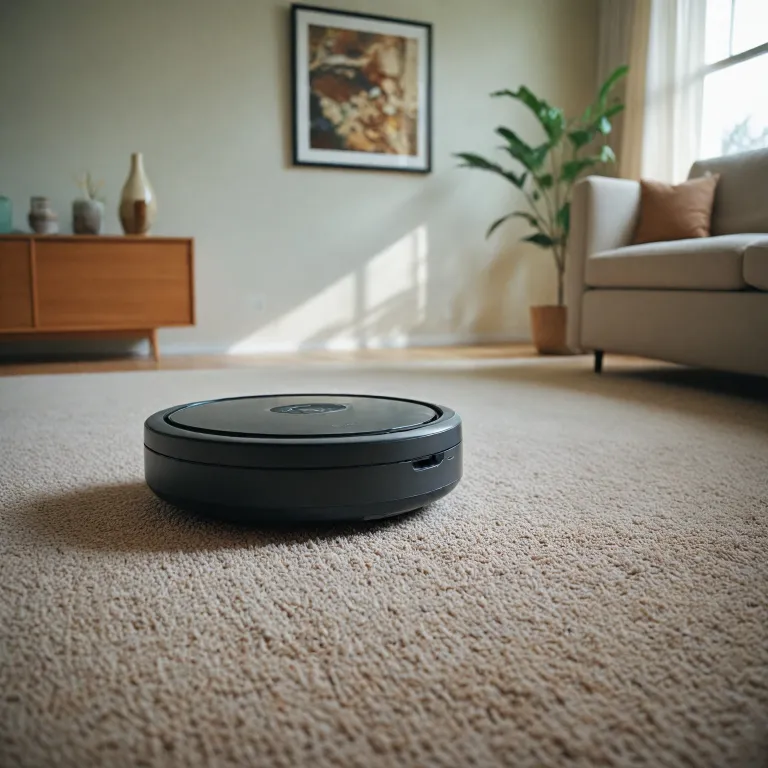

Understanding the evolution of robot and vacuum technology
Robot and vacuum devices have transformed the way households approach floor cleaning, evolving from simple automated sweepers to sophisticated smart cleaning systems. The integration of AI and advanced navigation, such as vis nav and LiDAR, allows robot vacuums to map rooms, avoid obstacles, and optimize cleaning paths for both efficiency and thoroughness. This leap in technology means that robot vacuums and their vacuum mop combos are now capable of handling complex floor cleaning tasks with minimal human intervention, making them indispensable for busy individuals.
Modern robot and vacuum products are designed to tackle a variety of surfaces, from hard floors to carpets, using powerful suction and mop pad technologies. The Dreame Matrix10 Ultra, for example, features a mop-swapping dock and a tangle system that prevents hair from clogging the brushes, making it ideal for homes with pets. With the rise of ultra robot vacuums, users benefit from features like dual anti tangle systems and auto refill base stations, which further reduce maintenance time and enhance cleaning performance.
Consumers are increasingly drawn to smart robot vacuums that offer app and remote control, voice control, and seamless integration with other smart home devices. The ability to schedule cleaning sessions, monitor progress, and adjust settings through a mobile app or voice commands adds a layer of convenience that traditional vacuums cannot match. As the market grows, the range of available products expands, offering options for every budget, color preference, and cleaning requirement.
Key features and innovations in robot and vacuum products
Robot and vacuum technology has advanced rapidly, introducing features that cater to diverse cleaning needs and preferences. High suction power, as seen in models like the DEEBOT X8 PRO OMNI, ensures effective removal of dust, debris, and pet hair from various floor types. The inclusion of mop pads and vacuum mop combos allows these devices to perform both dry and wet cleaning in a single session, streamlining the floor cleaning process.
Obstacle avoidance is a critical feature in modern robot vacuums, with AI-driven vis nav systems enabling precise navigation around furniture, cables, and other household items. The Saros Z70, equipped with OmniGrip, demonstrates how robotic arms can move objects up to 300 grams, addressing the challenge of cleaning around small obstacles. Height border detection and anti tangle mechanisms further enhance the adaptability of robot vacuums, ensuring they can transition between rooms and floor types without getting stuck or tangled.
Smart features such as app-based control, voice control, and remote control empower users to customize cleaning routines and monitor their robot vacuum’s performance in real time. The integration of auto refill base stations and modular designs, like those found in the Robotin R2 Pro, allows users to switch between vacuuming, mopping, and carpet washing modules with ease. For those interested in exploring more about advanced cleaning solutions, the smart home cleaning guide provides in-depth insights.
Market trends and consumer adoption of robot and vacuum solutions
The global market for robot and vacuum products is experiencing significant growth, driven by rising consumer demand for automated cleaning solutions. With a projected market value of USD 40.7 billion by 2034 and a CAGR of 16.12%, the sector is rapidly expanding, especially in the Asia Pacific region, which holds a substantial market share. Residential applications dominate the market, accounting for over 90% of sales, reflecting the strong preference for smart, connected cleaning devices in homes.
Smart-connected robot vacuums, comprising nearly 68% of the market, highlight the shift towards IoT-enabled products that can be controlled via app, remote control, or voice commands. The popularity of features like dual anti tangle systems, ultra robot designs, and modular vacuum mop combos underscores the demand for versatile, efficient, and low-maintenance cleaning solutions. As more consumers seek to buy learn about the latest innovations, manufacturers are responding with products that offer enhanced cleaning performance and user-friendly interfaces.
For those considering a robot vacuum purchase, it is essential to evaluate factors such as suction power, obstacle avoidance, mop pad quality, and compatibility with smart home systems. The robot vacuum buying guide offers comprehensive advice for selecting the right model based on individual needs and preferences. As technology continues to evolve, robot and vacuum products are set to become even more integral to modern home maintenance.
Challenges and considerations when choosing a robot and vacuum
Despite their many advantages, robot and vacuum devices present unique challenges that consumers should consider before making a purchase. One key factor is the high price of premium models, which often feature advanced technologies like AI-powered vis nav, ultra robot designs, and dual anti tangle systems. While these features enhance cleaning efficiency and convenience, they may not be necessary for every household, especially those with simpler floor cleaning needs.
Another consideration is the compatibility of robot vacuums with different floor types and home layouts. Devices with strong suction and effective mop pads are better suited for homes with a mix of hard floors and carpets, while models with advanced obstacle avoidance and height border detection can navigate complex environments more effectively. The presence of a tangle system and anti tangle brushes is particularly important for homes with pets, as these features help manage pet hair and reduce maintenance time.
Consumers should also assess the reliability of app and remote control functions, as well as the availability of customer support and replacement parts. Limited color options and the need for regular maintenance, such as emptying the base station or replacing the mop pad, are additional factors to keep in mind.
Smart home integration and the future of robot and vacuum cleaning
The integration of robot and vacuum devices into smart home ecosystems is reshaping the way people approach floor cleaning. Modern robot vacuums are equipped with features like voice control, app connectivity, and remote control, allowing users to schedule and monitor cleaning sessions from anywhere. This level of automation not only saves time but also ensures that floors remain clean with minimal effort.
Future advancements are expected to focus on enhancing AI capabilities, improving obstacle avoidance, and introducing new functionalities such as robotic arms for moving small objects. As sustainability becomes a priority, manufacturers are developing eco-friendly robot vacuums that consume less energy and utilize recyclable materials. The trend towards modular and multi-functional designs, as seen in products like the Robotin R2 Pro and Dreame Matrix10 Ultra, offers consumers greater flexibility and cost-effectiveness.
Industry leaders are optimistic about the future of robot and vacuum technology. As Qian, Executive at ECOVACS ROBOTICS, stated: "Our new releases, led by the DEEBOT X8 PRO OMNI, represent our most advanced lineup yet, and we're excited to unveil them at CES 2025—the birthplace of future technologies." This sentiment reflects the ongoing commitment to innovation and excellence in the robot vacuum industry.
Comparing leading robot and vacuum models and technologies
When evaluating robot and vacuum products, it is important to compare key features such as suction power, mop pad effectiveness, obstacle avoidance, and smart home compatibility. The Dreame Matrix10 Ultra stands out for its mop-swapping dock and advanced tangle system, making it suitable for homes with diverse floor cleaning needs. The Saros Z70, with its OmniGrip robotic arm, addresses the challenge of cleaning around small obstacles and moving lightweight items.
Other notable models include the DEEBOT X8 PRO OMNI, which combines high suction, dual anti tangle brushes, and app-based control for a comprehensive cleaning solution. The Robotin R2 Pro offers modular functionality, allowing users to switch between vacuuming, mopping, and carpet washing modules as needed. These innovations demonstrate the versatility and adaptability of modern robot vacuums, catering to a wide range of cleaning requirements.
Consumers should also consider the availability of features like auto refill base stations, height border detection, and anti tangle systems when selecting a robot vacuum. The choice between models with limited or ultra robot capabilities depends on individual preferences, budget, and the specific cleaning challenges faced in each home. By comparing the desc and specifications of different products, users can make informed decisions that align with their floor cleaning goals.
Practical tips for maximizing the benefits of robot and vacuum devices
To get the most out of a robot and vacuum, it is essential to follow best practices for setup, maintenance, and operation. Start by mapping your home using the robot vacuum’s app or remote control, ensuring that all areas are accessible and free of obstacles. Regularly clean the mop pad, empty the base station, and check the tangle system to maintain optimal performance and extend the lifespan of the device.
Utilize smart features such as scheduling, voice control, and app-based monitoring to automate cleaning routines and receive real-time updates on the robot vacuum’s progress. For homes with pets, choose models with dual anti tangle brushes and strong suction to effectively manage pet hair and debris. Adjust cleaning settings based on floor type, color, and the presence of height borders to ensure thorough and efficient cleaning.
Stay informed about the latest advancements in robot and vacuum technology by reading product desc, reviews, and expert analyses. Take advantage of limited time offers and buy learn promotions to secure the best deals on high-quality robot vacuums. By following these practical tips, users can enjoy cleaner floors, more free time, and a smarter approach to home maintenance.
Key statistics on robot and vacuum market growth
- Global robot vacuum cleaner market projected to reach USD 40.7 billion by 2034
- Asia Pacific holds a 40.8% market share, driven by high adoption rates
- Residential segment accounts for 90.25% of the market
- Smart-connected units comprise 67.6% of the market
- Market expected to grow at a CAGR of 16.12% from 2026 to 2034
Frequently asked questions about robot and vacuum cleaning
What is the difference between a robot vacuum and a vacuum mop combo?
A robot vacuum is designed primarily for dry floor cleaning, using suction to remove dust and debris. A vacuum mop combo, on the other hand, combines vacuuming and mopping functions, allowing for both dry and wet cleaning in a single device. This dual functionality enhances cleaning efficiency and is ideal for homes with mixed floor types.
How does obstacle avoidance work in robot vacuums?
Obstacle avoidance in robot vacuums relies on advanced sensors, AI, and navigation systems such as vis nav and LiDAR. These technologies enable the device to detect and navigate around furniture, cables, and other obstacles, ensuring thorough cleaning without getting stuck or causing damage to household items.
Are robot vacuums effective for pet hair removal?
Yes, robot vacuums equipped with strong suction, anti tangle brushes, and specialized tangle systems are highly effective at removing pet hair from floors and carpets. Models with dual anti tangle features and high suction power are particularly well-suited for homes with pets.
What maintenance is required for robot and vacuum devices?
Regular maintenance includes emptying the base station, cleaning or replacing the mop pad, checking the tangle system, and ensuring that sensors and brushes are free of debris. Following the manufacturer’s desc and guidelines helps maintain optimal performance and prolongs the lifespan of the device.
Can robot vacuums be integrated with smart home systems?
Most modern robot vacuums offer smart home integration, supporting app control, voice commands, and remote control through platforms like Google Home or Amazon Alexa. This allows users to schedule cleaning sessions, monitor progress, and adjust settings from their smartphone or smart speaker.