
Understanding the evolution of robot robotic vacuum cleaners and their core technologies
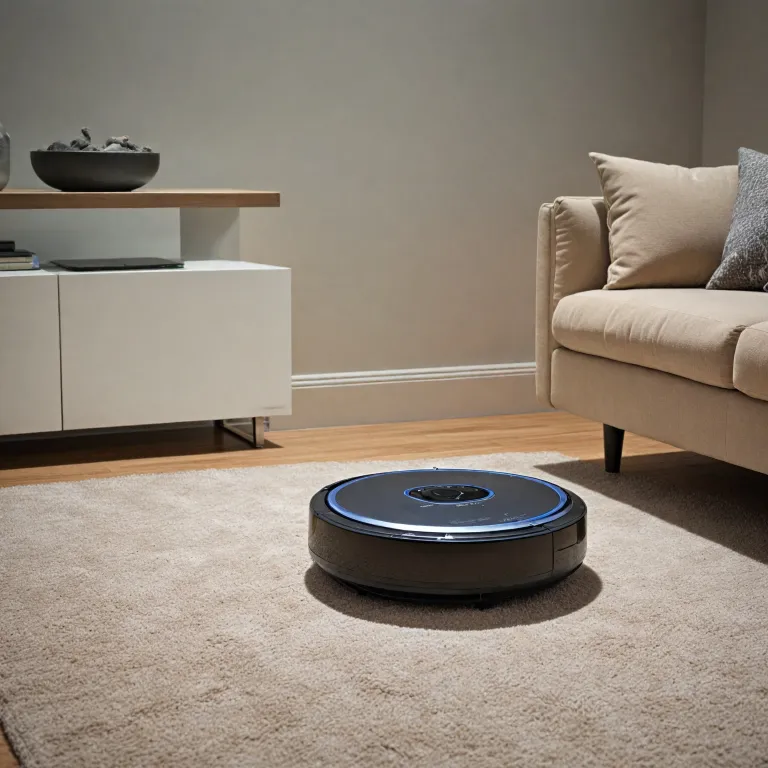
Robot robotic vacuum cleaners have transformed household cleaning by integrating advanced technologies that streamline daily maintenance. These devices utilize sophisticated navigation systems, such as LiDAR and camera-based vision, to map rooms and avoid obstacles efficiently. The combination of vacuum and mop functions in many robot vacuum mop models has addressed the growing demand for multi-level cleaning solutions that handle both dust and stains.
Leading brands like Roborock, iRobot’s Roomba, and Dreame Ultra have set new standards in suction power, obstacle avoidance, and mopping performance. The inclusion of features such as auto empty stations, dual anti-tangle systems, and self-cleaning mop pads has further enhanced user convenience. The market’s rapid growth is driven by the integration of AI, smart home connectivity, and a focus on hygiene, with over 62% of new robot vacuums offering both vacuuming and mopping capabilities.
Smart-connected robot vacuums now comprise 68% of global unit share, reflecting the shift toward app-based scheduling, voice commands, and remote control. The evolution of side brush designs, anti-tangle brush systems, and improved suction capacity ensures that both hard floors and carpets are cleaned thoroughly. As robot robotic vacuum cleaners continue to evolve, their ability to empty debris automatically and wash or dry mop pads sets them apart from traditional cleaning tools.
Advanced mopping and vacuuming: how robot vacuums deliver superior cleaning
Modern robot robotic vacuum cleaners excel at combining vacuum and mop functions, offering a comprehensive cleaning solution for diverse floor types. The DEEBOT X8 PRO OMNI, for example, features OZMO ROLLER Mopping Technology, delivering up to 4,000 Pa suction power and 200 RPM mop rotation to tackle stubborn stains. Instant Self-Washing Mopping Technology ensures the mop pad is continuously cleaned during operation, maintaining hygiene and cleaning efficiency.
Roborock’s Saros Z70 introduces OmniGrip, a foldable robotic arm that moves objects up to 300 grams, such as socks and towels, allowing the robot vacuum to clean areas previously inaccessible. This innovation, combined with advanced obstacle avoidance and multi-level mapping, enhances the robot’s ability to navigate complex environments. The Roomba Max 705 Combo boasts suction power 175 times greater than earlier Roomba models and features a mop cover to protect carpets during mopping, demonstrating the industry’s commitment to both performance and versatility.
Manufacturers are investing in dual anti-tangle brush systems, hot water mop washing, and auto empty stations to further reduce user intervention. The integration of these features in robot vacuums, vacuum mops, and mop combos ensures that cleaning is thorough, efficient, and tailored to the needs of modern households.
Obstacle avoidance and navigation systems: ensuring seamless cleaning performance
Navigation and obstacle avoidance are critical for robot robotic vacuum cleaners to operate efficiently in dynamic home environments. AI-driven navigation systems, combining LiDAR, cameras, and advanced sensors, allow robot vacuums to map rooms, detect obstacles, and plan optimal cleaning paths. Enhanced obstacle avoidance ensures that the robot vacuum can maneuver around furniture, cables, and small objects without getting stuck or missing spots.
The Saros Z70 by Roborock exemplifies innovation in this area, using its OmniGrip arm to move lightweight obstacles and mark areas for later cleaning. This approach, paired with real-time mapping and multi-level system capabilities, enables the robot vacuum to adapt to changing layouts and user preferences. The integration of dual anti-tangle and anti-tangle brush systems further prevents hair and debris from clogging the vacuum, maintaining consistent suction power and cleaning performance.
Manufacturers continue to refine navigation algorithms, incorporating features such as auto empty, side brush optimization, and obstacle avoidance to enhance reliability. These advancements make robot robotic vacuum cleaners suitable for both hard floors and carpets, ensuring a comprehensive cleaning experience.
Smart home integration and user convenience in robot robotic vacuum cleaners
Robot robotic vacuum cleaners are increasingly designed to integrate seamlessly with smart home ecosystems, offering unparalleled user convenience. Wi-Fi-enabled models connect to mobile apps, allowing users to schedule cleaning sessions, monitor progress, and receive maintenance alerts from anywhere. Voice assistant compatibility enables hands-free control, making it easy to start, stop, or customize cleaning routines with simple commands.
Auto empty stations, such as those found in the Dreame Ultra and Roborock Qrevo, automatically empty debris from the robot vacuum into a larger bin, reducing the frequency of manual intervention. Advanced models feature mop combos that wash and dry mop pads using hot water, ensuring that the cleaning system remains hygienic and effective. The inclusion of multi-level mapping allows users to set up cleaning zones and schedules for different floors, adapting to complex home layouts.
Manufacturers are also focusing on price reduced options to make advanced robot vacuums more accessible to a broader audience. The combination of suction power, obstacle avoidance, and user-friendly interfaces positions robot robotic vacuum cleaners as essential tools for modern living.
Market trends, leading brands, and innovations in robot robotic vacuum cleaners
The global market for robot robotic vacuum cleaners is experiencing robust growth, driven by technological innovation and increasing consumer demand for smart cleaning solutions. Asia Pacific leads the market with over 40.8% share, reflecting strong adoption of smart-connected models and advanced cleaning technologies. Leading brands such as Roborock, iRobot’s Roomba, and Dreame Ultra continue to introduce new models with enhanced suction power, obstacle avoidance, and mopping capabilities.
Product convergence is a key trend, with more than 62% of new robot vacuums featuring combined vacuum and mop functions. Innovations like dual anti-tangle systems, auto empty stations, and hot water mop washing address user concerns about maintenance and hygiene. The market is also characterized by high concentration, with top firms holding 50–65% of global share, ensuring that quality and reliability remain central to product development.
Expert insights highlight the significance of these advancements. As Qian, ECOVACS Representative, stated: "Our new releases, led by the DEEBOT X8 PRO OMNI, represent our most advanced lineup yet, and we're excited to unveil them at CES 2025—the birthplace of future technologies." This focus on innovation and user-centric design continues to shape the future of robot robotic vacuum cleaners.
Deep dive: hygiene, maintenance, and user experience with robot robotic vacuum cleaners
Hygiene and maintenance are central to the appeal of robot robotic vacuum cleaners, with manufacturers introducing features that minimize user effort while maximizing cleaning performance. Self-cleaning mop pads, auto empty systems, and instant mop washing technologies ensure that the cleaning system remains sanitary and efficient. The ability to wash and dry mop pads with hot water further enhances hygiene, reducing the risk of bacterial buildup and odors.
Capacity and suction power are critical for handling large debris and maintaining consistent cleaning results across hard floors and carpets. Anti-tangle and dual anti-tangle brush systems prevent hair and fibers from clogging the vacuum, reducing maintenance and prolonging the life of the device. The integration of side brushes and optimized navigation ensures that edges and corners are thoroughly cleaned, addressing common pain points in traditional vacuuming.
User experience is further enhanced by intuitive app interfaces, customizable cleaning schedules, and real-time notifications. The combination of advanced cleaning, mopping, and navigation technologies positions robot robotic vacuum cleaners as indispensable tools for maintaining a clean and healthy home environment. As noted by Vacuum Wars: "More than half of US households were incorporating smart home technology in 2024."
Key statistics and frequently asked questions about robot robotic vacuum cleaners
- Global robotic vacuum cleaner market valued at USD 8.95 billion in 2025
- Projected to reach USD 37.17 billion by 2035, with a CAGR of 15.3%
- Smart-connected models comprised 68% of global unit share in 2024
- Asia Pacific led the market with over 40.8% share in 2024
- Over 62% of new robot vacuums feature combined vacuuming and wet-mopping capabilities
- Top firms hold 50–65% of global market share
Frequently asked questions about robot robotic vacuum cleaners
What are the main advantages of robot robotic vacuum cleaners compared to traditional vacuums?
Robot robotic vacuum cleaners offer automated cleaning, advanced navigation, and the ability to vacuum and mop simultaneously. They reduce manual effort, adapt to complex home layouts, and integrate with smart home systems for enhanced convenience.
How do robot vacuums handle obstacles and avoid getting stuck?
Modern robot vacuums use AI-driven navigation, LiDAR, cameras, and sensors to detect and avoid obstacles in real-time. Some models, like the Roborock Saros Z70, feature robotic arms to move small objects and mark areas for later cleaning.
Can robot robotic vacuum cleaners clean multiple floor types and levels?
Yes, most advanced robot vacuums are equipped with multi-level mapping and adjustable suction power to clean hard floors, carpets, and rugs. They can store maps for different floors and automatically adjust cleaning modes based on surface type.
What maintenance is required for robot robotic vacuum cleaners?
Regular maintenance includes emptying the dustbin or auto empty station, cleaning brushes and filters, and washing mop pads. Many models now feature self-cleaning systems and notifications to simplify upkeep and ensure optimal performance.
Are robot robotic vacuum cleaners suitable for homes with pets?
Yes, robot vacuums with strong suction power, anti-tangle brushes, and high-capacity dustbins are effective at removing pet hair and dander. Features like obstacle avoidance and self-cleaning mop pads further enhance their suitability for pet owners.