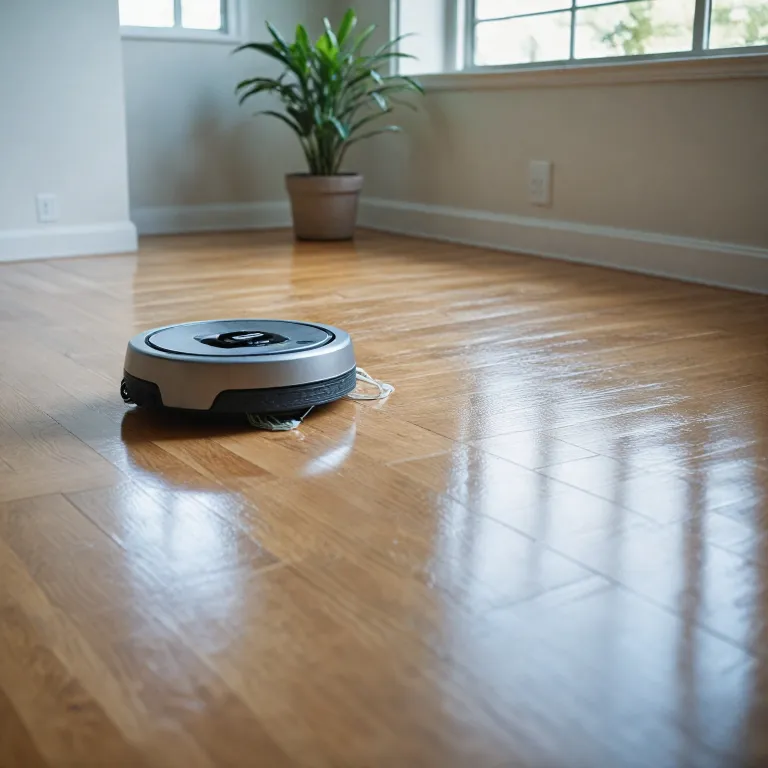
Why the best mop vacuum robot matters for real homes
The best mop vacuum robot is no longer a luxury for tech enthusiasts. It has become a practical cleaning system for busy households that need reliable mopping and vacuum performance every day. A well chosen robot vacuum can quietly maintain floors while you focus on work, family, or rest.
Modern robot vacuums combine strong suction power with a precise mopping system to handle dust, crumbs, and sticky stains in one pass. Many mop vacuum models now include an auto empty dock and a separate dirty water tank, which reduces manual maintenance significantly. This shift from simple robotic vacuums to full mop combos has changed expectations for home cleaning.
Among current leaders, the Roborock Saros 10R stands out as a best mop vacuum robot for balanced performance. It offers 8000 Pa suction power, low furniture clearance, and best in class navigation that helps the robot avoid getting stuck. In testing, this roborock saros model showed how a well tuned robot mop can reach under sofas, track along walls, and keep mop pads cleaner for longer.
Consumers comparing mop vacuum robots now look beyond raw suction power and focus on the whole cleaning system. They evaluate how the dock handles mop pad washing, how the app manages room maps, and how well the robot mop avoids carpets when wet. This more mature perspective helps identify which mop vacuum robot will genuinely reduce effort instead of adding new chores.
Key technologies that define the best mop vacuum robot
To understand what makes the best mop vacuum robot, start with navigation and mapping. A capable robot vacuum uses LiDAR or advanced cameras to build accurate maps, which lets the app define rooms, no mop zones, and targeted cleaning areas. This mapping precision is crucial when you want wet mopping only on tiles while keeping carpets dry.
Suction power remains a central metric, especially for homes with pets or deep rugs. Flagship mop vacuum models such as Dreame X50 Ultra and Dreame Matrix10 Ultra reach up to 30000 Pa, while Narwal Freo X Ultra and Roborock Saros 10R sit around 8200 Pa and 8000 Pa respectively. These numbers show how far robotic vacuums have progressed from early robot vacuums that struggled with heavier debris.
The mopping system is equally important, because a robot mop that drags a damp pad without pressure will leave stains behind. Leading mop combos use rotating mopping pads, adjustable pressure, and intelligent water tank control to adapt wet dry intensity to each floor. Some docks even scrub each mop pad with hot water, then dry it to prevent odours and bacteria growth.
For hard floors, especially tiles and sealed wood, a well engineered mop vacuum can rival a basic power floor scrubber. If you want a deeper dive into performance on tiles, a detailed guide on the top robot vacuum for tile and hard floors explains how different robot models handle grout lines. When evaluating any mop vacuum robot, check how the dock manages dirty water, how often the system rinses mopping pads, and whether the app lets you adjust scrubbing intensity room by room.
How docks, pads, and water management change daily cleaning
The dock has quietly become the heart of every best mop vacuum robot. Early robot vacuum docks only charged the robot, but modern stations wash each mop pad, manage dirty water, and often include auto empty dustbins. This evolution means the dock now determines how hands free your cleaning routine will feel.
Premium mop vacuum robots such as Dreame Ultra models and Narwal Freo X Ultra use multi chamber docks. One tank holds clean water for the mopping system, while another collects dirty water after each mop pad wash cycle. Some docks even dry mopping pads with warm air, which reduces mould risk and keeps the mop vacuum ready for the next run.
The Dreame Matrix10 Ultra goes further with a mop swapping dock that offers three mop types for different floors. This approach lets the robot mop switch between gentle mopping pads for delicate wood and more abrasive pads for stubborn stains on tiles. When combined with strong suction and a large water tank, this system turns the robot into a flexible cleaning tool for mixed surfaces.
For readers comparing a mop vacuum robot with a traditional floor machine, it helps to understand how automation changes habits. A detailed article on how a power floor scrubber can transform your cleaning routine shows the impact of consistent scrubbing. A best mop vacuum robot aims for similar results, but it uses mapping, an app, and a smart dock to deliver frequent light cleaning instead of occasional heavy scrubbing.
Comparing leading mop vacuum robot models and brands
Several brands now compete for the title of best mop vacuum robot, each with a distinct strategy. Roborock focuses on balanced performance, and The Hook Up notes that “The Roborock Saros 10R is the best all-around vacuum and mop on the market right now.” This roborock saros model combines strong suction power, refined navigation, and a reliable mopping system that suits most homes.
Dreame targets high end users with the Dreame X50 Ultra and Dreame Matrix10 Ultra, both delivering up to 30000 Pa suction power. TechRadar describes the Dreame Matrix10 Ultra as “a groundbreaking and premium hybrid robot vacuum designed for large, multi-surfaced homes or commercial spaces.” These Dreame Ultra models emphasise advanced obstacle avoidance, a sophisticated dock, and versatile mop pad options.
Narwal takes a different path with the Narwal Freo X Ultra, prioritising autonomy and low maintenance. Yahoo Tech reports that “The Narwal Freo X Ultra is the best robot housecleaner I've tested. It's the one that vacuums and mops most reliably and is least likely to require intervention on my part.” This narwal model uses a tangle free vacuum brush, compact debris management, and a robust mopping system to keep floors clean with minimal user input.
Other players such as Lefant M3 and Ecovacs Deebot also compete in the mop vacuum space. Lefant M3 offers hot water mop cleaning and anti tangle brushes, while Ecovacs Deebot models focus on rich app features and strong suction. When comparing these robotic vacuums, pay attention to how each robot mop handles edge cleaning, how the dock manages dirty water, and whether the app supports detailed scheduling for different rooms.
Real world challenges: stains, carpets, and mixed flooring
In real homes, the best mop vacuum robot must handle more than dust. Sticky stains in kitchens, dried mud near entrances, and pet accidents all test how well a mop vacuum can combine suction power with targeted wet mopping. A strong robot vacuum without an intelligent mopping system will leave marks, while a pure robot mop without strong suction will smear debris.
Advanced mop combos use pressure, oscillation, and controlled water flow to tackle stains. Many systems lift the mop pad when crossing carpets, protecting fibres from wet exposure while the vacuum continues to work. This wet dry management is essential for mixed flooring, where a single robot must transition between tiles, laminate, and rugs without manual intervention.
Users should also consider how the app manages room specific settings for each robot. A good app lets you increase scrubbing intensity in kitchens, reduce water on wood, and schedule the robot vacuum for quiet runs in bedrooms. Some models, such as Dreame Ultra and Narwal Freo X Ultra, allow multiple maps, which helps when the mop vacuum serves several floors in a house.
For those comparing different robot vacuums and mop combos, long term reliability matters as much as first week performance. A detailed review of a combo robot vacuum mop with autowash dock and spinning pads illustrates how dock design affects maintenance. When evaluating any mop vacuum robot, check how easily you can access the water tank, how often you must empty dirty water, and whether replacement mopping pads are affordable and widely available.
How to choose the right mop vacuum robot for your home
Selecting the best mop vacuum robot starts with an honest assessment of your floors and habits. Measure the total area, note how many carpets you have, and identify high traffic zones where stains appear frequently. This information will guide your choice of suction power, water tank size, and dock capabilities.
For small apartments with mostly hard floors, a compact mop vacuum with moderate suction and a simple dock may be sufficient. In larger homes with pets, consider a roborock saros, Dreame Ultra, Narwal Freo X Ultra, or Ecovacs Deebot model that offers strong suction, auto empty, and robust dirty water management. These robotic vacuums can run daily, using their mopping system and mop pads to maintain a consistently clean surface.
Pay attention to how each robot vacuum handles software and updates through its app. A clear interface with room naming, no mop zones, and adjustable wet dry levels will make the robot mop easier to integrate into your routine. Over time, firmware improvements can refine navigation, enhance the cleaning system, and improve how the robot responds to obstacles.
Finally, consider long term ownership costs for any mop vacuum robot you shortlist. Check prices for replacement mop pads, filters, and water tank components, and verify that the brand offers reliable support in your region. When these practical details align with strong suction power, an effective mopping system, and a well designed dock, you are far more likely to end up with the best mop vacuum robot for your specific home.
Key performance statistics for leading mop vacuum robots
- Roborock Saros 10R suction power is rated at 8000 Pa, which balances strong debris pickup with efficient energy use.
- Dreame X50 Ultra delivers up to 30000 Pa suction power, making it suitable for deep cleaning carpets and heavy messes.
- Lefant M3 offers 12000 Pa suction power, combined with hot water mop cleaning for improved hygiene.
- Narwal Freo X Ultra reaches 8200 Pa suction power, supporting its reputation as a reliable all round robot housecleaner.
- Dreame Matrix10 Ultra also achieves 30000 Pa suction power, paired with an innovative mop swapping dock and three mop types.
Common questions about choosing the best mop vacuum robot
How important is suction power in a mop vacuum robot ?
Suction power is crucial for lifting debris before the mopping system passes over the floor. Higher suction, such as 8000 Pa to 30000 Pa, helps the robot vacuum remove crumbs, dust, and pet hair from both hard floors and carpets. However, it should be balanced with good navigation, an effective water tank system, and quality mop pads.
Do I still need a traditional mop if I own a robot mop ?
A best mop vacuum robot can handle most daily cleaning, especially for light stains and dust. Many users still keep a traditional mop or power floor scrubber for occasional deep cleaning or emergencies. Over time, a capable mop vacuum robot significantly reduces how often you need manual mopping.
Can a mop vacuum robot safely clean wooden floors ?
Yes, provided the robot mop offers precise wet dry control and good app settings. Look for a mopping system that allows low water usage, gentle mop pads, and clear no mop zones for sensitive areas. Regularly check that the water tank and dock do not leak, and avoid leaving dirty water in the system for long periods.
How often should I replace mop pads and filters ?
Replacement frequency depends on how often your mop vacuum runs and how dirty your floors are. As a general guide, many households replace mop pads every few months and filters every two to three months. Check the manufacturer’s recommendations for your specific robot vacuum model, and inspect pads regularly for wear or lingering stains.
Is an auto empty dock worth paying extra for ?
An auto empty dock adds convenience by reducing how often you empty the dustbin manually. For larger homes or households with pets, this feature keeps the robot vacuums running efficiently between maintenance sessions. When combined with dirty water management and mop pad washing, an auto empty dock helps create a truly low effort cleaning system.