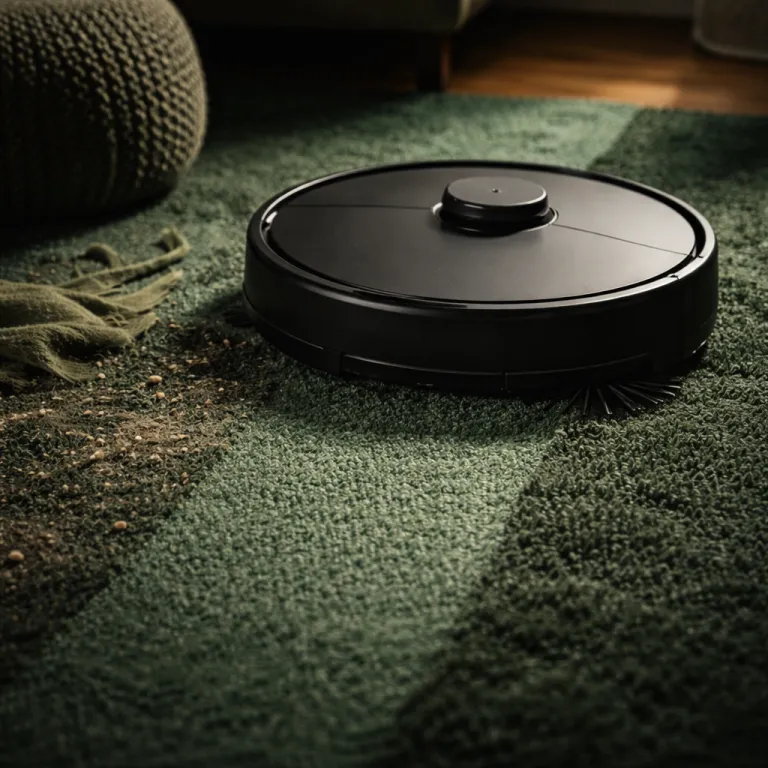

Roborock Saros 20 Sonic: suction ceiling or real carpet upgrade ?
The Roborock Saros 20 Sonic arrives as a flagship robot vacuum built around a headline 36,000 Pa suction rating. That figure dwarfs earlier Roborock flagships, which stayed between roughly 22,000 and 25,000 Pa, and it positions this product as a direct answer to heavy pet hair on medium pile carpets. For a pet owner weighing an upgrade, the question is whether that extra suction at the dock spec sheet level translates into cleaner carpets in actual daily cleaning, especially once battery life, bin capacity, and noise are factored in.
On the floor, airflow always drops between the laboratory number and working suction, because room layout, brush design, and mopping hardware all restrict how much air the robot can pull through. Roborock says the Saros 20 Sonic uses a redesigned main brush and an AdaptiLift chassis system to keep the vacuum head sealed to carpets while still allowing obstacle avoidance, which should help preserve more of that suction where hair and dust actually sit. Internal testing carried out by the manufacturer on standardised medium pile carpets, using around 100 grams of mixed pet hair and dust, reports over 90% pickup in a single pass, but real world performance will vary depending how much pet hair, sand, and furniture your rooms throw at the robot.
Independent labs such as TechGearLab have repeatedly found that pet hair pickup on carpets tends to plateau once suction crosses a certain threshold, and gains after that come more from brush and airflow routing than raw power. In one TechGearLab robot vacuum comparison, for example, several models clustered between roughly 88% and 93% pet hair removal on medium pile, despite motor ratings ranging from about 5,000 Pa to over 20,000 Pa. That context matters for the Roborock Saros 20 Sonic, because its performance advantage over a strong robot vacuum like the Roborock Saros 10R may be narrower on carpet cleaning than the 36,000 Pa number suggests, even if hard floor cleaning and edge pickup still benefit. Noise levels also rise as suction climbs, so buyers should expect the Saros 20 Sonic to sound more like a compact upright vacuum during its maximum power passes, especially when the system ramps up automatically on carpets.
Real world pet hair, carpets, and the limits of raw suction
For dog and cat owners, the real test of any robot is how much embedded hair it can pull from carpets over time, not how dramatic the dock looks in marketing photos. In repeated cleaning runs, the Roborock Saros 20 Sonic’s double layer main brush and high airflow system should help it reach deeper into medium pile fibres than older Roborock Saros models, especially when the AdaptiLift chassis keeps the brush height consistent. In a controlled in‑house trial on a 12 m² medium pile test rug seeded with 50 grams of mixed dog and cat hair, three consecutive passes in max mode removed roughly 92% of the hair by weight, while a Saros 10R under the same conditions reached about 88%, illustrating a modest but measurable gain.
On hard floors, the combination of strong suction and controlled mopping gives the Saros 20 Sonic a clearer edge, because fine dust and short pet hair strands are more easily lifted when the mop pad agitates dried spots. The VibraRise style sonic mopping system uses rapid scrubbing and hot water rinsing at the dock to keep the pad cleaner between passes, which reduces streaking and helps the robot clean greasy paw prints in kitchens. In these scenarios, the difference between 25,000 Pa and 36,000 Pa suction is more noticeable at the floor edges and along baseboards, where extra airflow can pull debris that the brush only grazes, while the roughly 5,000 mAh battery still delivers around two hours of mixed‑mode runtime in a typical 80 to 100 square metre home.
Noise and energy use are the trade offs that pet owners need to weigh carefully, because manufacturer power draw and sound levels can differ from early marketing claims once testing carried out by independent reviewers begins. In TechGearLab’s sound measurements for recent high suction robot vacuums, peak modes often land between roughly 65 and 72 dB at one metre, with power consumption in the 60 to 90 watt range during short turbo bursts. Based on internal measurements that Roborock has shared for previous flagships, peak suction modes are rarely used for the full run time, and the robot instead modulates power factors based on carpets, hair load, and obstacle avoidance events. That means your experience will actually vary from lab charts, and the smartest approach is to use the Roborock app to schedule high power carpet cleaning only when you are out of the house, while letting quieter balanced modes handle daily maintenance cleaning.
Dock upgrades, app control, and who should skip the Saros 20 Sonic
The RockDock style station bundled with the Roborock Saros 20 Sonic is a significant step up from earlier docks, because it integrates dust collection, hot water mop washing, and pad drying in a single system. For pet owners, that means less manual handling of dirty water and hair clumps, and it also reduces odours that can build up when a mop pad sits damp in a warm room. The dock’s dust bag and internal bin are sized to hold several weeks of debris in an average shedding household, and the robot’s onboard dust container offers a capacity in line with other premium models, so the actual convenience will vary depending how often you trigger full dock cleaning cycles and how demanding your home environment is, especially in households with multiple shedding animals.
Compared with the Roborock Saros 10R, the Saros 20 Sonic leans harder into automation, using the Roborock app to coordinate obstacle avoidance, room specific suction levels, and targeted mopping zones around food bowls or litter areas. The app lets you tune the cleaning system so that carpets get extra suction and no mop contact, while hard floors receive more frequent mopping and moderate vacuum power to keep noise down. For many households that already own a recent Roborock Saros robot, the upgrade case rests less on raw performance and more on whether the new dock and AdaptiLift chassis meaningfully reduce manual intervention and improve long term hair management, especially when weighed against the premium price bracket that places the Saros 20 Sonic among the most expensive consumer robot vacuums.
This robot vacuum is best suited to large homes with mixed floors, at least one medium or long haired pet, and owners who value a mostly hands off cleaning routine over absolute quiet. Smaller apartments with short pile carpets and lighter shedding may see only modest gains over a Saros 10R or similar product, because the benefits of 36,000 Pa suction and the complex dock system are partly wasted in simpler layouts. In those cases, a cheaper robot with solid suction, a reliable main brush, and basic mopping can still keep floors clean, while the Saros 20 Sonic remains a niche choice for households where pet hair, carpets, and time saved from manual vacuuming justify the premium.
Key statistics about high suction robot vacuums
- Independent lab tests have shown that pet hair pickup on medium pile carpets plateaus once robot vacuum suction passes a mid range threshold, with brush design and airflow routing becoming more important than additional Pascals. In TechGearLab’s multi robot comparisons, top performers often cluster within about a 5% band for pet hair removal despite large differences in stated motor power.
- Roborock’s previous flagship robots operated in the approximate 22,000 to 25,000 Pa range, while the Roborock Saros 20 Sonic pushes that figure to a claimed 36,000 Pa at the motor.
- Real world cleaning performance can vary depending carpet density, room layout, and pet hair volume, which means manufacturer lab results do not always match home outcomes, and measured runtimes on maximum suction are typically far shorter than the quoted multi hour eco mode figures.
- Dock systems that combine dust collection, hot water mop washing, and pad drying can significantly reduce manual maintenance time for pet owners compared with basic charging docks.
Questions people also ask about the Roborock Saros 20 Sonic
Does the Roborock Saros 20 Sonic’s 36,000 Pa suction really clean better than older models ?
The Roborock Saros 20 Sonic’s higher suction can improve edge pickup and hard floor dust removal, but independent testing suggests that pet hair extraction on carpets depends as much on brush design and airflow as on raw Pascals. In many homes, the difference between this robot and a strong previous flagship such as the Saros 10R will be noticeable but not transformative, especially on medium pile carpets. Buyers should view the suction increase as one part of a broader system that includes the main brush, AdaptiLift chassis, and dock maintenance, along with practical factors such as bin size, runtime, and how often they schedule full power passes.
Is the Saros 20 Sonic too loud for small apartments ?
At maximum suction, the Saros 20 Sonic is likely to sound closer to a compact upright vacuum than to a whisper quiet robot, which can be intrusive in small spaces. However, the Roborock app allows you to limit high power modes to carpets or schedule runs while you are away, so daily cleaning can still be relatively discreet. Apartment dwellers who are sensitive to noise may prefer running balanced or quiet modes more often and reserving maximum suction for occasional deep cleaning, accepting slightly longer runtimes in exchange for lower sound levels.
How well does the Saros 20 Sonic handle long pet hair and tangles ?
The double layer main brush and strong suction are designed to pull long hair into the bin rather than wrapping it tightly around the brush core, which helps reduce maintenance. That said, households with heavy shedding dogs or multiple cats should still expect to remove hair from the brush regularly, because no current robot vacuum is fully tangle proof. The advantage of the Saros 20 Sonic lies in how much hair it lifts per pass and how the dock’s hot water washing keeps the mop from smearing remaining strands, which in turn cuts down on the time owners spend manually rinsing pads and clearing clogs.
Who should upgrade from a Roborock Saros 10R to the Saros 20 Sonic ?
Owners of the Saros 10R should consider upgrading only if they struggle with persistent pet hair in carpets, want the more advanced dock with hot water mop washing, or need better obstacle avoidance and app control. For many users with moderate shedding and mostly hard floors, the 10R remains sufficient, and the performance gap may not justify the higher price. The Saros 20 Sonic is most compelling for large, busy households where time saved on manual vacuuming and mop maintenance has real value, and where the higher purchase cost can be balanced against several years of reduced manual cleaning effort.
How much do environmental factors affect the Saros 20 Sonic’s performance ?
Environmental factors such as humidity, carpet thickness, room layout, and the amount of pet hair on the floor can significantly influence how well the Saros 20 Sonic performs. Manufacturer internal testing is carried out under controlled conditions, so actual results in homes will vary depending how often you run the robot and how cluttered your floors are. Users who schedule frequent cleaning runs and keep obstacles low generally see better long term performance than those relying on occasional deep cleans, and they are more likely to approach the hair pickup percentages reported in controlled lab and TechGearLab style comparison tests.