How much premium performance do you really need
Choosing the best premium robot vacuum starts with an honest look at your home. A small apartment with mostly hard floors and little pet hair does not need the same max suction or ultra complete mopping system as a large house with several carpets and multiple pets. Matching robot vacuums to your real floor plan, clutter level, and lifestyle is the key to getting value from a higher price.
For mixed flooring, look for a robot vacuum mop that can automatically boost suction on carpet while reducing water flow on delicate wood or laminate. Many iRobot Roomba and Roborock models offer this adaptive performance, while brands like Ecovacs Deebot and Dreame focus on strong vacuum power combined with efficient mop pads and adjustable water control. If you are hesitating between price tiers, a detailed comparison of what extra money buys in a robot vacuum can clarify whether you truly need features like an auto empty base station, heated pad drying, or self cleaning mop trays.
Battery life is another premium differentiator, especially in multi room homes. A best robot model should clean at least 120 square metres on one charge in standard mode, then return automatically to recharge and resume if needed. When battery capacity, suction power, and brush design are balanced correctly, the robot spends less time docking and more time cleaning efficiently, often finishing a typical 80–100 square metre flat in under 90 minutes.
Navigation, obstacle avoidance, and real world reliability
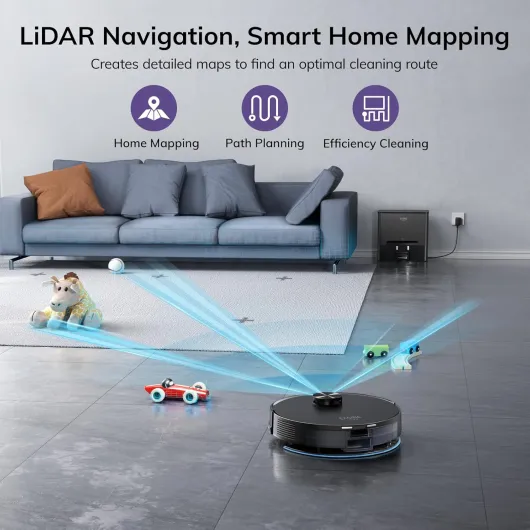
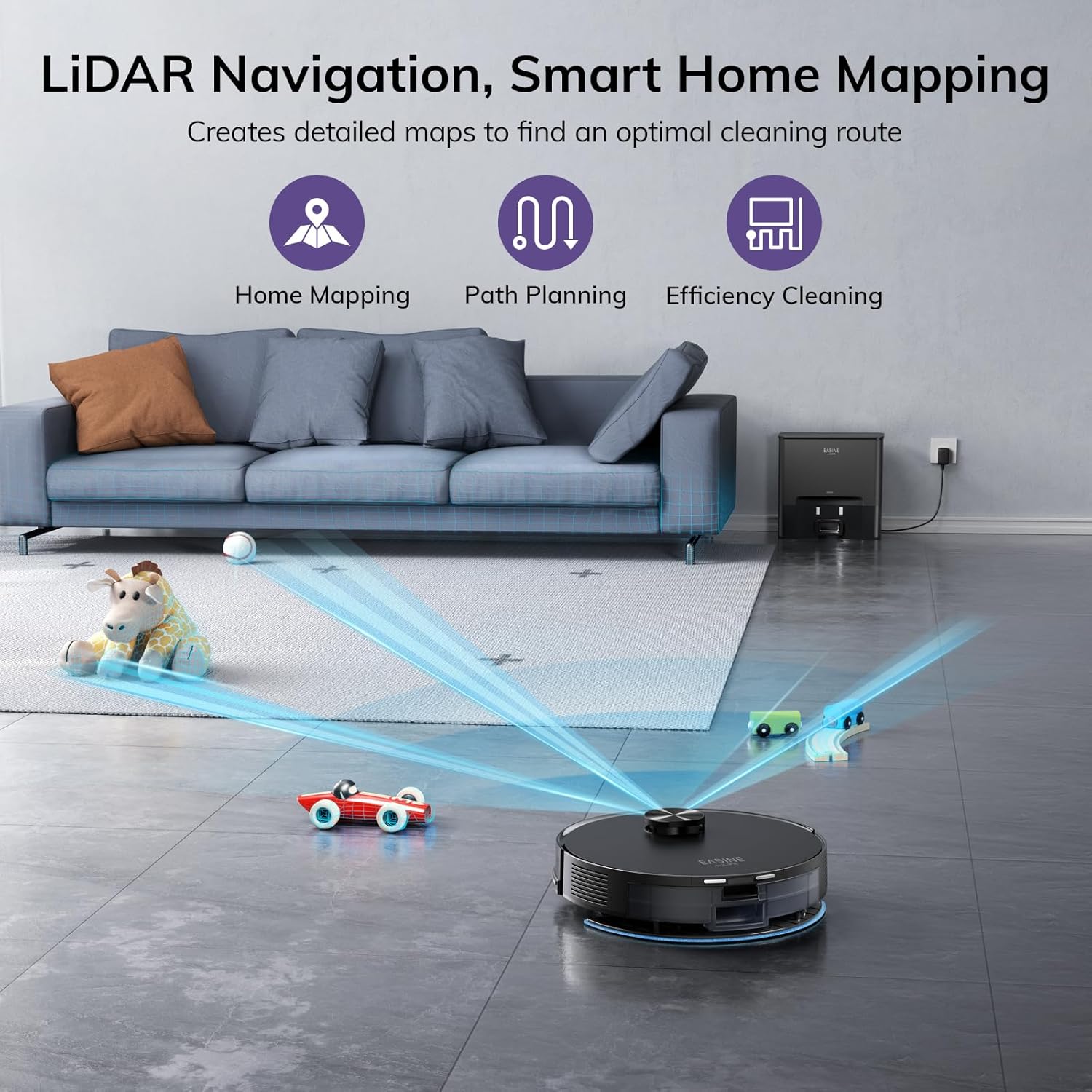
Navigation is where a best premium robot vacuum truly separates itself from cheaper vacuums. Older robots relied on random bump and turn patterns, while current premium robot vacuums use lidar navigation or structured visual mapping to move with purpose. This shift means fewer missed spots, straighter lines, and faster overall cleaning cycles, especially in complex homes with many rooms.
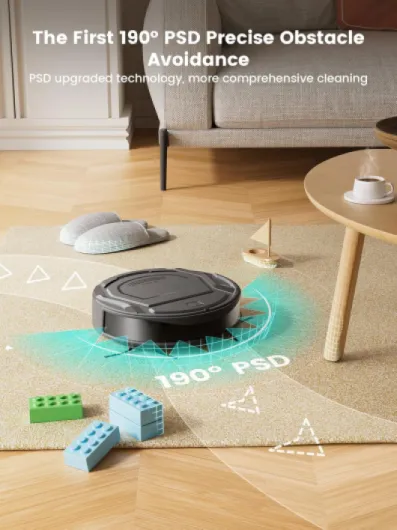
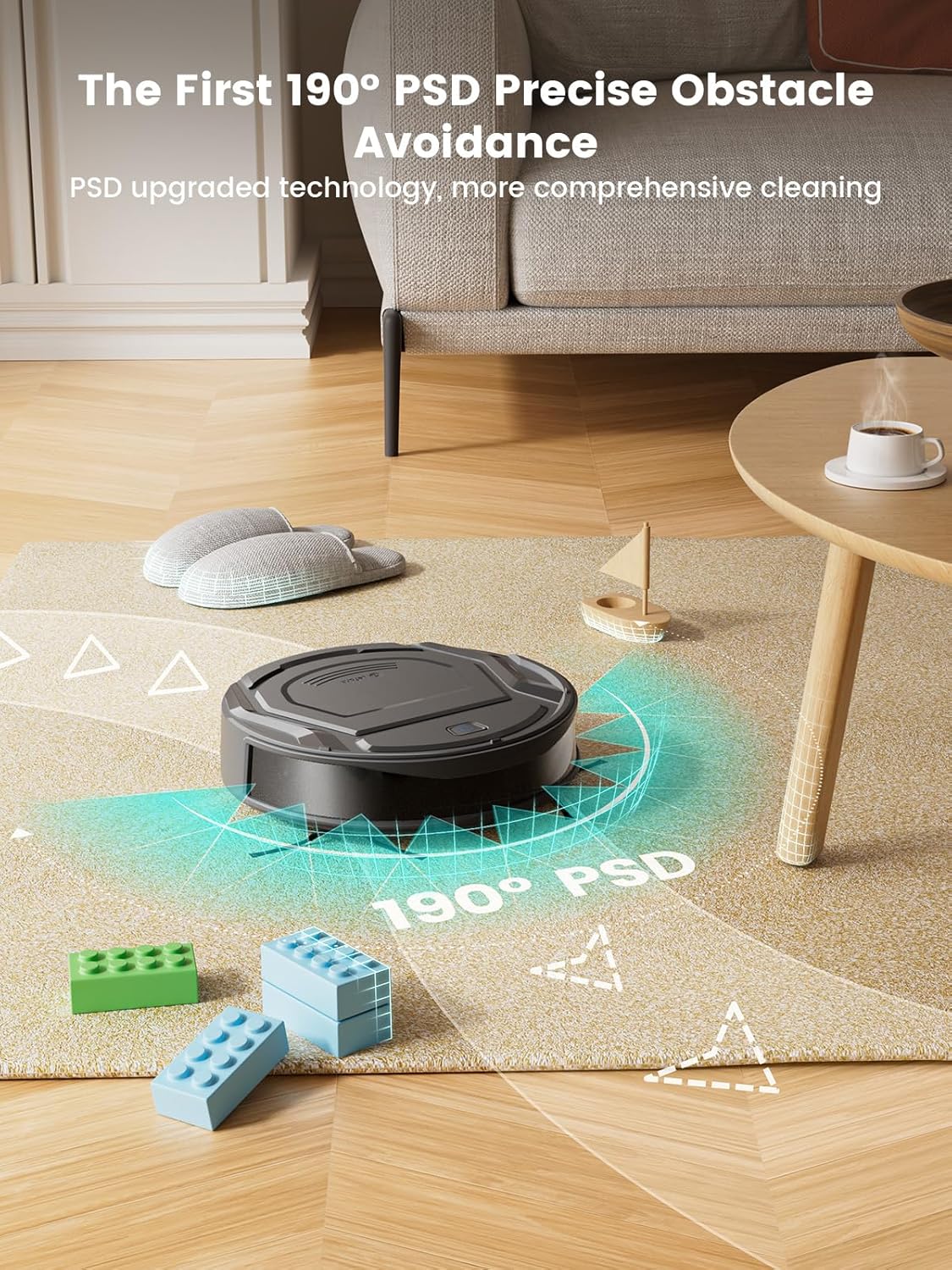
Advanced obstacle avoidance is now a headline feature, but not all systems are equal in real homes. Some vacuum mop models can recognise cables, shoes, socks, and even pet waste, yet they may still struggle with low black rugs or highly reflective floors, which can confuse cliff sensors or cameras. If you want to understand why recognising hundreds of objects is not the only metric that matters, a deeper analysis of AI based avoidance performance in daily use is worth reading, including how often robots actually avoid getting stuck under furniture or wrapped in cords.
For multi storey houses, reliable mapping and obstacle handling become even more critical. A robot vacuum with stable lidar navigation can store several maps, letting you carry the robot between floors while the base station remains on the main level. When you compare premium robot vacuums for multi story homes, prioritise consistent obstacle avoidance, accurate room recognition, and the ability to set no mop zones around thick carpets, stair edges, and high threshold transitions.
Deep cleaning power, carpets, and pet hair control
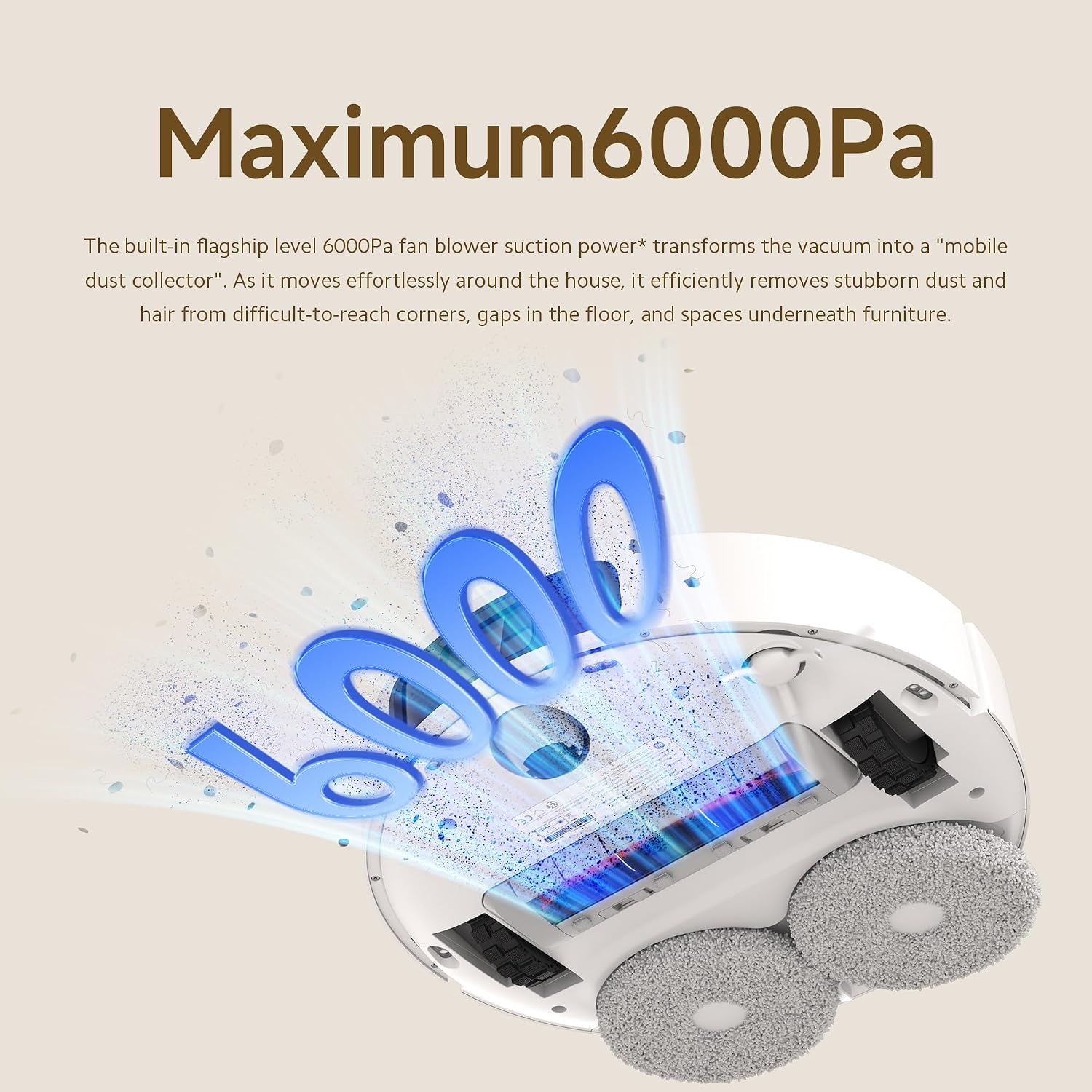
Cleaning performance is where the promise of the best premium robot vacuum meets the reality of dust, crumbs, and stubborn hair. High end robot vacuums now reach impressive max suction levels, but raw numbers mean little if the brush and airflow design are poor. A well engineered vacuum mop channels air efficiently through the brush housing and into the dustbin, lifting debris from both hard floors and carpet fibres while keeping noise at a tolerable level.
Pet owners should pay special attention to how a robot handles pet hair and long human hair. Anti tangle rollers, a thoughtful tangle system around the bearings, and a well positioned side brush can dramatically reduce maintenance time. When these elements work together, the robot vacuum spends more time cleaning and less time stuck with hair wrapped around its brush, and you spend fewer weekends cutting fur out of the roller with scissors.
Carpet performance also depends on how the robot adjusts height and suction. Some premium vacuums automatically increase max suction on deep pile carpet, while lifting the mop pad to avoid soaking fibres during mopping. If you have several rugs, look for a robot vacuum mop that can both recognise carpet zones and apply strong suction without dragging a wet mop across them, ideally with user adjustable carpet boost levels in the companion app.
Mopping systems, base stations, and ultra complete ecosystems
Premium buyers increasingly expect a robot that can mop as well as vacuum. The best robot vacuum mop combinations now use oscillating pads, pressurised water flow, and intelligent mopping patterns to remove dried stains rather than just wiping lightly. A strong mopping system also includes precise control of water levels and mop pressure, so your floors dry quickly without streaks or water pooling along skirting boards.
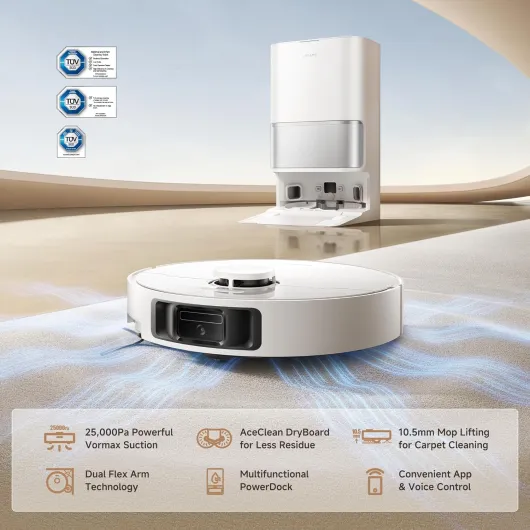
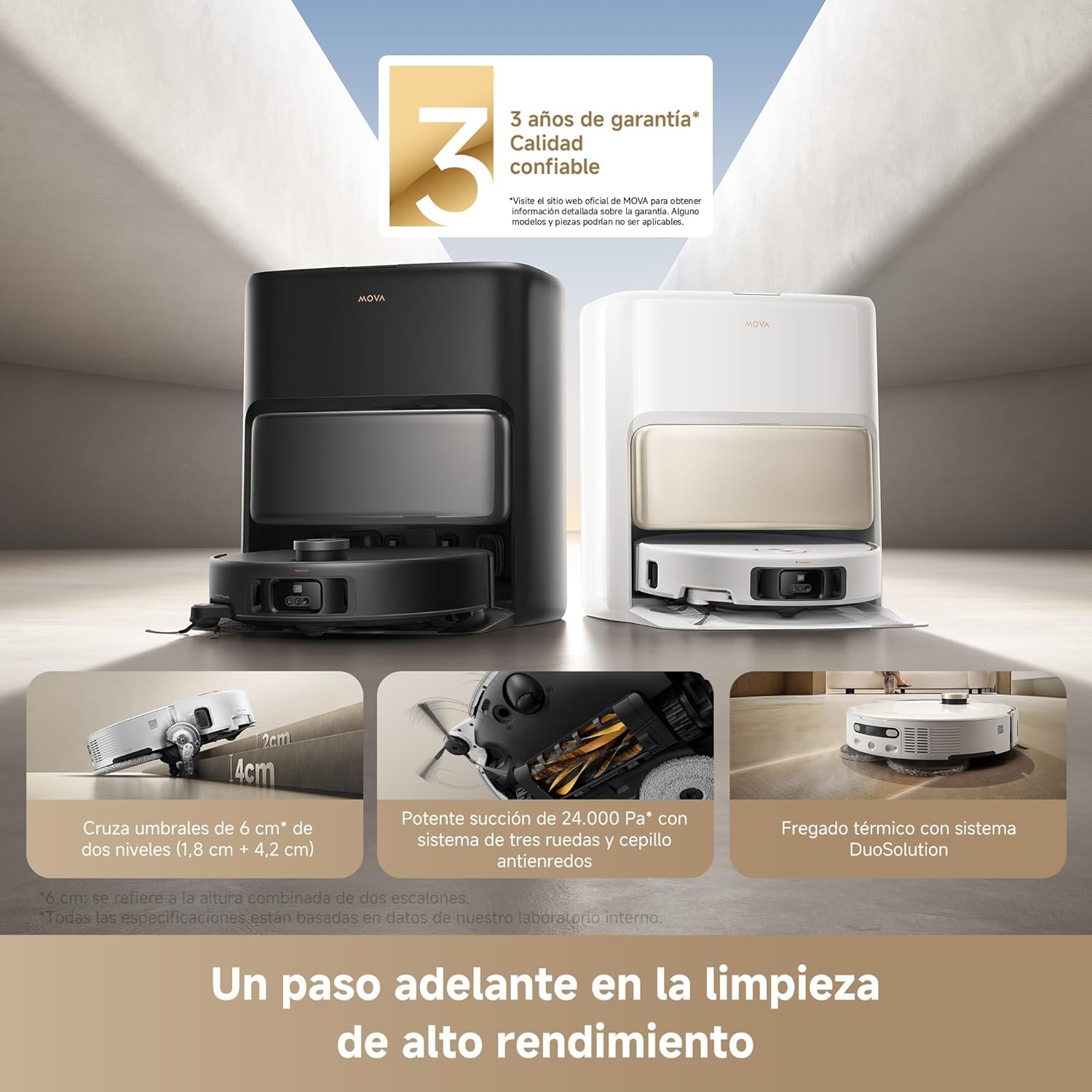
Base station design has become a major differentiator in the ultra segment. Some stations simply empty the dustbin, while others wash mop pads, refill clean water, and even dry the pads with warm air for a more ultra complete experience. When you compare stations, consider how often you want to handle dirty water tanks, replace bags, or manually clean the robot after heavy use, and whether the station itself is easy to wipe down and keep hygienic.
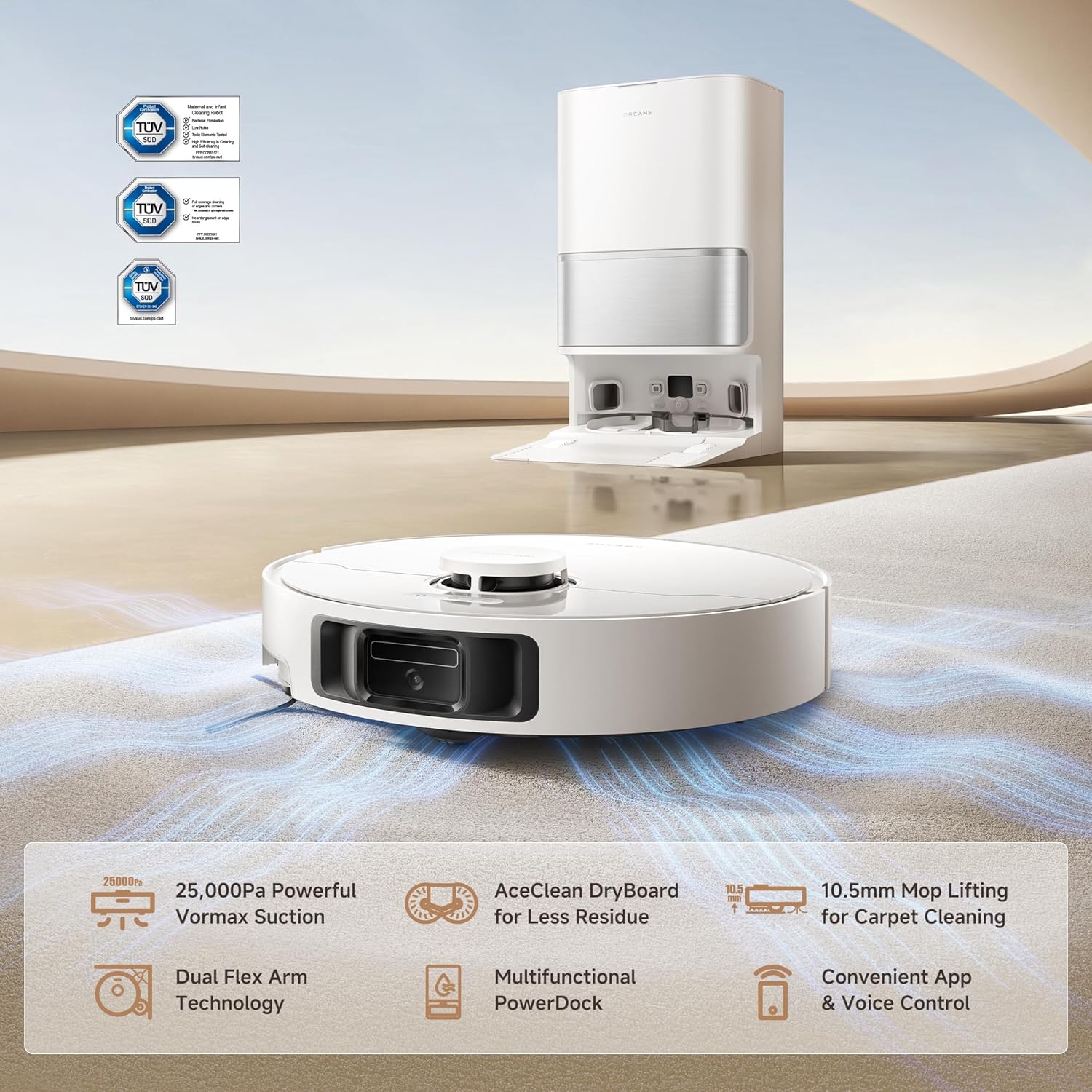
Models like the Roborock Q Revo, the Dreame L10s Ultra, and several Ecovacs Deebot flagship lines illustrate how far this ecosystem can go. These robots combine strong suction, robust battery life, and sophisticated mopping with a base station that automates most maintenance tasks. If you value a hands off routine, prioritise a premium vacuum mop with an integrated base station that supports both long term cleaning performance and easy hygiene, ideally with clear status indicators and simple access to tanks and filters.
Brand ecosystems and choosing the right premium robot family
Once you know you want the best premium robot vacuum, the next step is choosing a brand ecosystem. IRobot Roomba, Roborock, Ecovacs Deebot, and Dreame each approach cleaning, navigation, and app control differently, which shapes your daily experience. Thinking in terms of families of robot vacuums rather than single models can help you future proof your purchase and simplify future upgrades.
IRobot Roomba robots are known for robust hardware, strong carpet cleaning, and reliable customer support, while some Roborock and Dreame Ultra models push harder on lidar navigation and advanced mopping. Ecovacs Deebot often focuses on rich app features and camera based obstacle avoidance, appealing to users who want detailed control and live monitoring. When you compare these ecosystems, look at how often software updates arrive, how the app handles room naming and zone cleaning, and whether multiple robots can share maps in larger homes.
For many buyers, the best robot is the one that quietly fits into existing routines. Check how each vacuum mop integrates with voice assistants, how easy it is to schedule cleaning around pets and children, and whether the side brush and main brush are simple to replace without tools. A thoughtful choice of premium robot vacuum today can anchor a broader smart home cleaning strategy for many years, especially if the brand offers compatible future models and replacement parts.
Key figures on premium robot vacuum adoption and performance
- Market analysts from IDC reported that robot vacuums represented roughly one third of all household vacuum cleaner sales in major European markets in recent years, showing how quickly cleaning robots have moved from niche gadgets to mainstream appliances (IDC, European Home Appliance Tracker).
- Independent lab tests by organisations such as Stiftung Warentest have measured premium robot vacuum suction at more than 4 000 pascals in selected models, which is enough to lift fine dust from deep carpet fibres when combined with an efficient brush design (Stiftung Warentest, comparative robot vacuum tests).
- Battery life for high end robot vacuums now commonly exceeds 150 minutes in standard mode, allowing a single robot to clean more than 120 square metres of mixed flooring before needing to recharge, according to manufacturer specifications and third party endurance tests.
- Consumer surveys in Western Europe have found that households with at least one pet are more than twice as likely to buy a robot vacuum mop, underlining how pet hair management drives demand for anti tangle systems, stronger suction, and high efficiency filters.
- Manufacturers report that auto empty base station usage can reduce manual dustbin emptying frequency from several times per week to once every 30 to 60 days, depending on home size, shedding levels, and how often the robot runs in high power modes.