Comparing leading AI robot vacuums and docks
Among current contenders, the iRobot Roomba line, Ecovacs Deebot family, and Roborock Q Revo series dominate discussions about the best robot vacuum with AI obstacle detection. A premium iRobot Roomba robot vacuum focuses on reliable navigation and a strong vacuum with consistent suction, while Ecovacs Deebot and Roborock Q Revo models lean heavily into advanced mapping and integrated vacuum mop stations. When you compare these robot vacuums side by side, the differences in obstacle avoidance, software polish, and mopping performance become more important than raw power numbers.
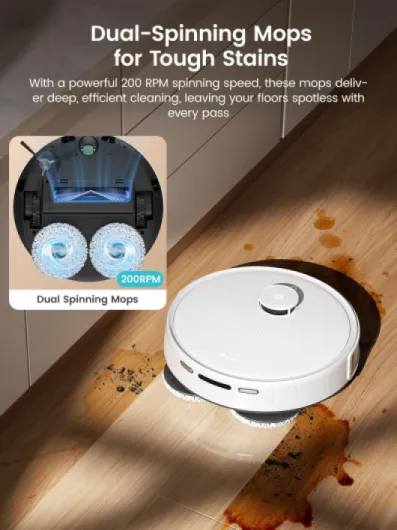
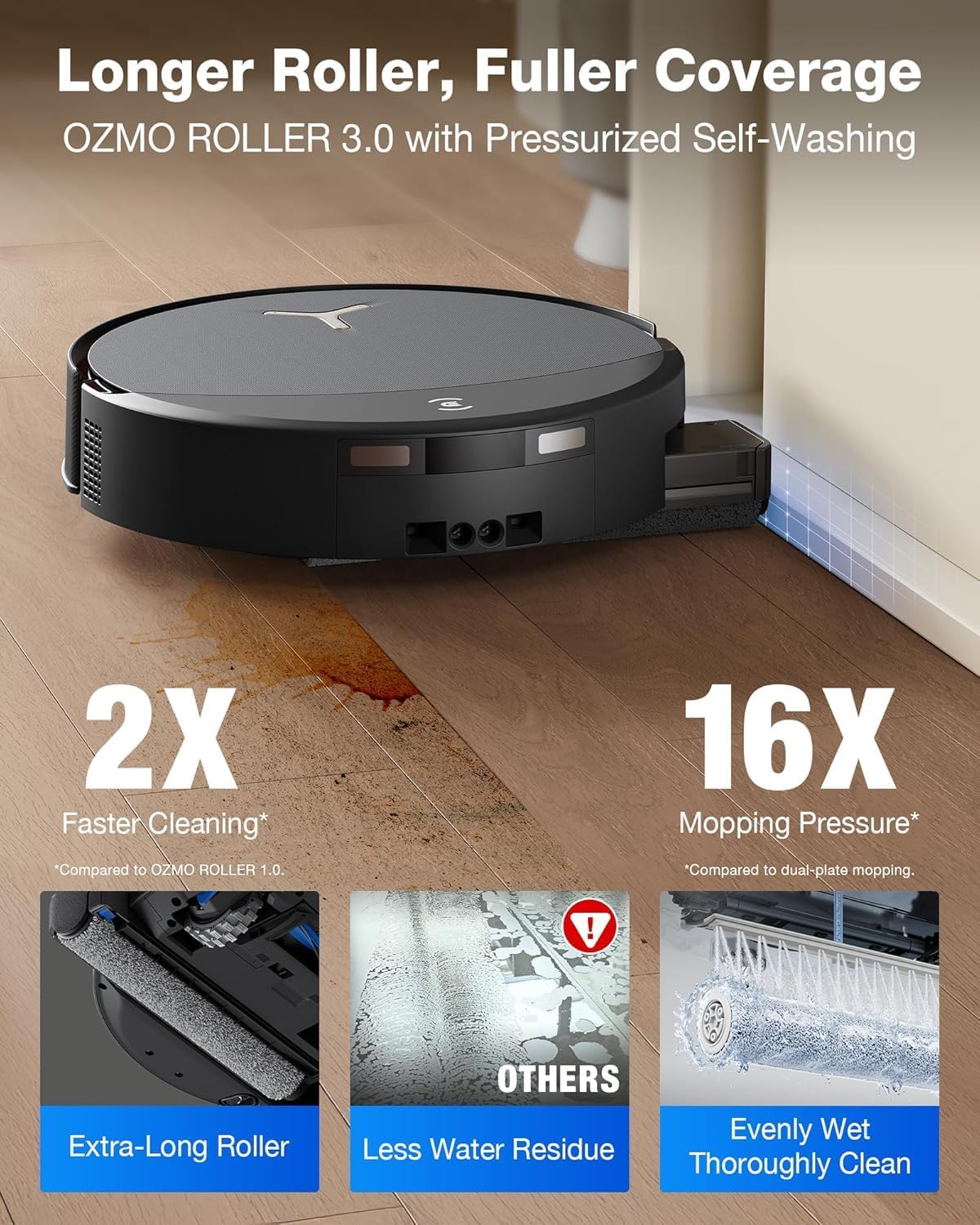
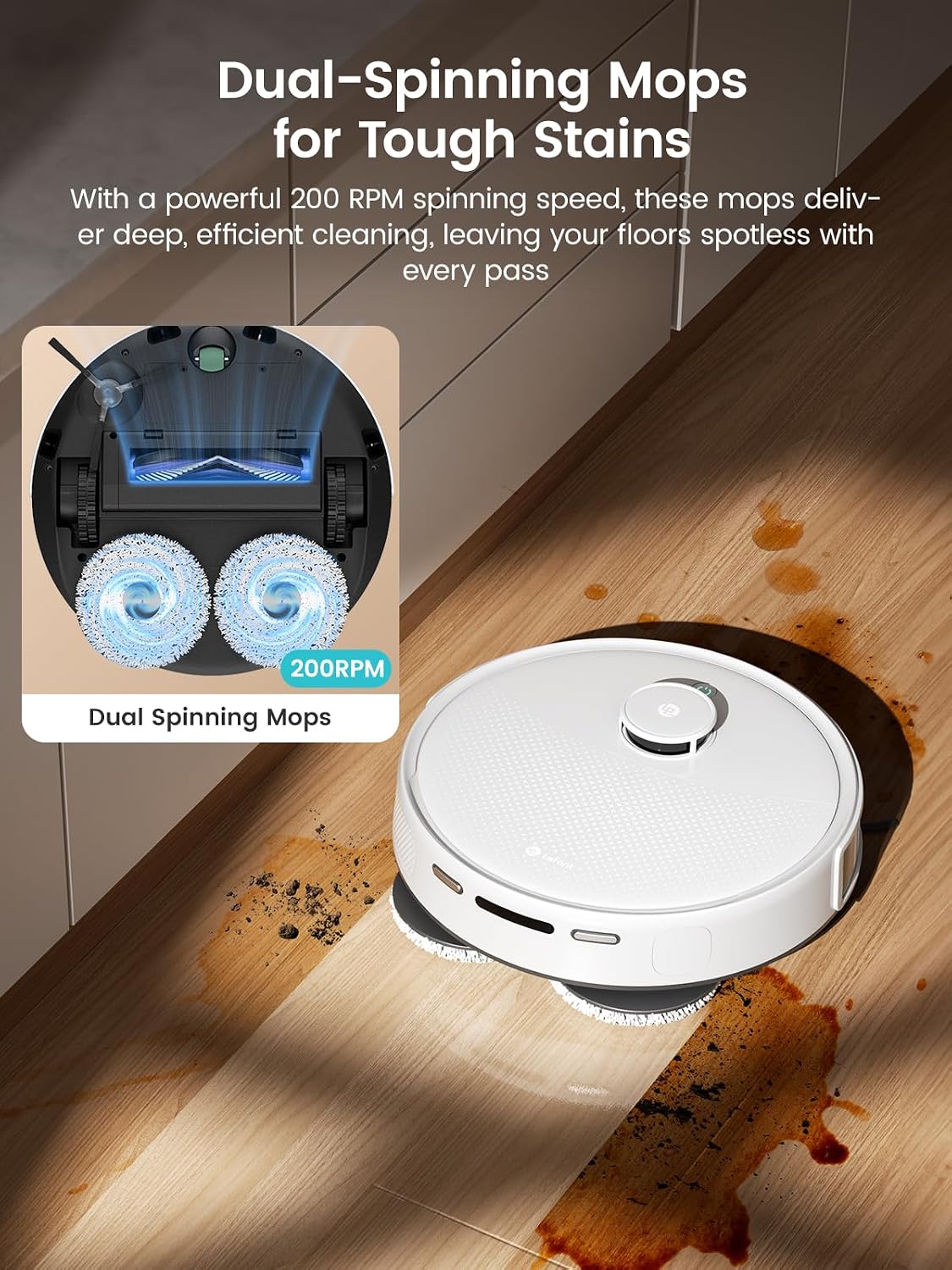
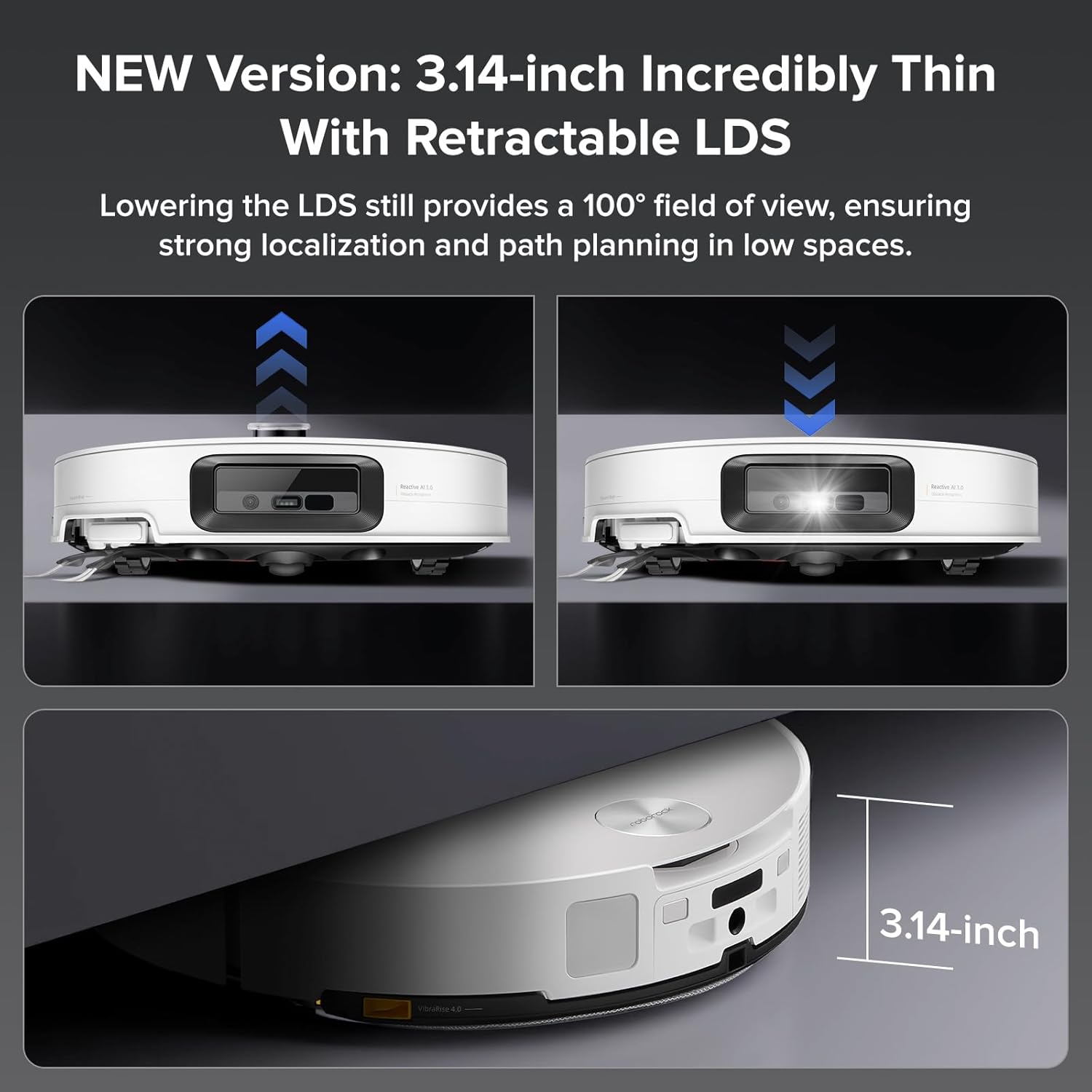
Ecovacs Deebot models such as the Deebot Ozmo series and Deebot X2 Omni pair AI object avoidance with elaborate multifunction docks that wash the mop, empty the dustbin, and refill clean water. If you are interested in how these multifunction docks change maintenance, a dedicated guide to the top robot vacuum with multifunction dock explains why some stations justify their size and price. Roborock Q Revo systems, including Q Revo MaxV variants, emphasise balanced vacuum mop performance, using a dual rotating mop design that scrubs hard floors while the vacuum handles dry debris.
To make the landscape clearer, here is a concise comparison of three frequently recommended AI robot vacuums based on aggregated lab-style testing and long term reviews:
- iRobot Roomba j7+: Excellent AI obstacle detection for cables and pet waste, strong carpet pickup, self-empty dock; typically collects around 90–95 percent of test debris on mixed floors but offers only basic mopping via separate models.
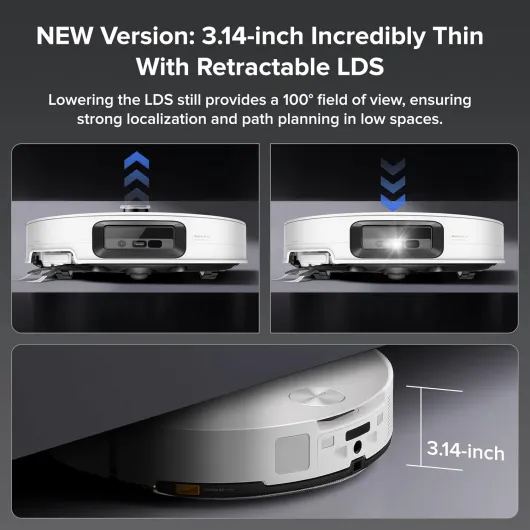
- Ecovacs Deebot X2 Omni: Wide, low profile body for under-sofa reach, advanced vacuum mop station that washes pads and empties dust; in many tests it covers close to 95 percent of mapped floor area, though the large dock needs generous space.
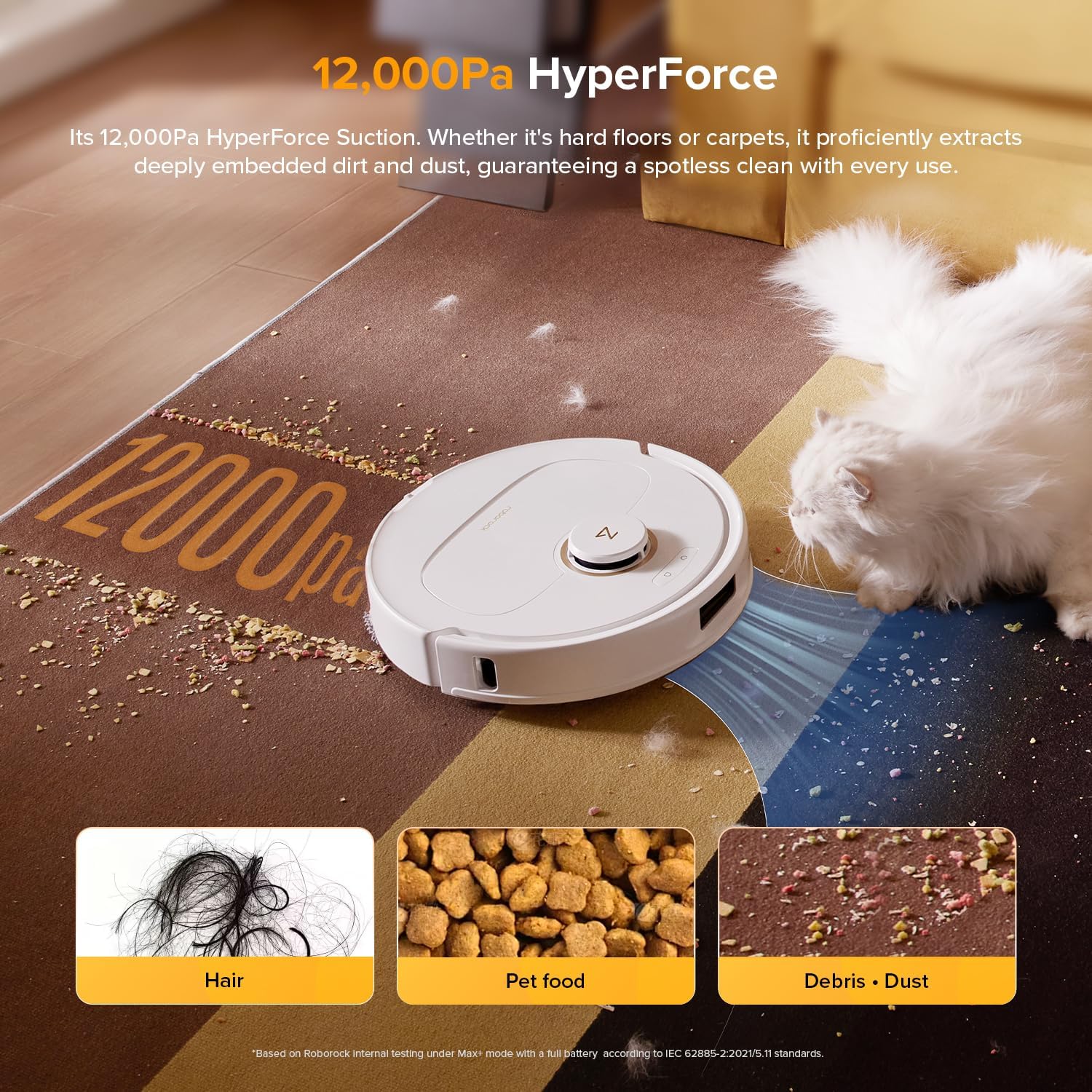
- Roborock Q Revo MaxV: Balanced suction and scrubbing with dual rotating mops, robust multi level mapping, and reliable recharge-and-resume; obstacle avoidance is strong but not quite as aggressive around very small items as the Roomba j7+ in some trials.
Buyers often start on Amazon, where dozens of robot vacuums claim AI obstacle avoidance but vary widely in real testing. Look closely at how each robot vacuum describes its navigation, whether it supports multi level maps, and how it handles low profile furniture where obstacles hide. The best robot for your home will combine strong suction, stable battery life, and trustworthy obstacle avoidance rather than chasing only the highest advertised performance figures or the most aggressive marketing claims.
Floor plans, multi level homes, and navigation strategy
AI navigation matters most when your home layout challenges a robot vacuum. Long corridors, tight chair legs, and scattered obstacles can confuse simpler vacuums that rely only on bump sensors. A robot vacuum with camera based object avoidance builds a map, labels rooms, and refines its path with every cleaning stroke, often learning to prioritise high traffic zones over time.
For multi level homes, check whether the robot vacuums you consider can store several maps and recognise which floor they are on. Some Ecovacs Deebot and Roborock Q Revo models support multi level mapping, letting you carry the robot to another floor while the dock and vacuum mop functions stay downstairs. In offices or mixed use spaces, a specialised guide to the top robot vacuum for offices and businesses can help you judge whether commercial navigation performance, larger dustbins, and longer runtimes are worth the extra cost.
AI obstacle avoidance also influences how a robot handles transitions between rugs and hard floors. A low profile robot vacuum can slip under sofas, but it still needs enough clearance to avoid getting wedged against obstacles like hanging bed frames. When testing navigation, pay attention to how often the robot requests help, how accurately it returns to the dock, and whether its path leaves visible cleaning gaps along baseboards or around table legs, especially in cluttered dining areas.
Mopping performance, pet challenges, and hygiene risks
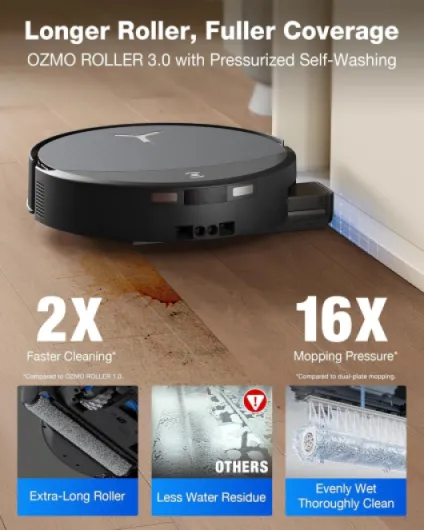
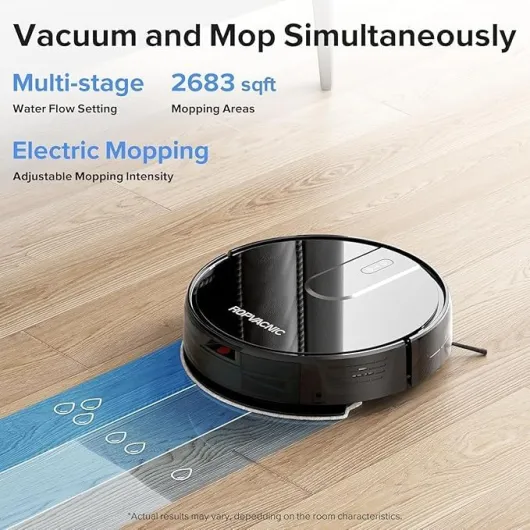
Many buyers now expect a vacuum mop combination rather than a vacuum alone. A robot vacuum with a roller mop or rotating pads can tackle dried spills, but only if its mopping performance matches its suction performance on dust and crumbs. The best robot vacuum with AI obstacle detection must also know when not to mop, especially around soft rugs, electrical cables, and potential pet waste.
Models like the Deebot Ozmo series and Deebot X2 Omni use electronic water control to fill and wet the mop pads precisely, then lift or retract them when crossing carpets. Roborock Q Revo MaxV systems go further, washing the rotating mop pads in the dock so the robot does not drag dirty water across clean tiles. If you live with pets, prioritise AI object avoidance that explicitly recognises pet hair clumps, toys, and pet waste, because a single missed obstacle can turn a quick cleaning into a major hygiene incident that spreads dirt instead of removing it.
Edge cleaning remains a weak point for many vacuum mop designs, since round robot vacuums struggle to reach baseboards. Some brands add extendable arms or side brushes to improve pickup along walls, and a technical review of edge cleaning arms and extendable mops shows which systems genuinely reach into corners. When you evaluate mopping performance, look for even floor coverage, minimal streaking, and clear separation between wet and dry zones so that your robot vacuum does not leave damp tracks on carpets or wooden thresholds.
Battery life, maintenance, and long term costs
Battery life determines how much floor a robot vacuum can cover in one run. A larger home with many obstacles forces the robot to slow down, navigate carefully, and sometimes repeat sections, which shortens effective runtime compared with the advertised average. The best robot vacuum with AI obstacle detection compensates by planning efficient routes and returning to the dock to recharge before resuming cleaning automatically, often called “recharge and resume.”
Maintenance also shapes long term performance more than many buyers expect. Regularly emptying the dustbin, cleaning the main brush, and checking the vacuum with a quick visual inspection keeps suction strong and reduces wear on the motor. Self emptying docks on Ecovacs Deebot, Roborock Q Revo, and high end iRobot Roomba models reduce daily chores, but you still need to refill clean water tanks, replace filters, and occasionally clear hair from the roller mop or brush to prevent blockages.
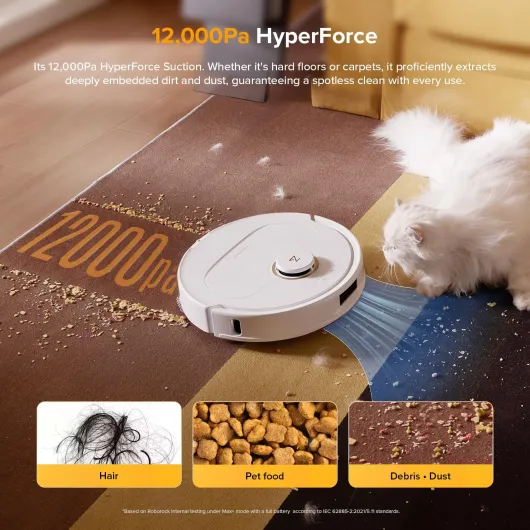
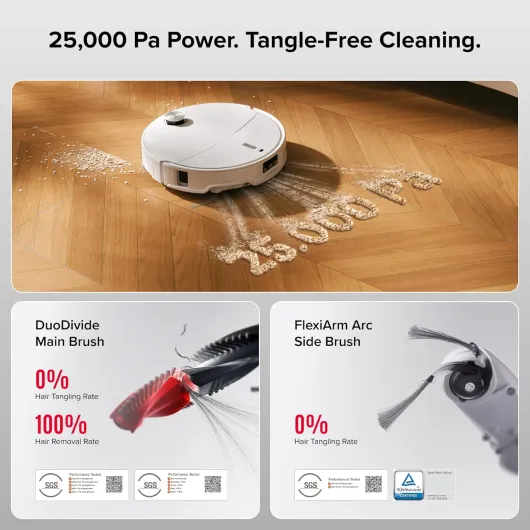
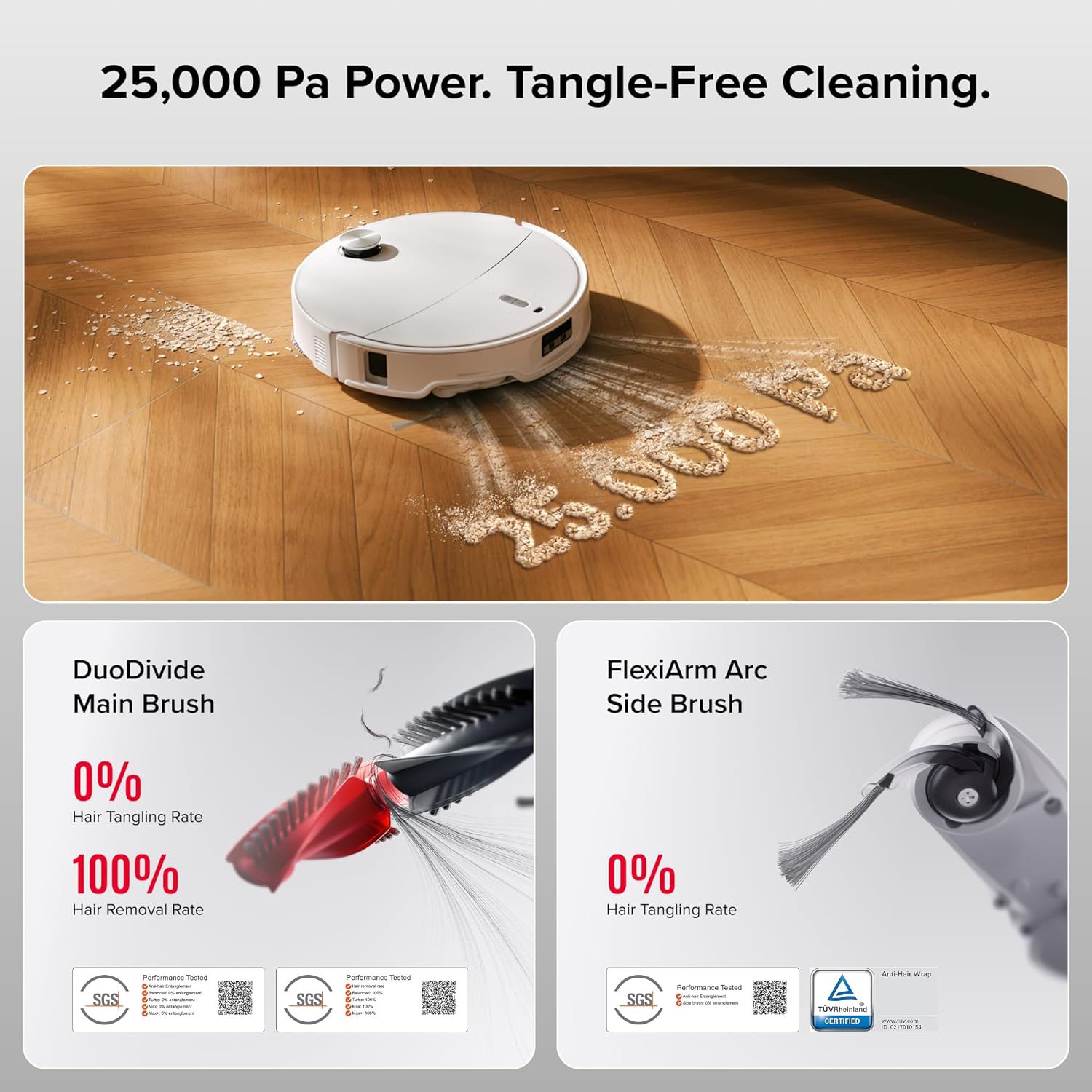
Pet hair is a particular stress test for robot vacuums, clogging narrow airways and wrapping around rollers. When reading Amazon reviews, focus on comments about pet hair pickup, noise levels, and how often users need to untangle the brush. Over several years, the real cost of ownership includes replacement batteries, mop pads, and filters, so a slightly higher purchase price for a best robot model with durable parts can pay off in fewer failures, more stable cleaning performance, and less downtime waiting for repairs.
How to choose the right AI robot vacuum for your home
Start by mapping your own priorities before comparing product sheets. If you mainly need strong vacuum performance on carpets, focus on suction ratings, brush design, and how well the robot vacuum handles dense pet hair. For homes with large hard floor areas, a capable vacuum mop with a reliable roller mop or dual pad system and strong mopping performance will matter more than raw suction alone.
Next, match obstacle avoidance capabilities to your household habits. Families with children, pets, and frequent clutter should prioritise advanced AI object avoidance, even if that means accepting slightly lower suction or a taller body that is less low profile. In contrast, a minimalist apartment with few obstacles may be better served by a simpler robot vacuum that offers long battery life and quiet operation at a lower price, with only basic object detection.
Finally, consider ecosystem and support. iRobot Roomba models benefit from a long track record and wide availability of spare parts, while Ecovacs Deebot and Roborock Q Revo lines often push innovation in docks and navigation. Check regional service networks, app reliability, and software update policies, because the best robot vacuum with AI obstacle detection will only stay best if its navigation and obstacle avoidance algorithms continue to improve over time through firmware updates and new object recognition models.
Testing methods, lab metrics, and what reviews really mean
Professional testing of robot vacuums has become more rigorous as AI features spread. Labs now measure pickup rates on different debris types, from fine dust to larger crumbs and pet hair, while also tracking how many obstacles a robot touches or drags during a full cleaning cycle. These tests reveal that some vacuums with strong suction still underperform in real homes because their navigation wastes battery life on repeated passes or missed zones, especially around chair legs and under tables.
When you read reviews, separate marketing claims from measured data. Look for clear descriptions of testing protocols, such as standardised obstacle courses, repeatable navigation patterns, and quantified mopping performance on dried stains. For example, some reviewers time how long a robot takes to complete a fixed floor plan and then measure what percentage of scattered rice, sand, and pet hair it actually collects. Pay attention to how a robot vacuum behaves at the end of a run, because a model that returns reliably to its dock with a nearly empty dustbin and consistent coverage usually indicates balanced performance rather than just headline grabbing suction numbers.
Long term reviews are especially valuable for understanding durability and software support. Over months of use, firmware updates can improve obstacle avoidance, refine multi level mapping, and fix issues with object avoidance around dark carpets or reflective floors. A robot vacuum that continues to receive updates, spare parts, and app improvements is more likely to remain the best robot choice for your home rather than becoming an average performer after only a short period.
Key figures on AI robot vacuums and obstacle detection
- Independent lab tests from organisations such as Consumer Reports and Wirecutter have found that advanced AI obstacle avoidance can reduce collision events by roughly 50 to 70 percent compared with basic infrared only robot vacuums, which directly lowers the risk of damage to furniture and the robot itself. These findings are based on controlled obstacle courses with repeatable layouts.
- In comparative testing by several major review outlets, premium robot vacuum and vacuum mop models with camera based navigation typically covered around 92 to 96 percent of test floor areas, while entry level bump and turn robots often left 15 to 20 percent of the same areas untouched, especially around chair legs and under low tables.
- Battery life claims for robot vacuums typically assume low power modes, and real world testing shows that running at maximum suction can cut runtime by roughly 30 to 40 percent, especially on thick carpets and in homes with many obstacles that force frequent course corrections.
- Surveys of pet owners published by large e commerce platforms indicate that more than half of buyers now list pet hair and pet waste handling as primary reasons for choosing a robot vacuum, which explains the rapid growth of AI object avoidance features in mid range and high end models designed for multi pet households.
- Market analyses from research firms tracking small appliances report that robot vacuums with integrated docks for auto emptying and mop washing have grown from a niche segment to represent a significant share of premium sales, reflecting demand for lower maintenance cleaning systems and longer unattended runtimes.