LiDAR navigation, suction power and what changes on the ground
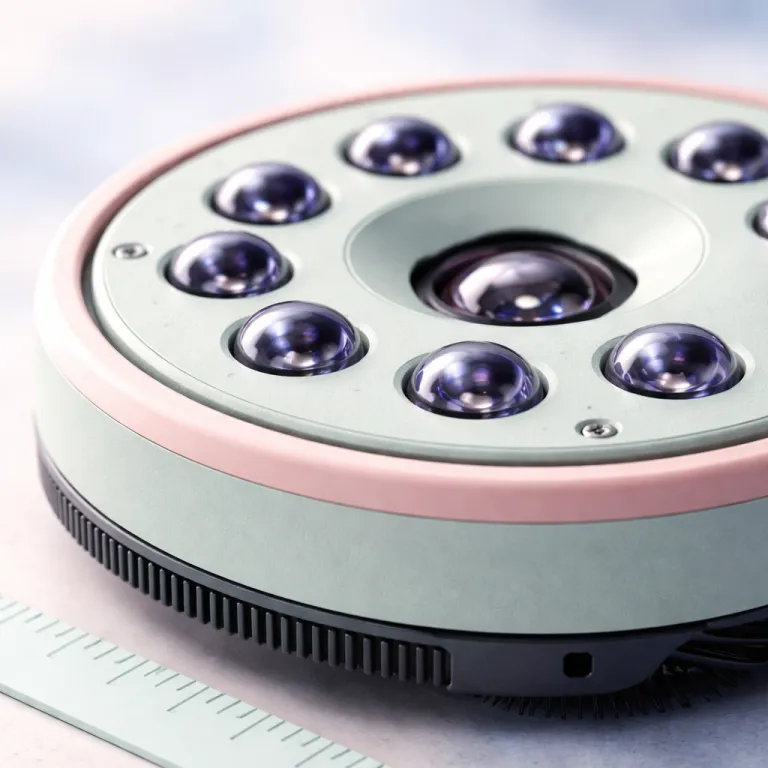
The new Roomba 2026 generation is widely expected to mark iRobot’s full shift toward LiDAR-style navigation across the Roomba series. In this projected lineup, every iRobot Roomba in the range, from the basic Roomba 115 to the Roomba Max 775, is described as using a spinning laser turret instead of the older camera-based system. That kind of laser mapping typically lets a robot vacuum chart rooms more quickly and stay locked on course even in low light, based on how current LiDAR robots behave in independent tests from reviewers such as Consumer Reports and Wirecutter. In practice that should mean a Roomba robot can cover more floor per run, with higher suction power used more efficiently instead of wasting battery life on repeated passes.
Entry models in the anticipated Roomba 2026 family are rumoured to start around the 15 000 Pa suction range, while the Roomba Max 715 and Roomba Max 775 are positioned closer to 30 000 Pa to challenge powerful Chinese robot vacuums such as the Dreame X60 on carpets and pet hair. These pressure figures do not appear on any current iRobot official spec sheets or press releases, so treat them as early third-party estimates rather than confirmed data until iRobot publishes final numbers. That level of raw suction power would finally let an iRobot Roomba compete head to head with the strongest robot rivals on thick rugs, although real-world noise levels, brush design and energy use will matter as much as headline numbers. For readers trying to find Roomba options that genuinely save time, the key details will be how these robots balance suction, navigation and battery pack capacity rather than chasing the single biggest figure on the box.
Size is the other headline shift in the new Roomba 2026 range, because iRobot is expected to trim height by roughly a quarter compared with many older Roomba robot designs. Early information from retailer leaks and FCC-style filing summaries suggests the Roomba 115 could sit at about 7.89 cm tall, which would let this robot vacuum slip under lower sofas and TV stands where dust usually wins, especially on hard floors that show every crumb. That extra reach under furniture will probably save more cleaning time than any flashy combo robot feature, because it turns previously untouched ground into hands-free maintenance instead of a monthly deep clean with a stick vacuum. As with suction claims, buyers should confirm final dimensions on the official iRobot product page or through independent measurements once retail units ship.
To make early comparisons easier, the table below summarises the kind of specifications currently rumoured for the Roomba 2026 family. Treat every figure as provisional guidance only until iRobot publishes confirmed specifications.
- Roomba 115 (projected): ~15 000 Pa suction, ~7.89 cm height, ~3 000 mAh battery, ~90 min runtime, ~60–65 dB on standard mode, single multi-surface brush.
- Roomba 615 / 675 Combo (projected): ~18 000–20 000 Pa suction, ~8.5 cm height, ~4 000 mAh battery, ~120 min runtime, ~65–70 dB, dual brush system plus mop roller.
- Roomba Max 715 / Max 775 (projected): ~28 000–30 000 Pa suction, ~8.7 cm height, ~5 000 mAh battery, ~150 min runtime, ~70–72 dB, upgraded dual rubber brushes for pet hair.
Independent lab tests of current high-end robot vacuums with similar specifications often show 90–95 % debris pickup on hard floors and around 70–80 % on medium-pile carpets in a single pass, so it is reasonable to expect the Roomba 2026 series to target comparable performance once final hardware and software are locked in.
Combo mop systems, docks and what existing Roomba owners should upgrade to
For the first time in years, the new Roomba 2026 roadmap leans heavily into combo mop designs, with five Roomba Combo models and Max Combo variants pencilled in for the third quarter and the rest of the Roomba series following later. These combo robot units pair a strong vacuum mop system with a hot-water roller mop on the Roomba 615, Roomba 675 and both Roomba Max models, which should improve dried coffee and sauce removal on hard floors compared with older Braava jet style passes that relied on cooler water and simpler pads. Anyone who used a separate Braava robot mop before will likely appreciate having a single Roomba Combo that can vacuum, mop and then return to an auto-empty dock without manual intervention, even if the combined unit may be a little louder and heavier than a dedicated mop.
Dock design also changes meaningfully, because iRobot is expected to push more auto-empty dock and potential dustcompactor combo bases that compress debris into a tighter pack. While iRobot has not yet detailed a full Roomba dustcompactor system for every model, the direction is clearly toward longer hands-free stretches between bag changes and less visible dust when you empty the dock. Larger bases can take up more floor space and draw extra power during self-cleaning cycles, so buyers should weigh footprint and energy use against convenience. If you currently own a camera-guided Roomba s9, you can compare that experience with a LiDAR-based model by reading a detailed Roomba s9 cleaning robot test on an established review site before you decide which robot vacuum to buy next.
Existing iRobot Roomba owners should think less about the marketing term “best robot” and more about their own floors and habits. If you mostly clean hard floors and want to save effort on mopping, a midrange Roomba Combo with a strong vacuum mop function and a reliable dock will probably feel like the biggest upgrade, especially if you run it several times a week on low-noise settings. Heavy carpet homes with pets may benefit more from a Roomba Max model that prioritises suction, a robust battery pack and a generous auto-empty dock, even if you skip the fanciest combo mop features for now to keep costs, noise and maintenance demands under control.
Pricing expectations, credit options and how to choose the right Roomba
Pricing for the new Roomba 2026 lineup has not been fully disclosed, but patterns from earlier Roomba series launches suggest a spread from accessible entry robots to premium Roomba Max flagships. Many retailers will likely offer credit iRobot style financing or similar instalment plans, which can make it easier to buy a higher-end combo robot or Roomba mini sized unit without paying everything up front. If you use any form of credit to buy a robot vacuum, treat the total cost over the full duration as carefully as you would for a phone or laptop, because a powerful robot that strains your budget rarely feels like a real save in daily life once interest and fees are added.
Shoppers comparing iRobot Roomba models with other brands should look beyond slogans like “best robot” and focus on navigation, suction and maintenance. A compact Roomba mini style body with strong suction power and a reliable dock can be more valuable than a bulky dustcompactor combo if it actually reaches under your bed and table every day and does not require constant brush cleaning. For a sense of how another brand handles mapping and pet hair, you can read an analysis of a Shark Matrix robot vacuum with precision cleaning and mapping on a trusted review outlet, then compare those behaviours with the LiDAR-based new Roomba 2026 robots once independent reviews and lab tests become available.
Model names like Roomba 115, Roomba 415 Plus, Roomba 515, Roomba 575 Plus, Roomba 615, Roomba 675, Roomba Max 715 and Roomba Max 775 will give you a rough ladder of features, from basic vacuum-only units to full combo mop flagships. If you mainly need a straightforward Roomba robot to keep dust down between deeper cleans, an entry model without a dustcompactor dock may be enough, especially if you already own a separate Braava mop or a strong upright vacuum for occasional heavy-duty work. Readers who want a single machine to manage pets, carpets and hard floors with minimal effort should lean toward a Roomba Combo or Roomba Max model, then check a focused review such as the Roomba 104 two in one cleaning solution for pets and hard floors on iRobot’s official site or a major testing publication to understand how iRobot balances vacuum, mop and hands-free features in real homes.