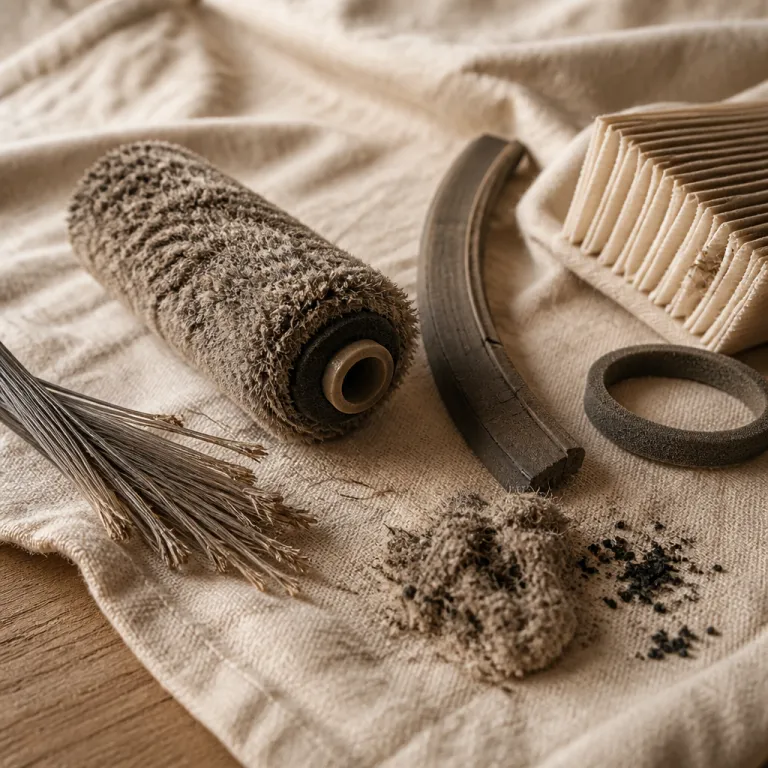
Why robot vacuum replace brush filter maintenance matters for busy families
Your robot vacuum quietly handles the crumbs, pet hair, and dust your kids leave behind. When you delay robot vacuum replace brush filter maintenance, suction drops slowly and floors stop feeling truly clean even if they look fine. For a busy parent, that means more time with a handheld vacuum cleaner and less trust in the robot.
Every robot vacuum is a small cleaning system built around three wear parts, namely the side brush, the main brush or roller brush, and the vacuum filter or HEPA filter. As these brushes and filters clog with dust or deform, the motor in many vacuums and dry vacuums has to work harder, which shortens its life and makes the cleaner louder. Staying ahead of wear lets your robot vacuums run on quieter modes while still picking up the same amount of dirt from carpets and hard floors.
Think of robot vacuum replace brush filter maintenance as changing oil in a car rather than fixing an engine. You clean the dustbin, remove hair from the main brush, and replace filters before performance collapses, so the robot can keep a consistent cleaning pattern. That is what keeps a clean robot safe for crawling toddlers, especially when you also manage a wet dry vacuum mop or a separate dry vacuum for garage mess.
Side brush wear: bent bristles, strange noises, and missed edges
The side brush is the first part that tells you when robot vacuum replace brush filter maintenance is overdue. On a healthy robot vacuum, the side brush flicks debris into the suction path with bristles that keep their original color and spring. When those bristles bend backward, fray, or twist into a permanent curve, you will see a thin line of dust left along baseboards.
Listen while your robot vacuums run along walls and chair legs, because a worn side brush often changes the cleaning sound. Instead of a soft whir, you may hear a ticking noise as the brush hits furniture, or a scraping sound if the brush hub has cracked and wobbles on the cleaner. If you view a before and after image of your floor edges, the difference in dust pickup after a fresh brush can be surprisingly obvious.
Most brands, from iRobot Roomba to Roborock and Dreame, expect you to replace the side brush every few months in homes with pets, and the user manual usually lists both months and hours. If you have a vacuum mop combo such as a Roborock S8 Pro Ultra or a Eufy Omni S1 Pro, the side brush also helps keep wet dry zones separate by pulling crumbs away before the mop pads pass. For detailed testing of tangle resistant designs, a good reference is this analysis of tangle free brushes on heavy shedding floors, which shows how brush design affects long term cleaning quality.
Main roller brush fatigue: hair wraps, flattened fins, and bearing strain
The main brush or roller brush does the heavy lifting, and it is central to robot vacuum replace brush filter maintenance. On models like the Roborock S8 Pro Ultra, Ecovacs Deebot X2 Omni, or iRobot Roomba j7, this main brush pulls hair and dust up before the vacuum suction takes over. When bristles flatten or rubber fins crack, you will notice more passes needed to clean the same dry mess.
Hair wrapping is your first warning sign, especially in homes with long haired family members or shedding dogs. If you need to remove hair from the main brush after every run instead of every few runs, the bearings at each end are probably starting to bind, which can turn a quiet cleaner into a grinding dry vacuum. Ignoring that noise risks melting the plastic around the bearings, and that kind of damage is rarely covered by a standard user manual warranty.
Dual material brushes, which combine rubber and bristles, are common on premium robot vacuums and vacuum mop hybrids, and they age in stages. First the rubber loses its sharp edges, then small tears appear, and finally the brush starts to leave a faint track of uncollected dust behind it on both dry and slightly damp areas. If you rely on a wet dry vacuum mop robot to handle sticky spills, a tired main brush will smear grime ahead of the mop pads instead of lifting it, so replacing the roller brush on schedule keeps both vacuum and mop performance balanced.
Owners of models like the Narwal Freo or the mop Narwal series should pay special attention to the main brush because these robots often run longer mixed cleaning cycles. When the brush is worn, the freo style base station may need to rinse mop pads more often, which wastes water and energy. A fresh main brush lets the vacuum cleaner side of the robot finish more work before the mopping system engages.
If you use a separate dry vacuum for stairs or cars, compare its pickup to the robot on the same patch of carpet. When the handheld dry vacuums pull significantly more dust from a supposedly clean area, that is a clear sign that robot vacuum replace brush filter maintenance is overdue, especially for the main brush. Replacing this part on time is cheaper than running the robot on max power every day to compensate for weak agitation.
Filter and HEPA filter aging: airflow loss you can feel and see
The vacuum filter is the quiet choke point in robot vacuum replace brush filter maintenance, because it clogs slowly and rarely fails dramatically. A fresh clean filter on a robot vacuum lets air move freely, so the motor can maintain suction without screaming. As filters load up with fine dust, the robot vacuums need higher power modes to achieve the same cleaning, which drains the battery faster.
Most robots use pleated HEPA filters or high efficiency filters that look like small white paper cartridges. Over time, the bright color shifts to grey or brown, and even after you tap the filter against a trash can to remove loose dust, the pleats stay stained, which shows that particles are embedded deep in the material. Washing a vacuum filter is sometimes allowed, but every wash slightly damages the fibers, and most HEPA filters lose noticeable efficiency after three or four wash and air dry cycles.
If your user manual allows you to rinse the HEPA filter, always use cool water and never soap, then let the filter air dry completely for at least twenty four hours. Putting a damp filter back into a vacuum cleaner or wet dry vacuum mop can grow mildew inside the dustbin, and that smell is hard to remove from plastic. When in doubt, replace the filter rather than risk blowing musty air around a nursery or playroom.
Parents often ask whether a HEPA filter is really necessary when they already own a separate dry vacuum with a larger HEPA system. The answer depends on allergies, but if anyone in the home is sensitive to dust, pollen, or pet dander, keeping both the robot vacuum filter and the main household HEPA filter fresh reduces airborne triggers. For some Roomba models, you can buy multi packs of HEPA filters and edge sweeping brushes, such as the sets reviewed in this test of an edge sweeping brush three pack for Roomba Combo and Roomba i, e, and j series, which makes it easier to replace filter cartridges on time.
The hidden cost of skipping parts: motors, maps, and messy mops
Running a robot vacuum with a clogged filter and worn brushes does more than leave dust behind. The motor in many vacuums and dry vacuums draws extra current to maintain suction through a dirty vacuum filter, which increases heat and shortens its lifespan. Over months, that strain can turn a reliable cleaner into a noisy, weak machine that needs expensive service.
Navigation also suffers when robot vacuum replace brush filter maintenance is ignored, because the robot relies on consistent traction and debris pickup to follow its cleaning map. When the main brush or roller brush cannot lift crumbs properly, the robot vacuums may pass the same area repeatedly while still leaving grit underfoot, which looks like a mapping error in the app but is really a hardware problem. If you view the cleaning history image in many apps, you will see more overlapping passes and longer run times as the robot struggles to finish.
For vacuum mop and wet dry models, neglected maintenance has a second cost, namely dirty mopping. When mop pads drag over dust that the vacuum side failed to remove, they turn into grey erasers that spread grime instead of lifting it, especially on light color tiles. Owners of freo style stations and mop Narwal systems often notice the mop water turning dark quickly, which is a sign that the vacuum cleaner side needs attention before the next run.
Dock design matters here, because some modern bases can rinse mop pads, empty the dustbin, and even wash filters. If you are choosing a new robot, it is worth reading analyses such as this guide on why the cleaning station now matters more than suction specs, which explains how a smarter dock can automate part of your maintenance routine. Even with a pro level dock, though, you still need to replace filter cartridges and brushes on the schedule in the user manual.
Practical maintenance calendar and app reminders for real homes
Busy parents rarely have time to track every brush and filter change, so a simple calendar for robot vacuum replace brush filter maintenance helps. Think in three tiers, namely quick weekly checks, monthly deep cleaning, and quarterly replacement of the most stressed parts. This rhythm keeps the robot vacuum, any separate dry vacuum, and even a wet dry vacuum mop working at close to new performance without constant tinkering.
Weekly, empty the dustbin after each run, wipe the sensors with a dry cloth, and check that the side brush spins freely without wobble. Every month, remove the main brush or roller brush, cut away hair with scissors, and clean the brush bearings, then tap the vacuum filter gently to remove loose dust and let it air dry completely before reinstalling. If your robot vacuums include mopping, rinse or replace mop pads on the same schedule, because dirty pads can undo a lot of careful vacuum cleaning.
Quarterly, plan to replace filter cartridges and inspect the main brush for cracks, missing fins, or permanently flattened bristles. In homes with multiple pets or heavy shedding, you may need to replace filter elements and the main brush more often, while the side brush usually lasts a bit longer unless a child bends it during play. Aftermarket filters and brushes can be fine for older robots, but for newer vacuum cleaner models with precise airflow and HEPA filters, original parts are safer for maintaining both suction and filtration.
Most major brands let you set maintenance reminders in their apps, and you should use them. In the iRobot app, you can view estimated remaining life for the main brush, side brush, and HEPA filter under the robot settings, while Roborock and Dreame show similar percentages in their maintenance menus. Ecovacs Deebot apps often send push alerts when it is time to replace filter cartridges or clean robot sensors, which is exactly the kind of nudge a tired parent needs after bedtime.
FAQ
How often should I replace the main brush on my robot vacuum?
For most robot vacuums in homes with kids and pets, replacing the main brush or roller brush every six to twelve months keeps cleaning performance stable. If you see flattened bristles, cracked rubber fins, or hear new grinding noises from the brush area, replace it sooner. Heavy shedding or thick carpets usually push you toward the shorter end of that range.
Can I wash my robot vacuum filter instead of replacing it?
Some vacuum filters and HEPA filters are washable, but only if the user manual explicitly says so. Even then, each wash slightly reduces filtration efficiency, and most HEPA filters should be replaced after three or four wash and air dry cycles. Never reinstall a damp filter, because it can grow mold inside the dustbin and blow musty air into your home.
What are the signs that my side brush needs replacement, not just cleaning?
A side brush is ready for replacement when its bristles stay bent backward after you straighten them, when the brush hub cracks, or when it leaves a visible line of dust along baseboards. If you hear a new ticking or scraping noise as it spins, the hub may be worn. Cleaning hair from the bristles helps, but it will not fix permanent deformation.
Are aftermarket brushes and filters safe for my robot vacuum?
Aftermarket brushes and filters can work well on older robots, especially for basic dry cleaning on hard floors. On newer models that rely on precise airflow and HEPA filtration, poorly made filters can leak dust or strain the motor, and off spec brushes can jam more easily. When in doubt, use original parts for the main brush and HEPA filter, and reserve cheaper accessories for secondary robots.
Does poor maintenance really damage the robot vacuum motor?
Yes, running a robot vacuum with a clogged filter and worn brushes forces the motor to work harder to pull air through restricted passages. That extra load increases heat and can shorten motor life, especially if the robot frequently runs on maximum power to compensate. Regularly replacing filters and brushes is far cheaper than paying for a motor or full robot replacement.