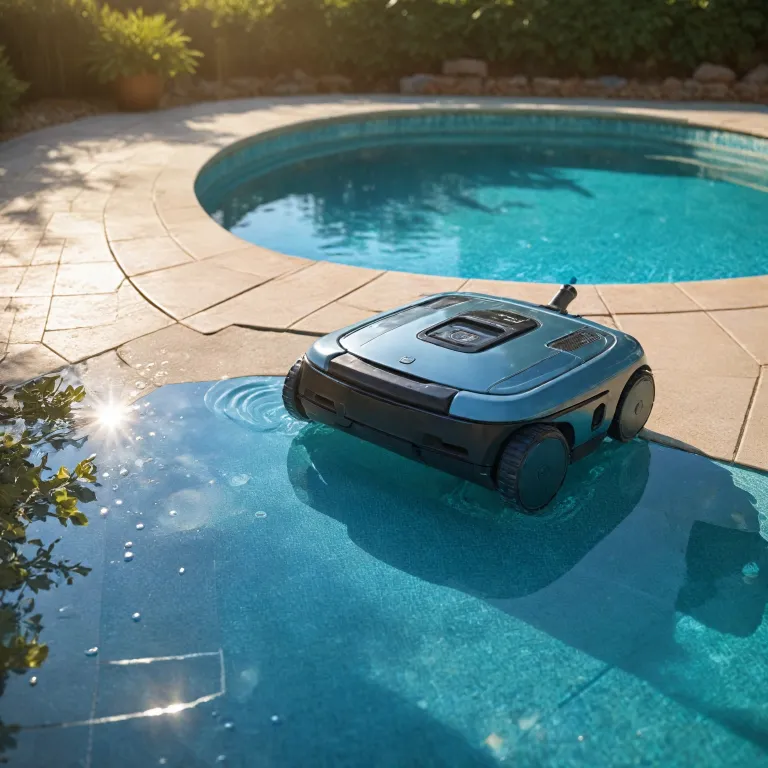
Understanding what makes the best pool vacuum robot
Choosing the best pool vacuum robot starts with understanding how a robotic cleaner actually works. A modern robotic pool cleaner uses an onboard motor, filters, and smart navigation to scrub surfaces and collect debris efficiently, often outperforming manual pool vacuum tools. When you compare different pool cleaners, focus on how they handle pool cleaning on floors, walls, and the waterline, because coverage defines real world performance.
For many owners of ground pools, the first decision is whether a cordless robotic model or a cabled robot suits their layout. A cordless pool robot offers easier handling and fewer tangles, but battery life and recharge time must match the size of your pool and your weekly cleaning schedule. Corded robotic pool cleaners usually deliver stronger suction and longer cycles, which can be important for large ground pools or heavily used family pools.
Brands like Dolphin and Polaris dominate the conversation when people search for the best pool vacuum robot. Within the Dolphin range, the dolphin nautilus, dolphin premier, dolphin sigma, dolphin cayman, dolphin escape, and dolphin quantum each target slightly different pool sizes, budgets, and cleaning needs. When you shop these models, compare how each robot manages waterline cleaning, filter capacity, and whether a weekly timer or smart timer is included, because these features reduce hands on maintenance.
Price also reflects whether a robot is designed for residential or commercial grade use. A commercial grade pool cleaner or pool robot usually has heavier duty tracks, larger filters, and longer cables, which suit hotels or public ground pools. For private owners, a mid range item like the best dolphin model for your pool size often balances price, durability, and cleaning performance better than an oversized commercial grade machine.
Key features that define a high performing robotic pool cleaner
To identify the best pool vacuum robot for your needs, examine the cleaning path, brush design, and filtration system. A robotic pool cleaner with active scrubbing brushes can remove algae and fine dirt more effectively than passive rollers, especially along steps and tight corners. Look for pool cleaners that combine fine and ultra fine filters, because this dual layer approach captures both leaves and microscopic particles during every pool cleaning cycle.
Waterline cleaning is a critical feature that separates basic pool vacuum units from premium pool robot models. Robots like the dolphin nautilus and dolphin quantum are designed to climb walls and scrub the waterline, reducing the oily ring that forms from sunscreen and pollen. If your pool hosts frequent swimmers, prioritizing strong waterline cleaning will keep tiles brighter and reduce the need for manual brushing.
Smart controls also influence how the best pool vacuum robot fits into your routine. A weekly timer or smart timer lets you schedule robotic pool cleaning sessions so the robot runs automatically, even when you are away. Some cordless robotic models and advanced corded cleaners integrate app control, allowing you to adjust cycles, check filter status, and monitor the robot from your phone, similar to the convenience seen in a high end robot vacuum with automated maintenance.
When you shop for a pool cleaner, pay attention to the stated coverage for ground pools and the recommended pool length. A compact dolphin escape or dolphin cayman may suit a smaller ground pool, while a dolphin sigma or dolphin premier is better for larger installations. Always compare the item specifications, including cable length, cycle duration, and price, to ensure the robotic pool cleaner you select can complete a full cleaning run without missing areas.
Comparing popular dolphin and polaris pool robot models
Among enthusiasts, the debate about the best pool vacuum robot often centers on Dolphin versus Polaris. Dolphin pool cleaners such as the dolphin nautilus, dolphin premier, dolphin sigma, dolphin cayman, dolphin escape, and dolphin quantum emphasize energy efficient motors and advanced navigation for residential ground pools. Polaris pool cleaners, by contrast, are known for robust construction and strong vacuum power, which can appeal to owners who prioritize aggressive debris removal.
The dolphin nautilus series is frequently recommended as a balanced robotic pool cleaner for many standard ground pools. It offers reliable wall climbing, effective pool cleaning on floors, and dependable waterline cleaning, while keeping the price in a mid range bracket. For users wanting more control, higher end models like the dolphin sigma or dolphin quantum add smarter navigation and more sophisticated weekly timer or smart timer options.
For those who want the best dolphin option in terms of versatility, the dolphin premier stands out with multiple filter configurations and strong suction. The dolphin premier can be adapted for fine dust, leaves, or mixed debris, which makes it a flexible pool cleaner across different seasons. When you compare this to a Polaris pool robot, consider how easily you can swap filters, maintain brushes, and access parts, because long term ownership costs matter as much as the initial price.
Shoppers who like to research cleaning robots in detail often read tests of advanced indoor robots, such as this hands free cleaning experience review, before applying similar expectations to a robotic pool cleaner. The same logic applies outdoors ; a pool vacuum should reduce manual work, not add complexity. When you shop for pool cleaners, check whether the brand offers open box deals, extended warranties, and accessible service centers, because these factors influence the real value of any pool robot over its lifetime.
Cordless robotic versus corded pool cleaners
The rise of cordless robotic designs has changed how many owners think about the best pool vacuum robot. A cordless pool robot eliminates cable management, which is especially helpful in compact yards or where the power outlet is far from the pool. However, cordless robotic pool cleaners rely on batteries, so you must match battery capacity and run time to the size of your pool and the intensity of your pool cleaning needs.
Corded robotic pool cleaners still dominate in larger ground pools and semi commercial settings. These robots can run longer cycles without worrying about battery depletion, which is useful for heavy debris loads after storms or parties. Some commercial grade pool cleaner models even support multiple daily cycles, making them suitable for hotels, sports clubs, or public ground pools that require constant pool vacuum performance.
When comparing cordless and corded pool cleaners, consider how often you want to handle the robot. A lighter cordless pool vacuum can be easier to lift from the pool, especially for users with limited strength, while a heavier commercial grade pool robot may require more effort but deliver stronger cleaning. In both categories, look for features like waterline cleaning, a weekly timer or smart timer, and clear filter access, because these details influence daily convenience.
Price differences between cordless robotic and corded robotic pool cleaners often reflect battery technology and motor power. Cordless models may cost more upfront for similar suction, but they offer a cleaner deck area without cables, which some owners value highly. Before you shop, list your priorities, such as minimal handling, fastest cleaning, or lowest price, then match those needs to specific dolphin, Polaris, or other pool robot models that align with your expectations.
Evaluating value, maintenance, and long term ownership
Assessing the value of the best pool vacuum robot requires looking beyond the initial item price. A slightly higher price for a durable robotic pool cleaner can pay off through fewer repairs, lower energy use, and more reliable pool cleaning over many seasons. When you compare pool cleaners, factor in the cost of replacement filters, brushes, and any service visits, because these expenses accumulate quietly.
Maintenance routines differ between models like the dolphin nautilus, dolphin premier, dolphin sigma, dolphin cayman, dolphin escape, and dolphin quantum. Some pool cleaners use top load filter baskets that are easy to rinse after each pool vacuum cycle, while others rely on filter bags that take longer to clean. For busy owners who prefer automation, a weekly timer or smart timer combined with simple filter access can make a pool robot feel almost as hands free as an advanced indoor cleaning robot with automatic dirt disposal.
Commercial grade pool cleaner models demand more robust maintenance but are built for heavy duty use. If you manage several ground pools or a facility with constant swimmers, investing in a commercial grade pool robot with strong waterline cleaning and long duty cycles can be more economical than relying on multiple cheaper pool cleaners. For private owners, the best dolphin or Polaris model is usually one that balances energy efficiency, cleaning coverage, and realistic maintenance tasks.
Open box offers can reduce the price of a high end pool robot, but you should verify warranty terms carefully. When you shop open box pool cleaners, confirm that essential components like power supplies, filters, and remote controls are included and tested. Over time, a well chosen robotic pool cleaner will protect your pool surface, reduce chemical use by improving circulation, and free up hours that would otherwise be spent on manual pool cleaning.
Matching a pool robot to your pool type and usage habits
Selecting the best pool vacuum robot also means matching the robot to your specific pool shape, finish, and usage pattern. Owners of rectangular ground pools often find that standard navigation on many robotic pool cleaners is sufficient, while complex shapes with benches and islands may benefit from more advanced mapping. Models like the dolphin sigma, dolphin quantum, or dolphin premier typically handle irregular layouts better than simpler pool cleaners that follow random paths.
Surface type matters because some pool robots grip tiles, fiberglass, or vinyl differently. A pool cleaner with strong tracks, like the dolphin escape or dolphin cayman, can climb walls more confidently and maintain consistent waterline cleaning on smooth surfaces. If your pool has a delicate liner, verify that the brushes and tracks on the pool vacuum are compatible to avoid premature wear.
Usage frequency also shapes which robotic pool cleaner will feel like the best choice. Families who swim daily may rely on a weekly timer or smart timer to run the pool robot several times per week, keeping debris under control without constant manual intervention. Occasional swimmers might prefer to run a cordless robotic pool cleaner only before weekends, prioritizing quick cycles and easy handling over continuous automation.
When you shop for pool cleaners, consider how seasonal changes affect debris levels. In autumn, a pool surrounded by trees may overwhelm a small pool vacuum, making a larger basket on a dolphin nautilus or best dolphin flagship model more practical. Ultimately, the right pool robot is the one whose cleaning power, price, and maintenance demands align with your lifestyle, ensuring that your pool remains inviting with minimal effort.
Key statistics about robotic pool cleaners
- Global sales of robotic pool cleaner models have grown steadily, reflecting strong demand for automated pool cleaning solutions.
- Energy efficient pool robot designs can reduce electricity consumption compared with traditional pressure or suction pool cleaners.
- Many owners report significant time savings each week after adopting a robotic pool cleaner for regular maintenance.
- Commercial grade pool cleaner units are increasingly used in hospitality settings to maintain consistent waterline cleaning and hygiene.
Frequently asked questions about choosing the best pool vacuum robot
How often should a robotic pool cleaner run in a residential pool ?
Most residential ground pools stay clean when a robotic pool cleaner runs two or three times per week. If your pool collects heavy debris or hosts frequent swimmers, using the weekly timer or smart timer to schedule more frequent cycles can help. Adjust the schedule seasonally, increasing pool cleaning during pollen peaks or windy periods.
Is a cordless robotic pool cleaner powerful enough for larger pools ?
A cordless pool robot can handle larger pools if its battery capacity and run time are sufficient. Check the manufacturer’s recommended maximum pool size and compare it with your own measurements before you shop. For very large or commercial grade installations, a corded robotic pool cleaner may still provide more consistent coverage.
What is the difference between residential and commercial grade pool cleaners ?
Residential pool cleaners are designed for typical home usage patterns and moderate debris loads. Commercial grade pool cleaner models use more robust components, longer cables, and larger filters to withstand continuous operation in hotels, clubs, or public ground pools. The higher price reflects this durability and the expectation of intensive pool cleaning schedules.
Do all pool robots provide effective waterline cleaning ?
Not all pool robots are engineered for full waterline cleaning, even if they climb walls. When evaluating the best pool vacuum robot, confirm that the model explicitly supports waterline cleaning in its specifications. Robots like the dolphin nautilus, dolphin quantum, or best dolphin flagships usually emphasize this capability.
Are open box pool cleaners a safe way to save money ?
Open box pool cleaners can offer significant savings on premium robotic pool models. To protect your investment, verify that the warranty remains valid, all accessories are included, and the pool robot has been tested for proper operation. When these conditions are met, an open box item can deliver near new performance at a lower price.