Key technologies that define a top hot water mop robot
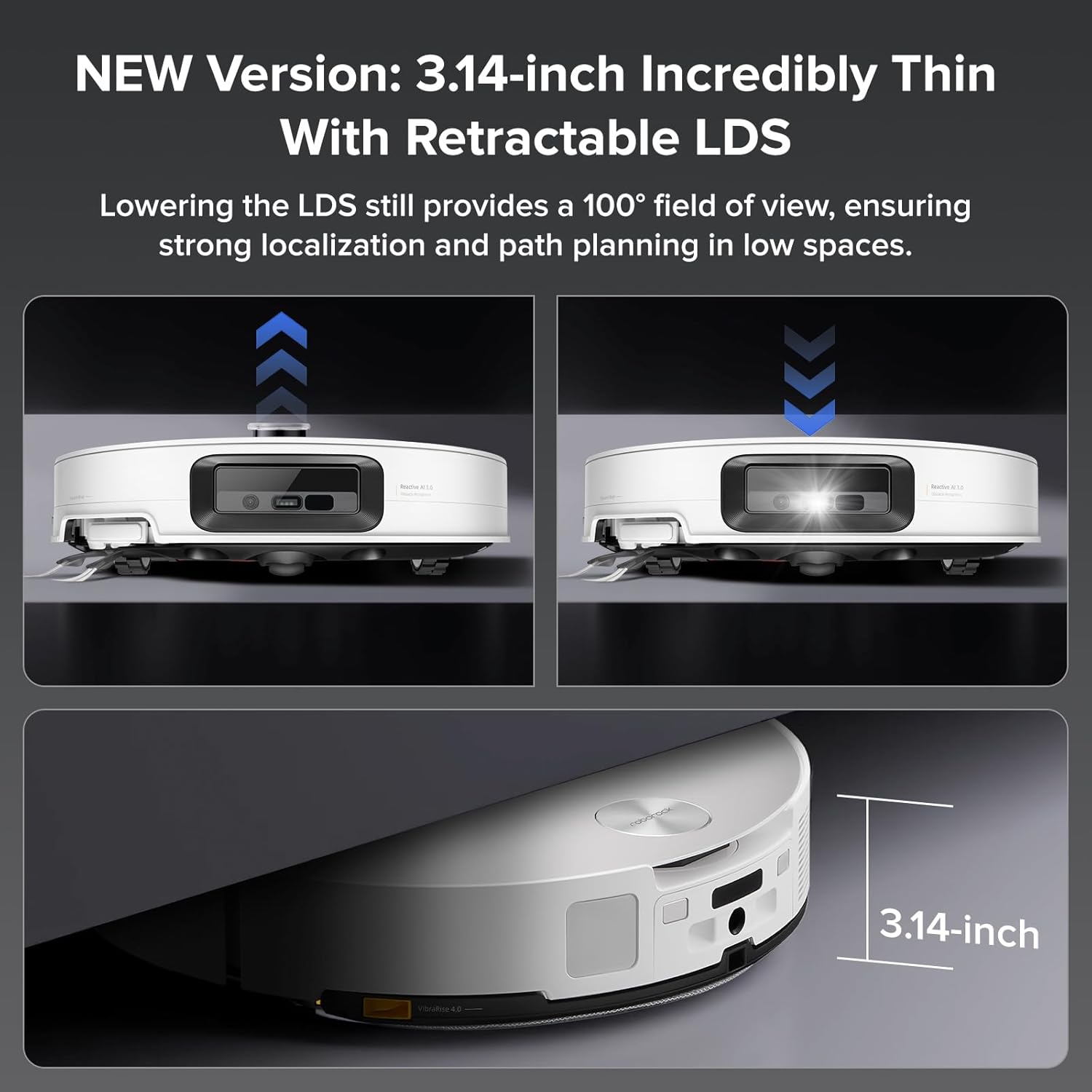
Several core technologies separate an average robot vacuum from the best robot vacuum with hot water mop washing for demanding homes. First is navigation and obstacle avoidance, because a robot that bumps into every obstacle or drags a wet mop pad across a carpet quickly becomes frustrating. Laser or camera based mapping lets robot vacuums build accurate floor plans, while advanced algorithms help them avoid cables, shoes, and pet toys.
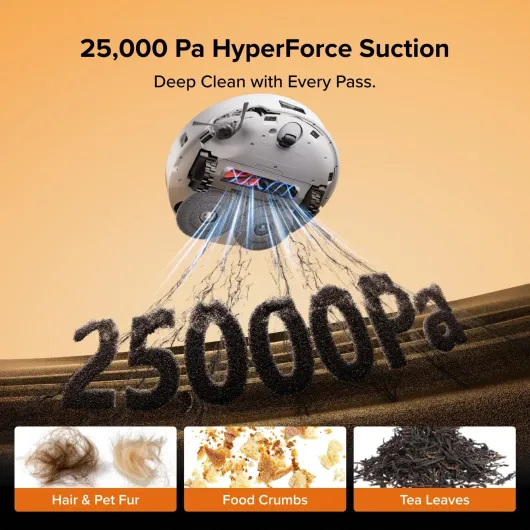
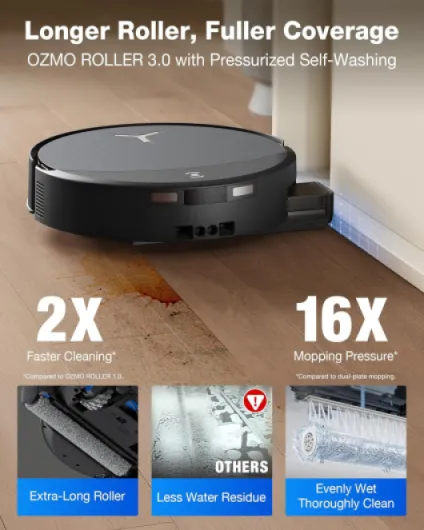
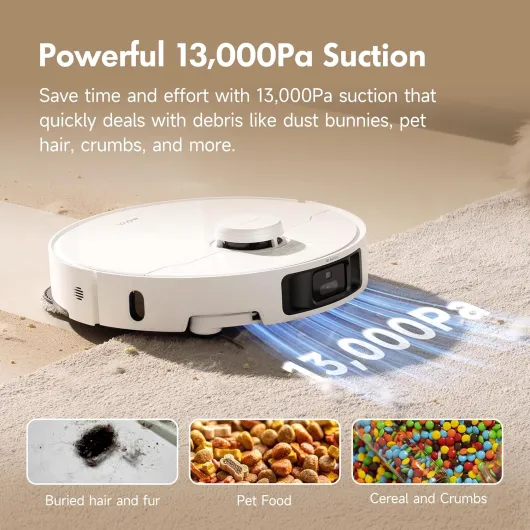
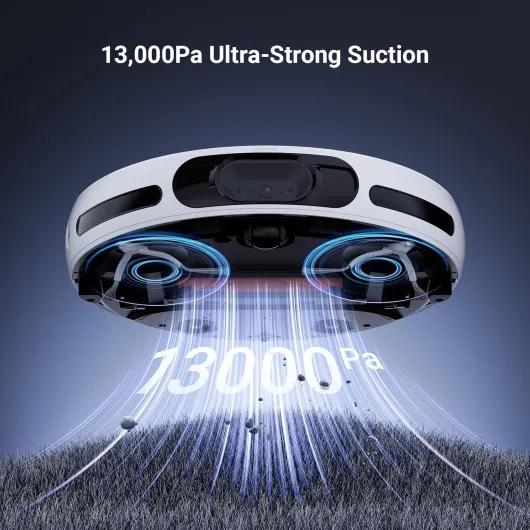
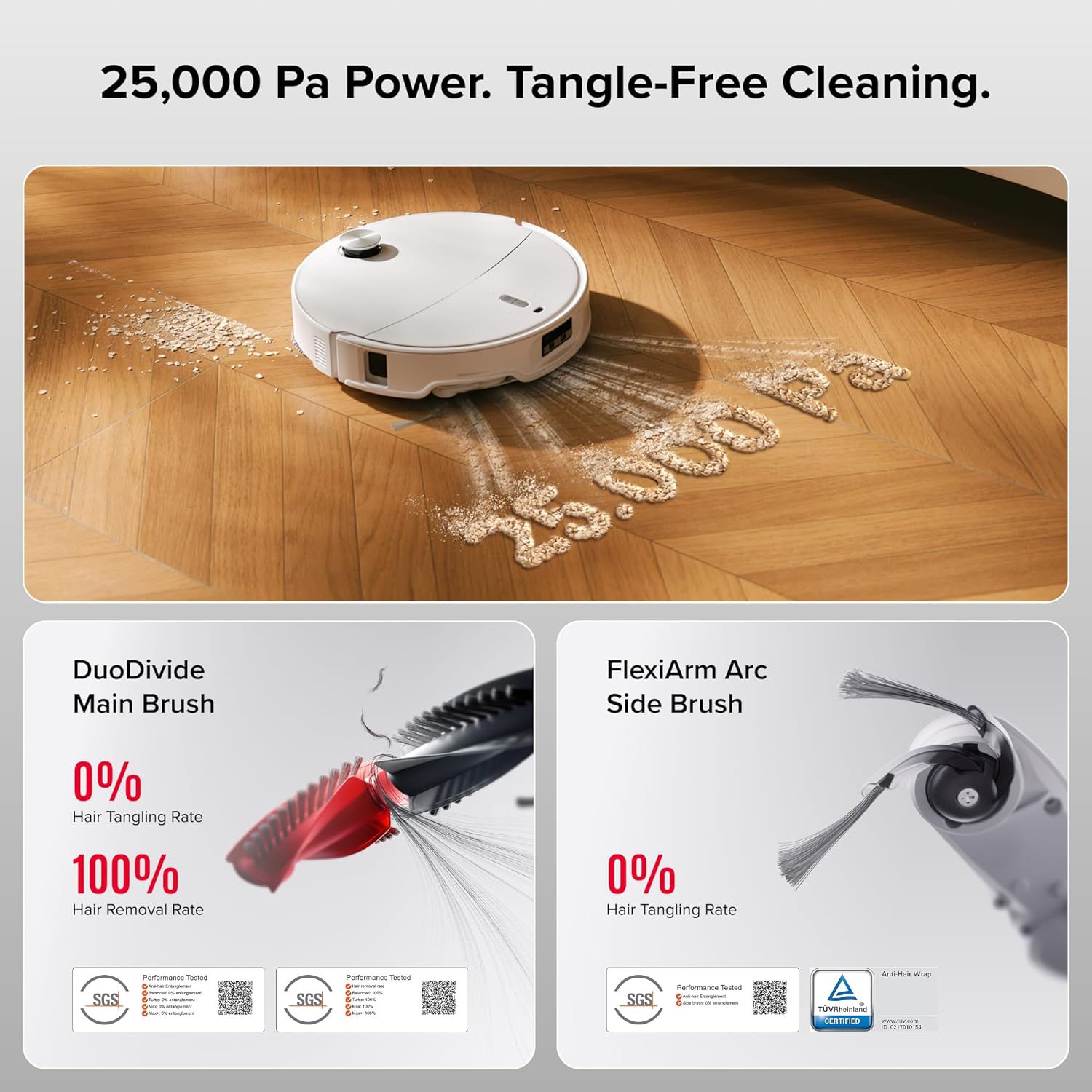
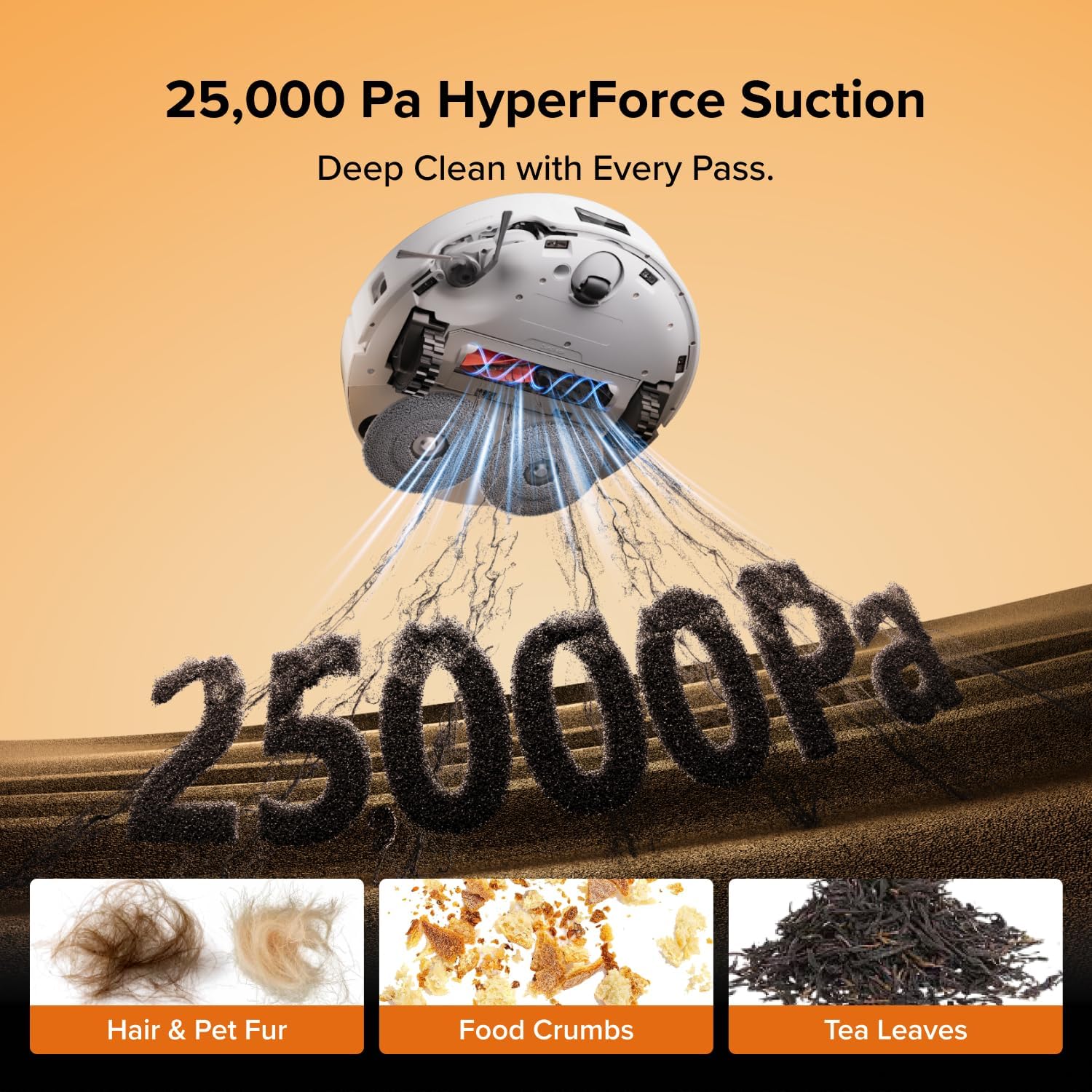
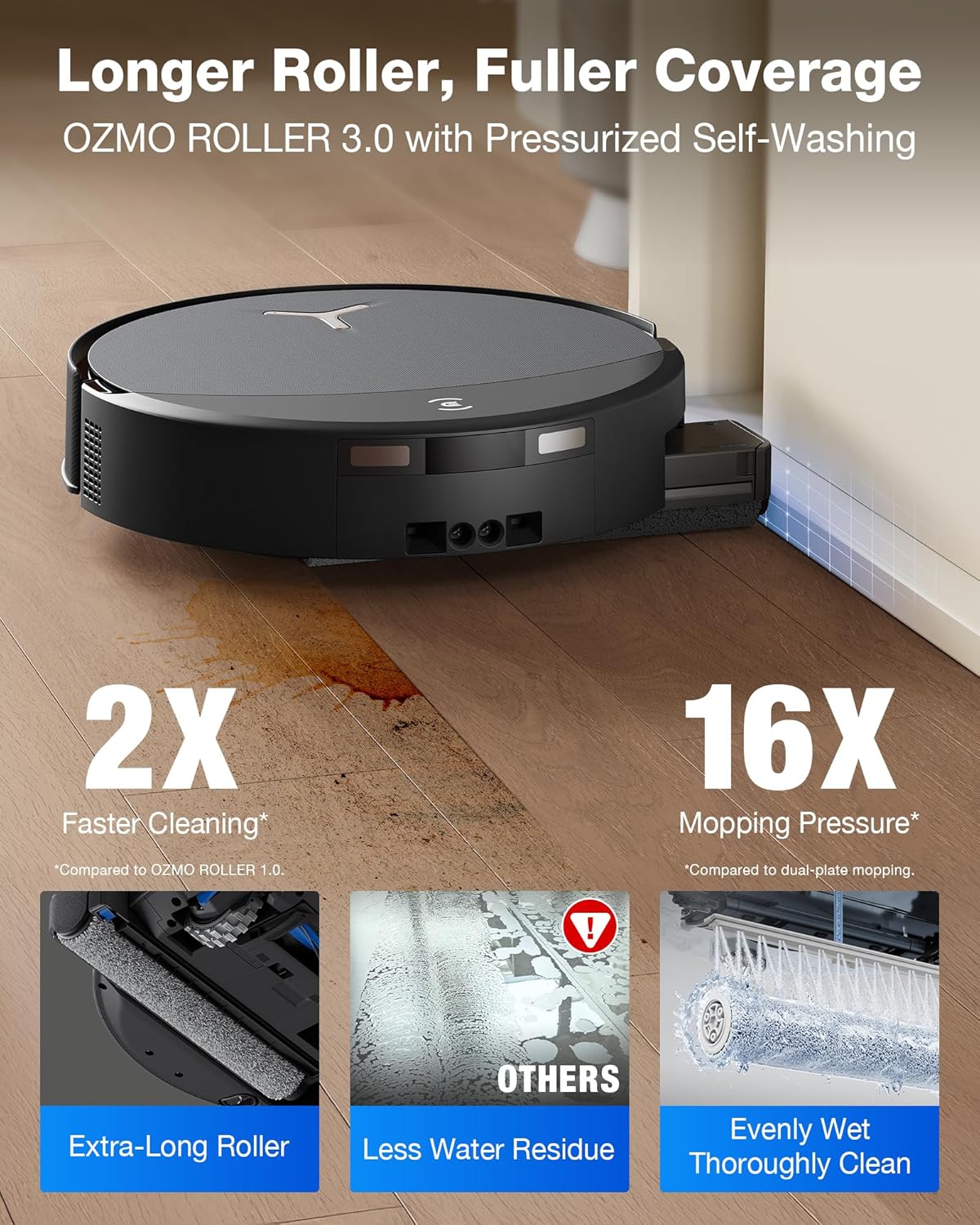
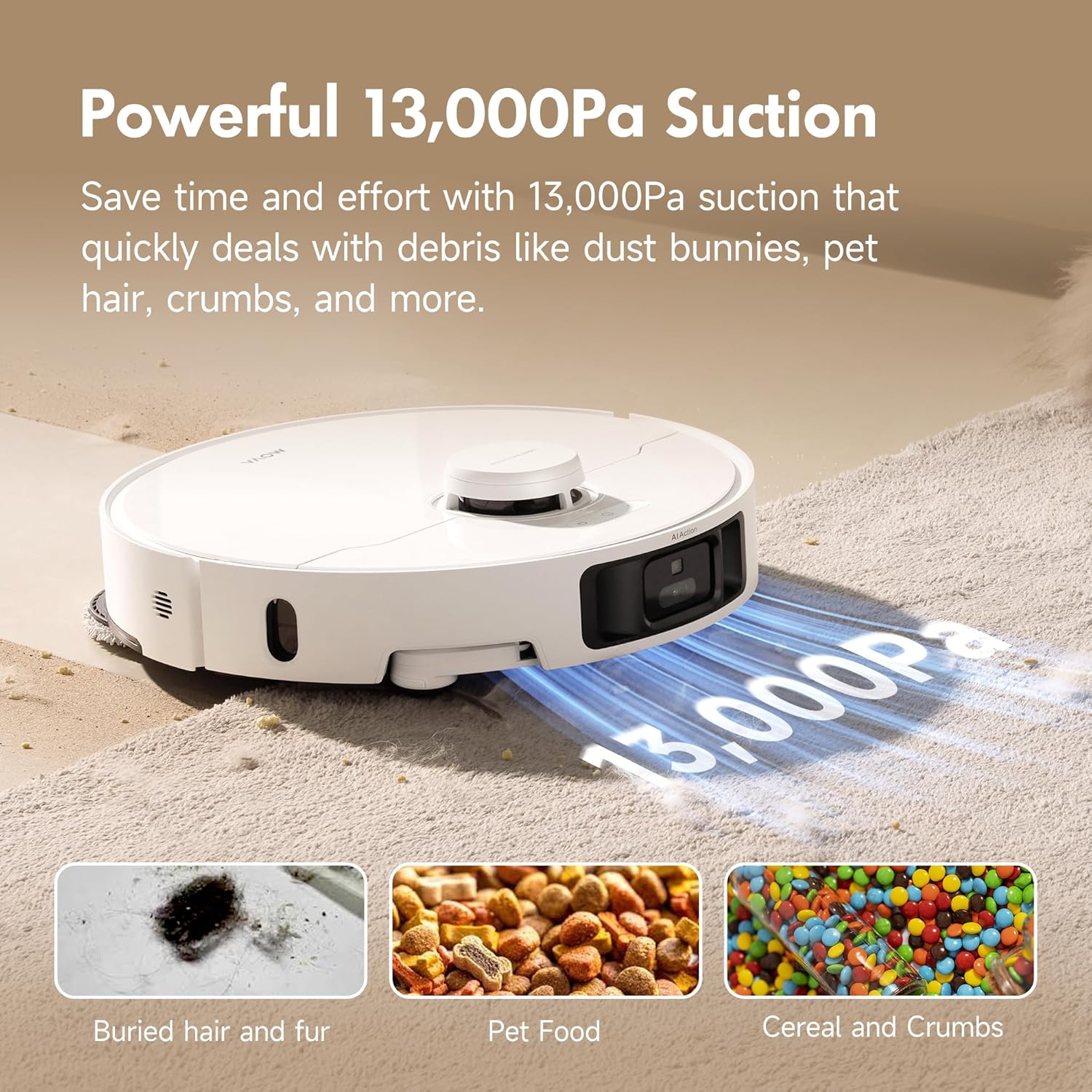
Second is the cleaning hardware itself, where the main roller and side brushes work with the vacuum motor to capture dust, crumbs, and pet hair before mopping begins. A strong robotic vacuum will offer high suction power, often above 4 000 Pa, so it can pull debris from gaps in floorboards and low pile carpet. When this dry cleaning is paired with a well designed roller mop and tightly attached mop pads, the robot mop can tackle dried stains without leaving streaks.
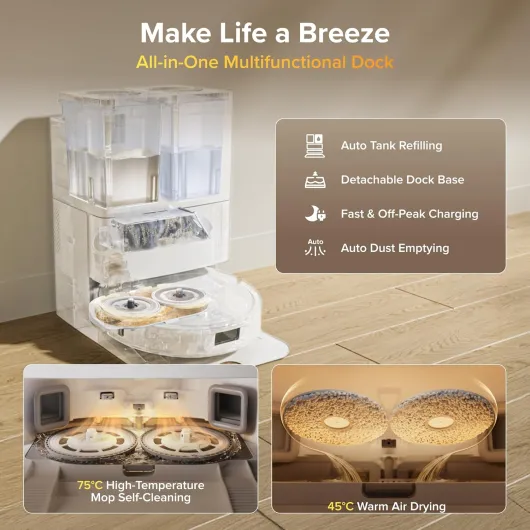
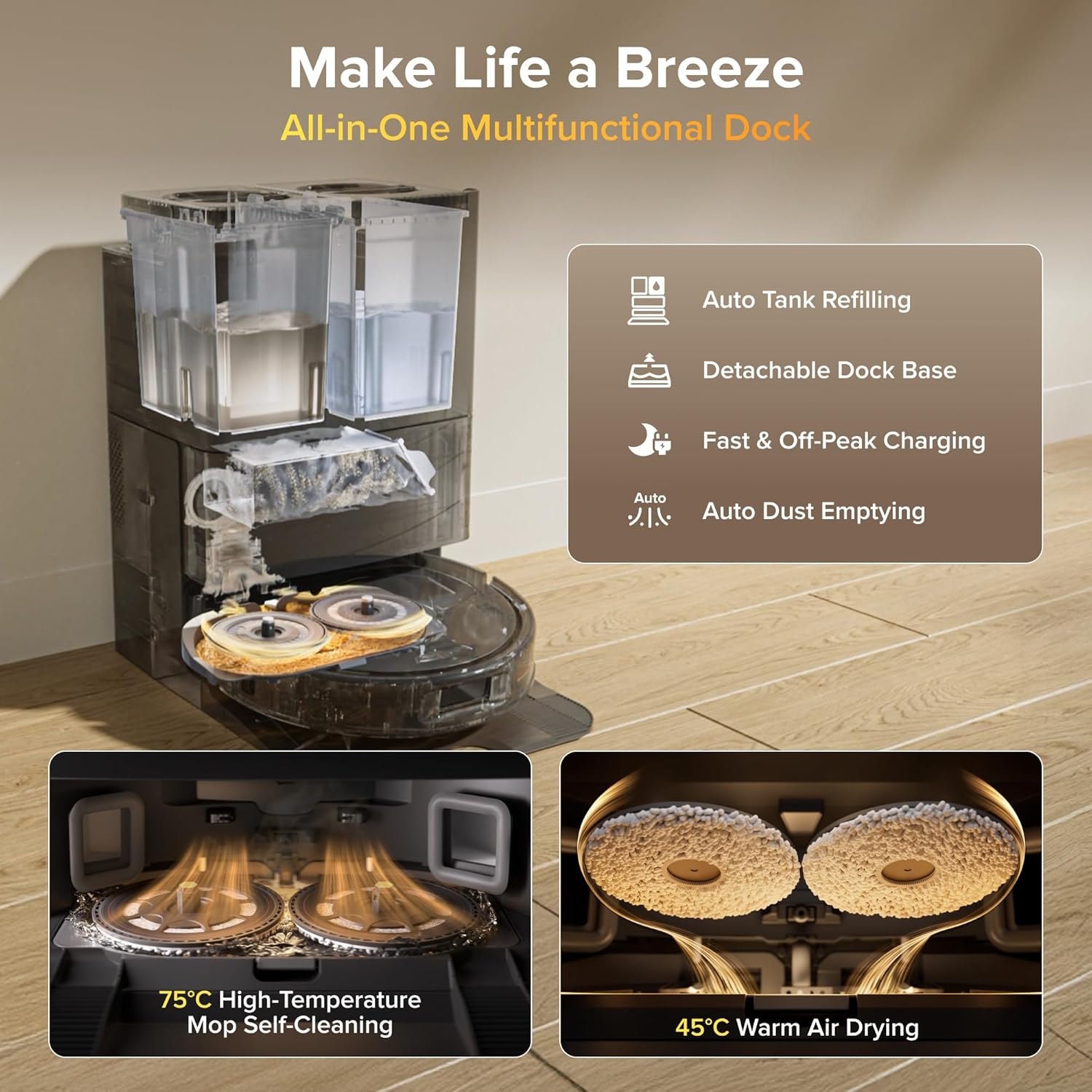
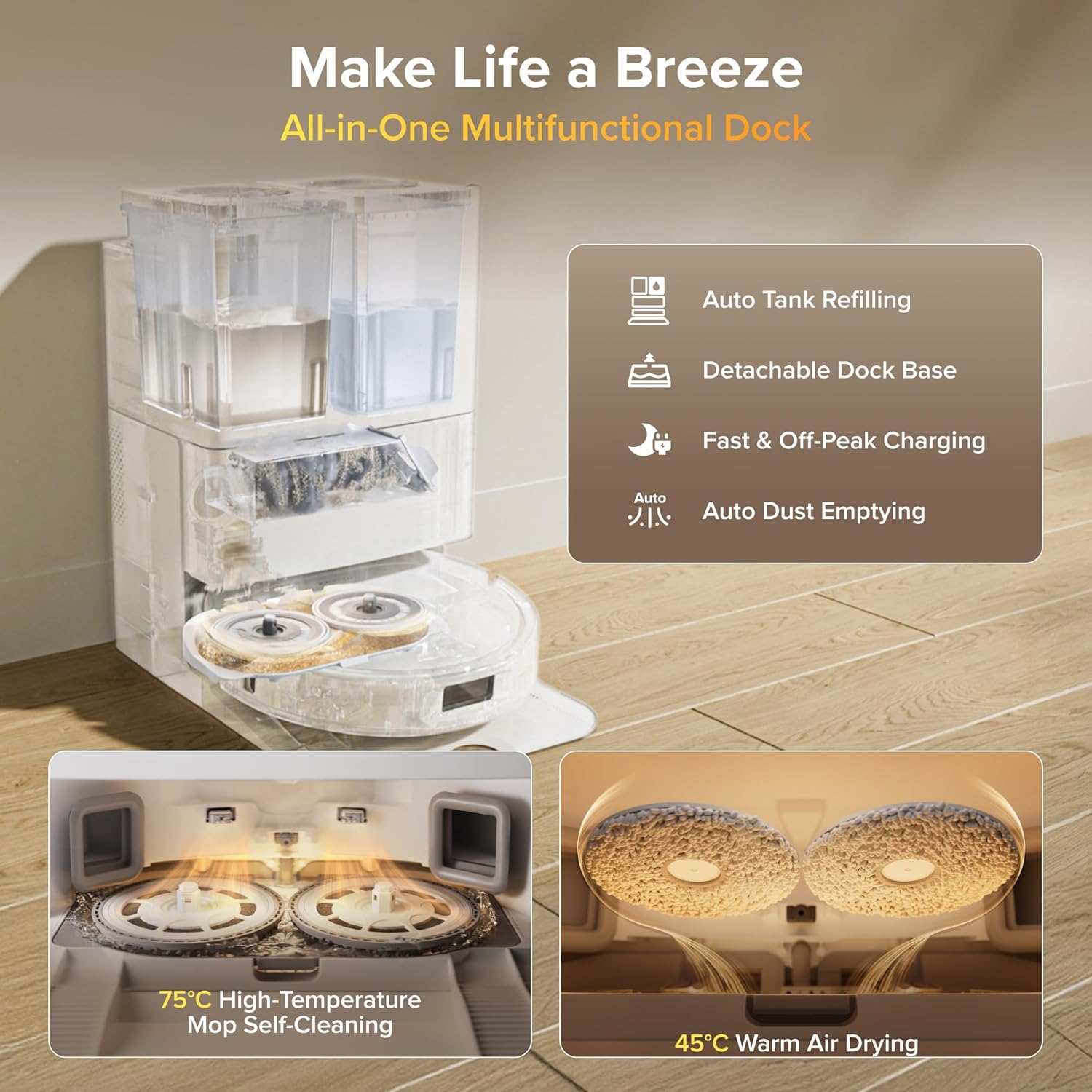
Third is the dock, which becomes a central hub for water, charging, and sometimes dust collection. A hot water dock heats the clean water tank to rinse the mop pad or mop pads after each zone, so the robot returns to the floor with a fresh, ultra clean surface. If you want to understand how a vacuum mop transforms daily routines, a detailed guide on how a robot vacuum mop transforms everyday floor cleaning at home shows why this combination of suction, mopping, and automation matters.
Comparing leading brands: Roborock, Dreame, and Ecovacs
Among premium robot vacuums, Roborock, Dreame, and Ecovacs Deebot dominate the conversation about the best robot vacuum with hot water mop washing. Roborock focuses on balanced performance, with models such as the Roborock Qrevo and Roborock Saros that combine strong suction power, precise obstacle avoidance, and efficient mop washing cycles. These robot vacuum and robot mop combos often include a dock that handles hot water rinsing, drying of mop pads, and automatic dust emptying.
Dreame positions its Dreame Ultra and Dreame Ultra Pro style systems as high end cleaning stations, often branded as Pro Omni or similar multi function docks. In these setups, the robotic vacuum returns to the dock, where hot water washes the roller mop, the dustbin is emptied, and the battery life is managed intelligently for long runs. Ecovacs Deebot models compete with similar features, offering strong suction, carpet detection, and sophisticated vacuum mop controls through their mobile apps.
Shoppers who prefer to buy through Amazon will find that each brand offers several vacuums with different levels of suction power, water tank capacity, and mop pad design. Reading detailed tests, such as a review of a powerful robotic vacuum for pet hair and carpet, helps clarify how these specifications translate into real cleaning performance. When comparing, focus on how the robot handles pet hair on carpet, how often the dock performs mop washing, and whether the hot water system keeps the mop pads hygienic between runs.
Deep cleaning performance on hard floors and carpets
Performance on real floors is where the best robot vacuum with hot water mop washing must justify its price. On hard floors, a strong vacuum mop should first use its roller and side brushes to gather debris, then follow with controlled mopping that uses enough water to loosen grime without soaking the surface. The combination of suction power and hot water mop washing allows the robot to remove dried juice, mud, and kitchen grease that would usually need manual scrubbing.
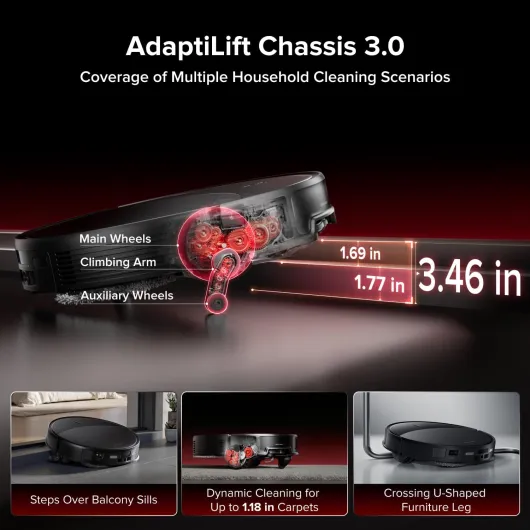
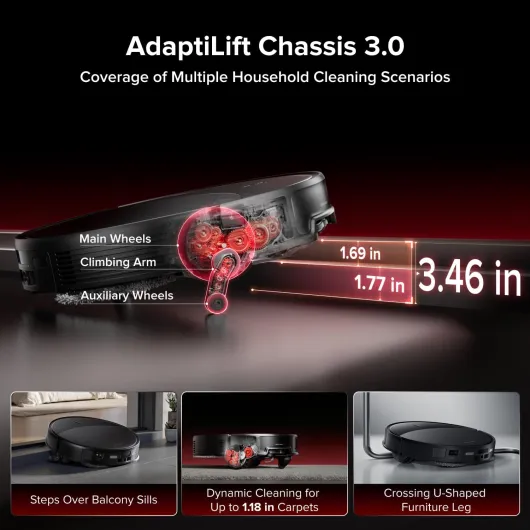
Carpet presents a different challenge, because a wet mop pad can damage fibers or leave them damp and uncomfortable. High end robot vacuums solve this with automatic mop lifting or mop pad retraction when the robot detects carpet using sensors or map zones. This way, the robotic vacuum can maintain deep suction on rugs while keeping the mop pads reserved for tiles, vinyl, or hardwood, which is essential for homes with mixed flooring and pets.
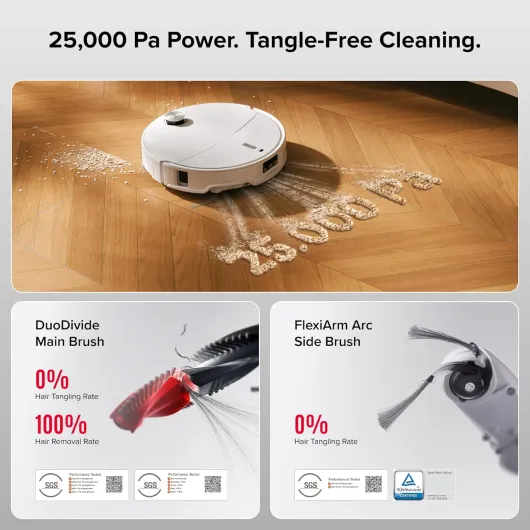
Pet hair adds another layer of complexity, especially when it tangles around the main roller or roller mop. A well designed robot vacuum will use a tangle resistant roller and strong suction to pull hair into the dustbin, while the dock handles regular mop washing so fur and dander do not accumulate on the mop pads. For smaller spaces or secondary rooms, some users still pair a flagship robot mop with a simpler model, such as a compact unit tested in this review of a small robot vacuum with strong suction, to cover tight corners or upstairs areas.
Dock design, maintenance, and long term ownership
When evaluating the best robot vacuum with hot water mop washing, the dock design often matters as much as the robot itself. A robust dock manages clean water, dirty water, dust collection, and battery life, turning the robot into a largely autonomous cleaning system. Pro Omni style stations from brands like Dreame Ultra or Roborock Pro lines show how far this integration can go, with hot water mop washing, warm air drying, and automatic detergent dosing.
Maintenance remains part of ownership, even with advanced robot vacuums. You still need to empty dirty water tanks, refill clean water, and occasionally wash or replace each mop pad and filter to keep suction power and mopping performance stable. The benefit is that the dock handles daily mop washing and roller cleaning, so your manual work drops to periodic checks instead of constant intervention.
Long term, pay attention to how easily you can access spare mop pads, rollers, and filters through channels such as Amazon or official brand stores. A robot vacuum that uses standard parts and clear maintenance instructions will stay effective for many years, even as new vacuums appear. For households with heavy traffic, pets, or children, this reliability turns a single robotic vacuum into a central cleaning appliance rather than a short lived gadget.
How to choose the best robot for your home layout
Selecting the best robot vacuum with hot water mop washing starts with your floor plan and lifestyle. Large open spaces benefit from a robot vacuum with strong suction power, long battery life, and a dock that can handle frequent mop washing cycles without constant refills. Smaller apartments may prioritize a compact robotic vacuum that navigates tight corridors and still offers effective mopping with hot water rinsing of the mop pads.
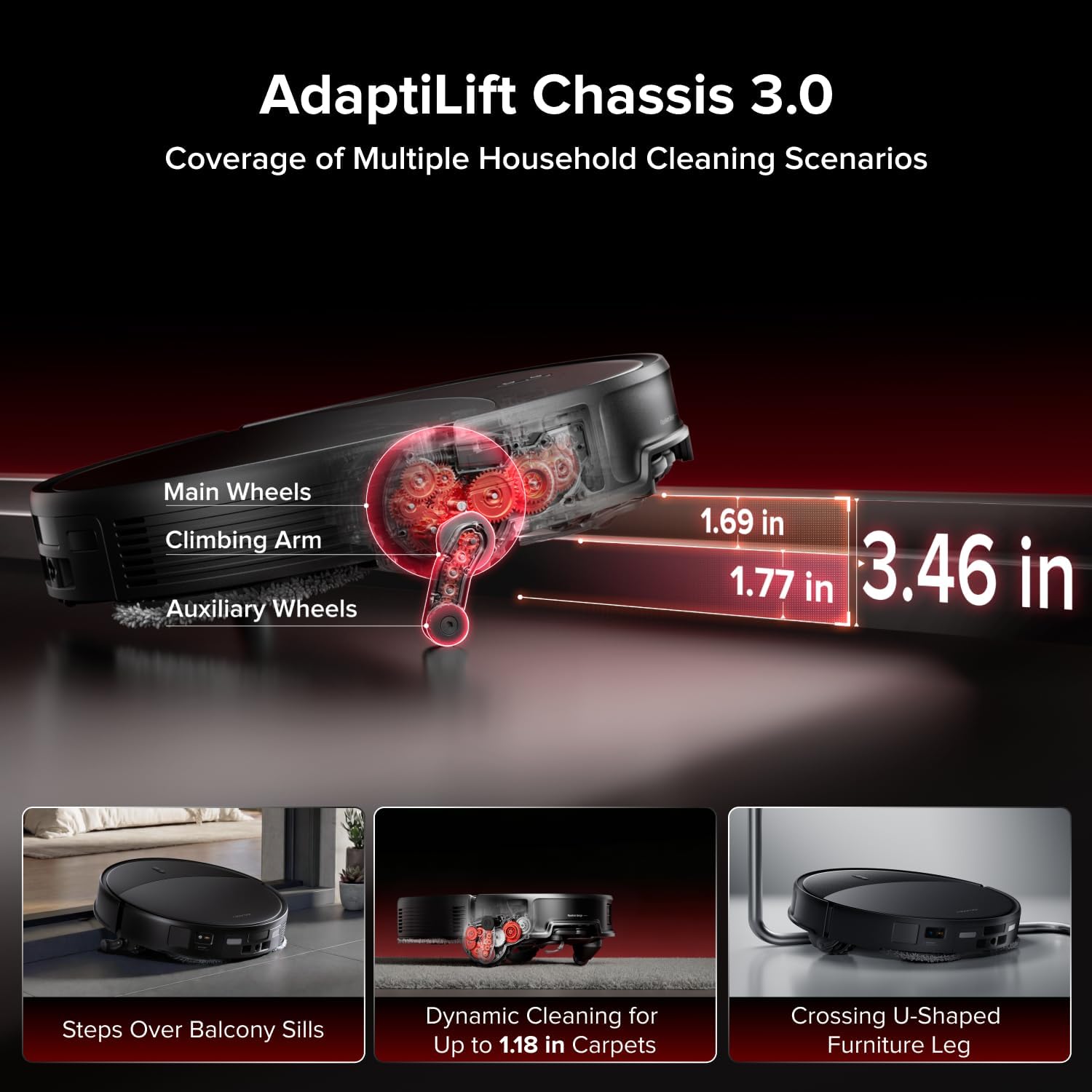
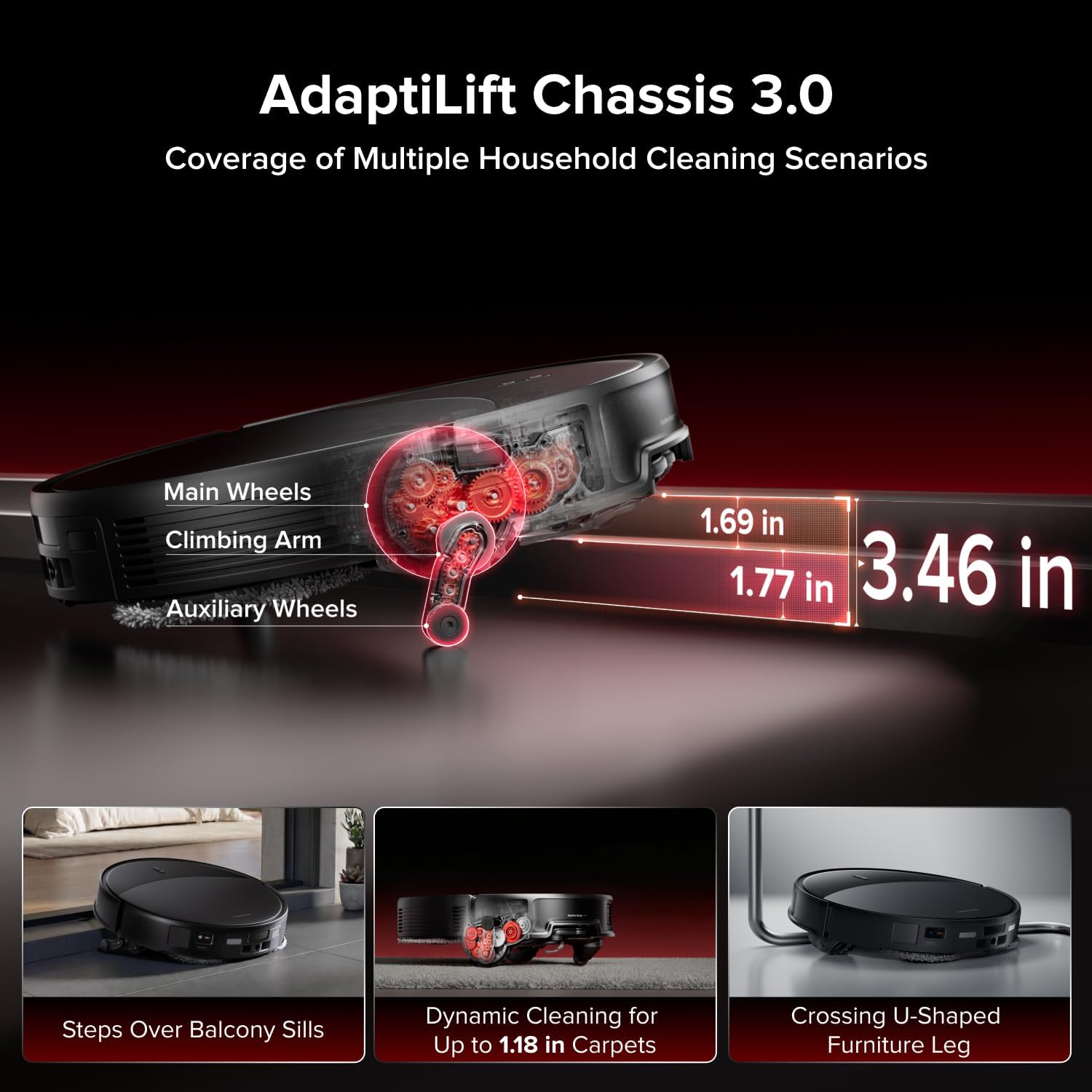
If your home has many obstacles, such as furniture legs, toys, or cables, prioritize obstacle avoidance and precise mapping. Look for robot vacuums that can recognize common obstacle shapes and adjust their path, so the roller mop and mop pad do not catch on cords or fabric. Homes with multiple carpets should choose a vacuum mop that can automatically lift the mop pads or avoid carpeted zones during mopping runs.
Allergy sufferers and pet owners should focus on filtration, pet hair pickup, and consistent cleaning schedules. A robot mop that runs daily with strong suction and hot water mop washing can reduce dust and dander accumulation, especially when paired with HEPA grade filters. In these cases, the best robot is the one that quietly maintains ultra clean floors without constant supervision, using its dock, water system, and smart controls to adapt to your routines.
Price, value, and when premium features are worth it
Premium models that qualify as the best robot vacuum with hot water mop washing usually cost significantly more than basic vacuums. That higher price reflects the complexity of the dock, the hot water system, the obstacle avoidance sensors, and the stronger suction power needed for deep cleaning. For some households, especially those with pets, children, and large mixed flooring, this investment replaces frequent manual mopping and reduces the need for separate vacuums.
Value depends on how often you will use the robot vacuum and robot mop functions. If you run the robotic vacuum daily, the automatic mop washing, roller cleaning, and dust emptying save hours of manual work each month. Occasional users might prefer a mid range vacuum mop without hot water, but frequent cleaners usually appreciate the hygiene benefits of hot water rinsing and drying of each mop pad.
Before buying, compare not only headline suction figures but also dock capabilities, water tank sizes, and the availability of accessories such as extra mop pads and rollers. Check how the robot handles carpet, pet hair, and tight obstacles, because these factors shape real world cleaning more than marketing labels like ultra or pro. When the features align with your home, the best robot becomes a reliable partner that keeps floors clean with minimal effort for many years.
Key figures about robot vacuums with hot water mop washing
- Market analysts from firms such as Statista report that robot vacuums and vacuum mop combos account for more than 40 % of all household floor care appliance sales in major markets, showing how quickly robotic vacuum adoption has grown.
- Independent lab tests from organizations like Consumer Reports indicate that top tier robot vacuums can remove over 90 % of surface debris from hard floors in a single pass, while premium models with strong suction power approach this level even on low pile carpet.
- Battery life on modern vacuum mop robots often reaches 150 to 200 minutes per charge under standard suction settings, which is enough to cover more than 120 square metres in many homes before returning to the dock.
- Manufacturers commonly recommend replacing each mop pad every three to six months in high use homes, and changing primary filters every two to three months, to maintain consistent suction and mopping performance.
- Some premium docks with hot water mop washing can heat water to around 55 to 60 degrees Celsius for mop rinsing, a temperature range that helps dissolve greasy residues more effectively than cold water alone.