Price brackets and realistic expectations for top budget models
Budget does not mean the same thing for every buyer of a robot vacuum. For some, the best budget robot vacuum sits under a strict ceiling, while others accept a slightly higher price if vacuuming performance and obstacle avoidance are clearly better. Thinking in price brackets helps you decide which robotic vacuums offer genuine value rather than just a low sticker.
At the very low end, you will find simple robot vacuums that focus on basic cleaning of hard floors and short pile rugs. These robotic models often skip lidar mapping, advanced app features and any kind of auto empty dock, but they can still collect dust, crumbs and hair if you run them frequently. In this range, choose a vacuum with decent suction and a reliable bumper sensor over one that advertises a weak mop pad or flashy lights.
Mid range budget is where many of the vacuums best suited to mixed homes appear. Here you start to see a vacuum mop combo, more refined obstacle avoidance and better brushes for pet hair, without paying for a full omni station. For a curated list of options in this band, you can consult a specialised guide such as the top budget robot vacuum comparison that focuses on models with strong cleaning and reasonable prices.
When stretching the budget makes sense
Some features justify paying slightly more for a robot vacuum, even when you are cost conscious. If you have several hard floors and carpets, a vacuum mop with stronger suction and better mopping pressure will usually save time and reduce manual cleaning. Families with pets often benefit from an auto empty dock or at least a larger bin, because pet hair fills compact dust containers very quickly.
Buyers who value convenience may also want a robot with a more capable app. Room based scheduling, no go zones and adjustable suction levels let you fine tune cleaning so the robot vacuums only where and when you need it. Over months of use, that control can matter more than a small difference in initial price, especially if it prevents the robot from disturbing sleep or getting stuck under furniture.
Finally, consider long term support when judging the best robot in any budget tier. Brands that update their apps, maintain spare parts and offer clear maintenance guides help your vacuum last longer and keep its performance closer to max levels. A slightly higher upfront cost can be offset by fewer breakdowns, less hair related clogs and more consistent cleaning on both hard floor and carpeted rooms.
Key technologies in budget robot vacuums explained simply
Technology terms around every robot vacuum can feel overwhelming, especially when shopping on a budget. Yet understanding a few core ideas helps you judge which robotic vacuums are genuinely advanced and which just use buzzwords. The goal is not to chase every feature, but to choose the best budget robot vacuum whose technology matches your home.
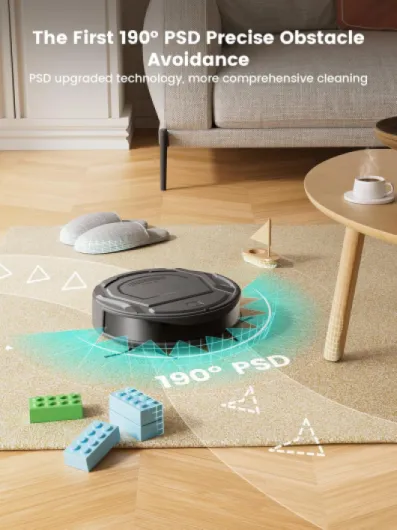
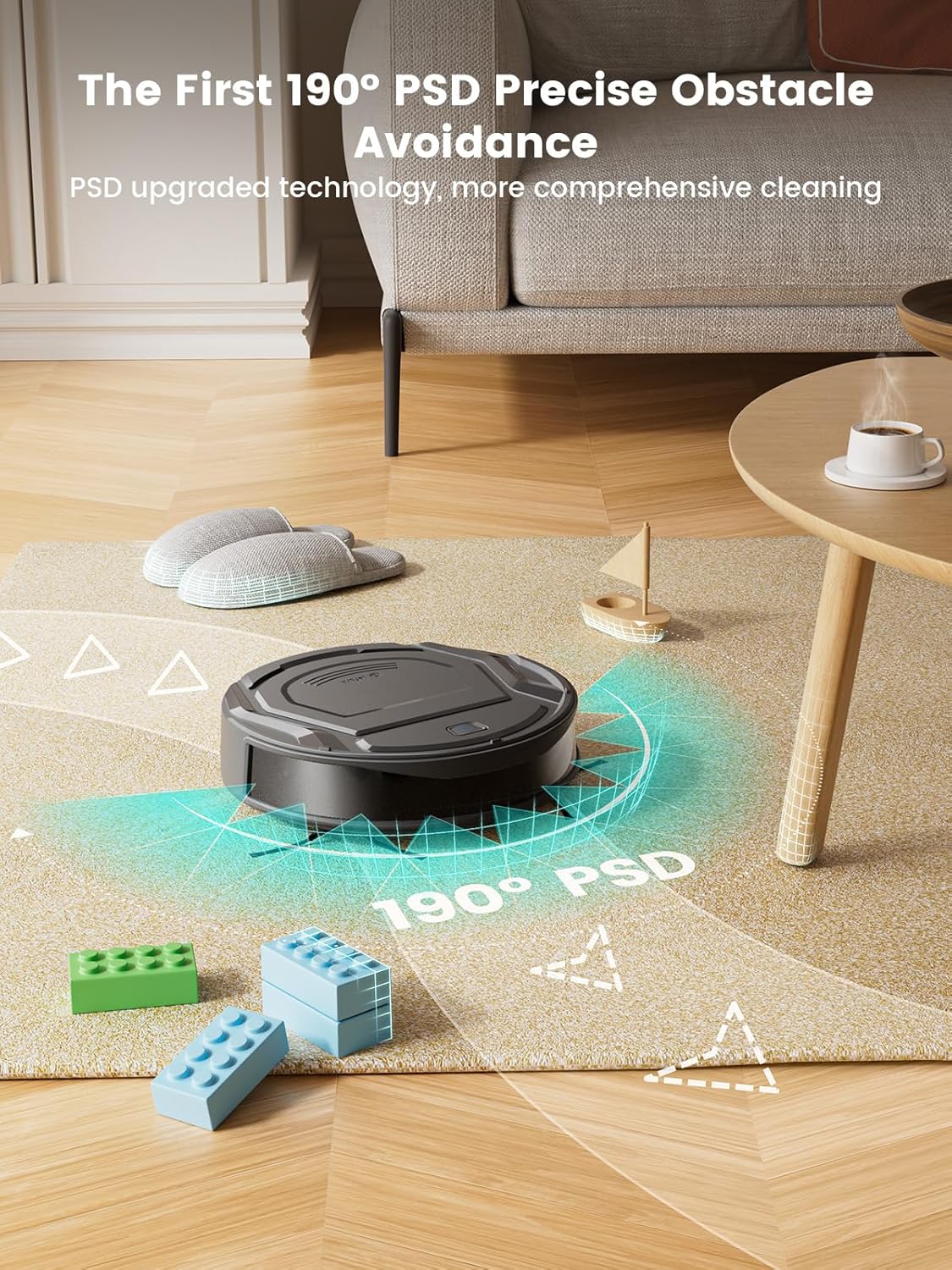
Lidar navigation uses a spinning laser on top of the robot to map rooms accurately. Even some budget friendly models now include lidar, which improves obstacle avoidance, keeps paths straight and lets the app show a clear floor plan of your hard floors and carpets. Camera based systems can also work well, but they may struggle more in low light and usually appear on slightly pricier vacuums.
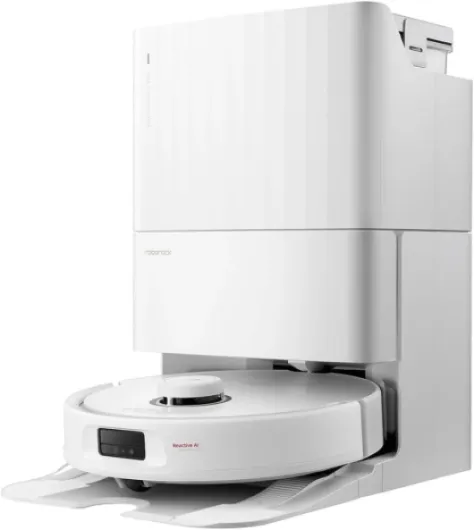
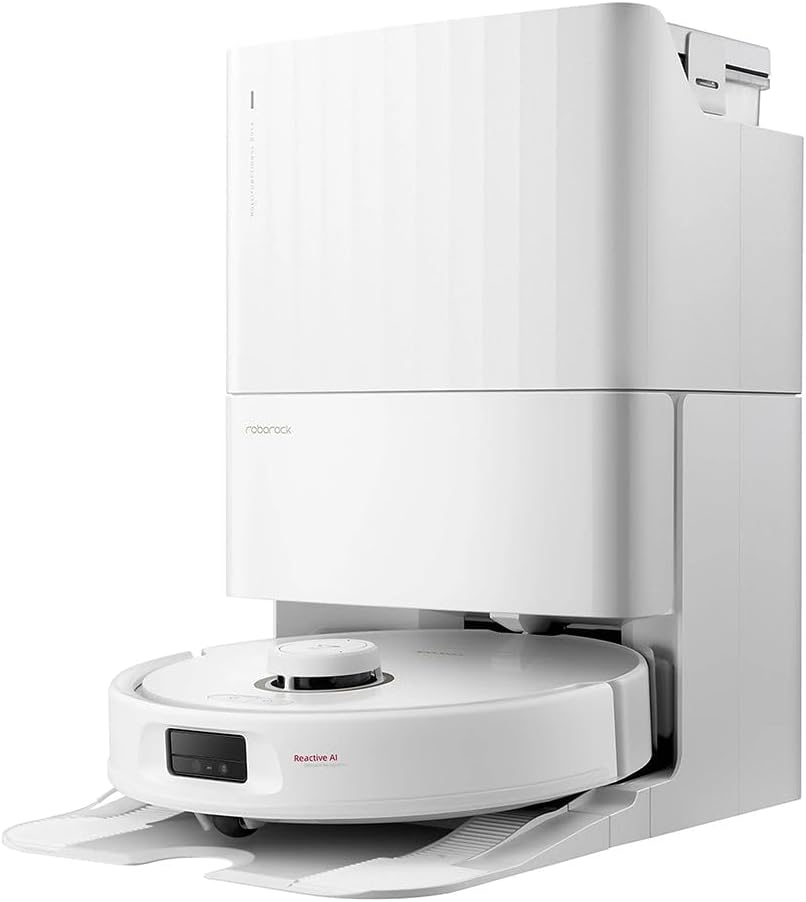
Docking technology is another area where terms can confuse buyers. An auto empty dock sucks debris from the robot into a larger bag, reducing how often you empty the bin and helping with pet hair management. Full omni stations, such as those on some Eufy Omni or Roborock Q Revo style products, can wash a roller mop, refill water and sometimes even dry mopping pads, but these omni docks usually sit above strict budget levels.
How mopping and combo systems work on a budget
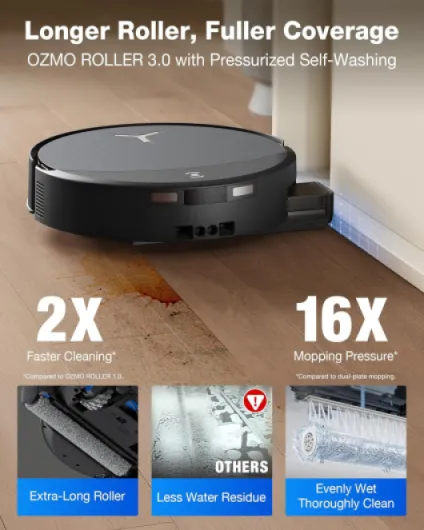
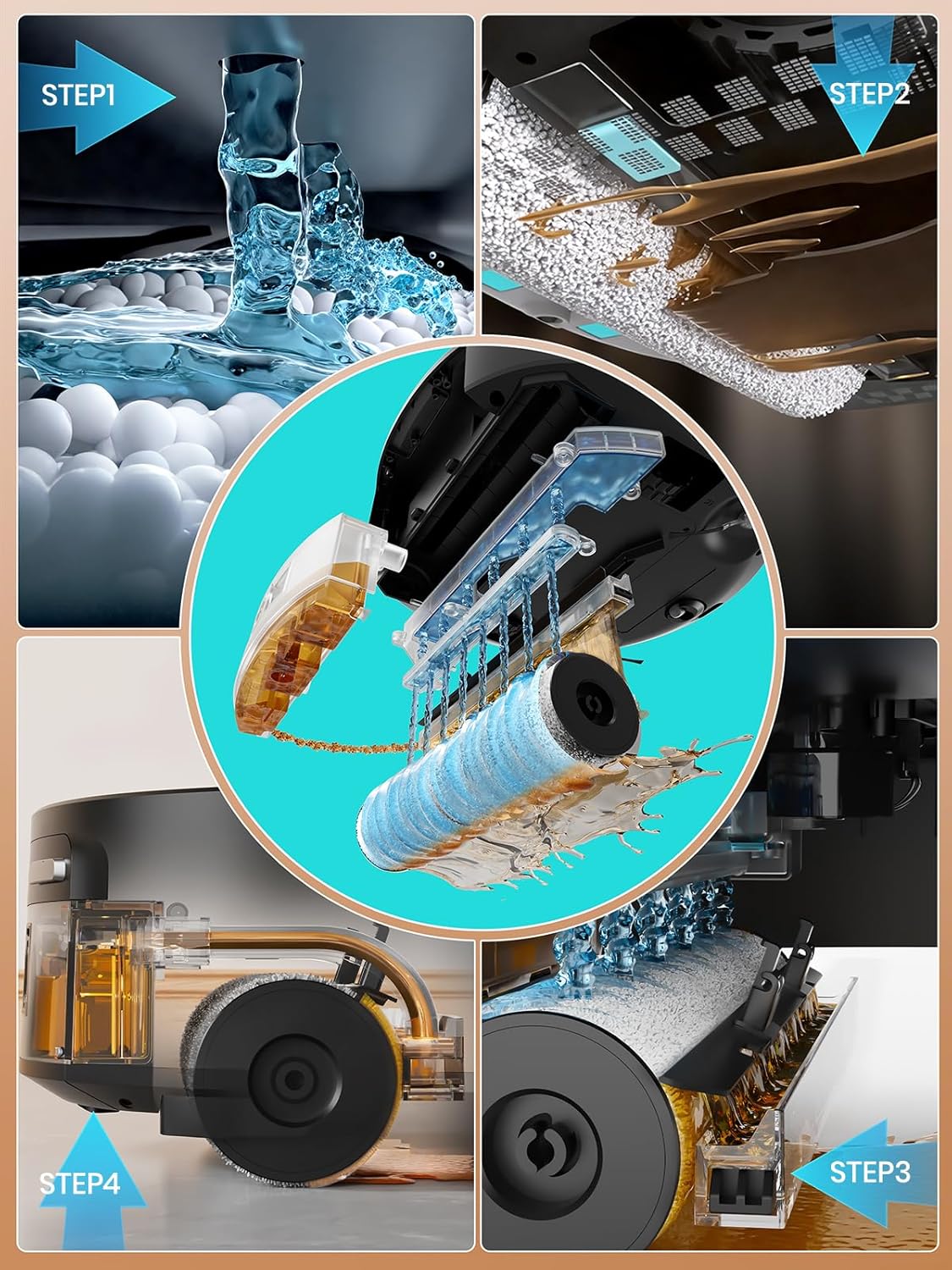
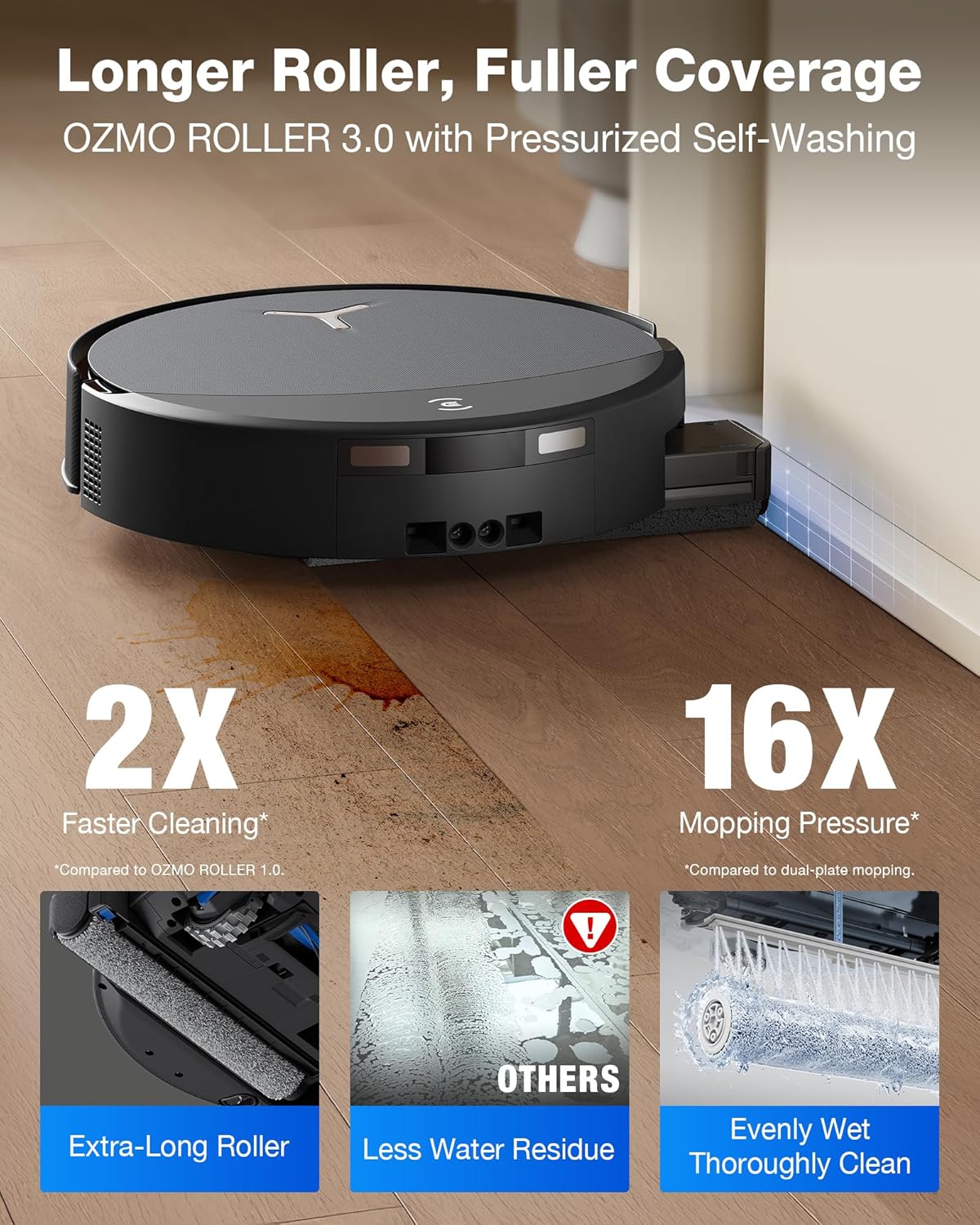
Many affordable models now advertise a vacuum mop or mop combo function. In practice, this usually means the robot vacuum drags a damp cloth or roller mop behind it, which is helpful for light mopping on hard floors but cannot replace a deep manual scrub. When you evaluate these systems, focus on how easy it is to attach the mop, fill the tank and keep the pad clean between runs.
Some budget robotic vacuums let you adjust water flow in the app, which protects delicate hard floor finishes. Others simply offer a basic mopping mode that you toggle on or off, with the robot avoiding carpets automatically or relying on you to set no mop zones. If you have many rugs, prioritise models with reliable obstacle avoidance and clear carpet detection so the mop does not soak textiles.
For buyers who want strong suction and mopping in one device, it is worth reading detailed tests of a robot vacuum cleaner with mop and self emptying dock. These reviews often highlight how the robot handles pet hair, how the laser navigator maps rooms and whether the mopping performance on hard floors justifies the extra cost. Even if a specific model sits slightly above your budget, the test criteria help you judge more affordable alternatives.
Brand by brand: what to expect from popular budget lines
Brand reputation still matters when you choose a robot vacuum on a tight budget. Each major manufacturer has a distinct approach to cleaning, navigation and app design, and these differences shape how their vacuums behave in real homes. Knowing these patterns helps you pick the best budget robot vacuum for your priorities rather than just chasing discounts.
iRobot Roomba models are known for durable hardware and strong agitation on carpets. Even lower priced iRobot Roomba units often deliver solid vacuuming performance and handle pet hair well, though they may lack lidar mapping or advanced obstacle avoidance. Their app is straightforward, and while not every Roomba supports auto empty docks, compatible models can pair with a Clean Base to reduce how often you empty the bin.
Roborock focuses heavily on navigation and mopping, even in more affordable ranges. A Roborock Q Revo style design, for example, combines precise mapping with a capable vacuum mop system that can handle both hard floors and low pile carpets. While full omni stations from Roborock may exceed strict budget limits, their standalone robotic vacuums often offer excellent suction, smart app control and reliable cleaning paths for the price.
How Eufy, Shark and emerging brands compete on value
Eufy has built a reputation for quiet, simple robot vacuums that suit smaller homes and apartments. Budget Eufy models typically prioritise ease of use over complex lidar systems, but they still deliver respectable suction and decent obstacle avoidance on uncluttered hard floors. The Eufy Omni line adds more advanced docks and mopping, though these omni features usually sit at the upper edge of what many consider budget.
Shark Matrix series robots aim to combine strong suction with robust brush rolls that resist tangles. A Shark Matrix robot vacuum often includes an anti tangle brush, making it attractive for households with long hair or multiple pets. Some Matrix models also offer auto empty bases, which can be a compelling upgrade if you want less frequent bin emptying without paying for a full omni station.
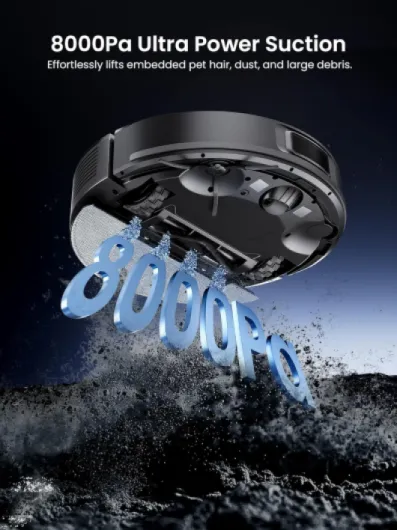
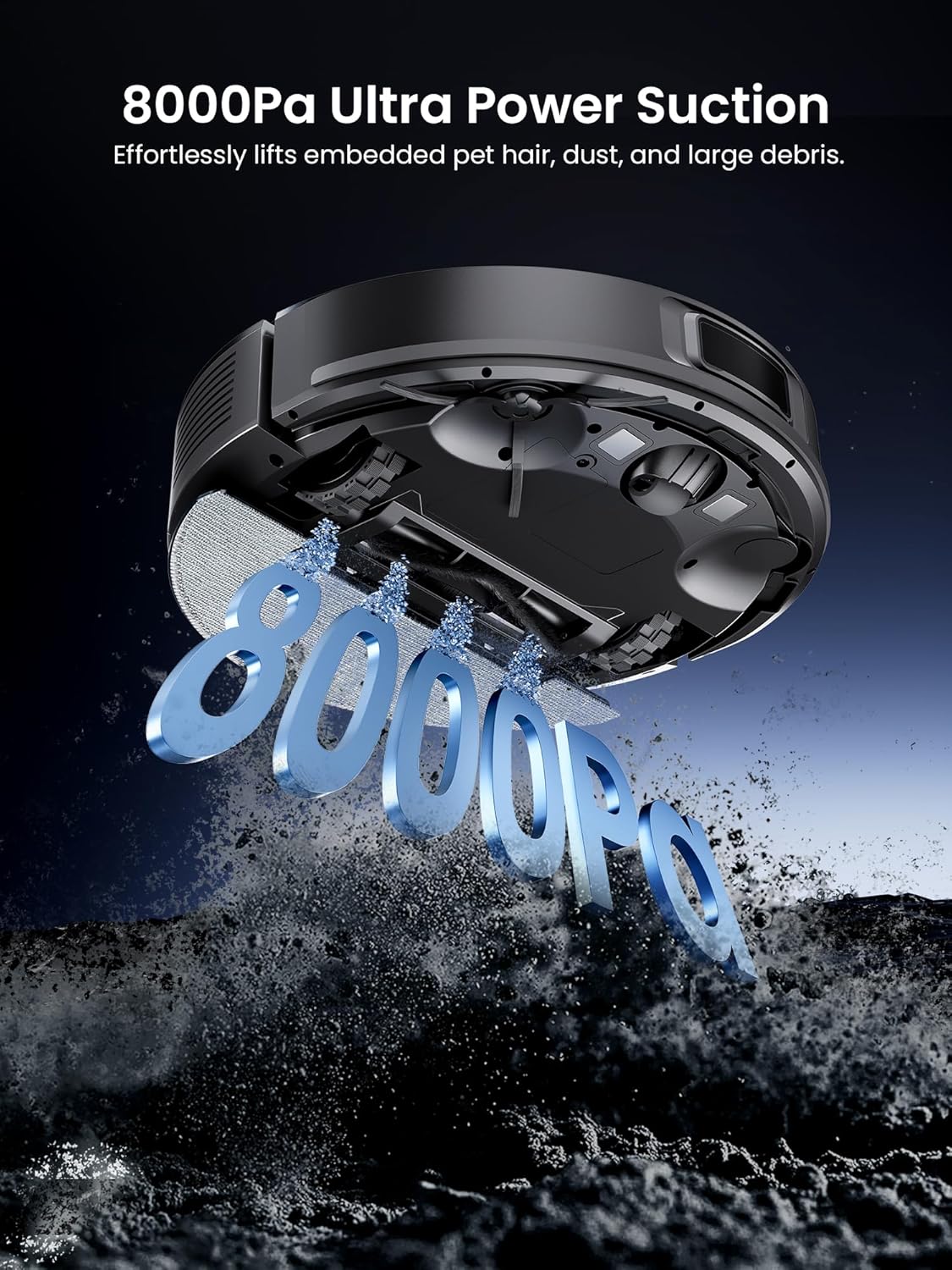
Smaller brands and newcomers sometimes advertise max suction numbers that look impressive on paper. Treat these claims cautiously and look for independent tests, such as those from Vacuum Wars or other lab style reviewers, that measure real world vacuuming performance on both hard floor and carpet. Consistent cleaning, stable apps and accessible spare parts usually matter more than a slightly higher max suction rating that you rarely use.
Real world performance: what budget buyers should test first
Once your new robot vacuum arrives, early testing reveals whether it truly fits your home. Start by observing how the robot navigates your main hard floors, paying attention to obstacle avoidance around chair legs, cables and thresholds. A best budget robot vacuum should complete a full loop without constant rescues or missed zones.
Next, evaluate vacuuming performance on different surfaces. Scatter a controlled amount of crumbs or rice on both a hard floor and a low pile rug, then run the robot on its standard and max suction settings to see how much debris it collects. Check the bin for pet hair and fine dust, and inspect the brush for tangles that might require frequent cleaning.
Mopping deserves its own trial if your robot includes a mop combo or roller mop attachment. Fill the tank, attach the pad and let the vacuum mop a small hard floor area with light stains, then compare the result to a quick manual pass with a cloth. Budget robotic vacuums should leave the surface visibly cleaner, even if they cannot remove deeply embedded marks in a single run.
Maintenance habits that protect your investment
Regular maintenance keeps a budget robot vacuum performing close to new. Empty the bin or auto empty bag before it overfills, wipe sensors to preserve obstacle avoidance accuracy and remove hair from brushes weekly if you share your home with pets. These small tasks prevent strain on the motor, maintain suction and reduce the risk of navigation errors.
Filter care is equally important for long term cleaning performance. Washable filters should be rinsed and dried thoroughly according to the manual, while disposable filters on some robotic vacuums need replacement every few months depending on dust levels. Neglecting filters can reduce airflow, forcing the robot to run at max power more often and draining the battery faster.
For a deeper understanding of how maintenance and design affect performance, you can read lab style comparisons such as those on Vacuum Wars or similar testing platforms. These reviews often show how different brands handle pet hair, how anti tangle systems work in practice and how quickly bins fill on mixed hard floors and carpets. Armed with that knowledge, you can adjust your cleaning schedule and maintenance routine to get the vacuums best results from your chosen model.
Choosing the right budget robot vacuum for your specific home
Every home presents a different challenge for a robot vacuum, especially when money is tight. Small apartments with mostly hard floors demand a compact robot with reliable edge cleaning and a simple app, while larger houses with pets need stronger suction and better obstacle avoidance. The best budget robot vacuum for you is the one that matches these conditions rather than chasing every possible feature.
If you live with cats or dogs, prioritise robotic vacuums that handle pet hair gracefully. Look for anti tangle brushes, a generous dustbin or auto empty dock, and a vacuum mop that can handle occasional paw prints on hard floors. Models from iRobot Roomba, Shark Matrix and some Roborock lines often perform well here, but always confirm that replacement brushes and filters are easy to buy in your region.
Households with many mixed surfaces should focus on vacuuming performance transitions. A capable robot vacuum must move from hard floor to carpet without getting stuck, adjust suction automatically when needed and keep mopping water away from rugs. Reading detailed tests of a 3 in 1 robot vacuum cleaner with mopping and sweeping can help you understand how combo systems behave on different surfaces.
When an app and smart features truly add value
Smart features should simplify cleaning, not complicate it. A well designed app lets you set schedules, adjust suction, control mopping intensity and create no go zones without digging through confusing menus. For many buyers, this level of control turns a basic robot into the best robot for their lifestyle, because it quietly handles routine cleaning while they focus on other tasks.
Voice control and integrations with smart speakers are pleasant extras but not essential. What matters more is that the app remains stable, receives updates and clearly shows maps generated by lidar or other navigation systems so you can understand where the robot vacuums each day. If the app frequently disconnects or loses maps, even a powerful vacuum mop can feel frustrating.
In the end, a thoughtful match between your home, your habits and the robot’s capabilities delivers the vacuums best value. A modestly priced Eufy, Roborock or Shark Matrix unit with solid suction, dependable obstacle avoidance and easy maintenance will often outperform a feature packed but unreliable rival. Choose the robot vacuum that you can maintain, understand and trust to run regularly, and it will quietly raise your home’s cleanliness over time.
Key figures about budget robot vacuums
- Market research from firms such as Statista suggests that robot vacuums now account for a substantial share of household vacuum cleaner sales in several major regions, reflecting rapid adoption driven by falling prices.
- Independent lab tests from organisations like Consumer Reports and Wirecutter have found that some budget robot vacuum models remove a large proportion of surface debris on hard floors in a single pass, approaching the performance of mid range uprights.
- Surveys of pet owners by major retailers indicate that more than half of buyers who choose a robot vacuum cite pet hair control as their primary motivation, which explains the growing focus on anti tangle brushes and auto empty docks in budget lines.
- Battery life on many affordable robotic vacuums now exceeds 90 minutes per charge, allowing them to cover between 60 and 90 square metres of mixed hard floors and low pile carpets before returning to dock.
- Energy consumption studies suggest that a typical robot vacuum uses significantly less electricity per month than a traditional corded vacuum in homes where daily automated cleaning replaces several long manual sessions.