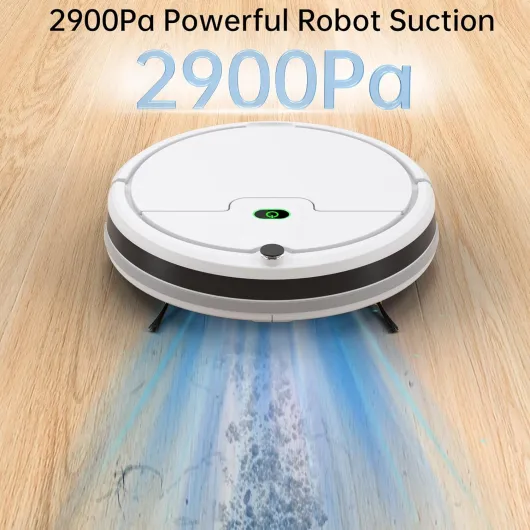
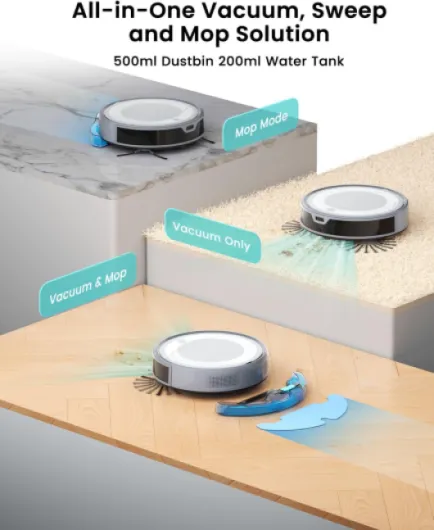
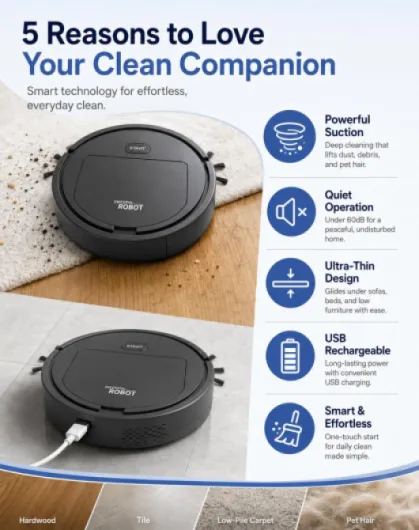
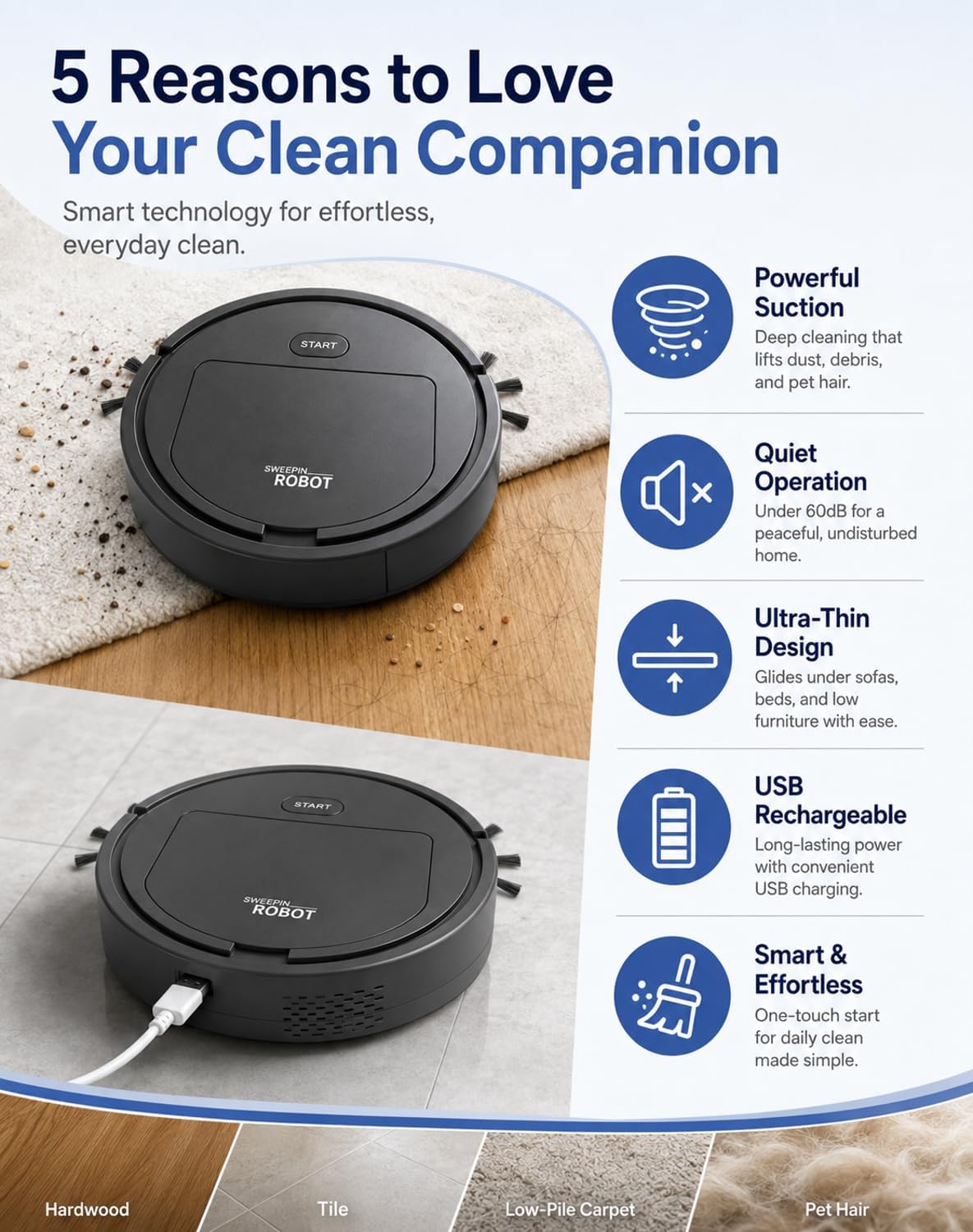
Key features that separate top cheap robot vacuums from the rest
Price alone does not define the best robot in the budget segment. The real value comes from how consistently the robot vacuum cleans edges, avoids tangled hair, and navigates around table legs without constant babysitting. When you compare models, treat app control and voice control as essential tools, not gimmicks, because they turn robotic vacuums into predictable helpers instead of unpredictable gadgets.
On many cheap robot vacuums sold online, the companion app lets you schedule cleaning by rooms, adjust suction levels, and set virtual barriers to keep the vacuum mop away from rugs during mopping. Even without lidar navigation, some of the vacuums best suited to small homes use gyroscope based advanced navigation to map spaces and reduce random bumping. For a curated overview of strong low cost options, you can consult this guide to top cheap robot vacuums that focuses on tested performance instead of marketing claims and highlights concrete examples such as the Eufy RoboVac 11S, iRobot Roomba 694, and Shark ION RV765.
Do not ignore obstacle avoidance, even on a cheap robot vacuum, because cables, socks, and pet toys can quickly stall cleaning runs. Basic infrared sensors help a robot detect walls and furniture, while more advanced systems combine cameras and virtual mapping to steer around clutter in fewer minutes. If you live with pets, prioritise models that highlight pet hair pickup and anti tangle brushes, since these features often matter more than raw suction numbers and can reduce how often you need to cut hair from rollers.
Budget robot vacuums versus mid range models: where to compromise
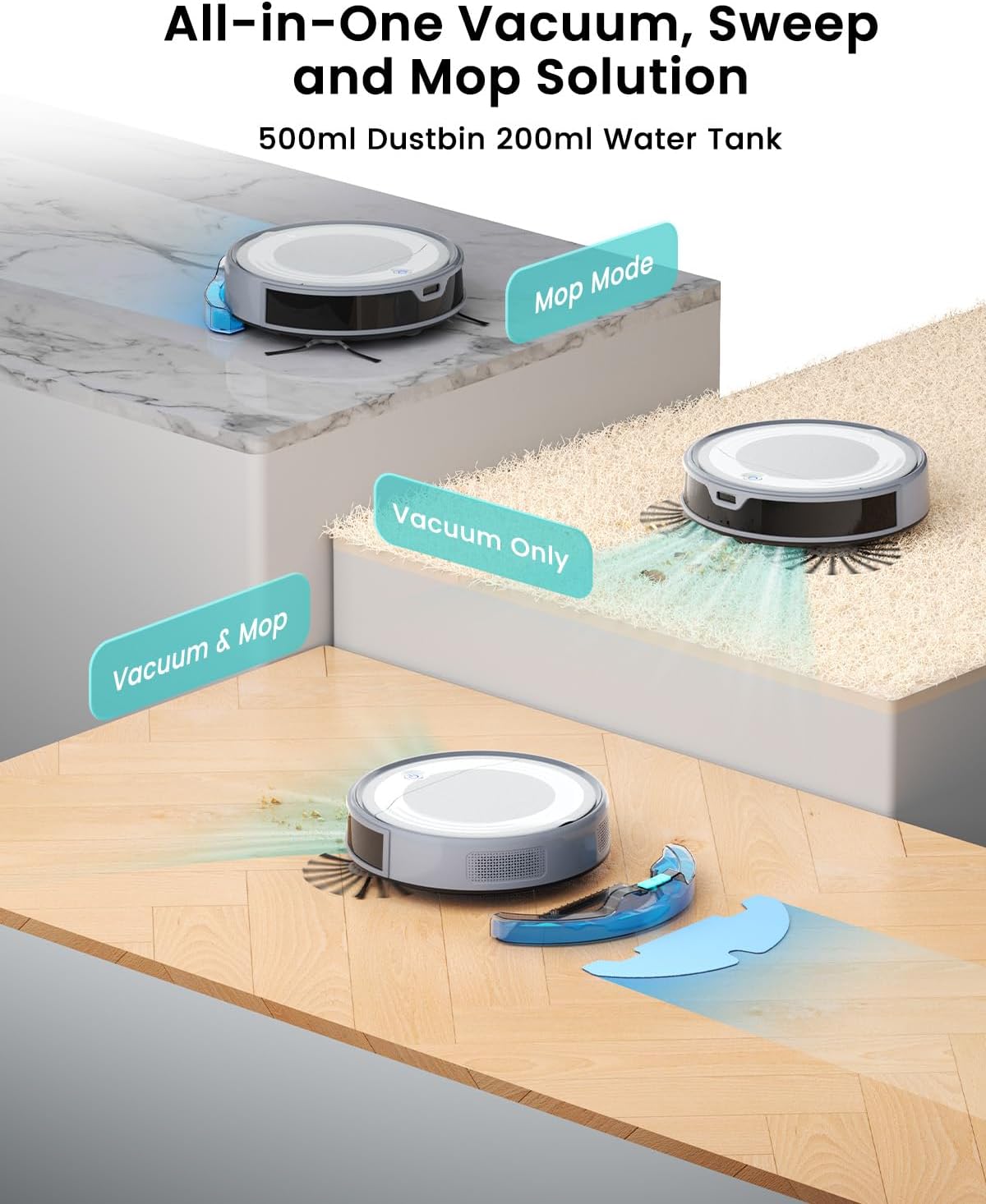
When you weigh a cheap robot vacuum against a mid range rival, start by listing non negotiable needs. If you want a vacuum mop that can handle regular mopping performance on kitchen tiles, you may accept slightly weaker suction on carpets in exchange for a larger water tank. Households with mostly hard floors can often choose simpler robotic vacuums that skip deep carpet cleaning but excel at daily dust pickup and quiet operation.
Mid tier models from brands like Shark, Eufy, and iRobot Roomba usually add stronger obstacle avoidance and more refined app control, yet their core cleaning performance sometimes matches the best cheap robot vacuum options. A well tuned Eufy RoboVac 11S or a compact Roomba Combo i5 can deliver impressive mopping and vacuuming in small flats, especially when you run them several minutes per room each day. For a concrete example of what higher suction and long battery life look like in practice, examine this detailed test of a powerful robot vacuum and mop with extended runtime, such as the Roborock Q5+ or Ecovacs Deebot N10 Plus, which pair robust suction with long lasting batteries.
Auto empty docks, lidar navigation, and multi floor mapping usually appear first in pricier robotic vacuums, but some affordable vacuums now borrow these features in simplified form. If you hate emptying bins, a basic auto empty station can be worth more than marginally better suction, especially when you vacuum daily. Shoppers who rarely mop may skip water tanks entirely and invest instead in a robot vacuum with stronger carpet performance and longer battery life, such as the Roomba 694 or Shark ION RV765.
Navigation, mapping, and virtual control on a tight budget
Navigation technology defines how intelligently a robot vacuum moves, and cheap models vary widely here. Random bump and turn vacuums can still clean small rooms, but they waste minutes and often miss corners, which frustrates busy owners. More capable budget robot vacuums use advanced navigation with gyroscopes or basic lidar navigation to create efficient paths and reduce repeated passes, which in turn preserves battery life.
Lidar navigation, which uses laser sensors to scan rooms, appears in some mid priced robot vacuums and a few aggressive budget models, giving them near premium mapping accuracy. With a clear map in the app, you can draw virtual barriers to block off play areas, pet bowls, or delicate rugs that you do not want the vacuum mop to cross during mopping. This virtual control turns a simple robot into a targeted cleaning tool, especially when combined with room based scheduling and adjustable suction levels that let you boost power on carpets while keeping noise lower on hard floors.
Obstacle avoidance also benefits from better mapping, because the robot can slow near known chair legs or tight passages. While cheap vacuums rarely match the obstacle avoidance of flagship iRobot Roomba or Shark robots, they can still reduce collisions and protect furniture edges. Look for models that mention 3D sensors or structured light, since these technologies help robotic vacuums recognise cables, shoes, and even low lying pet toys, and check product manuals or manufacturer specifications for confirmation.
Real world cleaning tests: pet hair, hard floors, and daily mess
Laboratory numbers mean little if a cheap robot vacuum fails on pet hair or kitchen crumbs. In real homes, the best cheap robot vacuum must handle mixed debris, from fine dust on hard floors to heavier cereal pieces on rugs. Short bristle brushes and strong edge sweepers help vacuums pull dirt away from skirting boards and furniture legs, while a well sealed dustbin keeps fine particles from leaking back into the room.
Pet owners should prioritise a robot vacuum with rubber rollers or combs that resist hair wrapping, because constant manual cutting quickly erodes the appeal of robotic vacuums. Models marketed for pet hair usually combine higher suction with redesigned brush housings that keep fur moving toward the bin instead of tangling. When you add a mop module, check that the mopping performance does not suffer from hair buildup on the pad, and that the vacuum mop can still glide smoothly over hard floors without dragging or leaving damp patches.
Battery life again plays a role in cleaning performance, since a robot that stops mid run leaves visible dirt lines. Aim for at least 90 minutes of runtime on standard suction, which suits most flats and small houses, and verify claimed runtimes in independent tests where possible. If you live in a larger home, consider a robot vacuum that supports recharge and resume, allowing it to top up the battery and continue cleaning without manual restarts or repeated setup.
When cheap robots include premium touches like auto empty bases
Some of the most compelling cheap robot vacuums now borrow features once reserved for luxury models, especially auto empty docks. An auto empty base lets the robot vacuum transfer dust from its small onboard bin into a larger bag, reducing manual emptying to once every few weeks. For allergy sensitive users, this design keeps fine particles sealed and limits exposure during cleaning, particularly when combined with HEPA grade filters.
While not every budget robot includes auto empty hardware, a few models pair modest suction with surprisingly capable self emptying systems. These vacuums best serve busy households that run cleaning cycles several minutes per room each day and cannot constantly monitor full bins. For a detailed look at a robot vacuum and mop with a long duration self emptying and self cleaning base plus 3D lidar navigation, you can review this in depth test of an advanced robot vacuum and mop station, such as the Roborock Q Revo or Ecovacs Deebot T10 Plus, which illustrate how premium style docks are filtering down into more affordable price brackets.
Voice control through platforms like Amazon Alexa or Google Assistant also appears on many cheap robot vacuums, letting you start or stop cleaning without opening the app. Combined with app control, this turns the robot into a background appliance that quietly maintains floors while you focus on other tasks. Even if you rarely use voice commands, their presence usually signals a more mature software platform and better long term support, including firmware updates that can refine navigation and mapping.
How to choose the right cheap robot vacuum for your lifestyle
Start your shortlist by matching robot vacuum features to your home layout and daily routines. Small apartments with mostly hard floors often benefit from compact vacuums with strong edge cleaning and reliable mopping, rather than from maximum suction. Larger homes with mixed flooring may need a vacuum mop that balances carpet performance, long battery life, and robust obstacle avoidance, especially if you have multiple pets or children.
Brand reputation still matters, especially for app stability and spare parts, so consider established names like Eufy, Shark, and iRobot Roomba when comparing the best cheap robot vacuum candidates. An Eufy RoboVac 11S might offer quieter operation and gentle navigation, while a Roomba Combo i5 could prioritise aggressive pickup on rugs and better pet hair handling. Look for clear warranty terms, accessible customer support, and frequent app updates, because robotic vacuums rely heavily on software for mapping, virtual barriers, and cleaning schedules, and reputable brands usually publish maintenance schedules and replacement part availability.
Finally, decide where to invest and where to compromise, since no cheap robot excels at everything. If you hate manual mopping, prioritise mopping performance and a well designed water tank over marginally higher suction. If you mainly want a maintenance tool between deep cleans with a traditional vacuum, choose the best robot that fits your budget and runs reliably several minutes each day without constant intervention, and keep a corded or cordless vacuum on hand for occasional deep cleaning of thick carpets or stairs.
Key figures on cheap robot vacuums and cleaning performance
- Independent lab tests from organisations such as Consumer Reports and Wirecutter indicate that many budget robot vacuums now remove roughly 80 to 90 percent of surface debris on hard floors in a single pass, which approaches the performance of some mid range upright vacuums; you can verify current scores and test protocols directly on those publications’ websites.
- Typical battery life for affordable robotic vacuums ranges from about 80 to 120 minutes on standard suction, which is sufficient to clean approximately 60 to 90 square metres of mixed flooring before needing a recharge, based on manufacturer mapping data and corroborating measurements in major review outlets.
- Market research from firms like Statista and GfK has reported that robot vacuums priced under the mid range threshold account for a substantial share of global unit sales, often more than half in recent years, reflecting strong consumer demand for the best cheap robot vacuum options rather than premium flagships; exact percentages vary by region and year, so consult the latest published reports for precise figures.
- Surveys of pet owners conducted by major brands such as iRobot and Shark suggest that many respondents run their robot vacuum several times per week, highlighting how frequent automated cleaning can significantly reduce visible pet hair on hard floors and low pile carpets; individual survey percentages differ by study and are usually available in brand press releases or methodology notes.
- Usage data shared by leading app connected robot vacuum manufacturers indicates that homes using app control and scheduled cleaning often log noticeably more total cleaning minutes per week compared with households that rely only on manual start buttons, a trend summarised in anonymised user statistics and white papers released by those companies.