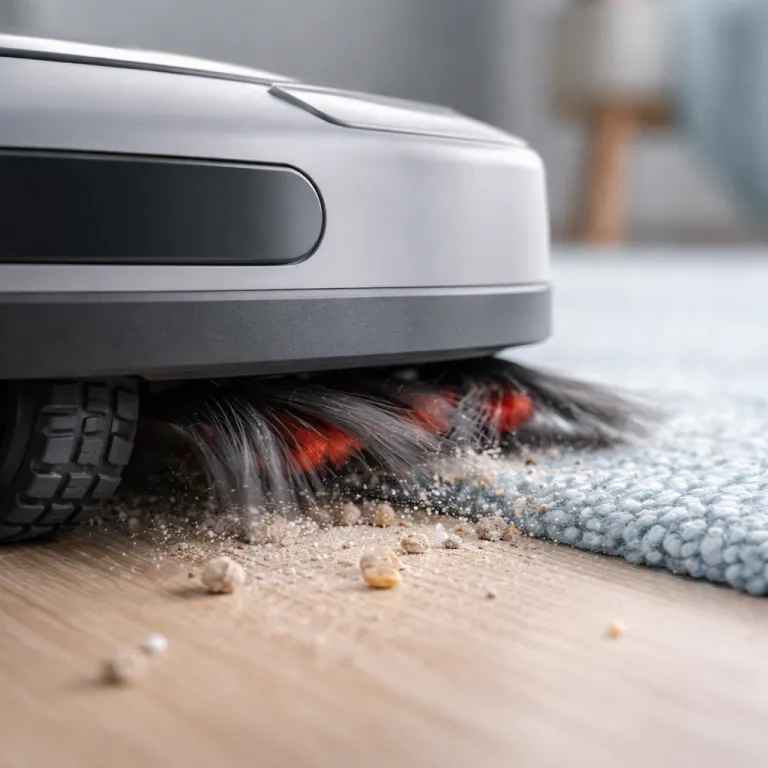
Why robot vacuum cleaners matter for everyday homes
Robot vacuum cleaners have moved from novelty gadgets to serious cleaning tools. A modern robot with strong suction and a smart roller can now handle daily dust and crumbs, even in busy family apartments. When a robot vacuum quietly cleans under sofas and beds, it tackles hidden dirt that traditional vacuums often miss.
People often compare a Roomba robot vacuum with a Roborock robot vacuum when choosing their first device. Both brands offer powerful suction and careful navigation, yet each model and design targets slightly different homes and floor types. Understanding how a robot vacuum cleans, empties its dustbin, and manages battery life helps you avoid paying for features you will never use.
Many buyers search Amazon for the top pick and best price, but ratings alone can mislead. A robot vacuum with impressive suction power on paper may struggle if its side brush, tangle brush, or anti tangle system is poorly engineered. Look closely at how the robot vacuums handle pet hair, wet dry messes, and complex room layouts before you buy.
Today’s robot vacuum cleaners often include an app that maps rooms and schedules cleaning. This app control lets you send the robot for quick dry cleaning in the kitchen or a deeper vacuum mop session in the hallway. Over time, the robot learns traffic patterns and cleans high use zones more frequently, which improves hygiene without extra effort from you.
Key technologies that separate basic robots from advanced models
The gap between an entry level robot vacuum and a premium robot vacuum can be dramatic. Basic robot vacuums often rely on random navigation, while advanced models like some Roborock and Roomba units use laser or camera guidance. This smarter navigation reduces missed spots and prevents repeated strokes over already clean areas.
When comparing a Roomba model with a Roborock model, examine suction power, roller design, and dustbin capacity together. A compact dustbin that empties dustbin contents into a base station can be more practical than a larger onboard bin that you forget to empty. Some premium stations even support partial wet dry maintenance for the vacuum mop pads, which keeps cleaning performance consistent.
Hybrid devices such as a vacuum mop robot combine strong suction with controlled water flow. Systems like Roborock Qrevo or Pro Omni stations can wash and dry mop pads, while the robot cleans carpets using a separate stroke pattern. If you want a more characterful companion alongside cleaning tech, a separate device like the one reviewed in this detailed robot companion analysis can complement, rather than replace, your cleaning robot.
Ecovacs Deebot models and Deebot Pro variants focus heavily on obstacle avoidance and app based control. Their side brush and anti tangle roller systems aim to reduce hair wrapping, which is crucial for pet owners. Meanwhile, Dyson Spot and similar targeted cleaning features allow a robot to perform spot scrub routines on stubborn stains without wasting battery on already clean areas.
Understanding suction, rollers, and real cleaning performance
Marketing often highlights suction power in pascals, yet real cleaning depends on more than raw numbers. The way a robot vacuum channels airflow through its roller, side brush, and dustbin determines how effectively it lifts debris. A robot with moderate suction but excellent roller design can outperform a louder machine with poorly sealed air paths.
Look for robot vacuum cleaners that balance strong suction with efficient battery use. Continuous maximum suction may shorten battery life and reduce how many rooms the robot cleans in one run. Many robot vacuums now adjust suction power automatically when they detect carpets, increasing stroke intensity only where it matters.
Anti tangle systems on the main roller and tangle brush are essential for homes with long hair or pets. When hair wraps around the roller, suction drops and the robot may drag debris instead of lifting it into the dustbin. Models from Roborock, Roomba, and Ecovacs Deebot increasingly use rubber rollers and combs that limit tangles and simplify maintenance.
If you are considering a vacuum mop robot, examine how it separates wet dry zones. Some devices, including Roborock Qrevo and Pro Omni style docks, lift the mop when crossing carpets, while others rely on virtual no mop zones in the app. For deeper insight into how self maintenance affects performance, this guide on the benefits of a self cleaning tank explains why automated rinsing can keep spot scrub functions effective.
Navigation, mapping, and how robots learn your home
Navigation is where robot vacuum cleaners either feel magical or frustrating. A capable robot vacuum builds a precise map, plans efficient paths, and returns to missed zones after recharging its battery. In contrast, basic robot vacuums may bump randomly, repeat strokes, and leave visible uncleaned strips along walls.
High end models from Roborock, Roomba, and Ecovacs Deebot use LiDAR or structured light sensors to learn room shapes. Over time, the robot cleans more intelligently, adjusting suction power and roller speed based on floor type. Features like Dyson Spot style targeted cleaning or spot scrub modes let you send the robot to a specific spill without redoing the entire home.
The app is central to this learning process, because it stores maps, room labels, and cleaning preferences. You can set the robot vacuum to perform dry cleaning in bedrooms while using vacuum mop functions only in tiled areas. Some apps even allow multiple maps, so one robot cleans several floors or a main home and a holiday apartment.
When you buy a new model, check whether it supports no go lines, furniture recognition, and detailed cleaning history. These tools help you understand where the robot vacuums struggle and where strong suction or extra passes are needed. Resources like this expert guide to the best robot vacuum for real homes can clarify which navigation systems match your layout and expectations.
Choosing the right robot vacuum for your lifestyle and budget
Selecting the best robot vacuum cleaners starts with an honest look at your floors. Large homes with mixed carpets and hard floors benefit from strong suction, long battery life, and a generous dustbin or a base that empties dustbin contents automatically. Smaller apartments may prioritize quiet operation, compact design, and a reliable app over maximum suction power.
Roomba, Roborock, and Ecovacs Deebot each offer a wide range of model options. Entry level robot vacuums focus on basic dry cleaning, while midrange devices add vacuum mop features and better navigation. Flagship systems such as Roborock Qrevo or Pro Omni style bundles integrate wet dry maintenance, spot scrub modes, and sophisticated anti tangle rollers.
When browsing Amazon or specialist retailers to buy a robot, look beyond “top” and “best” labels. Check how the side brush, tangle brush, and roller are built, and whether replacement parts are easy to obtain. A robot vacuum that cleans well today but uses rare consumables may become expensive or impractical within a few years.
Some users want to learn Roborock ecosystems in depth, while others prefer the simplicity of a single button Roomba robot vacuum. Think about who will use the app, how often you will adjust schedules, and whether family members will trigger Dyson Spot style targeted cleans. Matching the robot’s complexity to your household’s patience often matters as much as raw cleaning specifications.
Maintenance, longevity, and what to expect after you buy
Even the best robot vacuum cleaners need regular care to maintain performance. Empty the dustbin frequently unless your model empties dustbin contents into a dock, and check the roller and side brush for wrapped hair. Ignoring these tasks can reduce suction power, strain the battery, and shorten the robot’s useful life.
Plan to replace filters, side brushes, and the main tangle brush or roller according to the manufacturer’s schedule. Wet dry vacuum mop systems also require pad washing and occasional disinfecting, especially if you use spot scrub modes on kitchen spills. Some Pro Omni style docks automate part of this work, but you still need to monitor water tanks and keep sensors clean.
Battery health is another critical factor, because a tired battery means fewer rooms cleaned per charge. Many robot vacuums manage charging intelligently, topping up only as needed to preserve long term capacity. If your robot suddenly cleans less area or fails to complete its usual stroke pattern, a worn battery or clogged airflow path may be responsible.
Brands like Roborock, Roomba, Ecovacs Deebot, and Dyson Spot oriented systems increasingly design robots for easier home servicing. Screws are accessible, rollers pop out quickly, and apps may remind you when maintenance is due. By treating your robot vacuum as an appliance rather than a disposable gadget, you protect your investment and keep daily cleaning almost effortless.
Common questions about robot vacuum cleaners
No faq_people_also_ask data was provided in the dataset, so tailored FAQs from that source cannot be listed. Below are general answers to frequent questions from people seeking information about robot vacuum cleaners.
Are robot vacuum cleaners effective on both carpets and hard floors ?
Most modern robot vacuum cleaners handle mixed flooring well, adjusting suction power automatically. Look for models with strong suction, a quality roller, and a side brush that reaches edges. Hybrid vacuum mop robots should lift or avoid mopping carpets to prevent damp patches.
How often should a robot vacuum run in a typical home ?
For busy households with pets or children, daily runs keep dust and crumbs under control. Smaller or less active homes may only need the robot vacuum to clean every second day. You can schedule different frequencies per room in the app, focusing more on kitchens and hallways.
Do robot vacuums replace traditional upright or canister vacuums ?
Robot vacuum cleaners greatly reduce routine cleaning but rarely eliminate it entirely. You may still need an upright or canister vacuum for deep cleaning carpets or stairs a few times per year. However, a capable robot vacuum keeps surfaces much cleaner between those occasional manual sessions.
What maintenance does a robot vacuum require over time ?
Regular tasks include emptying the dustbin, cleaning the roller, and checking the side brush. Periodically replace filters, brushes, and eventually the battery to maintain strong suction and reliable navigation. Wet dry vacuum mop systems also need pad washing and tank cleaning to avoid odors.
Is it safe to leave a robot vacuum running when nobody is home ?
Most people safely run robot vacuum cleaners while away, especially with modern obstacle detection. Ensure cables, delicate objects, and small toys are removed to prevent jams or damage. Using the app, you can monitor cleaning progress and stop the robot remotely if needed.