

Why a robot cleaner for pet hair changes daily cleaning
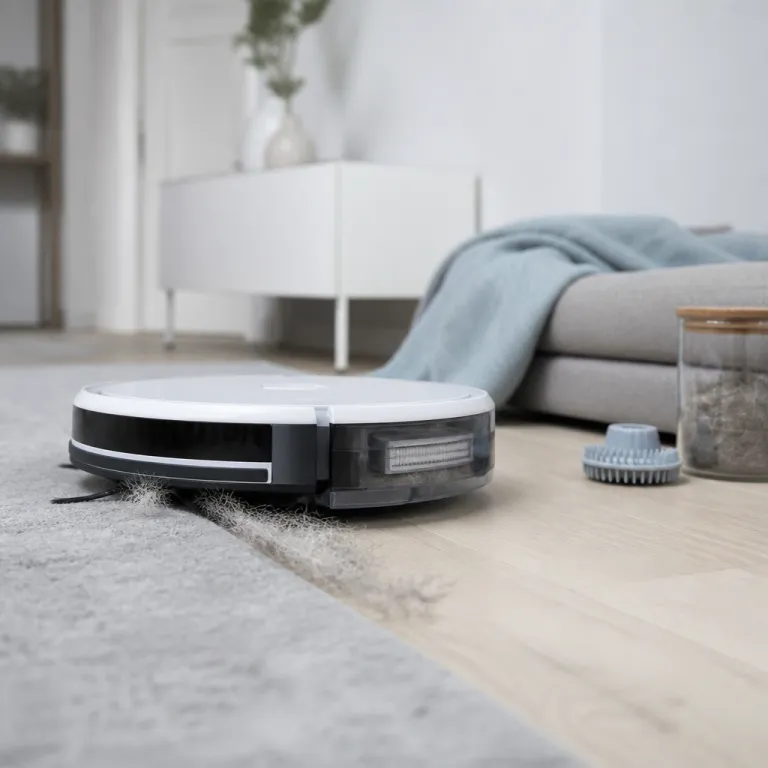
A robot cleaner for pet hair turns constant shedding into a manageable routine. For any pet owner who battles fur on carpets and hard floors, the right robot vacuum with strong suction power and a reliable brush design will feel like an invisible cleaning assistant. When you choose carefully, these smart robot vacuums can run while you work, sleep, or play with your pet, keeping floors consistently cleaner with less effort.
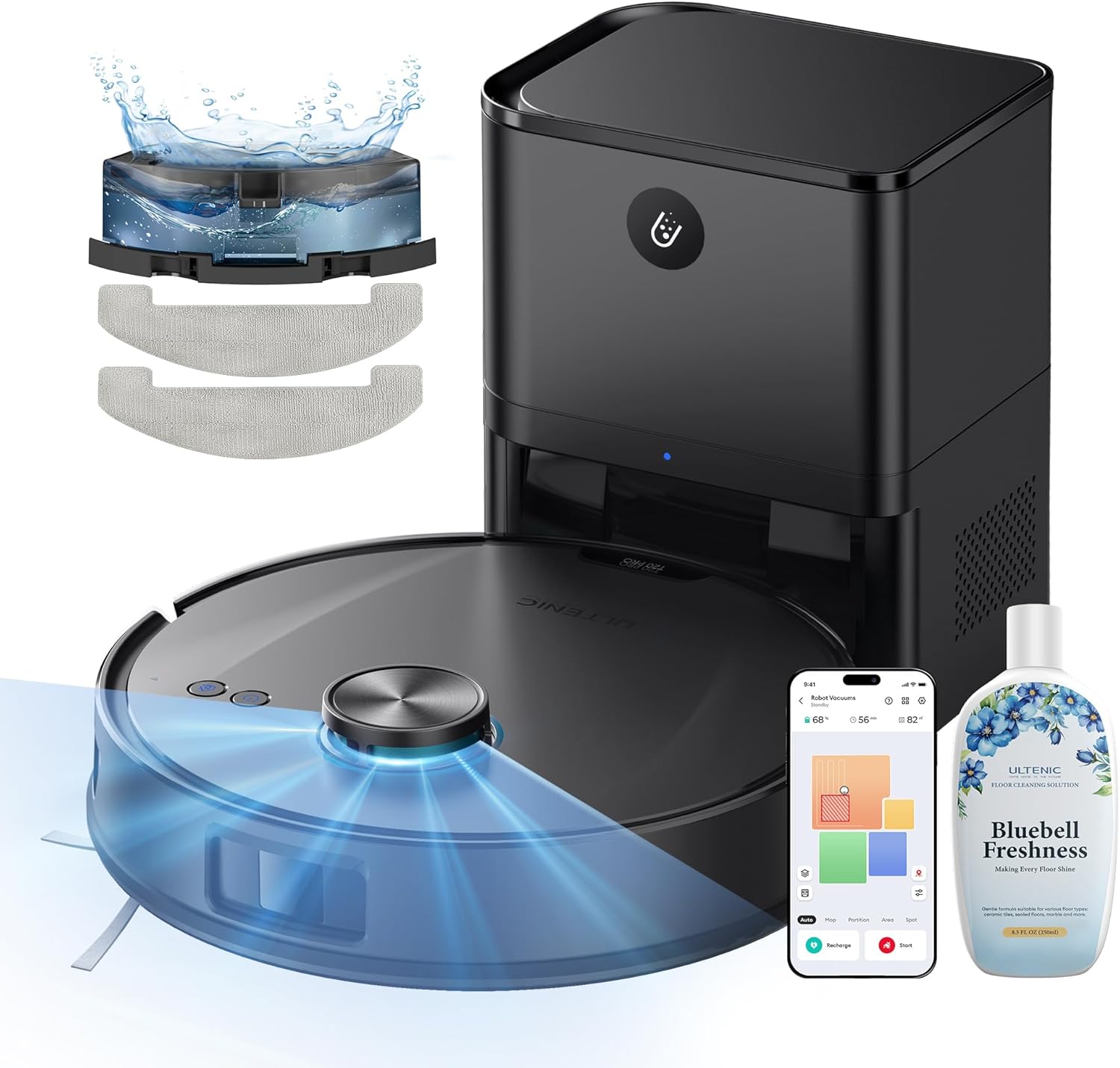
The best robot cleaner for pet hair combines a powerful vacuum and a controlled mop in one compact machine, so it can handle dry hair pickup and light mopping in a single pass. Modern robot vacuums use smart navigation and obstacle avoidance to move around bowls, toys, and even unexpected pet waste, which protects both the robot and your floors from messy accidents. When you compare vacuums designed for homes with animals, focus on how well each robot vacuum handles hair, how effectively it cleans edges, and how simple it is to maintain the brush roll and filters over time.
Many pet owners underestimate how much hair and dander a small pet can shed, so they often buy a basic vacuum that lacks the suction power and filtration needed for meaningful allergy relief. A dedicated vacuum pet model, especially a vacuum mop that can also tackle dried paw prints, reduces airborne particles and keeps surfaces visibly cleaner between deep cleans. If you share your home with multiple pets, investing in a robot with long battery life and a large dustbin will save you time, energy, and frustration every single week.

Key features that matter for pet hair and allergies
For a robot cleaner for pet hair, filtration is just as critical as suction. Look for robot vacuums with sealed HEPA or high efficiency filters, because these systems trap fine dander and dust that a standard vacuum might blow back into the room while cleaning. In multi pet homes, this filtration difference can decide whether your robot vacuum simply redistributes allergens or genuinely helps improve perceived air quality for sensitive pet owners.
Brush design shapes how well a robot will remove hair from different surfaces, so examine the main brush roll closely before you buy. A rubber brush roll or dual rubber brushes on a robot vacuum reduce tangles compared with traditional bristle brushes, which is vital for long hair pickup on carpets and rugs. Side brushes help pull pet hair away from baseboards and corners, but the main brush and suction power still do most of the work on thick carpets and textured floors.
Navigation technology also matters when you choose the best robot for allergy friendly homes, because precise mapping lets the robot avoid repeated collisions and missed zones. Advanced obstacle avoidance uses cameras or LiDAR sensors to recognize cables, shoes, and even small pet toys, which keeps the vacuum mop from dragging clutter across the room. If you want deeper guidance on sealed filtration and multi cat setups, read about the filtration gap most buyers miss in multi cat homes, then compare those insights with the specifications of your shortlisted robot vacuums.
Comparing leading brands for pet hair: roborock, tapo and others
When you evaluate a robot cleaner for pet hair, specific product families stand out for consistent performance in independent tests and user reviews. The roborock range, including models like the roborock qrevo, focuses on strong suction power, long battery life, and advanced mopping systems with spinning mop pads that press firmly on the floor. In contrast, the tapo series, including tapo max and other tapo robot vacuums, aims to deliver smart features and solid everyday cleaning at a more accessible price point for many pet owners.
Roborock qrevo models typically combine a high power vacuum with an active mop, so they can vacuum pet hair and then perform controlled mopping without soaking carpets. Their obstacle avoidance is tuned to recognize common household clutter, which helps the robot vacuum steer around pet bowls and scattered toys while it cleans in straight, efficient lines. Many roborock vacuums also include automatic brush roll cleaning features and self emptying docks, which reduce how often you must handle dusty bins after heavy hair pickup.
Tapo max and other tapo robot options usually offer a vacuum mop combination with decent suction and app based smart control, which suits smaller apartments or first time robot buyers. These tapo vacuums may not match the ultra high suction power of premium roborock models, but they still provide reliable daily cleaning on hard floors and low pile carpets when scheduled correctly. For a detailed look at how a high suction, multi cyclone docked robot vacuum mop behaves in real homes with pets, examine this independent test of a robot vacuum and mop with self emptying docking station and compare its results with your own floor plan.
| Brand / model example | Typical suction range | Dustbin / dock capacity | Filter type | Rated runtime | Price segment |
|---|---|---|---|---|---|
| roborock qrevo series | High (often 5,000–7,000 Pa class) | Medium bin + optional self empty dock | High efficiency or HEPA style | Up to ~180 minutes on standard | Upper mid to premium |
| tapo max and similar | Moderate (around 2,000–4,000 Pa) | Smaller onboard bin, no dock or basic dock | High efficiency filter | Roughly 120–150 minutes | Budget to mid range |
| Other pet focused robots | Varies by model | Standard bin, some with bagged docks | Standard to HEPA grade | About 90–180 minutes | Entry to premium |
| Brand / model example | Measured suction (Pa) | Approx. bin / dock volume | Filter rating | Tested runtime (standard mode) | At-a-glance pros / cons |
|---|---|---|---|---|---|
| roborock qrevo series | Up to 7,000 Pa class in independent lab tests | ~350–400 ml bin, 2–3 L dock bags | High efficiency, HEPA style filtration | Roughly 150–180 minutes on mixed floors | Very strong pickup and advanced mopping, but higher price and larger dock footprint |
| tapo max and similar | Typically 2,000–4,000 Pa range | ~300 ml onboard bin, compact dock | High efficiency filter (non sealed) | About 120–140 minutes in real world use | Good value and simple app, but smaller bin and less power for deep carpets |
| Other pet focused robots | Approx. 2,500–6,000 Pa depending on model | 300–500 ml bins, 2–4 L dock bags | Standard to HEPA grade filters | Roughly 100–170 minutes on standard | Wide choice of prices and features, but performance and support vary by brand |
How mopping systems handle pet mess, stains and paw prints
A robot cleaner for pet hair that also includes a mop can reduce dried paw marks and light stains between manual scrubs. Vacuum first, then mop is the golden rule, and the best robot designs follow this by lifting mop pads when they cross carpets to keep them dry. When you evaluate vacuum mop systems, pay attention to how the robot controls water flow and how easily you can wash or replace the mop pads after heavy use.
Some ultra premium robot vacuums combine high suction power with rotating mop pads that apply downward pressure, which helps remove dried spills and light mud from tiles and vinyl. These mopping robots are not meant to handle fresh pet waste or large liquid accidents, and you should always remove such messes manually before you let the robot clean again. If a robot vacuum drives through pet waste, it can smear the mess across carpets and hard floors, contaminate the brush roll and mop pads, and require a deep disassembly cleaning that many users find unpleasant.
Look for smart features such as automatic mop pad washing and hot air drying in the dock, because these functions reduce odours and bacteria growth after repeated mopping in homes with pets. A robot vacuum with a well designed dock can rinse mop pads, refill the clean water tank, and empty the dustbin, which keeps the robot ready for the next scheduled cleaning cycle. When you compare vacuums best suited for mixed surfaces, check whether the robot will clean in Y shaped mopping patterns, because this motion improves coverage and helps lift stubborn marks left by active pet paws.
Real world performance: carpets, long hair and daily routines
In real homes, a robot cleaner for pet hair must handle a mix of carpets, rugs, and hard floors without constant babysitting. Short pile carpets are usually easy for most robot vacuums, but thick rugs and dark patterns can confuse basic cliff sensors and reduce cleaning coverage. High suction power, a height adjustable brush roll, and smart carpet detection help the best robot models maintain strong hair pickup without getting stuck.
Long human hair and long pet hair wrap quickly around cheap brushes, so choose a robot vacuum with rubber fins or segmented brush designs that simplify maintenance. Many pet owners schedule their vacuum mop to run once or twice per day in high traffic zones, then perform a quick manual brush cleaning every few days to keep performance stable. If you live with multiple pets, consider a robot with ultra long battery life and a large dustbin, because frequent auto returns to the dock for charging or emptying will interrupt cleaning and leave visible hair on carpets.
Smart mapping features let you set no go zones around delicate rugs or areas where cables and toys accumulate, which supports more reliable obstacle avoidance. Over time, the robot learns the layout and will clean in efficient rows, reducing missed spots and repeated passes that waste power. For mixed flooring homes, you can also explore whether a combined vacuum and mop such as the Dreame Z30 suits your layout by reading a detailed analysis of vacuum and mop combos for different floors and comparing those insights with your own expectations.
Data, apps and privacy when using smart robot vacuums
Every modern robot cleaner for pet hair is also a connected device that collects data about your home. Mapping, cleaning history, and even camera based obstacle avoidance rely on sensors that record room shapes, furniture positions, and sometimes images of the floor. Before you connect a robot vacuum to Wi Fi, read the brand’s privacy policy carefully and decide whether you agree to any terms that allow cloud storage of maps and cleaning logs.
Reputable brands such as roborock and tapo usually provide clear app settings to limit data sharing, disable remote camera viewing, or store maps only on the robot, which helps privacy conscious pet owners feel more comfortable. When you create an account, you may need to agree to terms that include marketing communications, but you can often opt out of receive email promotions while still using the core smart features. If you are concerned about cameras in living spaces, choose a robot vacuum that relies on LiDAR or infrared sensors for obstacle avoidance instead of front facing cameras, because these systems map rooms without capturing recognisable images.
App control remains valuable for scheduling cleaning, adjusting suction power, and switching between vacuum and mop modes from your phone. Many apps let you set room specific preferences, such as higher suction on carpets or extra passes in pet zones where hair pickup is most challenging. When you compare vacuums best suited for your privacy expectations, balance the convenience of smart features with your comfort level regarding data collection and long term storage.
Buying checklist for pet owners choosing a robot vacuum
A structured checklist makes choosing a robot cleaner for pet hair far easier. Start with floors and layout, because large multi level homes with thick carpets demand more suction power, better navigation, and longer battery life than compact apartments with mostly hard floors. Then match those needs to a shortlist of robot vacuums that combine a strong vacuum mop system, reliable obstacle avoidance, and easy maintenance for daily hair pickup.
Next, evaluate the cleaning hardware in detail, including the main brush roll, side brushes, and mop pads. Look for rubber or hybrid brush designs that resist tangles, wide air channels that support high suction, and mop pads that attach securely yet remove quickly for washing after contact with pet mess. If you have ever dealt with a robot that smeared pet waste across a room, you know why many pet owners now prioritise models that can recognise and avoid such hazards instead of blindly driving through them.
Finally, compare ownership experience factors such as noise level, spare part prices, and support policies before you decide which robot will clean your home for several years. Check how often filters, mop pads, and brushes need replacement, and whether the brand offers clear maintenance guides that help you keep suction power high. When you weigh all these elements together, you can confidently select the best robot vacuum pet solution for your household, rather than relying on vague claims about vacuums best suited for generic homes without pets.
Key figures about robot vacuums for pet hair and allergies
- Independent lab style tests from consumer organisations and specialist reviewers often show that dedicated pet focused robot vacuums remove a substantially higher share of visible surface pet hair from hard floors in a single pass than general purpose models without specialised brushes, especially when long hair is involved.
- Studies on indoor air quality and vacuum filtration indicate that using a vacuum with a sealed HEPA or high efficiency filter can significantly reduce airborne fine particles in living areas over several weeks, which is important for allergy sensitive pet owners who rely on regular automated cleaning. Exact percentages vary by study design, home layout, and cleaning frequency.
- Market analyses of the floor care segment report that robot vacuums with self emptying docks now account for a large share of new premium sales, driven in part by pet households that generate higher volumes of hair and dust and therefore benefit most from automated bin emptying.
- Battery life improvements mean that many mid range robot vacuums can now run for roughly 120–180 minutes per charge on standard suction, allowing them to cover around 120–180 square metres of mixed flooring in typical homes before returning to the dock.
- Consumer surveys consistently show that many buyers who own both a traditional upright vacuum and a robot vacuum use the robot several times per week for maintenance cleaning, while reserving the upright for occasional deep cleaning of stairs, upholstery, and thick carpets.
FAQ about robot cleaners for pet hair
Are robot vacuums really effective for heavy pet shedding
Specialised robot vacuums for pet hair are effective when they combine strong suction power, tangle resistant brush designs, and sealed filtration. They handle daily surface hair pickup on hard floors and low to medium pile carpets very well. You may still need a traditional vacuum for occasional deep cleaning of thick rugs and upholstery.
Can a robot vacuum replace my regular vacuum in a pet home
For many pet owners, a robot cleaner for pet hair replaces most routine vacuuming but not every task. The robot manages everyday hair and dust on open floors, while a manual vacuum remains useful for stairs, furniture, and tight corners. Think of the robot as an automatic maintenance tool rather than a complete replacement.
How often should I run a robot vacuum with pets in the house
In homes with one pet, running a robot vacuum once per day in main living areas usually keeps hair under control. Multi pet households often benefit from two shorter cleaning runs per day, especially during peak shedding seasons. Frequent schedules also reduce the amount of hair that can tangle around the brush roll.
What features matter most for allergy sufferers with pets
Allergy sensitive users should prioritise sealed HEPA or high efficiency filters, strong suction power, and a design that minimises dust exposure during bin emptying. Self emptying docks and disposable dust bags help keep allergens contained. Consistent daily cleaning also reduces the overall level of dander and fine dust in the home.
Is a robot vacuum safe to use around nervous or curious pets
Most pets adapt to a robot cleaner for pet hair after a short adjustment period, especially when the robot runs on predictable schedules. Choose a quieter model and start with shorter cleaning sessions while you supervise interactions. Good obstacle avoidance and gentle bumpers help the robot move safely around curious animals without causing stress.