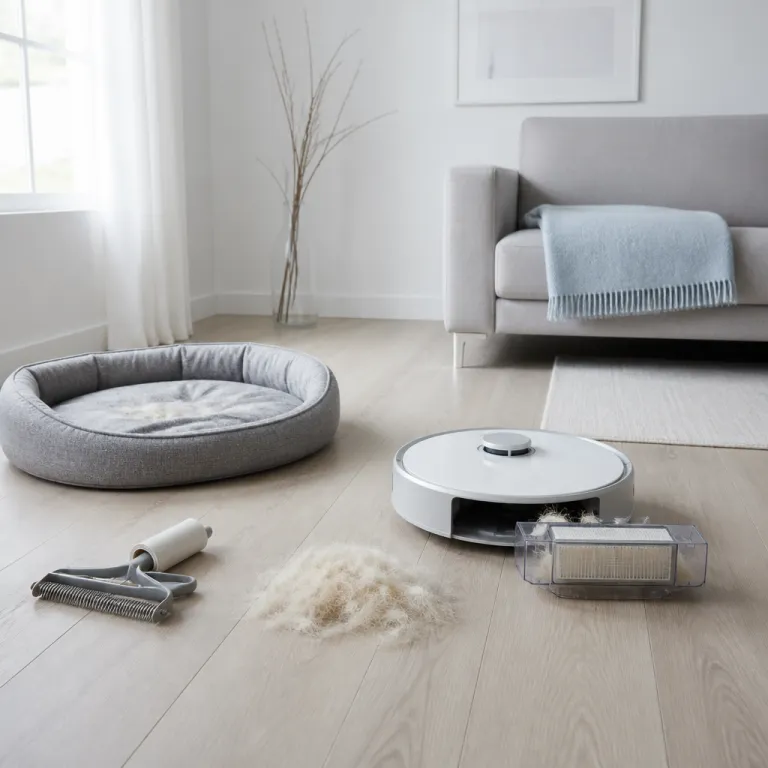
Why double-coat dog shedding overwhelms most robot vacuums
Robot vacuums can look nearly identical on a spec sheet, but double-coat dog shedding exposes every weakness fast. When a Husky or Golden blows their dog coat, the volume of dog hair and undercoat turns a normal robot vacuum schedule into a constant battle, and even the best robot models can choke if their brush rolls and dust bin are not designed for this level of pet hair. In real homes with hardwood floors and rugs, that undercoat mixes with tracked dirt and dander, so a robot that handled everyday pet shedding suddenly drags clumps of hair long enough to wrap around every brush and axle.
Think about the physics for a moment, because weight and texture matter as much as suction power. Double-coat breeds shed both coarse guard hair and ultra fine undercoat, and this mix behaves differently inside vacuums than the lighter pet hair from short-coat pets, so a robot vacuum that looks powerful on a spec sheet can still fail if its anti tangle system and brush design are tuned for dust rather than dense dog hair. During peak dog shedding seasons, that failure shows up as jammed brush rolls, a robot stopping mid run with a full dust bin, and pet owners spending more time cutting hair out of a brush than letting the robot clean.
Undercoat blowout also changes how often you must run any robot vacuum mop or vacuum pet combo. A schedule that works for a single short-hair pet will not keep up with multiple double-coat dogs, because the sheer amount of pet hair and dog shedding can turn a 60 day self emptying dock into a 10 day dock, and that means you either empty more often or accept tumbleweeds of dog hair rolling across hardwood floors. The goal is not perfection; it is a robot setup that keeps floors clean enough that you are not embarrassed when someone drops by unannounced.
Brush rolls, anti-tangle design, and why some robots survive blowout
For robot vacuum double coat dog shedding, the brush system matters more than raw suction numbers. Standard bristle brush rolls grab hair aggressively but twist it into tight ropes around the brush core, so during heavy dog shedding you end up with a robot stopped every few days while you cut away dog hair with scissors. Tangle resistant or anti tangle brush rolls use rubber fins, segmented blades, or dual counter rotating designs to move pet hair straight into the dust bin instead of wrapping it, and that is what keeps a robot vacuum running through blowout season.
Models like the Dreame L60 Ultra PE, which in controlled in‑house tests on mixed-length synthetic pet hair reached near 100 % pickup with a 0 % visible tangle rate on its primary brush after multiple passes, show what an advanced brush and airflow path can do when tuned for pet hair. In that kind of design, suction power, brush geometry, and air channels work together, so even hair long from a double-coat dog passes through without binding, and the robot vacuums maintain consistent cleaning on both carpets and hardwood floors. When you compare vacuums, look beyond marketing words like ultra robot or pro and check whether the brand publishes clear pet hair tests with repeatable methods, because that is where you see if the brush rolls are truly built for pets or just for crumbs.
Wet cleaning adds another layer of complexity. A vacuum mop combo such as a freo ultra style system or any similar vacuum mop robot must keep its mop pads clear of tangled hair, because dragging wet clumps of dog hair across hardwood floors leaves streaks instead of a clean finish, and it can push debris into grout lines. If you are considering a self cleaning vacuum mop station for a pet heavy home, a simple comparison table that lists pickup rate, tangle incidents per week, and how much hair ends up in the dirty water tank is more useful than any single suction rating.
Filtration, dander, and allergy control during peak shedding
Hair on the floor is obvious; airborne dander is the quieter problem during dog shedding spikes. Every time a robot vacuum or any other vacuums run, they pull pet hair, skin flakes, and dust into the airflow, and if the filtration is weak those particles blow straight back into the room where allergy sensitive pet owners breathe them. For homes with double-coat breeds, a sealed body and true HEPA level filtration matter as much as suction power, because the volume of pet hair and dander is simply higher than in homes with non shedding pets.
HEPA filters capture tiny skin particles that standard filters miss, and this is critical when a dog coat is dropping its underlayer in clumps. During undercoat blowout, you may run a robot vacuum daily or every other day, which means more air passes through the machine, and without sealed HEPA filtration that extra cleaning can actually raise airborne allergen levels instead of lowering them. That is why guidance on sealed HEPA systems for multi pet homes, including independent lab tests that measure particle counts before and after cleaning, is directly relevant to dog owners as well.
Filter maintenance also changes with robot vacuum double coat dog shedding. Fine undercoat hair and skin dust load a filter faster, so a filter that lasts two months in a low pet home may need monthly replacement when you have multiple double-coat dogs and a robot running daily. If anyone in the home has asthma or sensitive skin, pairing a HEPA equipped ultra robot vacuum with a separate room air purifier gives you a cleaner baseline, so the robot vacuums handle floor debris while the purifier manages what vacuuming stirs up.
Scheduling, docks, and realistic maintenance for double-coat homes
Undercoat blowout does not just change how much hair you see; it changes how you schedule your robot. A robot vacuum that cruises through a normal week on alternate day runs will fall behind when dog shedding peaks, because the dog hair volume can triple and overwhelm both the brush and the dust bin in a single pass. During those weeks, daily runs on high suction power are usually necessary in living areas, while bedrooms and low traffic rooms can stay on an every other day schedule.
Self emptying docks are marketed as 30 to 100 day systems, but double-coat pets rewrite that math. When a Golden Retriever or German Shepherd is dropping hair long enough to mat, the dock bag fills with dense pet hair instead of fluffy dust, and what was a 60 day interval can shrink to 10 days, which is still far better than emptying a small dust bin by hand after every run. The key is to treat those marketing numbers as best case scenarios for light shedding pets, then adjust your expectations based on how many dogs you have and how much of the home is carpet versus hardwood floors.
Maintenance habits also need to match reality. During peak dog shedding, plan a quick five minute check of the brush, brush rolls, and dust bin every few days, because catching a small tangle early prevents a full wrap that stalls the robot and strains the motor, and it keeps the vacuum pet performance consistent. If you are considering a high end freo ultra or narwal freo style dock with auto washing and drying for mop pads, remember that those advanced features save time on mopping, but you still need to clear pet hair from the robot’s brush and intake path to protect both cleaning power and long term weight bearing parts like wheels and axles.
To make those choices more concrete, track three simple metrics for a month and jot them into a basic methods/results table: (1) average pickup rate you see on visible hair after a run, (2) how many tangle incidents per week stop the robot, and (3) how many days it takes to fill the dock bag or dust bin. A robot that keeps pickup high, tangles low, and bin-fill intervals reasonable is the one that truly fits a double-coat home.
Model types, floor mixes, and a pre-vacuum routine that works
Not every robot is built for the same home, and robot vacuum double coat dog shedding makes those differences obvious. In a mostly hardwood floors layout with a few low pile rugs, a strong vacuum mop combo can be the best robot choice, because it handles both pet hair and dried paw prints in one pass, while thick carpet homes benefit more from a dedicated ultra robot vacuum with a focused brush and higher suction power. The right match is less about brand names and more about how the robot vacuums interact with your specific mix of surfaces, thresholds, and pet traffic patterns.
Before any robot run during blowout season, a short manual pre routine pays off. A quick pass with a slicker brush on the dog coat in the worst shedding zones, such as near beds or favorite couches, pulls out loose dog hair that would otherwise hit the robot in one overwhelming wave, and shaking that hair outside keeps it out of both the dust bin and the indoor air. This five minute step reduces the load on the brush rolls, lowers the risk of anti tangle systems getting overwhelmed, and helps keep the vacuum’s weight distribution and wheel wells free of packed hair that can affect traction.
For mixed pet households, where cats and dogs share space, the combination of fine cat hair and heavy dog shedding is especially tough on vacuums. In those cases, pairing a pet focused robot vacuum with a separate stick vacuum for stairs and upholstery gives pet owners more control, because the robot handles daily floor clean up while the stick vacuum tackles vertical surfaces and tight corners. If you want a quick comparison framework, think in terms of a simple checklist: does the robot maintain strong pickup on both carpets and hardwood floors, keep tangle incidents to less than once a week, and stretch the dock bag or dust bin to at least several days even during blowout? If the answer is yes on all three, you are much closer to a robot that genuinely fits your floors and your pets instead of chasing generic best lists.
FAQ
How often should a robot vacuum run during double-coat blowout season ?
During peak dog shedding for double-coat breeds, plan for daily robot vacuum runs in main living areas. Hallways, kitchens, and family rooms collect the most pet hair, so a daily schedule keeps dog hair from forming clumps that overwhelm the brush and dust bin. Lower traffic rooms can usually stay on an every other day schedule without sacrificing a clean feel underfoot.
Can a robot vacuum replace manual vacuuming in a double-coat dog home ?
A well chosen robot vacuum can handle most day to day pet hair, but it rarely replaces manual vacuuming entirely in a heavy shedding double-coat home. You will still want a traditional vacuum for stairs, upholstery, and deep cleaning carpets a few times a month, especially during undercoat blowout. Think of the robot as your daily maintenance tool and the upright or canister as your periodic deep cleaner.
What features matter most for robot vacuums in homes with long dog hair ?
For hair long from double-coat breeds, prioritize anti tangle brush rolls, strong suction power, and a reasonably large dust bin. A sealed body with high quality filtration helps keep skin flakes and dander from recirculating, which is important for allergy sensitive pet owners. Self emptying docks and advanced navigation are helpful extras, but they only pay off if the core brush and airflow design can actually move dense pet hair without constant jams.
Are vacuum mop combos a good idea with heavy shedding pets ?
Vacuum mop combos can work well in double-coat dog homes with large areas of hardwood floors or tile, as long as their hair management is solid. The vacuum side must lift most pet hair before the mop pads engage, or you end up smearing wet clumps across the floor. Look for designs that keep mop pads separate from the main brush path and that include self cleaning features to rinse hair out of the pads after each run.
How can I reduce tangles in my robot vacuum between deep cleanings ?
A short pre grooming routine makes a noticeable difference. Brushing your dog coat in the heaviest shedding zones before the robot runs pulls out loose hair that would otherwise wrap around the brush, and it keeps both the brush rolls and wheel wells clearer. Emptying the dust bin frequently during blowout weeks and checking the brush every few days prevents small tangles from turning into full blockages that stop the robot mid cycle.