
Understanding what an automatic floor scrubber does
How does an automatic floor scrubber work?
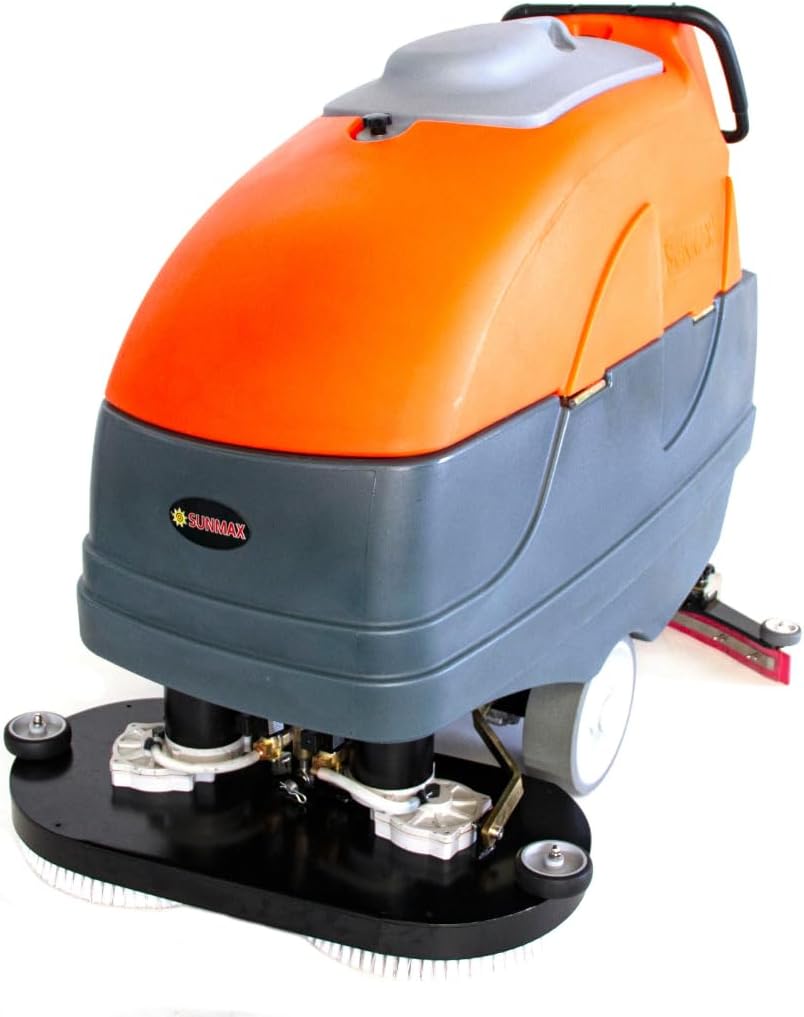
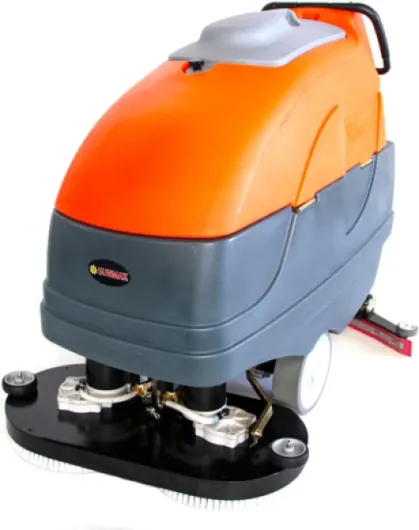
Automatic floor scrubbers are specialized machines designed to make floor cleaning more efficient and consistent. Unlike traditional mops or manual cleaning tools, these scrubbers use a combination of water, cleaning solution, and rotating scrubber brushes to deep clean a variety of floor surfaces. The process typically involves dispensing water and cleaning solution onto the floor, agitating dirt with the scrubber brush, and then vacuuming up the dirty water, leaving the floor cleaner and drier in less time.
What makes these machines stand out?
One of the main features of an automatic floor scrubber is its ability to cover large areas quickly, thanks to a wide cleaning path and powerful battery powered motors. Some models are walk-behind, while others are ride-on, offering flexibility depending on the size of the space and the level of cleaning required. Many scrubber floor machines now include real time data tracking, allowing users to monitor cleaning performance and battery life. Reviews often highlight the autonomous floor cleaning capabilities of newer robotic floor scrubbers, which can operate with minimal supervision, making them a smarter, more efficient choice for commercial and industrial environments.
Why choose an automatic floor scrubber?
Choosing an automatic floor scrubber can save significant time and labor costs, especially in large facilities. These machines are designed for efficient cleaning, reducing the need for repeated passes and manual effort. They also help maintain consistent floor care standards, which is crucial for safety and appearance. When considering price, it's important to weigh the long-term savings in labor and cleaning supplies against the initial investment. Battery powered and corded options are available, each with their own advantages depending on your cleaning routine and facility layout.
Key components and technology
Modern scrubber machines are equipped with advanced features such as adjustable scrubber brushes, variable water flow, and even video monitoring for quality assurance. The integration of autonomous and robotic cleaning technology means some scrubbers can map out the most efficient cleaning path, avoiding obstacles and optimizing battery usage. For a deeper dive into the essential components that make these machines effective, check out this guide on floor scrubber components.
What to expect from your cleaning routine
With the right automatic floor scrubber, you can expect a noticeable improvement in cleanliness, reduced cleaning time, and better floor care overall. Whether you choose a walk floor or ride floor model, or even a fully autonomous robot, these machines are built to handle tough cleaning jobs and deliver consistent results. As you explore features, price points, and reviews, keep in mind how each scrubber fits into your specific cleaning needs and facility requirements.

Key features to look for in an automatic floor scrubber
Essential Elements for Smarter, Efficient Cleaning
When evaluating an automatic floor scrubber, it’s important to focus on features that directly impact cleaning performance, ease of use, and long-term value. The right combination of features can make your floor care routine more efficient and less time-consuming, whether you’re cleaning a small office or a large warehouse.
- Cleaning Path and Scrubber Brush: The width of the cleaning path determines how much floor the machine can cover in one pass. A wider path means faster cleaning, but it’s also important to consider the type and quality of the scrubber brush. Some scrubbers offer interchangeable brushes for different floor types, ensuring thorough and gentle cleaning.
- Battery Powered vs. Power Cord: Battery powered floor scrubbers offer greater mobility and flexibility, especially in large or cluttered spaces. However, corded models can provide continuous power for extended cleaning sessions. Consider your space and cleaning needs when choosing between these options.
- Water and Solution Management: Look for machines with separate tanks for clean and dirty water. This ensures that only clean water is used on your floors, improving hygiene and cleaning results. Some advanced scrubbers also feature real time water level monitoring and automatic solution dispensing for consistent performance.
- Autonomous and Robotic Cleaning: Autonomous floor scrubbers and robotic floor cleaning machines are becoming more common. These models use sensors and data-driven navigation to clean floors with minimal human intervention, saving time and labor costs. Reviews often highlight the convenience and efficiency of these robots, especially in commercial settings.
- Ease of Use and Maintenance: Features like intuitive controls, easy-to-remove tanks, and simple brush replacement make daily operation and care much easier. Some scrubbers even provide video tutorials or app-based guidance for maintenance tasks.
- Battery Life and Charging: For battery powered models, check the run time and charging speed. A longer battery life means more area cleaned per session, while fast charging reduces downtime.
- Size and Maneuverability: Consider whether a walk floor or ride floor scrubber is best for your environment. Walk-behind models are ideal for tight spaces, while ride-on machines cover large areas quickly.
- Price and Value: Compare the price of different scrubbers, factoring in features, reviews, and long-term maintenance costs. Sometimes, a higher upfront investment in a smarter, more efficient machine pays off over time.
For those seeking even more efficient cleaning, integrating microfiber pads can enhance the performance of your scrubber floor machine. Learn more about enhancing cleaning efficiency with microfiber pads in robot vacuums to see how this feature can make a difference in your floor care routine.
Remember, the best floor scrubber for you will depend on your specific cleaning needs, the size and type of your floors, and your budget. Taking the time to review these features will help you choose a machine that delivers reliable, efficient cleaning every time.
Comparing automatic floor scrubbers to robot vacuums
How robot vacuums stack up against automatic floor scrubbers
When considering the best way to keep your floors clean, both robot vacuums and automatic floor scrubbers offer unique advantages. Understanding their differences can help you make a smarter, more efficient choice for your cleaning routine.
- Cleaning method: Robot vacuums use suction and brushes to pick up dust and debris, while automatic floor scrubbers use water, cleaning solution, and a scrubber brush to deep clean and sanitize floors. Scrubber machines are especially effective for removing stains and sticky residue that robots may miss.
- Floor types: Robot vacuums are ideal for daily maintenance on hard floors and low-pile carpets. In contrast, floor scrubbers excel on hard surfaces like tile, vinyl, and concrete, making them a better fit for commercial spaces or homes with heavy foot traffic.
- Autonomy and operation: Both machines offer autonomous cleaning, but automatic floor scrubbers—especially battery powered and ride floor models—cover larger areas in less time. Some walk floor and ride floor scrubbers provide real time data on cleaning path and water usage, enhancing floor care efficiency.
- Maintenance and care: Robot vacuums typically require less maintenance, but their battery life and cleaning power may not match that of a powered floor scrubber. If you’re interested in maintaining your robot vacuum, check out this guide on replacing the battery in your Shark vacuum.
- Price and reviews: Robot vacuums generally have a lower price point than commercial-grade scrubber floor machines. However, reviews often highlight that scrubbers deliver a deeper clean, especially in larger or high-traffic areas. Consider your budget, cleaning needs, and the size of your space when comparing these machines.
- Power and features: While robot vacuums are usually cordless and compact, automatic floor scrubbers may be battery powered or use a power cord for extended operation. Advanced scrubbers offer features like adjustable cleaning path, autonomous floor navigation, and real time monitoring for smarter, more efficient cleaning.
Ultimately, the choice between a robotic floor vacuum and an automatic floor scrubber depends on your floor care priorities. For everyday dust and debris, robots are convenient. For deep, efficient cleaning, especially in larger spaces, a scrubber machine is often the better investment.
Common challenges with automatic floor scrubbers
Unexpected Obstacles and Floor Types
One of the main challenges with automatic floor scrubbers is their ability to handle different floor types and unexpected obstacles. While these machines are designed for efficient cleaning, some models may struggle with uneven surfaces, thick grout lines, or transitions between floor materials. Scrubber brushes can sometimes miss dirt in corners or along edges, especially if the cleaning path is not well aligned with the floor layout. Reviews often mention that certain scrubbers perform better on smooth, sealed floors compared to textured or porous surfaces.
Battery Life and Power Management
Battery powered floor scrubbers offer flexibility, but their run time can be a limitation in larger spaces. If the battery drains too quickly, cleaning routines are interrupted, and the machine may need frequent recharging. This can affect the overall efficiency, especially in commercial settings where real time cleaning is essential. Some users prefer powered floor scrubbers with a power cord for uninterrupted operation, but cords can limit mobility and create tripping hazards.
Water and Solution Management
Managing clean and dirty water tanks is another common challenge. Automatic floor scrubbers require regular refilling of clean water and emptying of dirty water to maintain optimal performance. If the tanks are too small, you may spend extra time on maintenance instead of cleaning. Leaks or spills from poorly sealed tanks can also cause floor care issues and may damage sensitive flooring.
Maintenance and Upkeep
Keeping your scrubber machine in top condition requires regular maintenance. Scrubber brushes, squeegees, and filters need to be cleaned or replaced to ensure efficient cleaning. Neglecting maintenance can lead to reduced performance, streaks on the floor, or even machine breakdowns. Some autonomous floor scrubbers offer smarter efficient maintenance alerts, but manual checks are still important for long-term care.
Cost and Value Considerations
The price of automatic floor scrubbers can be a barrier for some buyers. While the initial investment may be high, it is important to weigh this against the time saved and the quality of cleaning achieved. Comparing data from reviews and real world use can help you determine if a particular scrubber floor model offers good value for your needs. Some users find that ride floor or walk floor scrubbers offer better efficiency for larger spaces, while smaller, battery powered models are ideal for tight areas.
Learning Curve and User Experience
Operating a robotic floor scrubber or a walk floor machine can require some training. Features like autonomous navigation, cleaning path programming, and water flow adjustment may take time to master. Watching a video demonstration or reading user reviews can help you get familiar with your chosen model. Some machines, like those from Tennant, are known for user-friendly controls, but others may have a steeper learning curve.
Maintenance tips for your automatic floor scrubber
Keeping Your Scrubber in Top Shape
Maintaining your automatic floor scrubber is essential for efficient cleaning and long-term savings. Regular care ensures your machine delivers consistent results, extends its lifespan, and protects your investment. Whether you use a walk-behind, ride-on, or autonomous floor scrubber, these tips apply across most models and brands, including Tennant and other leading manufacturers.
- Daily Cleaning: After each use, empty the recovery tank and rinse it with clean water. This prevents odors and buildup that can affect cleaning performance. Wipe down the squeegee and scrubber brush to remove debris and residue.
- Battery Care: For battery powered floor scrubbers, always recharge after use. Avoid letting the battery fully discharge, as this can shorten its life. Check battery terminals for corrosion and clean them as needed.
- Inspect Wear Parts: Regularly check the scrubber brush, squeegee blades, and filters. Replace worn parts promptly to maintain an efficient cleaning path and avoid streaks or missed spots.
- Water and Solution Management: Use the correct cleaning solution and water ratio recommended by the manufacturer. Overuse of chemicals can damage internal components and increase maintenance costs.
- Power Cord and Connections: For corded models, inspect the power cord for cuts or frays. Damaged cords are a safety hazard and can affect machine performance.
- Software and Data Updates: If your scrubber features real time data tracking or robotic cleaning capabilities, keep the software updated. This ensures smarter, more efficient operation and access to the latest features.
- Storage: Store your scrubber floor machine in a dry, clean area. Avoid leaving water in tanks for extended periods, as this can lead to mold or corrosion.
Why Maintenance Matters
Routine maintenance not only helps you avoid unexpected breakdowns but also keeps your floor care costs predictable. Reviews often highlight that well-maintained scrubbers deliver better results and require fewer repairs over time. Investing a little time in daily and weekly care can save you money on replacement parts and extend the life of your automatic floor scrubber.
When to Seek Professional Service
If you notice persistent issues—like reduced cleaning power, battery problems, or error codes on autonomous or robotic floor scrubbers—consult your manufacturer’s service center. Professional technicians have the expertise and data to diagnose complex problems, especially with advanced features or battery powered systems.
How to choose the right automatic floor scrubber for your needs
Factors to Consider Before Buying
Choosing the right automatic floor scrubber can make a real difference in your cleaning routine. With so many scrubbers and robots on the market, it’s important to focus on features that match your floor care needs and budget. Here are some practical tips to help you make a smarter, more efficient choice:
- Floor Type and Cleaning Path: Consider the type of floor you need to clean. Some scrubber machines are designed for hard surfaces, while others handle textured or uneven floors. The cleaning path width also affects how much area you can cover in less time.
- Machine Size and Mobility: Decide if you need a walk-behind floor scrubber or a ride-on model. Walk floor scrubbers are ideal for smaller spaces, while ride floor machines suit larger areas. Check the turning radius and maneuverability, especially in tight spaces.
- Power Source: Battery powered floor scrubbers offer flexibility and eliminate the hassle of a power cord, but check battery life and charging time. Corded models provide continuous power but may limit mobility.
- Autonomous Features: Robotic floor scrubbers and autonomous floor cleaning machines can save time and reduce manual labor. Look for real time data tracking, programmable cleaning schedules, and sensors for smarter, efficient cleaning.
- Water and Scrubber Brush System: Evaluate the water tank capacity and scrubber brush type. Larger tanks mean fewer refills, and the right brush ensures effective dirt removal. Some machines offer adjustable water flow for different cleaning needs.
- Maintenance and Care: Easy-to-clean components and accessible parts help extend the life of your scrubber. Regular care, such as checking the scrubber brush and cleaning the water tank, keeps the machine running efficiently.
- Price and Reviews: Compare prices and read user reviews to gauge reliability and performance. Brands like Tennant are known for durable, high-quality scrubbers, but always balance cost with the features you need.
- Support and Warranty: Reliable customer support and a solid warranty can save you time and money if issues arise. Check what’s covered before making your purchase.
- Video Demonstrations and Data: Watching video reviews and demonstrations can provide real insight into how a scrubber floor machine performs in real environments. Look for data on cleaning efficiency and battery life.
By focusing on these factors, you’ll be better equipped to select a powered floor scrubber that fits your cleaning routine, space, and budget. Whether you’re considering a traditional or robotic cleaning solution, the right choice will help you achieve efficient cleaning and better floor care over time.