
Understanding retail automation robots in store cleaning
How Robots Are Changing Store Cleaning Operations
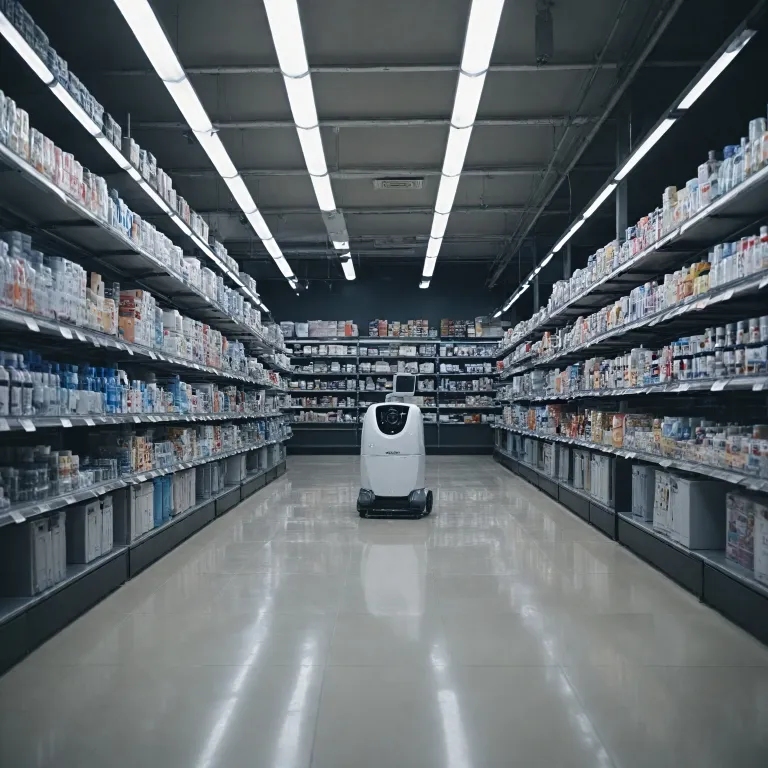
Retail automation robots are becoming a common sight in stores, reshaping the way cleaning and maintenance tasks are handled. These robots are not just about sweeping floors; they are integrated into broader retail operations, supporting inventory management, shelf product monitoring, and even data analytics. By automating repetitive cleaning tasks, stores can focus more on customer experience and efficient order fulfillment.
- Automation retail solutions help maintain shelf availability and cleanliness, which directly impacts product presentation and customer satisfaction.
- Robots collect real time data on store inventory and shelf conditions, improving inventory visibility and supporting better stock management.
- With advanced systems, these robots can operate times faster than manual cleaning, ensuring that store aisles remain clean and safe during busy shopping hours.
Companies like Badger Technologies have developed robots that not only clean but also scan shelves for out-of-stock items, incorrect prices, or misplaced products. This integration of cleaning and inventory management leads to more accurate order processing and fulfillment, supporting the entire supply chain.
Retailers are increasingly relying on automation to streamline store operations, reduce labor costs, and improve the shopping experience. As technology evolves, the role of robots in retail will continue to expand, offering new solutions for warehouse automation and store management. If you are interested in how these systems compare to home cleaning robots, you can find more details in this guide on choosing the right robot cleaner for your home.
Key benefits of using robots for retail cleaning
Boosting Efficiency and Accuracy in Store Cleaning
Retail automation robots are making a real difference in how stores manage cleaning and maintenance. These robots operate alongside staff, handling repetitive cleaning tasks so employees can focus on customer service and other important duties. The result is a faster, more consistent cleaning process that keeps the store environment welcoming for shoppers.
Enhancing Inventory Visibility and Shelf Availability
Modern retail robots do more than just clean floors. Many are equipped with sensors and data analytics tools that monitor shelf product levels and store inventory in real time. This improves inventory management by quickly identifying out-of-stock items, misplaced products, or incorrect price tags. Retailers benefit from better inventory visibility and shelf availability, which leads to fewer missed sales opportunities and a smoother shopping experience for customers.
- Faster order fulfillment: Automation retail solutions can process order fulfillment and restocking tasks several times faster than manual methods.
- Improved accuracy: Robots reduce human error in inventory checks, price updates, and order processing, supporting more reliable retail operations.
- Data-driven decisions: The data collected by these systems helps managers optimize supply chain and warehouse automation, ensuring products are always available at the right price and location.
Supporting a Better Customer Experience
Clean, well-stocked stores directly impact the customer experience. Retail automation robots help maintain high standards of cleanliness and order, which customers notice and appreciate. By automating routine tasks, staff can spend more time assisting shoppers, answering questions about product availability, and ensuring a positive shopping environment.
For a deeper look at how robotic solutions are expanding beyond indoor cleaning, including outdoor chores, check out this guide to robotic solutions for outdoor chores.
Scalable Solutions for Modern Retail
Retailers are increasingly turning to automation systems from companies like Badger Technologies to streamline store management. These robots integrate with existing retail operations, supporting everything from inventory management to real-time data analytics. As automation continues to evolve, stores can expect even more advanced solutions that further enhance efficiency, accuracy, and the overall shopping experience.

Challenges faced by retail automation robots in stores
Obstacles in Adopting Automation for Store Cleaning
While retail automation robots bring significant improvements to store cleaning, their integration is not without hurdles. Retailers often encounter challenges that can impact the efficiency and effectiveness of these solutions.
- Complex Store Layouts: Many retail environments have intricate layouts, with narrow aisles, changing shelf arrangements, and high foot traffic. Robots can struggle to navigate these spaces, especially when shelves are restocked or displays are moved frequently. This can affect order fulfillment and shelf product availability.
- Data Integration Issues: For automation to deliver real-time inventory visibility and accurate order processing, robots must seamlessly connect with existing inventory management systems. Inconsistent data or outdated systems can hinder the benefits of automation retail, leading to errors in stock levels and product location.
- Maintenance and Downtime: Robots require regular maintenance to operate at peak performance. Unexpected breakdowns or software glitches can disrupt cleaning schedules, impacting the overall customer experience and store operations.
- Initial Investment and ROI: The upfront cost of deploying retail automation robots, such as those from Badger Technologies, can be substantial. Retailers must weigh these costs against the potential for faster cleaning, improved inventory management, and enhanced shopping experience.
- Staff Adaptation: Employees may need training to work alongside robots, manage new systems, and interpret data analytics. Resistance to change or lack of proper training can slow down the adoption process and reduce the effectiveness of automation solutions.
Another consideration is the accuracy of robots in identifying spills, misplaced products, or low shelf availability. While these systems are designed to improve inventory and shelf management, they are not infallible. False positives or missed detections can still occur, requiring human oversight.
For retailers looking to optimize their cleaning operations and improve inventory visibility, understanding these challenges is crucial. Choosing the right robot with advanced navigation, robust data integration, and reliable support can make a significant difference. For more insights on selecting the best robotic vacuum for complex retail environments, check out this guide on finding the perfect robotic vacuum for carpet cleaning.
Features to look for in a retail automation robot
Essential Capabilities for Effective Store Cleaning
When considering automation solutions for retail cleaning, it’s important to focus on features that directly improve store operations and the customer experience. The right robot can help maintain shelf availability, support inventory management, and streamline order fulfillment. Here are some key features to look for:
- Real-Time Data Analytics: Robots equipped with advanced sensors and data analytics tools provide up-to-date information on store inventory and shelf product conditions. This helps management make informed decisions and improves inventory visibility.
- Autonomous Navigation and Obstacle Avoidance: Effective retail automation robots use sophisticated navigation systems to move around shelves, customers, and products without disrupting the shopping experience. This ensures cleaning is efficient and safe during store hours.
- Integration with Inventory and Order Systems: Seamless integration with existing retail operations, such as inventory management and order processing systems, allows robots to support faster restocking and fulfillment. This can lead to times faster order fulfillment and improved supply chain efficiency.
- Customizable Cleaning Modes: The ability to adjust cleaning routines based on store layout, product types, and foot traffic patterns is essential. Flexible programming ensures that high-traffic areas and critical shelf spaces remain clean and available for customers.
- Reporting and Alerts: Automated reporting features help staff monitor cleaning performance, shelf availability, and product stock levels. Real-time alerts notify teams of issues like low inventory or spills, enabling quick response and better management.
- Durability and Maintenance: Retail environments demand robust robots that can operate for extended periods with minimal downtime. Look for solutions that offer easy maintenance and reliable support to keep cleaning operations running smoothly.
Brands like Badger Technologies have developed robots that address these needs, providing automation retail solutions that enhance both store cleanliness and operational efficiency. By focusing on these features, retailers can improve the shopping experience, maintain accurate inventory, and ensure products are always available at the right price.
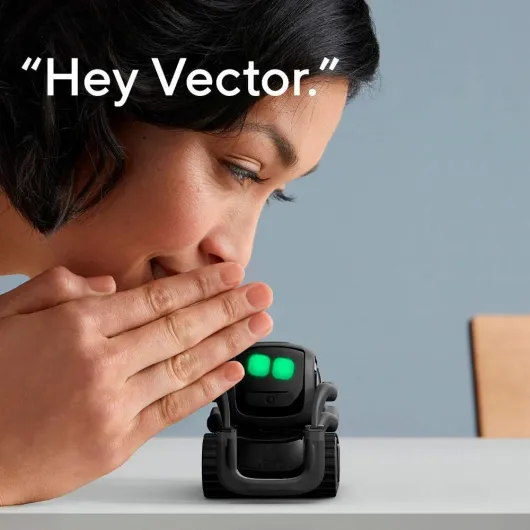
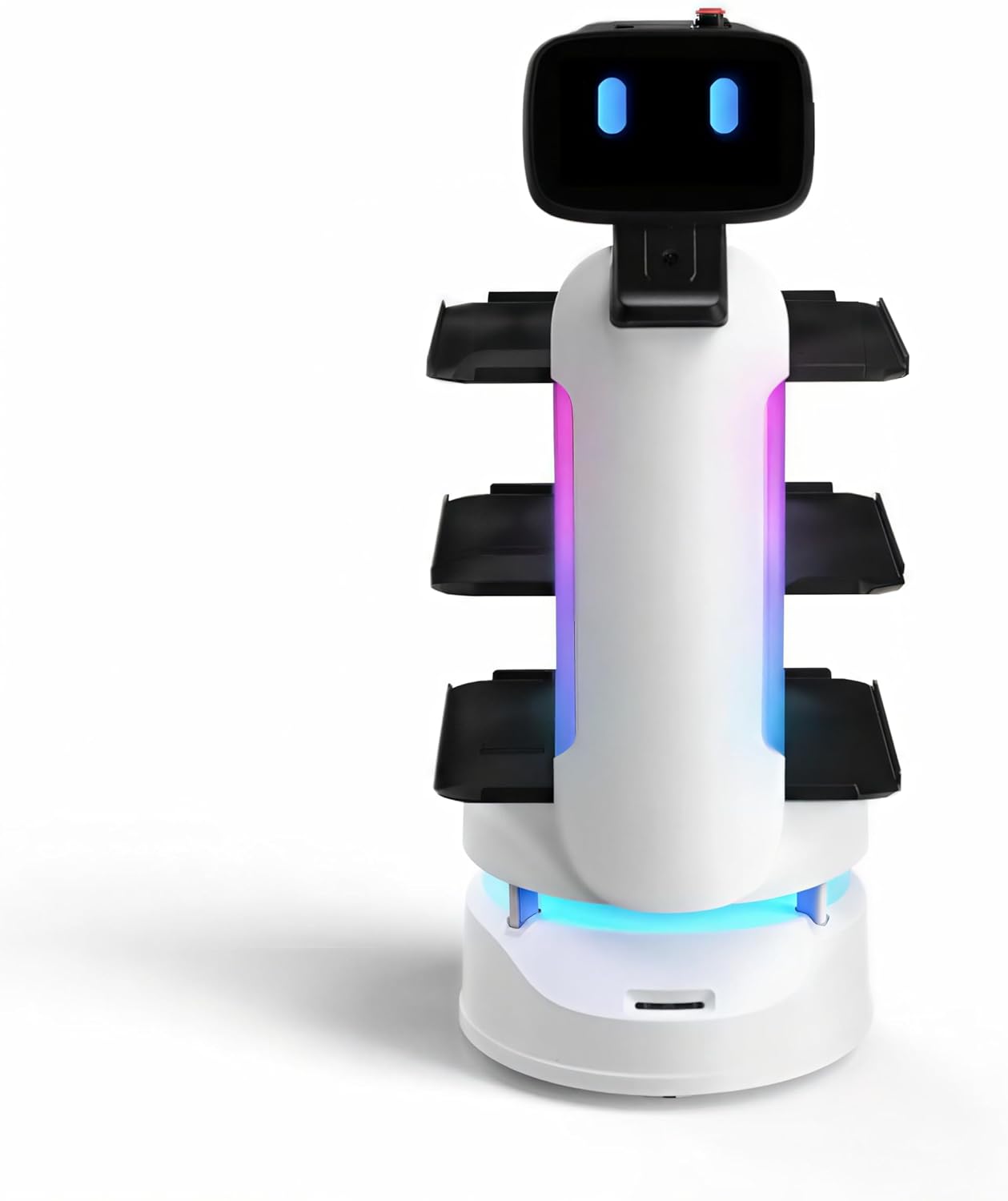
- + Interactive AI companion with an engaging personality
- + Family-friendly design — suitable for both young and old
- + Compact and portable little robot
- + Special Edition styling (Black) for collectors
- + Smart features powered by AI for learning and play
How staff and robots can work together
Building a Collaborative Environment
Integrating robots into retail operations is not about replacing staff, but about creating a collaborative environment where both humans and automation work together. Retail automation robots handle repetitive cleaning tasks, allowing staff to focus on customer experience, product management, and order fulfillment. This synergy leads to improved inventory visibility and more accurate shelf product availability, which are crucial for maintaining a well-organized store.
Optimizing Task Allocation
Robots excel at routine cleaning, data collection, and real-time shelf monitoring. Staff, on the other hand, bring adaptability and customer service skills. By assigning robots to tasks like floor cleaning, shelf scanning, and inventory management, employees can dedicate more time to assisting customers, managing stock, and ensuring product availability price accuracy. This division of labor helps streamline retail operations and boosts overall efficiency.
- Robots: Handle cleaning, shelf scanning, and data analytics for inventory management.
- Staff: Focus on customer service, order processing, and resolving inventory or product issues.
Enhancing Communication and Training
Successful collaboration requires clear communication between staff and automation systems. Training employees to interact with robots, interpret data, and use automation retail solutions ensures smooth workflows. For example, when a robot detects low shelf availability, staff can quickly restock, improving inventory and shopping experience. Real-time data from robots also supports better supply chain management and faster order processing.
Supporting Retail Operations with Technology
Modern retail automation systems, such as those from Badger Technologies, provide actionable insights into store inventory and stock levels. Staff can use this information to make informed decisions, ensuring shelves are always stocked and products are easy to find. This not only improves inventory accuracy but also enhances the overall customer experience by reducing out-of-stock situations and supporting faster fulfillment.
Future trends in retail cleaning automation
Emerging Technologies Shaping Retail Cleaning
Retail automation is moving quickly, with cleaning robots now playing a central role in store operations. These robots are not just about cleaning floors—they are becoming integrated with broader retail systems, helping improve inventory management, shelf availability, and even customer experience. As technology advances, expect to see more robots equipped with advanced sensors, real-time data analytics, and connectivity to store inventory systems. This integration allows for faster and more accurate order fulfillment, better shelf product availability, and improved stock management.
Data-Driven Cleaning and Inventory Visibility
Modern cleaning robots are increasingly connected to retail data networks. By collecting and sharing data in real time, these robots help store managers monitor shelf availability and product placement, ensuring that shelves are always stocked and prices are up to date. This level of automation retail not only streamlines cleaning but also supports better inventory visibility and order processing. Solutions like those from Badger Technologies are already demonstrating how robots can improve inventory and supply chain efficiency by working alongside warehouse automation systems.
Enhancing the Customer and Shopping Experience
With automation, stores can offer a cleaner, more organized environment, which directly impacts the customer experience. Robots help maintain order and cleanliness, allowing staff to focus on customer service and other high-value tasks. The result is a shopping experience that is both efficient and pleasant, with products easier to find and shelves stocked in real time. As robots become more sophisticated, expect even greater improvements in fulfillment speed and accuracy—sometimes up to several times faster than traditional methods.
Looking Ahead: Smarter, More Connected Solutions
The future of retail cleaning automation lies in smarter, more connected robots. As artificial intelligence and machine learning continue to evolve, robots will become better at predicting cleaning needs, managing store inventory, and even assisting with order fulfillment. Integration with other retail operations systems will enable seamless management of stock, price, and shelf product availability. Ultimately, these advancements will help stores operate more efficiently, reduce costs, and deliver a better overall customer experience.