

Understanding the difference between indoor and outdoor robots
Why Indoor and Outdoor Robots Serve Different Purposes
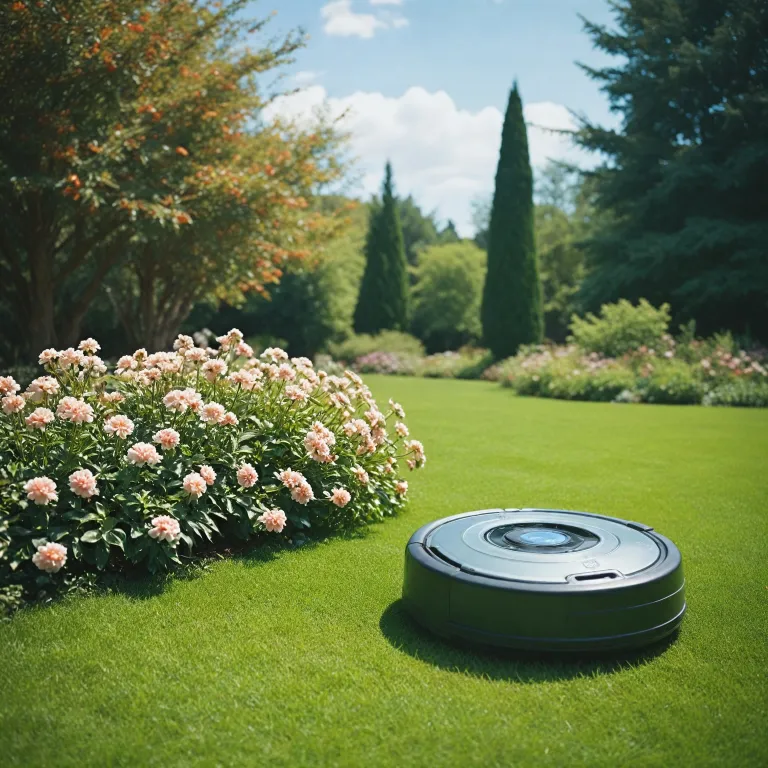
When looking at robot vacuums like Roomba and outdoor solutions such as a robotic lawn mower, it’s important to understand that these products are designed for very different environments and tasks. Indoor robots, including popular models from brands like Ecovacs and iRobot, are built to navigate smooth, flat surfaces, picking up dust and debris from floors. Their sensors, wheels, and cleaning systems are optimized for carpets, hardwood, and tiles—not for the unpredictable terrain of a yard or lawn.
Key Differences in Design and Functionality
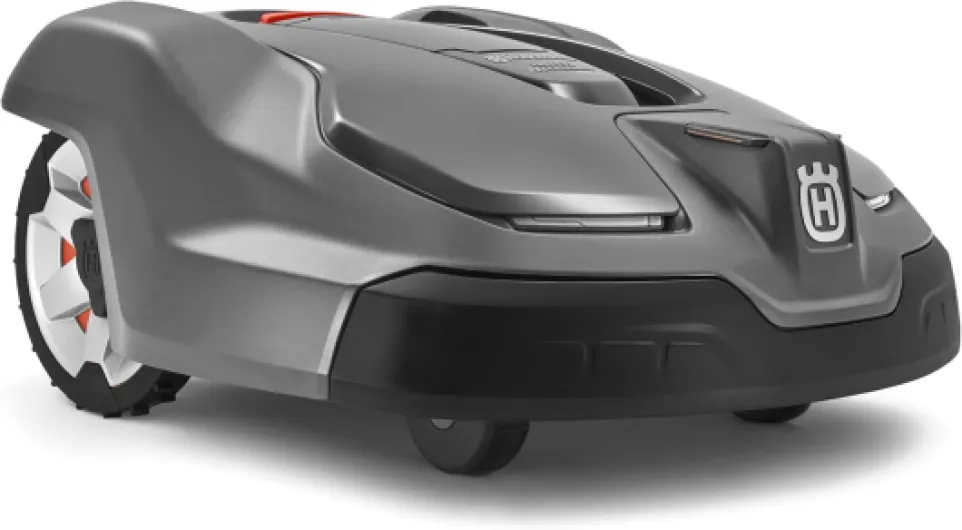
- Navigation and Terrain: Indoor robots use sensors to avoid furniture and stairs, while robotic lawn mowers need to handle grass, slopes, and obstacles like rocks or tree roots. Many outdoor mowers, such as the Husqvarna Automower AWD, are equipped with all-wheel drive (AWD) to manage uneven lawns and larger acreages.
- Cutting vs. Cleaning: A robot vacuum focuses on suction and sweeping, but a robot mower uses blades to cut grass. Cutting width (measured in inches) and cutting height adjustment are crucial for lawns, while vacuums prioritize suction power and dustbin size.
- Boundary and Coverage: Indoor robots use virtual walls or mapping, but most robotic mowers rely on a perimeter wire to define the mowing area. This wire helps the mower know where your yard ends, ensuring it covers the right lawn size efficiently.
- Weather and Durability: Outdoor robots must withstand rain, sun, and dirt. Features like rain sensors and anti-theft systems are standard in many robotic mowers, unlike indoor vacuums.
- Connectivity: While both types may offer smart features like Bluetooth or cellular connectivity, outdoor mowers often include advanced options for remote control and scheduling, especially for larger lawns or complex yard layouts.
As you learn more about robotic solutions, it becomes clear that a Roomba is not equipped to mow your lawn. Instead, specialized products like the Husqvarna Automower or Ecovacs Goat are designed for outdoor use, offering features tailored to lawn care. If you’re interested in how robotics is transforming home cleaning, including both indoor and outdoor innovations, you can explore how clean robotics is changing the way we vacuum our homes.

How robotic lawn mowers work
How Outdoor Robot Mowers Navigate and Cut Your Lawn
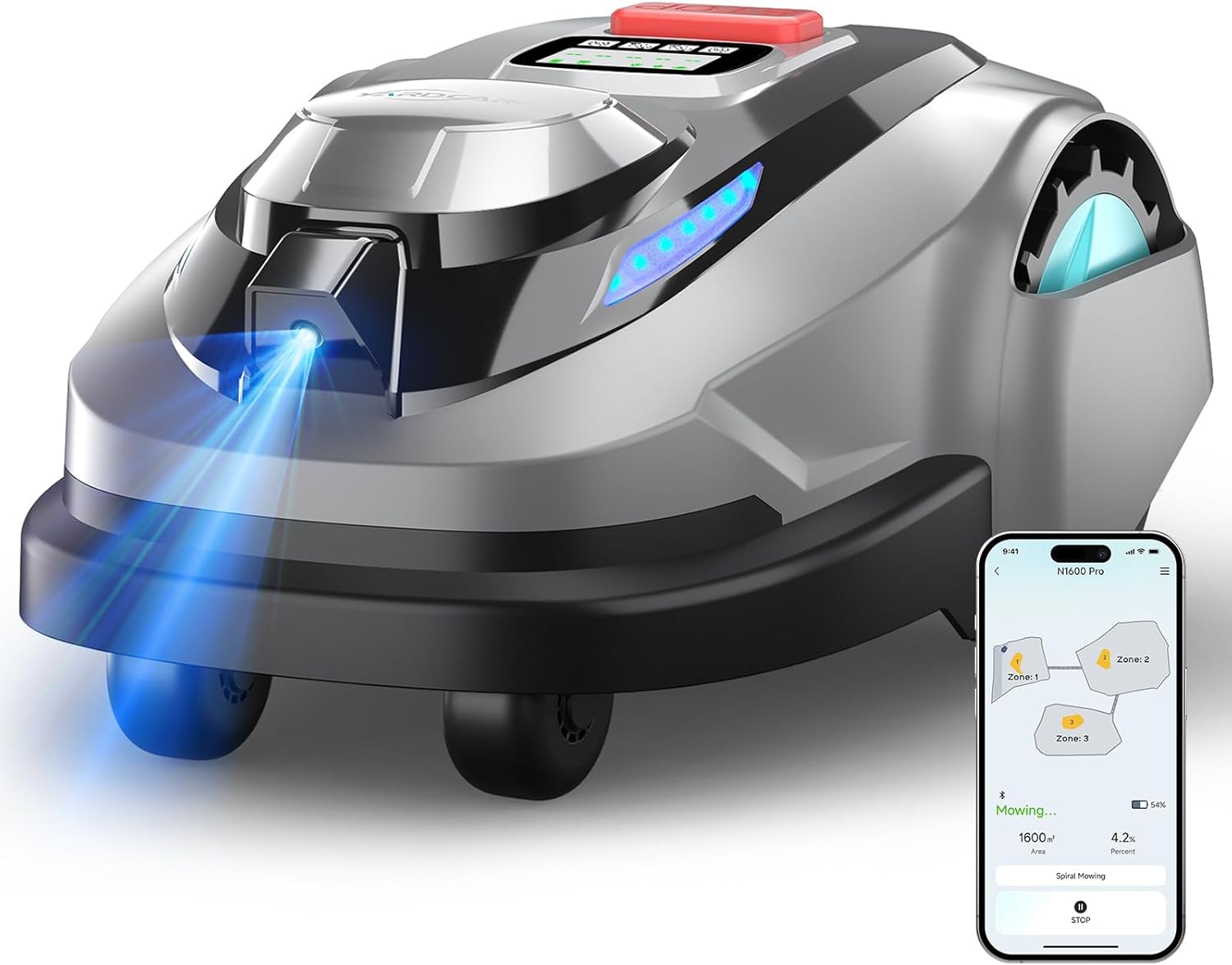
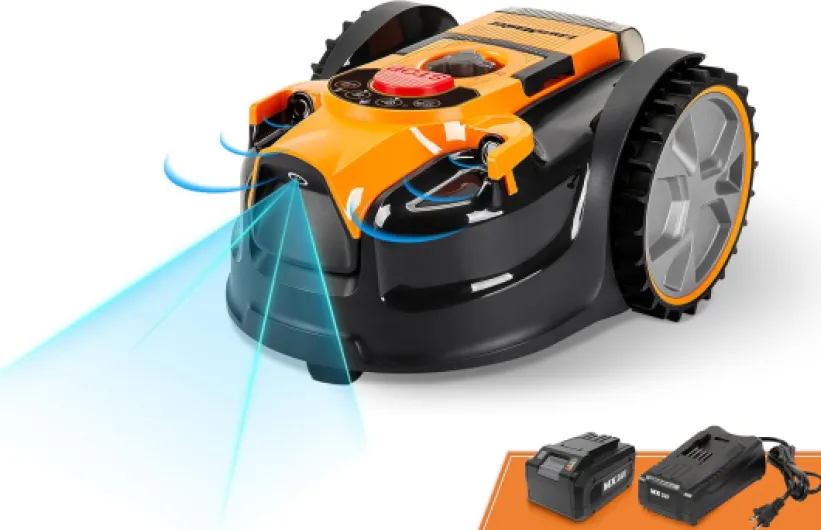
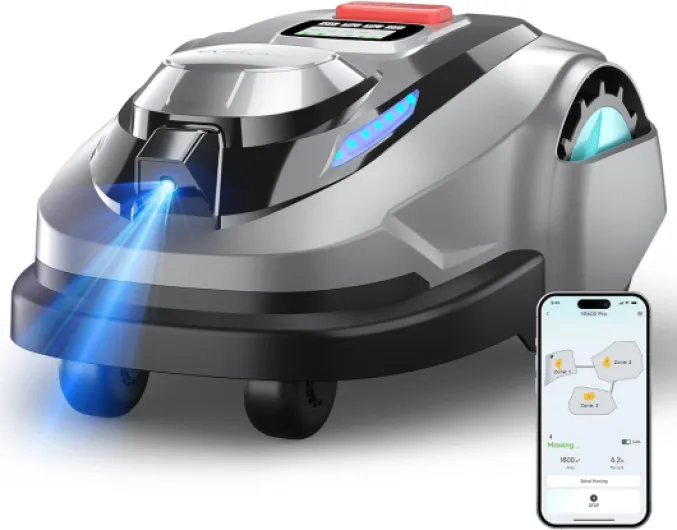
Robotic lawn mowers are designed to handle the unique challenges of outdoor spaces. Unlike indoor robot vacuums, these machines must deal with grass, uneven terrain, and weather conditions. Most robotic mowers use a combination of sensors, perimeter wire, and sometimes GPS to stay within the boundaries of your yard. The perimeter wire is usually installed around the edge of your lawn, guiding the robot mower and preventing it from wandering into flower beds or driveways.Key Features That Set Robotic Lawn Mowers Apart
- Cutting System: Robotic mowers use rotating blades to trim grass, often with adjustable cutting height settings. Cutting width can vary, with some models offering up to 22 inches for larger lawns.
- Lawn Coverage: The best robotic mowers can handle different lawn sizes, from small yards to several acres. For example, the Husqvarna Automower AWD series is designed for complex, sloped lawns, while more affordable options suit smaller spaces.
- Navigation: Advanced models feature smart navigation, using sensors and sometimes GPS to map your yard. Some products, like the Ecovacs Goat, offer connectivity via Bluetooth or cellular for remote control and scheduling.
- Weather Adaptation: Many robotic mowers are equipped with rain sensors, pausing operation during wet conditions to protect your lawn and the machine.
- Security: Anti-theft features, such as PIN codes and alarms, are common, especially in higher-end models.
Operation and Maintenance
Robotic lawn mowers are generally quiet and energy-efficient. Most return to their charging station automatically when the battery runs low. Maintenance is straightforward—clean the blades regularly and check the perimeter wire for damage. Some models, like the automower awd, are designed for all-wheel drive, making them suitable for uneven or sloped lawns.Popular Products and Price Range
You can find a wide range of robotic mowers on Amazon and other retailers. Prices vary based on features, lawn size compatibility, and connectivity options. Entry-level models start at a few hundred dollars, while advanced units with GPS, Bluetooth cellular connectivity, and large cutting width inches can cost over a thousand dollars. To learn more about how robots are transforming outdoor and indoor cleaning, check out this article on how robots sweeper are changing home cleaning.Comparing roomba vacuums and robotic lawn mowers
Key Differences in Design and Function
While both Roomba vacuums and robotic lawn mowers are designed to automate chores, their engineering and purpose are quite distinct. Roomba vacuums are built for indoor use, focusing on cleaning hard floors and carpets. In contrast, robotic lawn mowers are specifically created to handle outdoor environments, tackling grass, uneven terrain, and weather conditions. The best robot lawn mowers, such as the Husqvarna Automower or Ecovacs Goat, are equipped with features like all-wheel drive (AWD), rain sensors, and anti-theft systems to ensure reliable operation in the yard.
Navigation and Boundary Systems
Roomba vacuums typically use sensors and smart mapping to navigate rooms, avoiding obstacles and stairs. Robotic lawn mowers, on the other hand, often rely on a perimeter wire installed around the lawn to define their cutting area. Some advanced models offer wireless boundary options or use GPS for larger lawns, sometimes up to an acre or more. This difference in navigation is crucial for handling the open, varied spaces of a yard versus the confined, predictable layout of a home.
Cutting vs. Cleaning Mechanisms
The core task for each robot is also different. Roomba vacuums use suction and brushes to pick up dust and debris, while robotic lawn mowers use rotating blades to cut grass. Cutting width (measured in inches) and cutting height adjustments are important specs for lawn mowers, affecting how efficiently they cover lawn size and the quality of the cut. For example, a robot mower with a 9-inch cutting width will take longer to cover a large yard compared to one with a 22-inch width.
Smart Features and Connectivity
Both types of robots offer smart features, but with different focuses. Many robotic mowers include Bluetooth or cellular connectivity for remote control, scheduling, and status updates. Some models, like the Automower AWD series, provide advanced app integration and even weather sensors to pause mowing during rain. Roomba vacuums also offer app control, but their connectivity is tailored for indoor cleaning routines.
Product Availability and Price Range
On Amazon and other retailers, you'll find a wide range of products in both categories. Robotic lawn mowers generally come at a higher price point than indoor robot vacuums, reflecting their more robust build and outdoor capabilities. Factors like lawn coverage, cutting time in minutes, and additional features such as anti-theft protection or rain sensors influence the final price.
For those interested in how cleaning technology can transform household routines, you can learn more about advanced cleaning solutions that go beyond traditional vacuuming.
Benefits of using a robotic lawn mower
Why homeowners are turning to robotic lawn mowers
Robotic lawn mowers are quickly gaining popularity as a smart solution for maintaining lawns of various sizes, from small yards to properties over an acre. These robots offer a range of benefits that traditional lawn mowers simply can't match, especially for those seeking convenience and consistent results. Let's look at some of the main advantages.
- Time-saving automation: Once set up, a robot mower can handle regular cutting without supervision. Many models, such as the Husqvarna Automower and Ecovacs Goat, can be programmed to mow at specific times, freeing up hours each week for other activities.
- Consistent lawn appearance: Robotic mowers use advanced navigation, perimeter wire, and sometimes GPS to ensure even coverage. This leads to a uniform cut, with adjustable cutting height and width (often ranging from 7 to 22 inches), tailored to your lawn's needs.
- Quiet operation: Unlike gas-powered lawn mowers, robotic mowers operate quietly, making them suitable for use at any time of day without disturbing neighbors.
- Smart features: Many products come with Bluetooth or cellular connectivity, allowing you to control and monitor your mower from a smartphone. Features like rain sensors, anti-theft systems, and automatic return to the charging station add extra convenience and security.
- Eco-friendly performance: Robotic mowers are electric, producing zero direct emissions and using less energy compared to traditional mowers. This makes them a greener choice for lawn care.
- Adaptability to different lawns: Whether your yard is flat or sloped, there are models with all-wheel drive (AWD) and adjustable cutting width inches to handle various terrains and lawn sizes. Some, like the Automower AWD, are designed for challenging landscapes.
When comparing products on Amazon or other retailers, you'll notice a range of options with different price points, cutting widths, and features. The best robotic mower for your yard depends on factors like lawn size, desired cutting height, and connectivity needs. For larger lawns or those with complex layouts, look for models with robust lawn coverage and advanced navigation.
While robotic mowers are not without challenges, their benefits in terms of time savings, smart technology, and consistent lawn care make them an attractive option for many homeowners looking to automate outdoor chores.
Challenges and limitations of robotic lawn mowers
Weather, Terrain, and Lawn Complexity
Robotic lawn mowers face unique challenges compared to their indoor counterparts. Outdoor conditions like rain, uneven terrain, and thick grass can impact performance. Many robotic mowers, including popular models on Amazon, come with rain sensors to pause mowing during wet conditions, but not all products handle slopes or rough patches equally. For larger yards, especially those over half an acre, you’ll need to check if the robot mower’s lawn coverage and AWD (all-wheel drive) capabilities match your lawn’s complexity.Installation and Perimeter Wire Setup
Most robotic mowers require a perimeter wire to define the mowing area. Installing this wire can be time-consuming, especially for lawns with irregular shapes or multiple zones. Some newer models, like the Ecovacs Goat and Husqvarna Automower, offer advanced navigation, but the initial setup still demands careful planning. If your yard has flower beds, trees, or narrow passages, expect to spend extra time ensuring the wire keeps the robot mower on track.Cutting Performance and Lawn Size
Robotic mowers vary in cutting width (measured in inches) and cutting height adjustment. Smaller models may struggle with thick or tall grass, requiring frequent mowing for best results. For lawns over one acre, only high-end robotic mowers provide sufficient battery life and lawn coverage. Cutting width and time (in minutes) per charge are key specs to compare when choosing the best product for your yard.Connectivity and Smart Features
While many robotic mowers offer Bluetooth or cellular connectivity for remote control, not all models support advanced smart features. Some products allow you to adjust cutting schedules or monitor anti-theft systems via an app, but connectivity can be limited by your yard’s size or Wi-Fi range. If you want seamless integration with smart home systems, check for compatibility before buying.Maintenance, Price, and Security
Robotic lawn mowers require regular maintenance, such as blade replacement and cleaning. Prices vary widely, with entry-level models starting at a few hundred dollars and premium automower AWD units costing much more. Anti-theft features, like PIN codes or GPS tracking, are essential for protecting your investment, especially if your yard is easily accessible. Always compare product specs, price, and user reviews before making a decision.| Feature | Consideration |
|---|---|
| Lawn Size | Check maximum coverage (acre) and battery life |
| Cutting Width (inches) | Wider mowers cover more ground, faster |
| Perimeter Wire | Installation time and complexity |
| Rain Sensor | Prevents mowing in wet conditions |
| Connectivity (Bluetooth/Cellular) | Remote control and monitoring options |
| Anti-Theft | PIN, GPS, or alarm features |
| Price | Balance features with your budget |
Key considerations before buying a robotic lawn mower
Lawn Size and Coverage
Before choosing a robotic lawn mower, it’s essential to assess the size of your yard. Most robot mowers specify the maximum lawn coverage they can handle, often measured in acres or square feet. For example, some models are designed for small lawns under a quarter acre, while others, like the Husqvarna Automower AWD series, can manage larger areas. Make sure the product you select matches your lawn size for optimal performance.
Cutting Width and Height Adjustments
Robotic mowers come with different cutting widths, usually ranging from 7 to 22 inches. A wider cutting width means the mower can cover more ground in less time, which is helpful for bigger lawns. Also, check the cutting height adjustment range. Some mowers allow you to set the cutting height from 0.8 to 2.4 inches, so you can maintain your grass at the best length for your yard’s needs.
Navigation and Perimeter Setup
Most robot mowers require a perimeter wire to define the mowing area. Setting up this wire can take time, but it ensures the mower stays within your yard’s boundaries. Some advanced models, like the Ecovacs Goat, offer smart navigation and mapping features, reducing the need for manual setup. Consider whether you prefer a traditional wire system or a more modern, wire-free solution.
Connectivity and Smart Features
Many robotic mowers now include Bluetooth or cellular connectivity, allowing you to control and monitor the mower from your smartphone. Features like rain sensors, anti-theft systems, and app-based scheduling add convenience and security. If you want a truly smart yard, look for models with robust connectivity options and integration with other smart home devices.
Terrain and Wheel Design
If your lawn has slopes or uneven terrain, check the mower’s wheel design and drive system. All-wheel drive (AWD) models, such as the Automower AWD, are better suited for challenging yards. Standard mowers may struggle on steep or bumpy lawns, so match the mower’s capabilities to your yard’s conditions.
Battery Life and Mowing Time
Consider how long the mower can operate on a single charge and how much time it takes to mow your lawn. Some robotic mowers can run for 60 to 120 minutes before needing to recharge. For larger lawns, a longer battery life or faster charging time can make a big difference in overall efficiency.
Price and Product Support
Robotic lawn mowers vary widely in price, from budget-friendly options on Amazon to premium models with advanced features. Compare the price, warranty, and customer support for each product. Reading reviews and learning from other users’ experiences can help you find the best value for your investment.
| Feature | Why It Matters | Typical Range |
|---|---|---|
| Lawn Coverage | Matches mower to yard size | 0.25 to 1.25 acres |
| Cutting Width | Impacts mowing speed | 7 to 22 inches |
| Cutting Height | Customizes grass length | 0.8 to 2.4 inches |
| Connectivity | Enables smart controls | Bluetooth, cellular |
| Terrain Handling | Handles slopes, obstacles | Standard, AWD |
| Anti-Theft | Protects your investment | PIN, alarms, GPS |