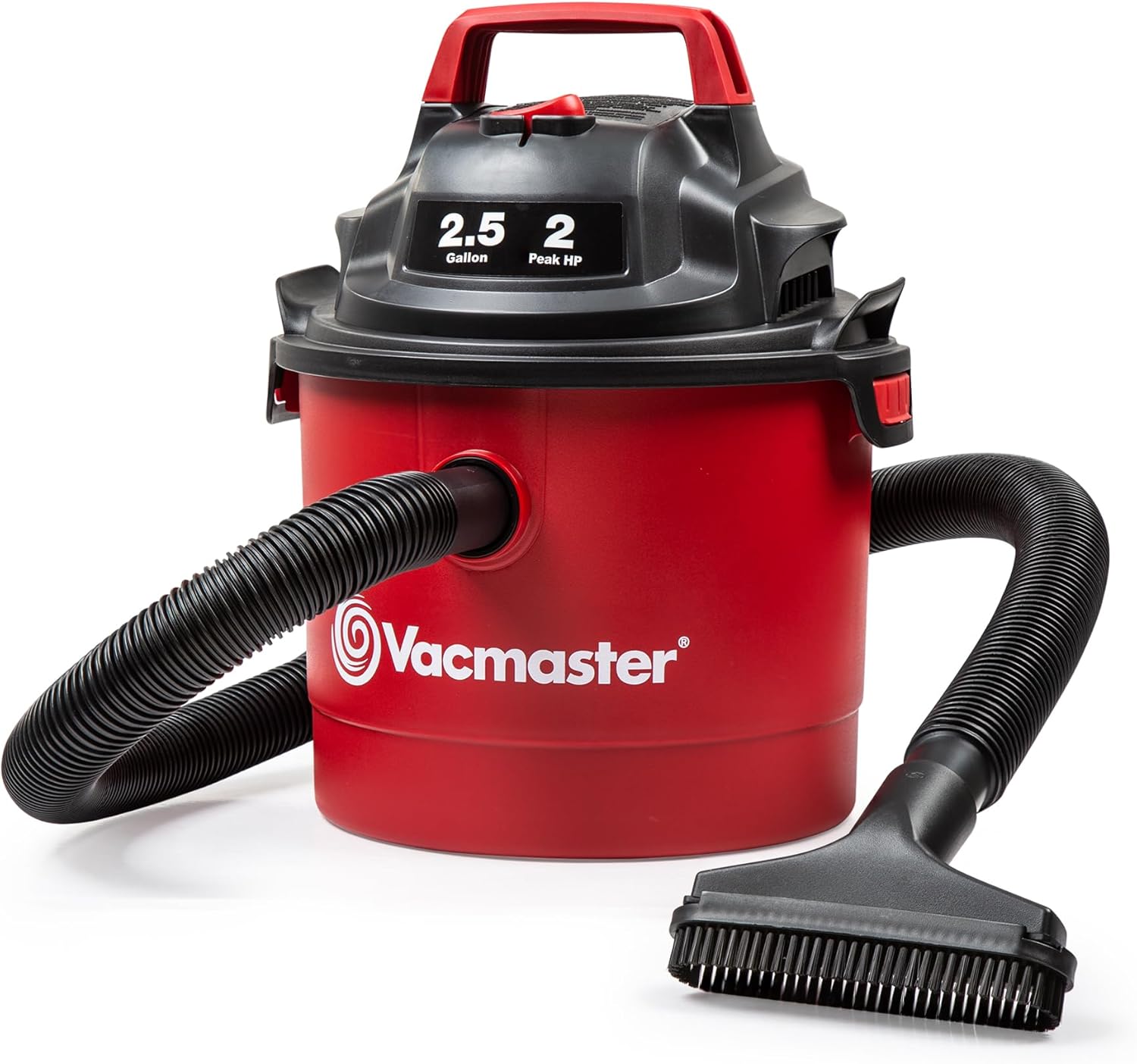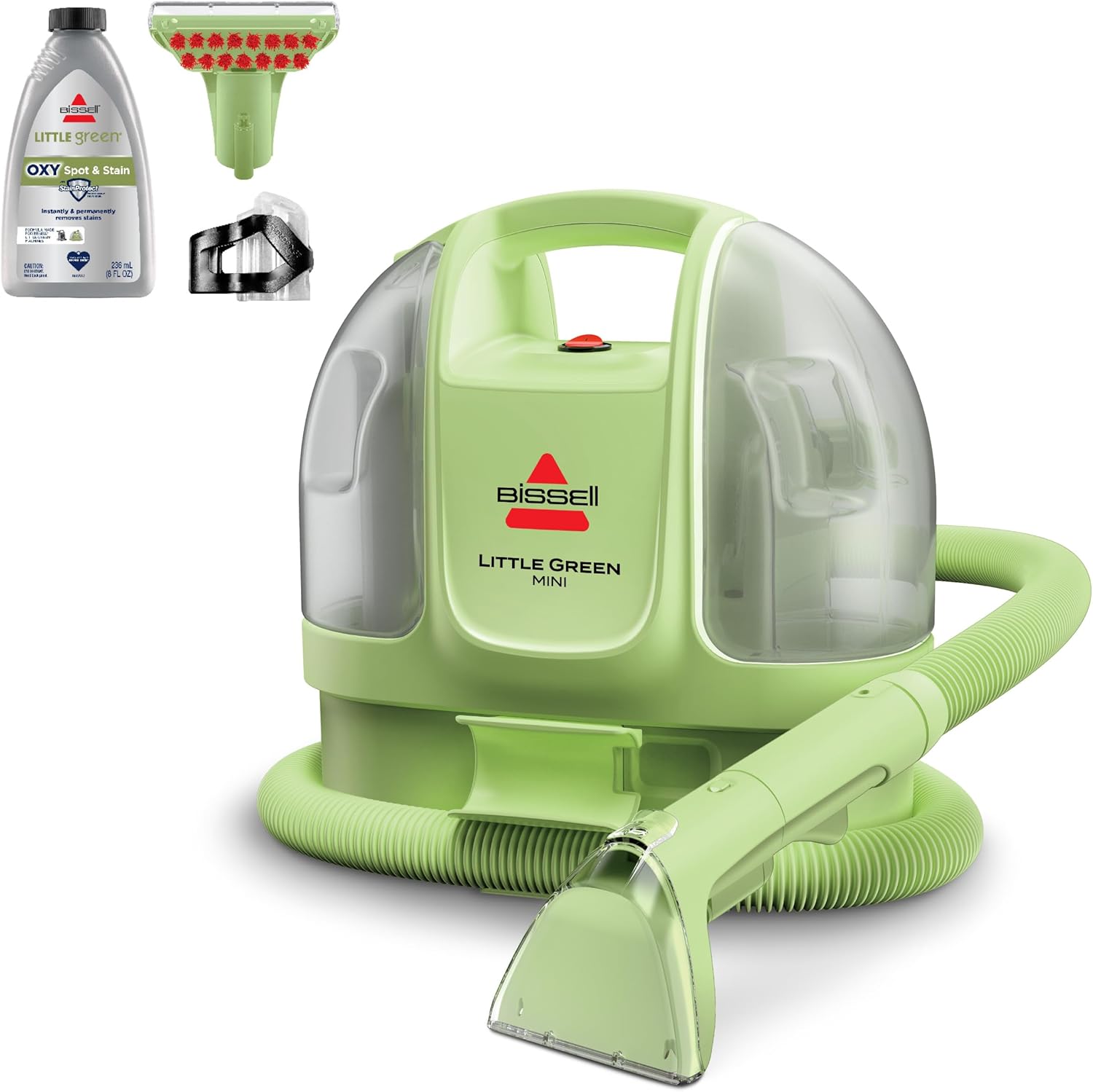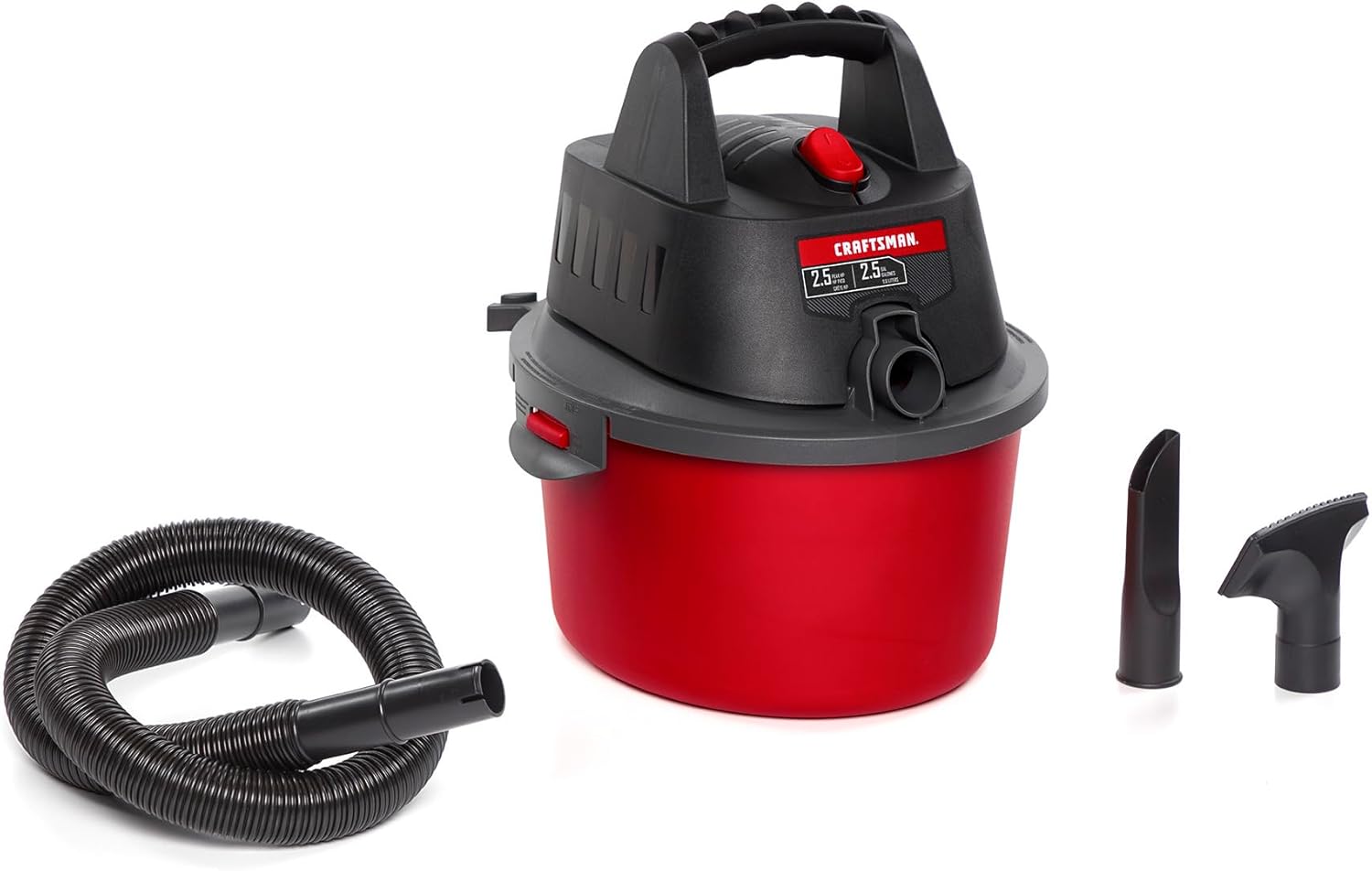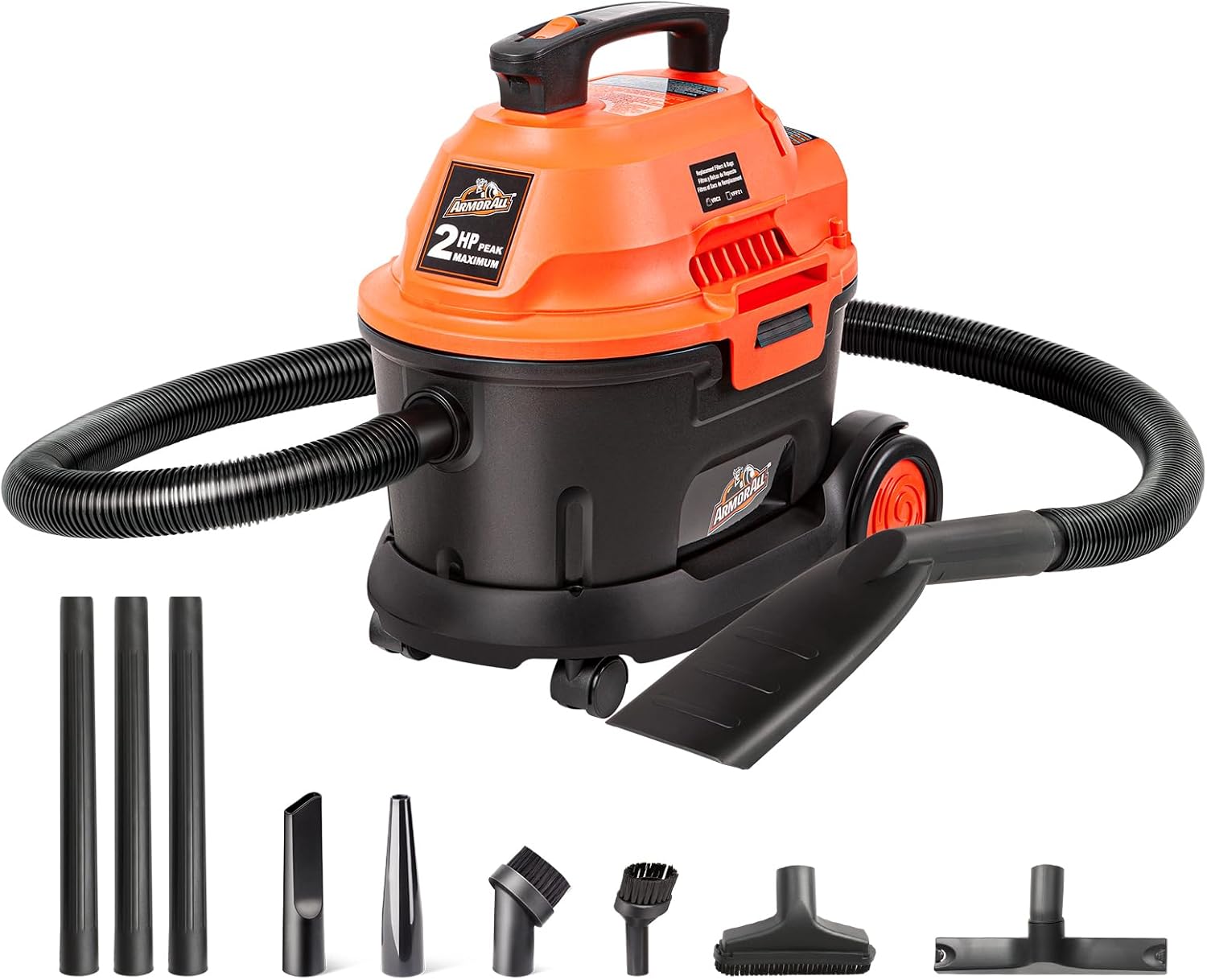


Understanding water suction vacuum technology
How Water-Based Suction Changes the Game
Water suction vacuums are making a noticeable impact in the world of home cleaning. Unlike traditional dry vacuums, these units use water as a filter, trapping dust, dirt, and allergens in a water tank. This method helps prevent particles from being released back into the air, making the cleaning process more efficient and hygienic. Wet and dry vacuum cleaners are now available in a variety of options, from compact cordless vacuum models to larger shop vacuum units with gallon peak horsepower for heavy-duty jobs.
Understanding the Core Components
The main difference between a water vacuum and a standard dry vacuum is the presence of a water tank. As the vacuum cleaner operates, dirt and debris are sucked into the tank, where they mix with water. This process locks in even the finest dust, making it especially useful for allergy sufferers. Many wet vacuums also feature separate tanks for clean water and dirty water, ensuring that only fresh water is used during the cleaning cycle. Stainless steel or steel vacuum bodies are common in higher-end models, offering durability and a modern look.
Versatility for Multiple Cleaning Needs
One of the standout features of water suction vacuums is their ability to handle both wet and dry messes. Whether you need to clean up spilled liquids, pet hair, or everyday dust, these vacuums are designed to tackle a range of cleaning challenges. Some models even double as a washer for hard floors, making them a versatile choice for car cleaning, garage maintenance, or tackling dirty floors in busy households. Cordless options are gaining popularity, providing flexibility and convenience for users who want to move freely from room to room.
What Sets Water Suction Apart
- Suction power: Water vacuums often deliver strong suction, measured in peak horsepower, to lift both wet and dry debris.
- Capacity: Gallon tanks allow for extended cleaning sessions without frequent emptying, which is ideal for large spaces or shop environments.
- Filtration: Water filtration traps more allergens compared to dry vacuums, contributing to a cleaner indoor environment.
- Durability: Many units feature stainless steel construction for longevity and easy maintenance.
As the technology evolves, more reviews and stars are highlighting the benefits of these vacuums, from their cleaning efficiency to their ability to handle tough messes. For those interested in exploring the advantages of cordless wet floor scrubbers, discover more about cordless floor scrubber benefits and how they compare to traditional units. The growing range of options and unit prices means there is a water suction vacuum to fit most needs and budgets in the United States and beyond.
Benefits of using a water suction vacuum at home
Why Water Suction Vacuums Stand Out in Home Cleaning
Water suction vacuums are changing the way people clean their homes, offering a unique approach compared to traditional dry vacuums. These machines use a water tank to trap dust, dirt, and allergens, making the air cleaner and the floors spotless. The combination of wet and dry cleaning in a single unit is especially appealing for busy households looking for efficiency and versatility.
- Deep Cleaning Power: Water vacuums use powerful suction to pull in debris, which is then trapped in the water tank. This method prevents particles from escaping back into the air, unlike some dry vacuum cleaners. The result is a more thorough clean, especially on hard floors and carpets.
- Handles Wet and Dry Messes: These vacuums are designed to tackle both wet spills and dry dirt. Whether you need a wet vacuum for a kitchen spill or a dry vacuum for dust, a water suction vacuum can handle both tasks. This flexibility is a major advantage over standard dry vacuums.
- Improved Air Quality: By trapping dirt and allergens in water, these cleaners help improve indoor air quality. This is especially beneficial for allergy sufferers or homes with pets.
- Versatile Applications: Many models come with attachments for car cleaning, upholstery, and even wet dry shop vacuum tasks. Some units offer a gallon peak stainless steel tank, making them suitable for heavy-duty jobs in the garage or workshop.
- Cost-Effective Options: While the unit price can vary, there are options for every budget. From cordless vacuum models to larger steel vacuum units, shoppers can find a water vacuum that fits their needs and price range. Checking reviews and comparing stars can help identify the best value.
For those considering a shift from traditional vacuums, water suction vacuums offer a compelling mix of cleaning power, versatility, and improved hygiene. If you want to explore how advanced vacuum technology can transform your cleaning routine, discover more about innovative cleaning solutions that go beyond the basics.
| Feature | Water Suction Vacuum | Traditional Dry Vacuum |
|---|---|---|
| Cleaning Type | Wet and dry | Dry only |
| Tank Material | Stainless steel, plastic | Plastic, fabric |
| Suction Power | High, measured in peak horsepower | Varies |
| Air Quality | Improved, traps dirty water and dust | May release fine particles |
| Applications | Floor, car cleaning, shop, wet spills | Floor, carpets, limited wet use |
With the right water vacuum, cleaning becomes more efficient and effective, whether you are dealing with a gallon of dirty water after a spill or just need a quick cordless clean. As more options become available in the United States and beyond, it's easier than ever to find a model that matches your cleaning needs and budget.
Key features to look for in a water suction vacuum
What Makes a Water Suction Vacuum Stand Out?
When shopping for a water suction vacuum, it’s easy to get overwhelmed by the range of options and features. Understanding what really matters can help you find a unit that fits your cleaning needs, whether you’re tackling wet or dry messes, cleaning floors, or even detailing your car. Here are the most important features to consider:
- Suction Power and Peak Horsepower: The core of any vacuum cleaner is its suction power. Look for models with high peak horsepower, especially if you need to handle both wet and dry debris. This ensures efficient cleaning, whether you’re dealing with spilled water or stubborn dirt.
- Water and Dirty Water Tanks: A good water vacuum should have separate tanks for clean water and dirty water. This keeps the cleaning process hygienic and prevents cross-contamination. Check the gallon capacity of each tank—larger tanks mean less frequent emptying, which is handy for bigger spaces or heavy-duty cleaning.
- Wet and Dry Cleaning Capability: Not all vacuums can handle both wet and dry messes. Wet dry vacuums or wet vacuums are versatile, letting you clean up spills as well as dust and debris. If you want a single cleaner for all tasks, this is a must-have feature.
- Build Quality and Materials: Stainless steel or steel vacuum bodies are more durable than plastic. If you plan to use your vacuum for shop or garage cleaning, or need it to withstand tough jobs, look for a model with a steel or peak stainless construction.
- Cordless Options: Cordless vacuum models offer flexibility, especially for car cleaning or moving between rooms. However, check the battery life and charging time to ensure it meets your needs.
- Unit Price and Value: Price is always a factor. Compare the unit price with the features offered. Sometimes, a higher upfront cost means better durability or more advanced cleaning technology, which can save money in the long run.
- Reviews and Ratings: Look for vacuums with high stars and positive reviews, especially from users in the United States. Real-world feedback can reveal how well a vacuum performs over time and in different cleaning scenarios.
Some water suction vacuums also come with specialized attachments for floor cleaning, car interiors, or even upholstery. If you need a multi-purpose cleaner, check what’s included in the box.
For a deeper dive into how these features can simplify your daily cleaning routine, you might find this guide on automatic vacuum cleaner benefits helpful.
| Feature | Why It Matters |
|---|---|
| Gallon Tank Size | Determines how much water or debris the vacuum can hold before needing to be emptied. |
| Cordless Design | Offers flexibility for cleaning cars, stairs, or multiple rooms without plugging and unplugging. |
| Wet Dry Function | Allows for cleaning both liquid spills and dry dirt with one machine. |
| Stainless Steel Build | Increases durability and lifespan, especially for heavy-duty or shop use. |
| Suction Power | Ensures effective removal of both wet and dry messes from floors and carpets. |
By focusing on these features, you can confidently choose a water suction vacuum that delivers reliable cleaning performance and fits your lifestyle.
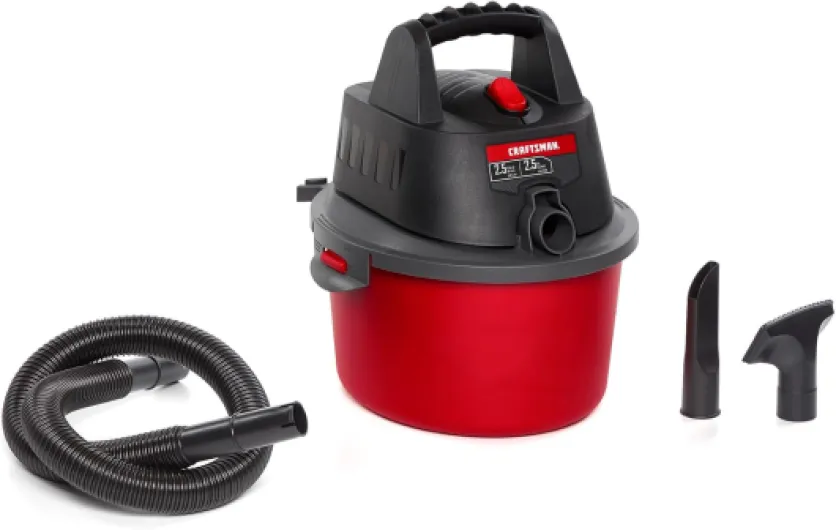
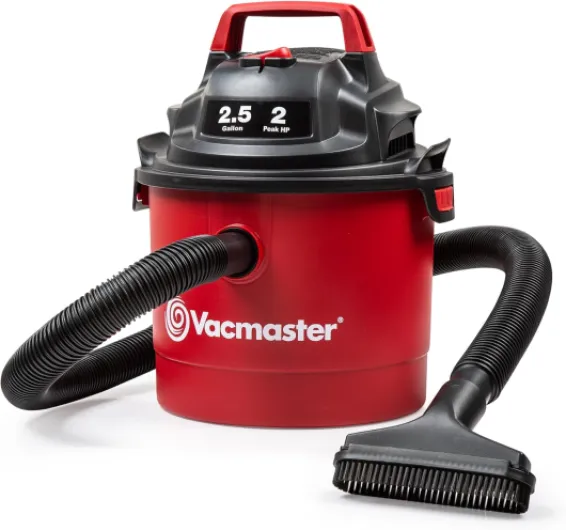
- + 2.5 Peak HP for strong suction power
- + Portable design for easy transport
- + Versatile for wet and dry cleaning
- + Includes filter bag for efficient cleaning
- + Comes with hose and attachments for various tasks

Common challenges and solutions with water suction vacuums
Dealing with Clogged Filters and Tanks
One of the most common issues with water suction vacuums is clogging in the filter or water tank. When cleaning up wet and dry messes, debris can accumulate quickly, especially if the vacuum is used for heavy-duty tasks like car cleaning or shop floors. Regularly emptying the dirty water tank and rinsing the filter can help maintain suction power and prevent blockages. Some wet dry vacuums feature stainless steel tanks, which are easier to clean and more resistant to odors compared to plastic options.
Managing Water and Power Efficiency
Water vacuums rely on a balance between water usage and suction power. If the clean water tank is too small, you may find yourself refilling it often, especially when cleaning large floor areas. On the other hand, a larger gallon tank increases the unit price and weight. Cordless vacuum models offer flexibility, but their battery life may limit cleaning time, particularly at peak horsepower settings. Reading product reviews and checking the gallon peak rating can help you choose a model that fits your cleaning needs and budget.
Handling Wet and Dry Messes Effectively
Switching between wet and dry cleaning modes can sometimes be confusing. Some vacuums require you to change filters or attachments when moving from dry vacuuming to wet cleaning. Forgetting this step can damage the vacuum cleaner or reduce its effectiveness. Always consult the user manual and look for models that simplify this process, such as those with automatic mode switching or clear indicators for wet and dry operations.
Addressing Maintenance and Durability Concerns
Maintaining a water vacuum involves more than just emptying the dirty water tank. Regularly checking seals, hoses, and the steel vacuum body (if applicable) helps prevent leaks and extends the life of the unit. Stainless steel options are popular in the United States for their durability, but even these require periodic inspection. For cordless and shop vacuum models, ensure that the battery and motor are kept dry and clean to avoid performance issues.
Price and Value Considerations
Water suction vacuums come in a range of unit prices, depending on features like tank capacity, suction power, and whether the model is cordless or corded. While higher gallon peak stainless steel models may have a higher upfront price, they often receive more stars in customer reviews for their reliability and cleaning performance. Comparing options and reading detailed reviews can help you find the best value for your needs, whether you’re looking for a wet vacuum for your home, a shop vacuum for your garage, or a versatile cleaner for both wet and dry messes.
Comparing water suction vacuums to traditional robot vacuums
Performance Differences: Water Suction vs. Traditional Robot Vacuums
When comparing water suction vacuums to traditional robot vacuums, the main distinction lies in their cleaning approach. Traditional robot vacuums rely on dry suction to collect dust and debris, while water suction vacuums use a combination of water and suction power to trap dirt, allergens, and even wet spills. This makes water vacuums especially useful for homes with pets, children, or frequent spills on hard floors.
| Feature | Water Suction Vacuum | Traditional Robot Vacuum |
|---|---|---|
| Cleaning Method | Wet and dry cleaning; uses water tank and suction | Dry vacuum only; relies on suction and brushes |
| Tank Type | Separate clean water and dirty water tanks | Dustbin for dry debris |
| Floor Types | Hard floors, tiles, some carpets | Carpets, hard floors |
| Stain Removal | Effective on wet and sticky messes | Limited to dry debris |
| Maintenance | Requires regular emptying of dirty water tank and cleaning of water system | Empty dustbin and clean filters |
| Unit Price | Generally higher due to advanced features | Wide range, often lower starting price |
| Peak Horsepower | Higher suction power for wet and dry messes | Optimized for dry suction |
| Reviews & Ratings | Praised for versatility and deep cleaning | Stars often reflect ease of use and reliability |
Practical Considerations for Homeowners
- Water Tank Capacity: Water vacuums often offer gallon or half-gallon tanks for both clean and dirty water, which is ideal for larger spaces but adds to the unit's weight.
- Cleaning Needs: If your main concern is dry dust and pet hair, a traditional dry vacuum or cordless vacuum might be sufficient. For wet spills, sticky messes, or deep cleaning, a wet dry vacuum or water vacuum cleaner is more effective.
- Maintenance: Water suction vacuums require more frequent cleaning of tanks and hoses to prevent mold or odors. Stainless steel or steel vacuum models are easier to maintain and more durable, especially for shop or car cleaning.
- Price and Options: The unit price for water suction vacuums can be higher, especially for cordless or peak stainless models. However, the versatility and cleaning performance often justify the investment, according to many reviews from the United States.
Ultimately, the choice between a water suction vacuum and a traditional robot vacuum depends on your cleaning priorities, floor types, and budget. For those seeking a cleaner that can handle both wet and dry messes, water suction vacuums offer a compelling alternative with advanced features and strong suction power.
Maintenance tips for your water suction vacuum
Keeping Your Water Suction Vacuum in Top Shape
Maintaining your water suction vacuum is essential for ensuring peak suction power and extending the life of your cleaner. Regular care helps prevent dirty water buildup, keeps the water tank fresh, and ensures your vacuum cleaner performs well on both wet and dry messes.- Empty and Rinse the Water Tank: After each cleaning session, always empty the dirty water tank. Rinse it with clean water to prevent odors and residue. For units with separate clean water and dirty water tanks, make sure both are cleaned and dried before storage.
- Check Filters and Replace as Needed: Most water vacuums and wet dry vacuums use filters to trap fine particles. Inspect these filters regularly. Wash or replace them according to the manufacturer’s instructions to maintain strong suction power.
- Inspect Hoses and Attachments: Wet vacuum hoses and attachments can get clogged with debris or hair. Detach and rinse them with water, especially after cleaning up wet messes or during car cleaning tasks.
- Clean the Floor Nozzle and Brushes: The floor washer or brush roll can accumulate dirt and tangled fibers. Remove and clean these parts to keep your vacuum gliding smoothly over floors.
- Monitor for Leaks or Cracks: Check the water tank, seals, and hoses for any signs of leaks or cracks. Stainless steel tanks and steel vacuum components are durable, but even these can wear over time, especially with frequent wet and dry use.
- Store Properly: Always store your vacuum in a dry place. For cordless vacuum models, recharge the battery after each use to ensure it’s ready for the next cleaning session.
Understanding Maintenance Costs and Value
When considering the unit price of a water vacuum or wet dry vacuum, factor in ongoing maintenance. Replacement filters, cleaning solutions, and occasional part replacements can affect the overall price. However, regular upkeep helps your vacuum reach its advertised gallon peak horsepower and ensures you get the most value for your investment.Tips for Longevity and Performance
- Read reviews before purchasing to understand how other users manage maintenance and what issues are common with specific models.
- Choose vacuums with stainless steel tanks or peak stainless components for durability, especially if you plan to use your cleaner for shop vacuum tasks or heavy-duty wet cleaning.
- For car cleaning or shop use in the United States, look for options with a larger gallon capacity and strong wet dry performance.
- Regularly check for updates or recalls from the manufacturer to ensure your vacuum cleaner remains safe and effective.