
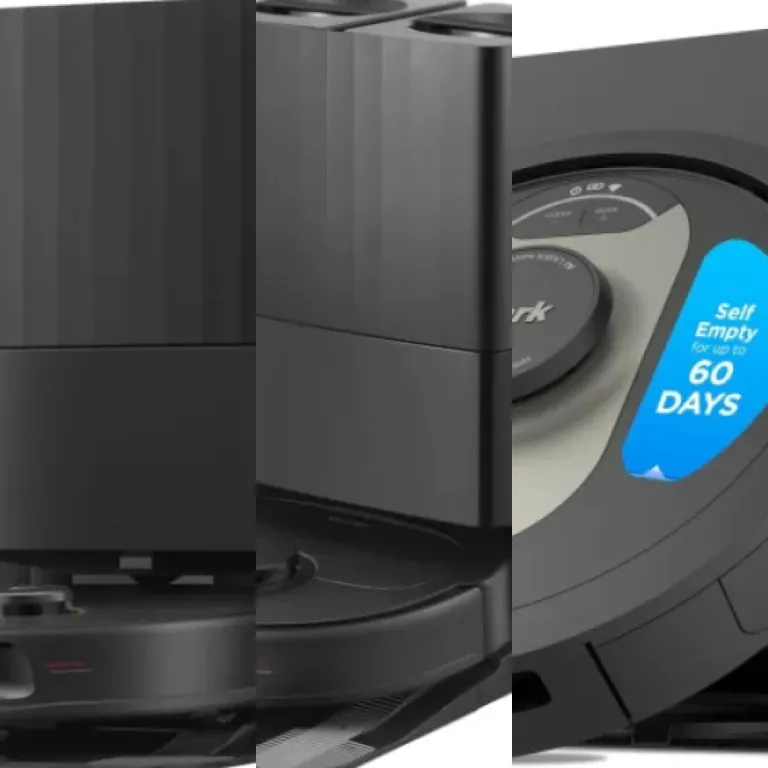
Understanding the evolution of self emptying robot vacuums
Self emptying robot vacuums have transformed the landscape of home cleaning by merging autonomous vacuuming with automated dirt disposal. These robotic vacuum cleaners are designed to minimize manual intervention, allowing users to focus on other tasks while the robot manages dust, debris, and pet hair. The integration of self emptying technology in robot vacuums addresses a significant pain point for users: frequent manual emptying of dustbins, especially for those with pets or large homes.
Modern robot vacuums, such as the Roborock Q5 Max+ and Eufy X10 Pro Omni, offer advanced features like auto empty bases and high-capacity bins, enabling up to 70 days of cleaning without the need to empty the dustbin manually. This day capacity is a game changer for busy households and those managing high volumes of debris. The evolution of vacuum mop combinations has further enhanced the appeal of these devices, providing both vacuuming and mopping in a single, self cleaning unit.
With the rise of smart home integration, users can control their robotic vacuums via dedicated apps, scheduling cleaning sessions and monitoring battery life from their smartphones. The best self emptying robots now feature obstacle avoidance powered by AI, ensuring efficient navigation around furniture and other obstacles. These advancements have positioned robotic vacuums as essential tools for maintaining hard floors and carpets with minimal effort.
Key features that define the best self emptying robots
When evaluating the best self emptying robots, several features distinguish top models from standard robotic vacuums. Suction power is a critical metric, with leading vacuums like the Eufy X10 Pro Omni delivering up to 8,000 Pa, effectively capturing fine dust, pet hair, and larger debris from both carpets and hard floors. The inclusion of auto empty and self emptying bases allows these vacuums to deposit collected dirt into a larger bin, reducing the frequency of manual emptying.
Advanced navigation systems, such as lidar and AI-driven obstacle avoidance, enable robot vacuums to map rooms accurately and avoid getting stuck on furniture or tangled in cords. The Roborock Q5 Max+ exemplifies this with its smart navigation and thorough cleaning routines, making it a top choice for many homes. Battery life is another essential factor; extended battery capacity ensures the vacuum can cover larger areas without frequent recharging, maintaining consistent cleaning performance.
Many of the best robot vacuums now offer integrated mopping functions, providing a comprehensive cleaning solution. The Shark Matrix and Shark PowerDetect models, for example, combine strong suction power with self cleaning mop pads, addressing both dry and wet cleaning needs. For those interested in exploring more about advanced cleaning solutions, the robot vacuum buying guide offers in-depth insights into selecting the right vacuum cleaner for your home.
Performance in real-world environments: tested results and user experiences
Real-world testing of self emptying robot vacuums highlights their effectiveness in managing daily cleaning tasks. In a pet-friendly household, the Roborock Q5 Max+ reduced manual cleaning time by 80%, efficiently handling pet hair and debris across various surfaces. The Eufy X10 Pro Omni demonstrated its capabilities in a large home, maintaining high cleanliness standards with minimal intervention, thanks to its powerful suction and dual rotating mop pads.
Expert reviews reinforce these findings. Tom's Guide states, "The Roborock Saros 10R is best for pet owners, offering robust suction, camera-based obstacle avoidance, and excellent pet hair cleaning capabilities." The Product Review Crew adds, "The Roborock Q5 Max+ combines smart navigation, thorough cleaning, and self-emptying convenience, making it the top overall choice for most homes." These endorsements underscore the reliability and efficiency of top robotic vacuums in diverse settings.
Users consistently praise the convenience of auto empty and self emptying features, especially when dealing with pet hair and high-traffic areas. The integration of app controls allows for customized cleaning schedules and real-time monitoring of battery life and bin status. For a deeper dive into tested models and user feedback, the robotic vacuum comparison page provides detailed comparisons and performance metrics.
Technological advancements: obstacle avoidance, mapping, and smart features
The latest generation of self emptying robot vacuums incorporates cutting-edge technology to enhance cleaning efficiency and user experience. AI-powered obstacle avoidance systems enable vacuums to detect and navigate around common household obstacles, reducing the risk of getting stuck and ensuring thorough coverage. This advancement is particularly beneficial for homes with complex layouts or numerous furniture pieces.
Mapping capabilities have also improved significantly, with many vacuums using lidar or camera-based systems to create detailed floor plans. These maps allow for targeted cleaning of specific rooms or zones, optimizing cleaning routes and conserving battery life. The integration of smart home ecosystems enables users to control their robot vacuums through voice assistants or mobile apps, further streamlining the cleaning process.
Models like the Shark Matrix and Roborock Q5 Max+ exemplify these technological advancements, offering features such as self cleaning mop pads, auto empty bases, and adaptive suction power for different floor types.
Comparing top models: Roborock, Eufy, and Shark in focus
The market for self emptying robot vacuums is dominated by a few key brands, each offering unique strengths. Roborock's Q5 Max+ stands out for its lidar navigation, quiet operation, and efficient auto empty dock, making it a favorite among users seeking reliability and thorough cleaning. Eufy's X10 Pro Omni impresses with its 8,000 Pa suction power, dual rotating mop pads, and fully automated base station, catering to those who require both vacuuming and mopping capabilities.
Shark's AV2501S AI Ultra and Shark Matrix models bring innovation with HEPA filtration, bagless designs, and Matrix Clean Navigation, ensuring effective debris removal and allergen control. The Shark PowerDetect feature automatically adjusts suction power based on floor type, optimizing cleaning performance on both carpets and hard floors. Each of these models has been rigorously tested to handle pet hair, dust, and larger debris, making them suitable for a variety of home environments.
When selecting the best robot vacuum, factors such as battery life, bin capacity, and app functionality should be considered. The ability to handle both pet hair and fine dust, combined with robust obstacle avoidance and self cleaning features, sets these top models apart from standard vacuum cleaners. For a detailed comparison of these leading robotic vacuums, refer to the comprehensive reviews available on the robotic vacuum comparison page.
Future trends and user considerations in self emptying robot vacuums
The future of self emptying robot vacuums is poised for further innovation, with ongoing advancements in battery technology, AI-driven navigation, and smart home integration. Extended battery life will allow for longer cleaning sessions, reducing the need for frequent recharging and enabling coverage of larger spaces. The continued development of obstacle avoidance and mapping technologies will enhance the efficiency and reliability of robotic vacuums, making them even more autonomous.
Integration with smart home ecosystems is expected to become more seamless, allowing users to control their vacuums through a unified app or voice commands. As manufacturers refine suction power and self cleaning mechanisms, the ability to manage diverse debris types, from fine dust to pet hair, will improve. Consumers should consider factors such as day capacity, empty base design, and app compatibility when choosing the best self emptying robot for their needs.
With the growing demand for low-maintenance cleaning solutions, robotic vacuums equipped with auto empty and self cleaning features are set to become indispensable household tools. The evolution of vacuum mop combinations and enhanced obstacle avoidance will continue to drive the market forward, offering users greater convenience and superior cleaning performance.
Key statistics on self emptying robot vacuums
- Average suction power of top models: 8,000 Pa
- Maximum self-emptying capacity: 70 days
- Average price range of premium models: 1,200 USD
- Advanced models offer up to 10,000 Pa suction power
Frequently asked questions about self emptying robot vacuums
What is the main advantage of a self emptying robot vacuum?
The main advantage is the ability to automatically empty its dustbin into a larger base, reducing the frequency of manual intervention and maintaining cleaning efficiency over extended periods.
How does obstacle avoidance improve cleaning performance?
Obstacle avoidance uses AI and sensors to detect and navigate around furniture, cords, and other obstacles, ensuring thorough cleaning without the vacuum getting stuck or missing areas.
Can self emptying robot vacuums handle both carpets and hard floors?
Yes, most top models are designed to adjust suction power and cleaning modes to effectively clean both carpets and hard floors, often featuring specialized brushes for pet hair and debris.
Are self emptying robot vacuums suitable for homes with pets?
Absolutely. These vacuums excel at picking up pet hair and dander, and their large bin capacities make them ideal for households with multiple pets or high shedding rates.
Do self emptying robot vacuums require special maintenance?
While they require less frequent emptying, regular maintenance such as cleaning brushes, checking filters, and ensuring the empty base is clear of blockages is recommended for optimal performance.