
AI navigation robots: mastering real-time obstacle avoidance and path planning
AI navigation robots have transformed the landscape of robotics by integrating advanced navigation systems, real-time obstacle avoidance, and intelligent path planning. The best AI navigation robots leverage computer vision, machine learning, and artificial intelligence to interpret their environments and make complex decisions. Their ability to recognize objects, adapt to low light, and interact with humans has set a new standard for performance in both domestic and commercial settings.
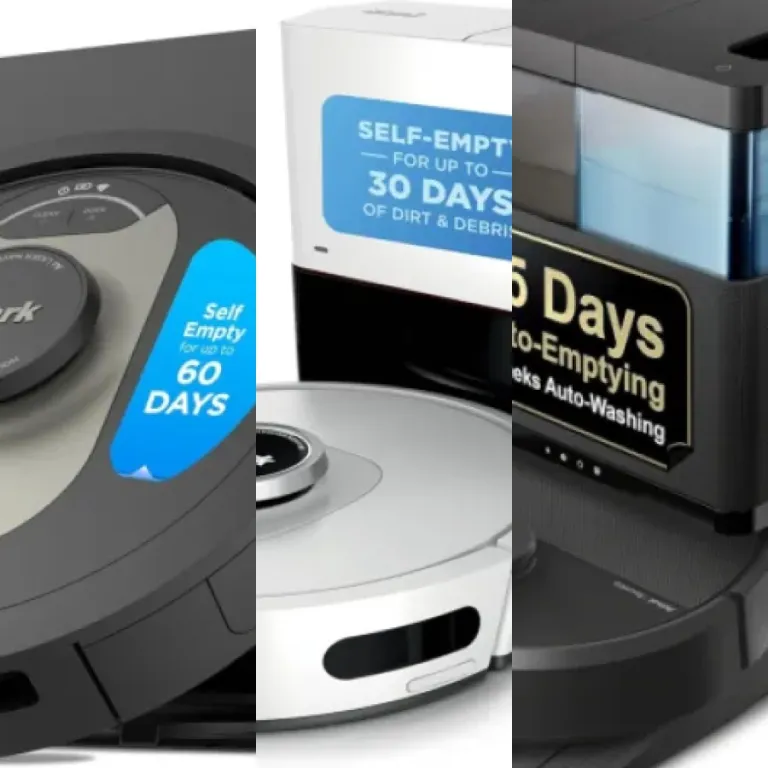
Robots equipped with lidar, time-of-flight sensors, and robust battery life can operate autonomously for extended periods. These systems enable real-time decision making, allowing robots to navigate around obstacles, pets, and unexpected objects with remarkable precision. The Dreame Matrix10 Ultra, for example, uses AI-enhanced obstacle avoidance and a mop-swapping dock, ensuring tailored cleaning for different rooms and surfaces.
Autonomous navigation is not limited to vacuums; robots like the Mammotion LUBA 3 AWD employ a Tri-Fusion Navigation System, combining lidar, RTK, and AI vision for precise path planning across complex terrains. This integration of robotics and artificial intelligence has elevated the capabilities of robots, making them indispensable for tasks that require adaptability and efficiency. As these systems continue to evolve, their real-world applications expand, offering improved performance and reliability for users seeking the best AI navigation robots.
Obstacle avoidance and object recognition: the core of intelligent robotics
Obstacle avoidance is a cornerstone of modern AI navigation robots, enabling them to operate safely and efficiently in dynamic environments. Advanced robots utilize machine learning and computer vision to identify and classify objects in real time, from small toys to large furniture, ensuring seamless navigation. The Narwal Freo Z Ultra exemplifies this with its ability to identify and avoid over 120 obstacle types, maintaining cleaning performance without human intervention.
Object recognition systems in these robots are based on deep learning algorithms that continuously improve through exposure to new environments and objects. This learning computer approach allows robots to adapt to changes, such as rearranged furniture or the presence of pets, enhancing their decision-making capabilities. The integration of lidar and time-of-flight sensors further refines their ability to detect obstacles, even in low light conditions, ensuring consistent performance at any time of day.
Robots with advanced obstacle avoidance systems not only protect themselves but also safeguard valuable household items. Their ability to interact with humans and pets, avoiding collisions and adapting their paths, demonstrates the sophistication of current robotics. For those seeking the best AI navigation robots, understanding the nuances of obstacle avoidance and object recognition is essential for making informed decisions. For a deeper dive into the technology behind these systems, explore our comprehensive guide to robot navigation technologies.
Performance metrics: evaluating the best AI navigation robots
Performance is a critical factor when assessing the best AI navigation robots, with metrics such as suction power, battery life, and navigation accuracy taking center stage. The Dreame Matrix10 Ultra boasts an impressive 30,000 Pa suction power, making it suitable for large, multi-surfaced environments. In contrast, the Narwal Freo Z Ultra offers 12,000 Pa, balancing powerful cleaning with advanced navigation and obstacle avoidance capabilities.
Battery life and autonomous operation are equally important, as users expect robots to complete complex tasks without frequent recharging. Robots with efficient path planning and real-time navigation systems can cover more ground in less time, optimizing both energy use and cleaning performance. The Mammotion LUBA 3 AWD, designed for outdoor use, can maintain up to 1.75 acres per day, demonstrating the scalability of AI navigation robots beyond indoor applications.
Evaluating performance also involves considering the adaptability of robots to different environments and their ability to handle unexpected obstacles. Real-time decision making, object recognition, and robust obstacle avoidance systems contribute to the overall effectiveness of these robots. For a detailed comparison of top-performing models, visit our robot vacuum performance review page.
Human-robot interaction and the evolution of learning systems
Human-robot interaction has become a focal point in the development of AI navigation robots, with advancements in learning computer systems and artificial intelligence driving more intuitive and responsive behaviors. Robots now engage with users through voice commands, app-based controls, and adaptive feedback, creating a seamless experience. The evolution of robotics has enabled robots to learn from their environments and users, refining their performance over time.
Machine learning algorithms empower robots to recognize patterns, anticipate user needs, and adjust their actions accordingly. This continuous learning process enhances the robots' ability to perform complex tasks, such as cleaning around pets or navigating cluttered spaces. The integration of computer vision and real-time data processing allows robots to make informed decisions, improving both safety and efficiency.
Humanoid robots, like those developed by Boston Dynamics and Unitree, showcase lifelike movements and advanced interaction capabilities, opening new possibilities for assistance and entertainment. As robots become more adept at understanding and responding to human cues, the potential for meaningful human-robot interaction grows.
Advanced navigation systems: lidar, time-of-flight, and AI vision
Navigation systems are the backbone of the best AI navigation robots, with technologies like lidar, time-of-flight sensors, and AI vision enabling precise mapping and movement. Lidar-based systems create detailed maps of the environment, allowing robots to plan optimal paths and avoid obstacles with high accuracy. Time-of-flight sensors complement this by providing real-time distance measurements, enhancing the robots' ability to navigate complex spaces.
The Mammotion LUBA 3 AWD's Tri-Fusion Navigation System exemplifies the integration of multiple technologies, combining lidar, RTK, and AI vision for unparalleled precision. This system enables the robot to handle uneven terrain, steep slopes, and a variety of obstacles, making it suitable for both residential and commercial applications. AI vision further enhances object recognition and decision making, allowing robots to adapt to changing environments and user needs.
These advanced navigation systems are not limited to vacuums and lawn mowers; they are increasingly being adopted in other domains, such as healthcare and personal assistance. The continuous improvement of sensor technologies and artificial intelligence promises even greater autonomy and functionality for future robots. For those evaluating the best AI navigation robots, understanding the role of navigation systems is crucial for selecting the right model.
Real-world applications and future trends in AI navigation robotics
The deployment of AI navigation robots in real-world settings has demonstrated their value in enhancing efficiency, safety, and user satisfaction. In commercial spaces, the Dreame Matrix10 Ultra has shown high efficiency in cleaning diverse surfaces, receiving positive feedback for its autonomous operation and minimal maintenance requirements. Similarly, the Mammotion LUBA 3 AWD has proven effective in maintaining residential lawns with complex terrains, reducing the need for manual intervention.
Trends indicate a growing integration of AI and robotics in home cleaning, lawn maintenance, and even human-robot interaction. Robots are increasingly capable of performing complex tasks, adapting to new environments, and learning from real-time data. The expansion of AI navigation robots into new domains, such as healthcare and personal assistance, holds the potential to revolutionize these industries.
Ethical considerations and regulatory frameworks will play a pivotal role in the widespread adoption of AI navigation robots. As technology advances, users can expect even greater performance, adaptability, and interaction capabilities from the best AI navigation robots. The future of robotics is shaped by continuous innovation, driven by the pursuit of efficiency, safety, and user-centric design.
Key statistics on best AI navigation robots
- Dreame Matrix10 Ultra Suction Power: 30,000 Pa
- Mammotion LUBA 3 AWD Mowing Capacity: 1.75 acres per day
- Narwal Freo Z Ultra Suction Power: 12,000 Pa
Frequently asked questions about best AI navigation robots
What technologies enable real-time obstacle avoidance in AI navigation robots?
AI navigation robots use a combination of lidar, time-of-flight sensors, computer vision, and machine learning to detect and avoid obstacles in real time. These systems allow robots to identify objects, pets, and furniture, adjusting their paths to ensure safe and efficient operation.
How do AI navigation robots adapt to changing environments?
Through continuous learning and object recognition, AI navigation robots update their internal maps and decision-making algorithms. This enables them to handle new obstacles, rearranged furniture, and varying lighting conditions, maintaining high performance over time.
What is the role of battery life in the performance of navigation robots?
Battery life determines how long a robot can operate autonomously before needing to recharge. Efficient path planning and real-time navigation help optimize energy use, allowing robots to complete complex tasks without frequent interruptions.
How do advanced navigation systems like Tri-Fusion improve robot performance?
Tri-Fusion Navigation Systems integrate lidar, RTK, and AI vision to provide precise mapping and path planning. This combination enhances the robot's ability to navigate complex terrains, avoid obstacles, and deliver consistent results in various environments.
What are the future prospects for AI navigation robots in other industries?
AI navigation robots are expected to expand into healthcare, personal assistance, and other domains, leveraging advanced robotics and artificial intelligence to perform specialized tasks. Ongoing advancements in sensor technology and learning systems will drive further innovation and adoption.
Expert Quotes:
- "The Dreame Matrix10 Ultra is a groundbreaking and premium hybrid robot vacuum designed for large, multi-surfaced homes or commercial spaces." – TechRadar
- "Mammotion's LUBA 3 AWD introduces the world's first Tri-Fusion Navigation System, combining LiDAR, RTK, and AI Vision for unparalleled precision." – T3
- "The Narwal Freo Z Ultra features advanced AI navigation and powerful cleaning, identifying and avoiding over 120 obstacle types for safe cleaning." – Vacuum Wars