Comparing top robot vacuums for carpet: features and real-world results
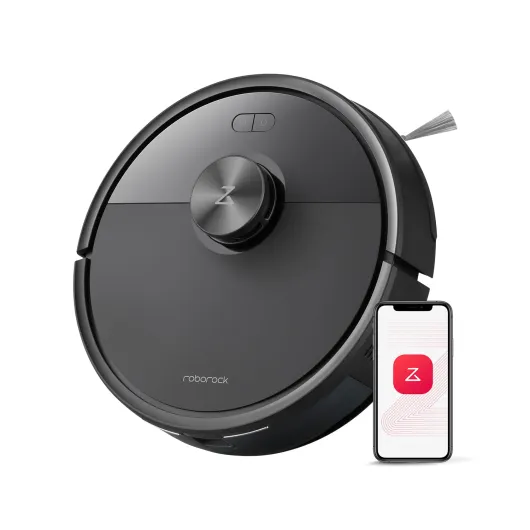
Several models stand out in the competitive landscape of robot vacuums for carpet, each offering unique strengths. The Roborock S7 MaxV, for example, combines robust suction power with advanced navigation, making it suitable for homes with both carpets and hard floors. Its ultrasonic mop feature adds versatility, allowing users to tackle dried-on stains in addition to regular vacuuming. According to Vacuum Wars, "The Roborock S7 MaxV is a well-rounded robot mop that excels on bare floors with a superior vacuuming rate of 99.15%. It also offers robust carpet vacuuming by removing 82.36% of dirt and dust, making it a dependable option if your home has mostly carpeted areas."
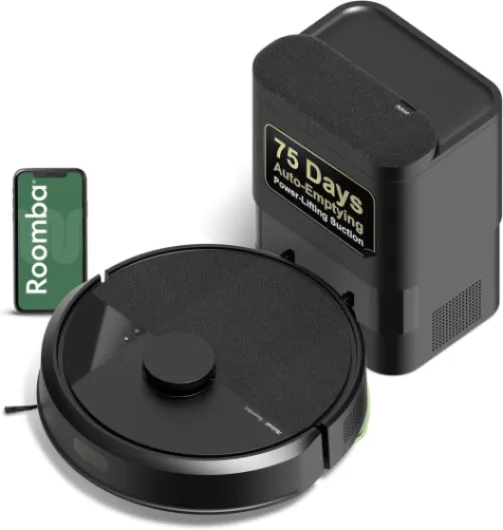
The Mova V50 Ultra Complete is another top contender, achieving 89% pickup on high-pile carpet in rigorous sand extraction tests. ChoiceTrail notes, "The Mova V50 Ultra Complete earned our highest mathematical score of 94.2/100... In my carpet sand extraction test... the V50 Ultra achieved 89% pickup on high-pile carpet. Most competitors struggled to reach 70%." This model’s advanced 3D structured light navigation and comprehensive self-maintenance base with a 75-day capacity make it ideal for busy households. For those interested in exploring a broader range of options, the best robot vacuum for carpet guide offers detailed comparisons and user reviews.
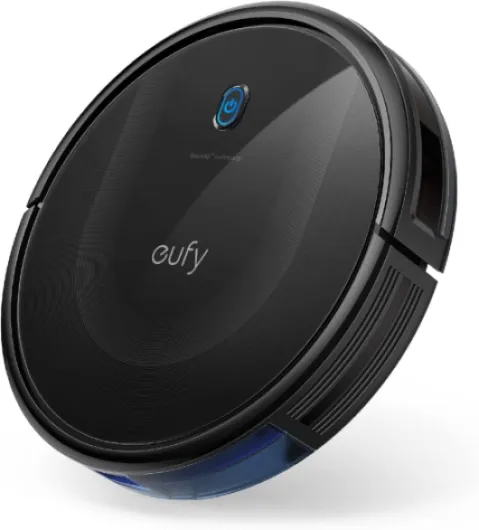
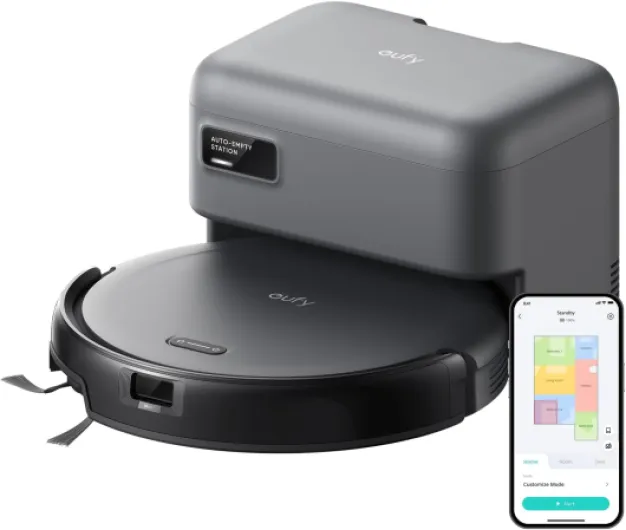
The Eufy Omni E25 stands out for its impressive 20,000 Pa suction power, which is among the highest in the market. Its innovative floor-washing system applies 1.5 kg of downward pressure, effectively mimicking manual scrubbing for deep cleaning. These features, combined with a robust brush roll and efficient auto empty system, position the Eufy Omni E25 as a strong choice for homes with demanding carpet cleaning needs.
Key technologies driving cleaning performance in robotic vacuums
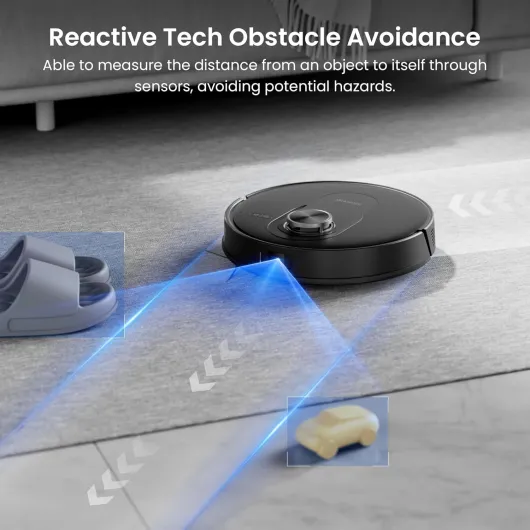
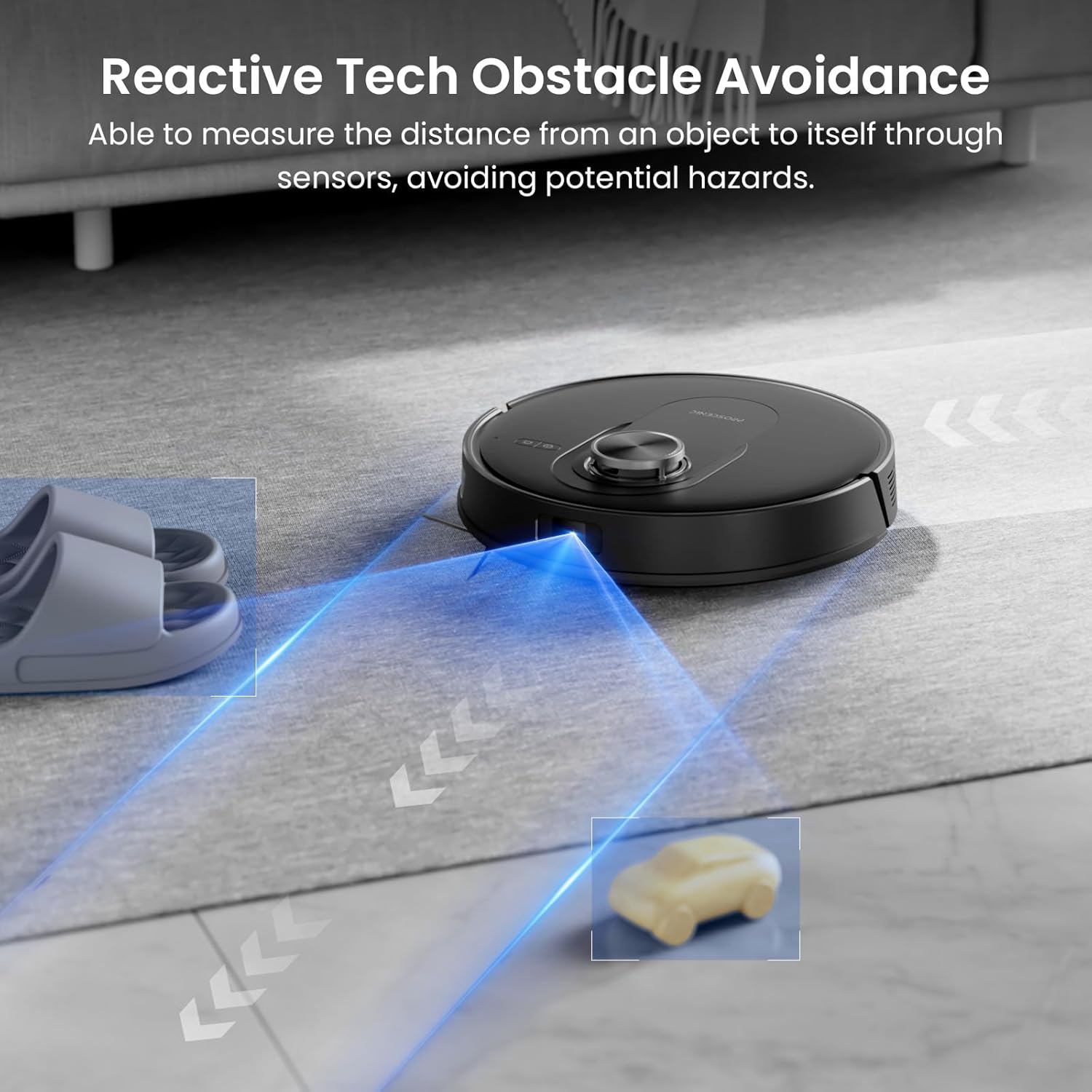
Modern robot vacuums leverage a suite of advanced technologies to enhance cleaning performance on carpeted surfaces. AI-powered navigation systems, including LiDAR and 3D scanning, enable vacuums like the roborock saros and roborock max to create precise maps of the home, optimizing cleaning routes and minimizing missed spots. These systems also improve obstacle avoidance, reducing the likelihood of the robot vacuum getting stuck on furniture or transitions between carpet and hard floors.
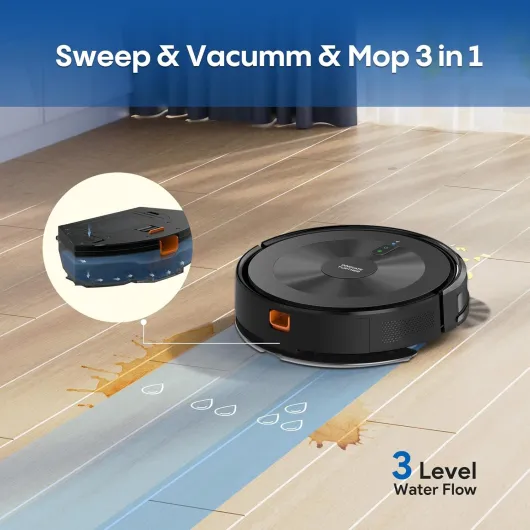
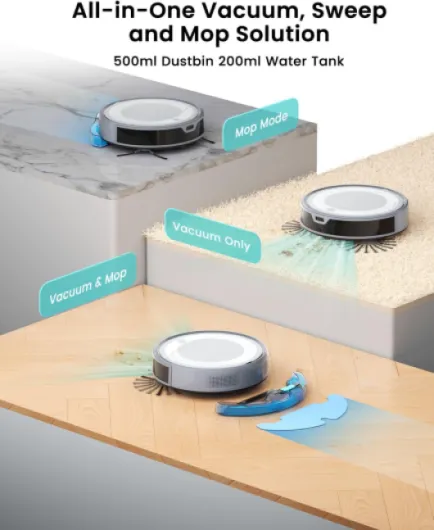
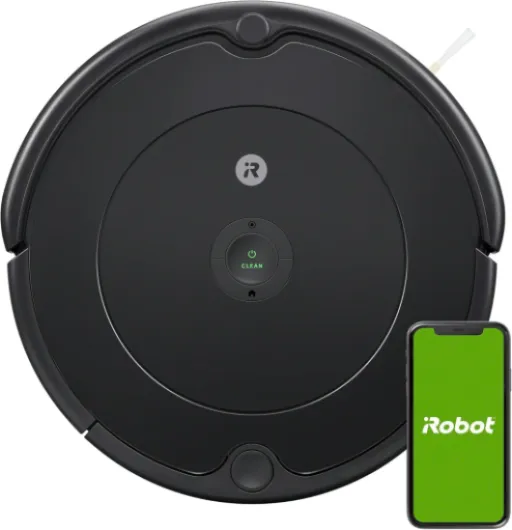
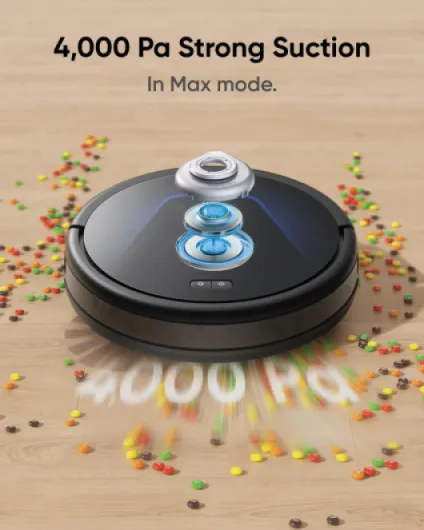
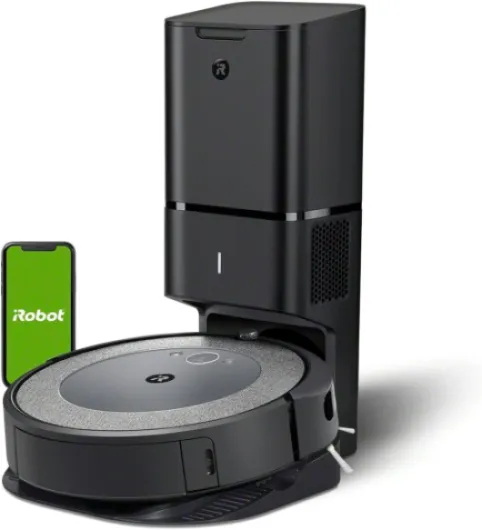
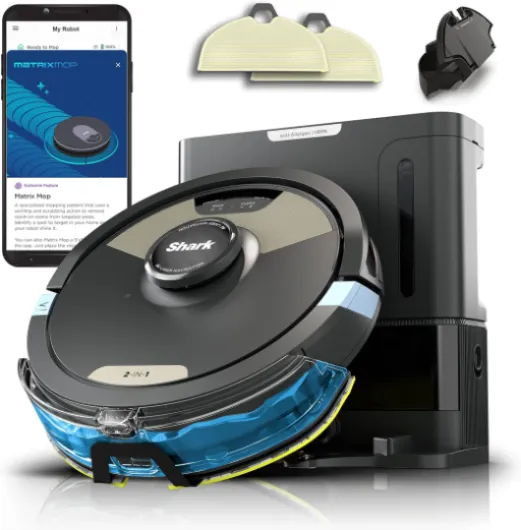
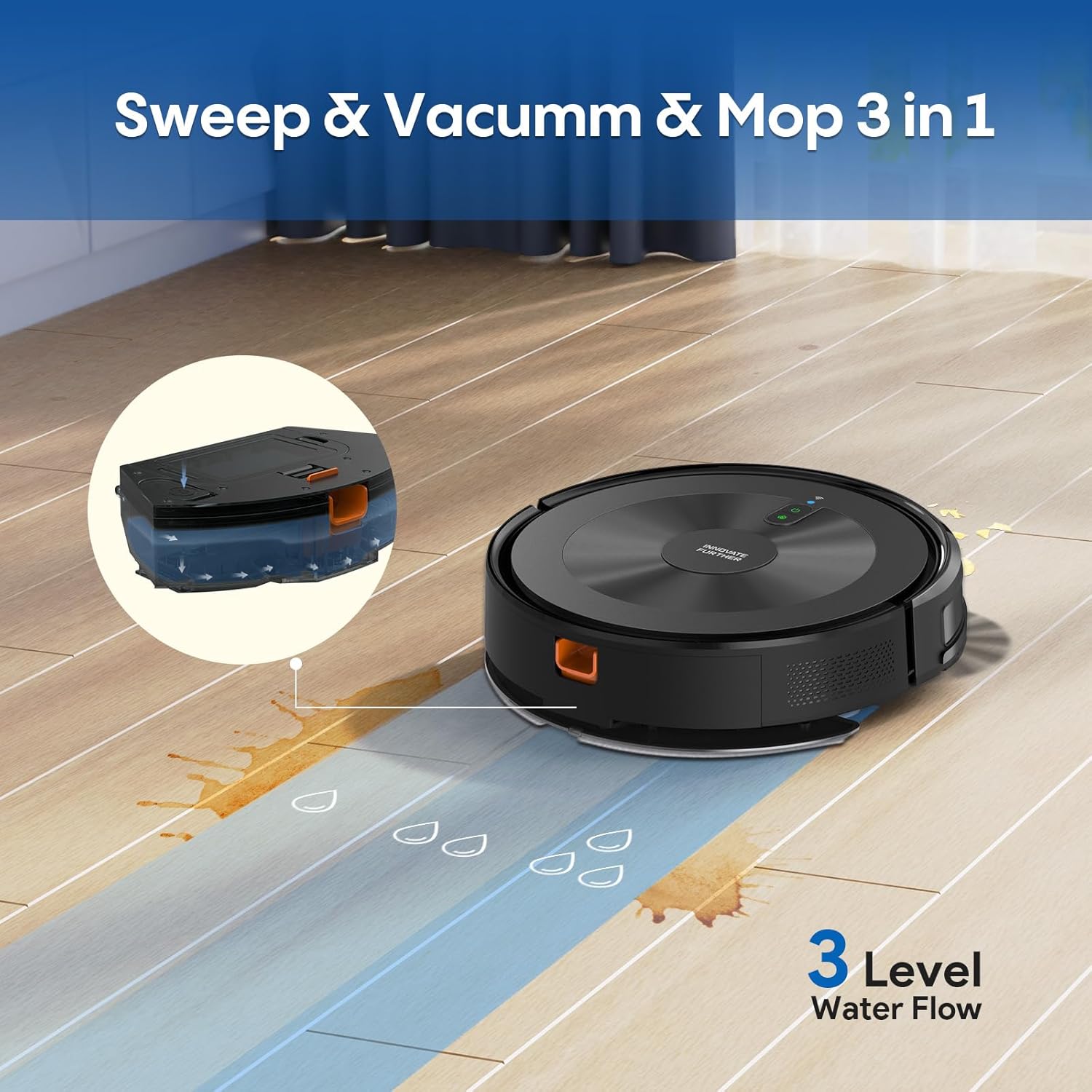
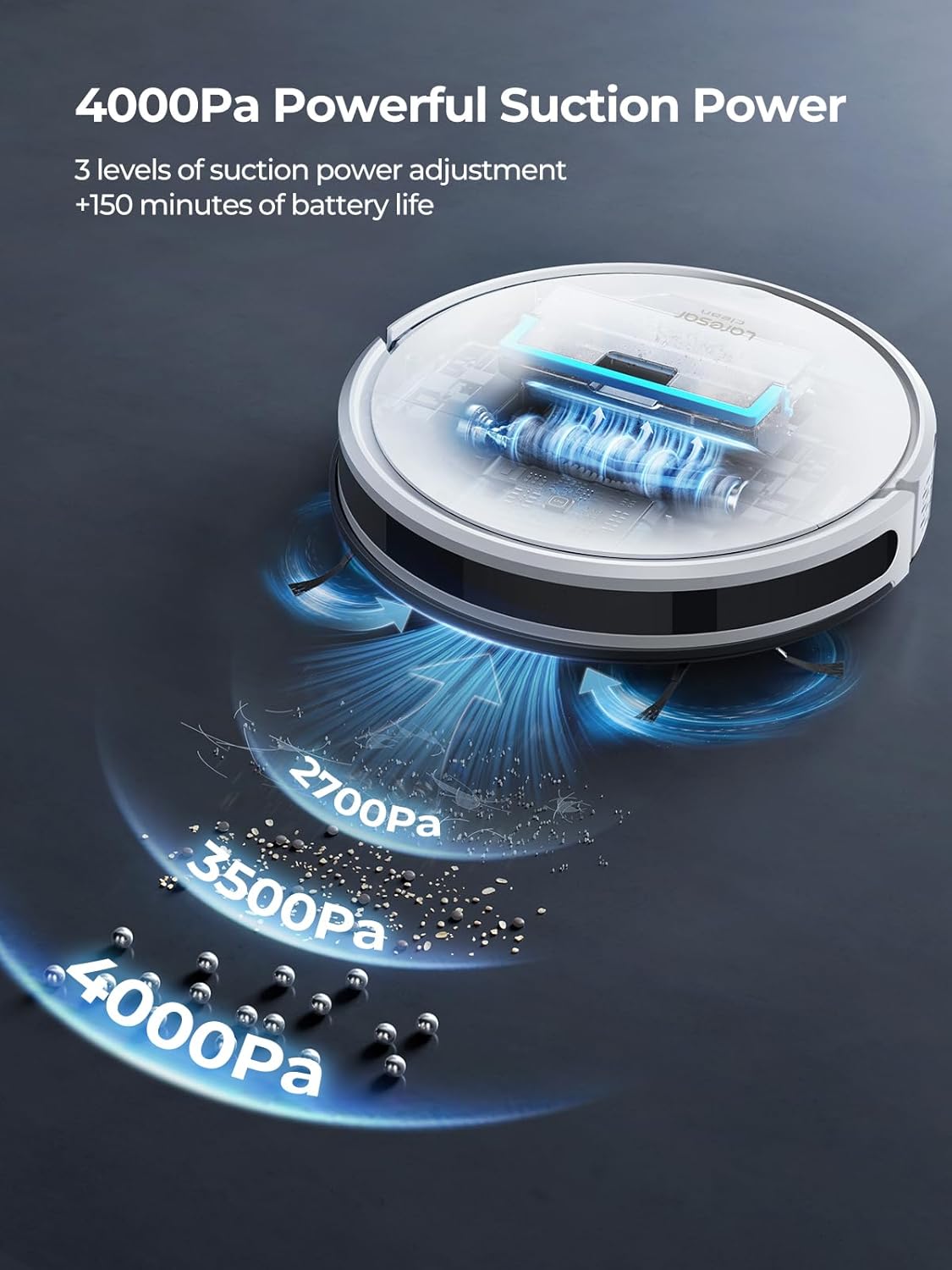
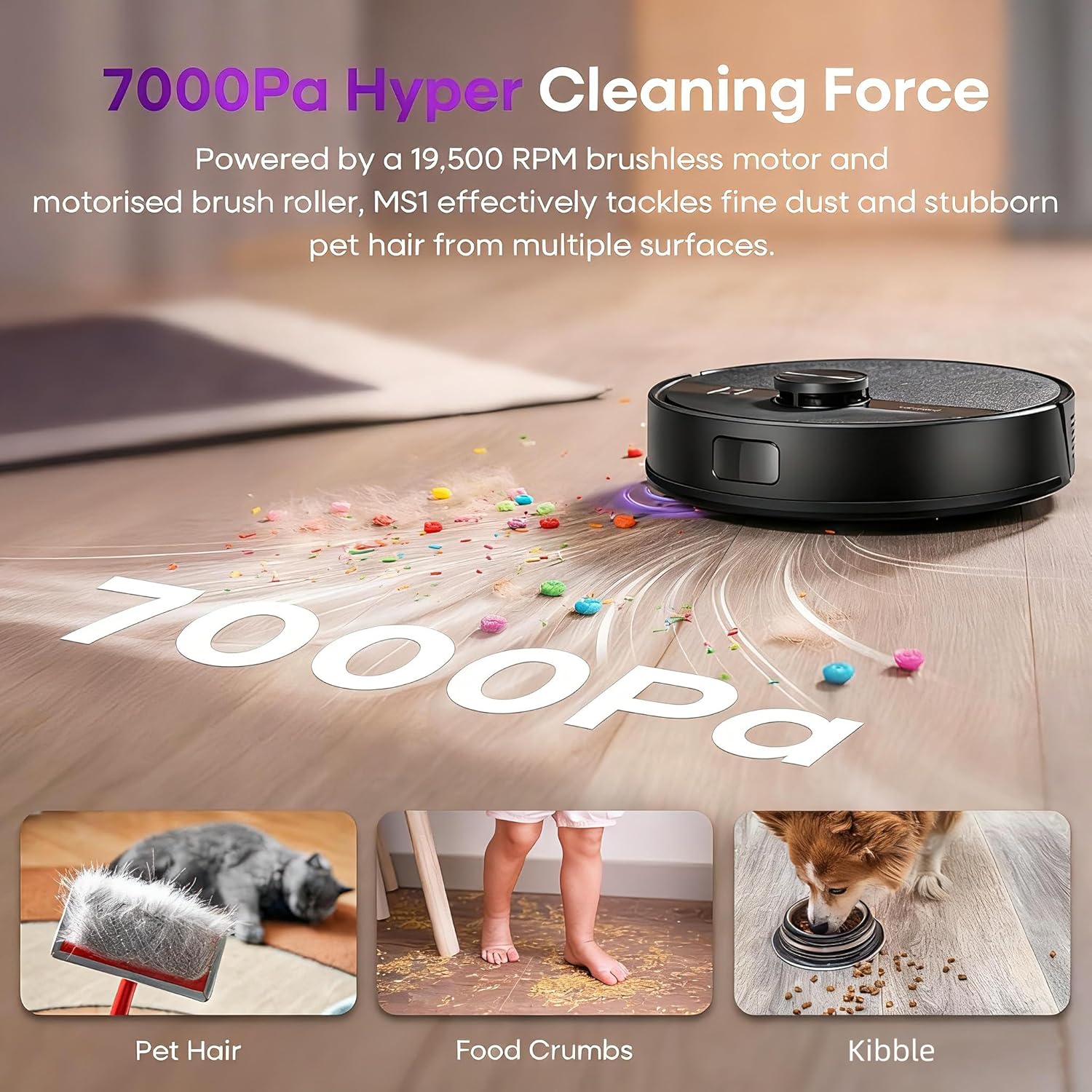
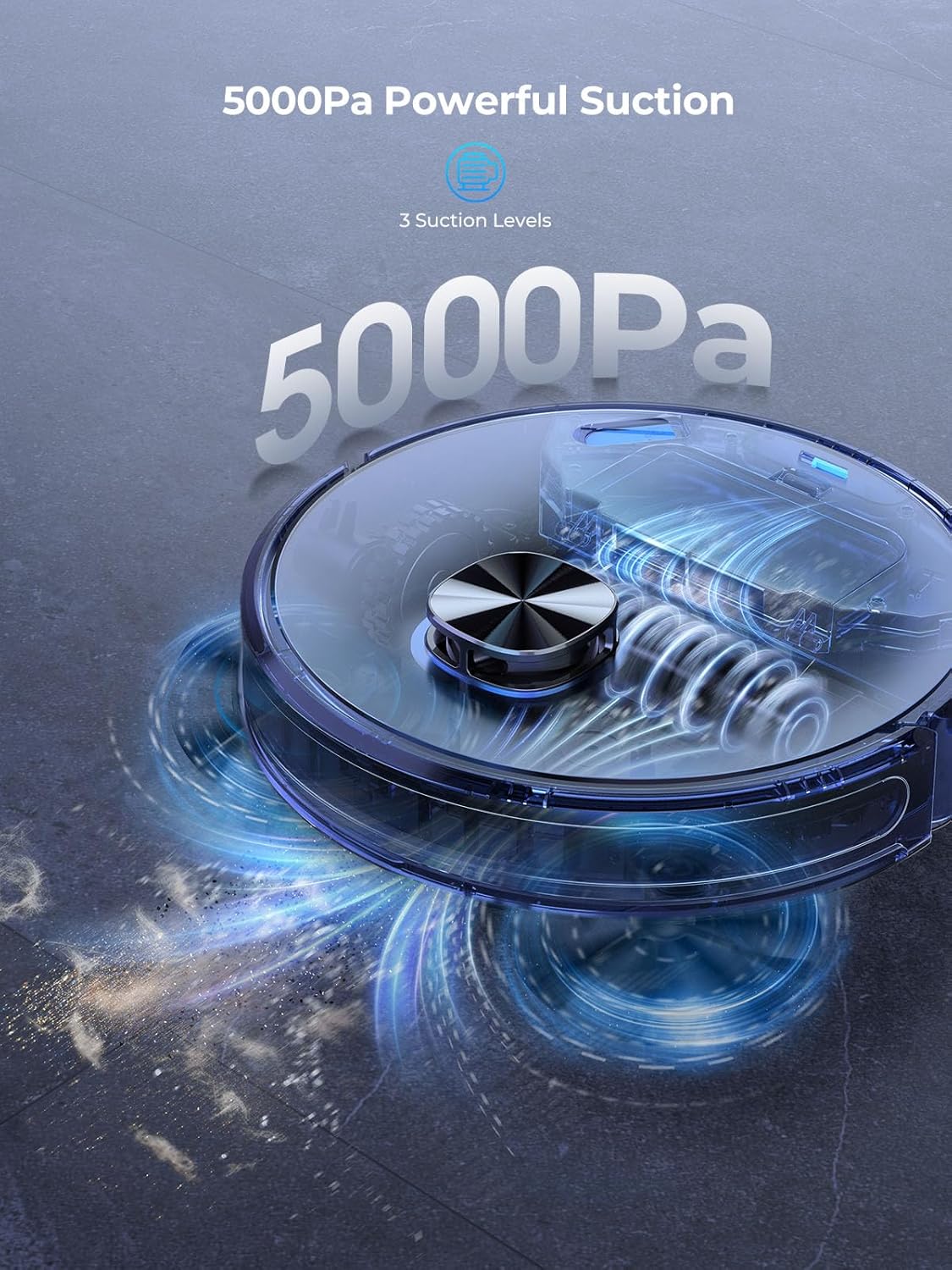
Suction power remains a defining metric, with models such as the Eufy Omni E25 delivering up to 20,000 Pa for deep carpet cleaning. The integration of dual rubber roller brushes, as seen in the roomba max and shark matrix, ensures effective pickup of pet hair and fine debris while reducing maintenance due to hair tangling. The vacuum mop and roomba combo models further expand functionality by offering both vacuuming and mopping in a single device, catering to homes with diverse flooring types.
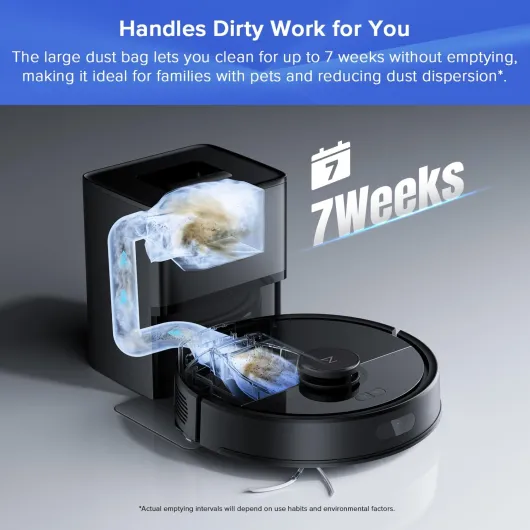
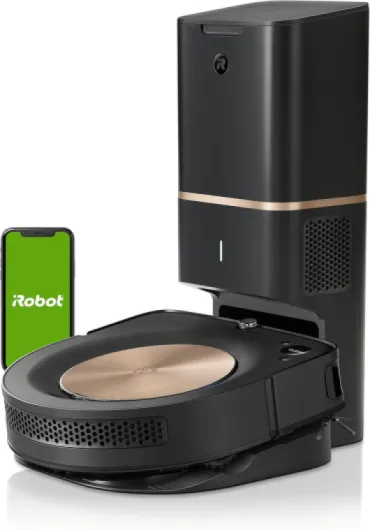
Autoempty dock systems, such as those found in the robot autoempty and auto empty models, streamline maintenance by automatically transferring collected debris to a larger bin. This feature is particularly valuable for users with large carpeted areas or high-traffic homes. For a comprehensive overview of these technologies and their impact on cleaning performance, readers can refer to the robotic vacuum technology guide.
Evaluating cleaning performance: metrics, tests, and user experiences
Assessing the cleaning performance of robot vacuums for carpet requires a combination of laboratory testing and real-world user feedback. Key metrics include suction power, measured in Pascals (Pa), and the percentage of debris pickup in standardized tests such as carpet sand extraction. For instance, the Roborock S7 MaxV achieved an 82.36% carpet cleaning efficiency, while the Mova V50 Ultra Complete reached an impressive 89% in high-pile carpet sand extraction tests.
User experiences further validate these results, with case studies highlighting the effectiveness of specific models in diverse environments. In a pet-friendly home, the Roborock S7 MaxV significantly reduced pet hair accumulation, maintaining cleaner carpets with minimal manual intervention. Similarly, the Mova V50 Ultra Complete demonstrated seamless cleaning across multiple carpeted levels, thanks to its advanced mapping and navigation capabilities. The Eufy Omni E25’s high suction power and downward pressure system proved effective in removing stubborn dirt and stains, particularly in high-traffic areas.
When evaluating robot vacuums, it is important to consider factors such as noise level, battery life, and the ease of maintenance provided by features like autoempty docks.
Maintenance, usability, and long-term value of robot vacuums for carpet
Long-term satisfaction with a robot vacuum for carpet depends on both its cleaning performance and the ease of maintenance. Autoempty dock systems, featured in models like the roborock max and shark matrix, significantly reduce the frequency of manual emptying, allowing users to go weeks without intervention. The design of the brush roll and the inclusion of dual rubber rollers help minimize hair tangling, making these vacuums especially suitable for homes with pets.
Usability is enhanced by intuitive app controls, scheduling options, and voice assistant integration, enabling users to customize cleaning routines and monitor performance remotely. The noise level of robotic vacuums is another consideration, particularly in open-plan homes or during nighttime operation. Models with optimized motors and sound-dampening features offer quieter operation without compromising suction power or cleaning efficiency.
Investing in a high-quality robot vacuum cleaner, such as the roborock saros or roomba combo, provides long-term value by maintaining carpet cleanliness, reducing allergens, and extending the life of flooring. Regular maintenance, including cleaning the brush roll and emptying the dustbin, ensures consistent performance and prolongs the lifespan of the device.
Future trends and innovations in robot vacuums for carpeted homes
The landscape of robot vacuums for carpet continues to evolve, driven by advancements in AI, sensor technology, and energy-efficient motors. Future models are expected to feature even more sophisticated navigation systems, leveraging machine learning to optimize cleaning patterns and adapt to changing environments. Enhanced obstacle detection will further reduce the risk of the vacuum getting stuck, ensuring uninterrupted cleaning sessions.
Improvements in suction power and brush roll design will enable robotic vacuums to tackle increasingly challenging debris, including fine dust and embedded pet hair. The integration of multi-functionality, such as vacuum mop and autoempty dock features, will provide comprehensive cleaning solutions for homes with mixed flooring. As these innovations become standard, users can expect greater convenience, efficiency, and cleaning performance from their robot vacuums.
Brands like roborock, roomba, and shark matrix are at the forefront of these developments, continually refining their products to meet the evolving needs of consumers. Staying informed about the latest trends and technologies ensures that users can make the best pick for their carpet cleaning requirements.
Key statistics on robot vacuum cleaning performance for carpet
- Roborock S7 MaxV carpet cleaning efficiency: 82.36%
- Mova V50 Ultra Complete carpet sand extraction: 89%
- Eufy Omni E25 suction power: 20,000 Pa