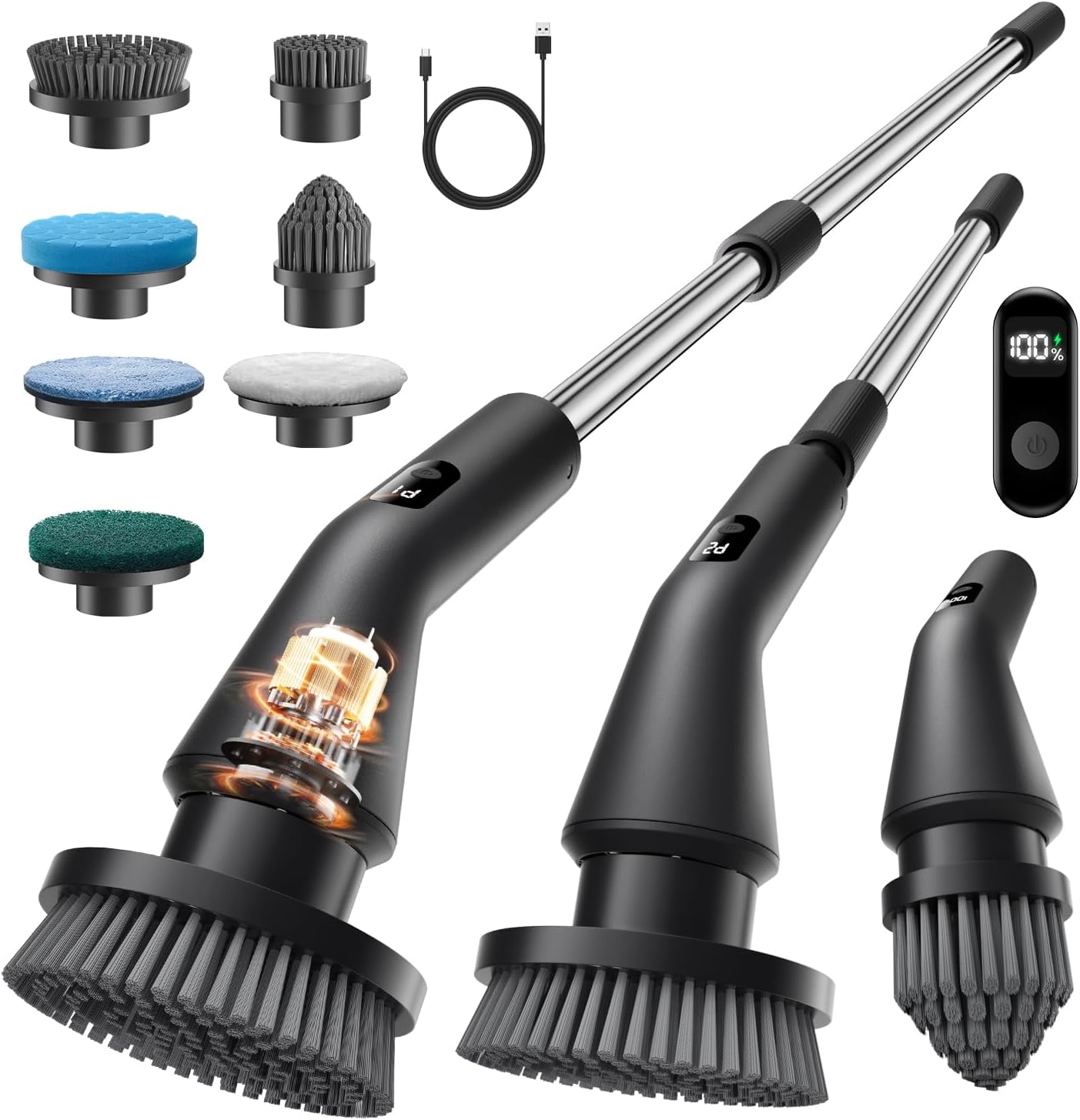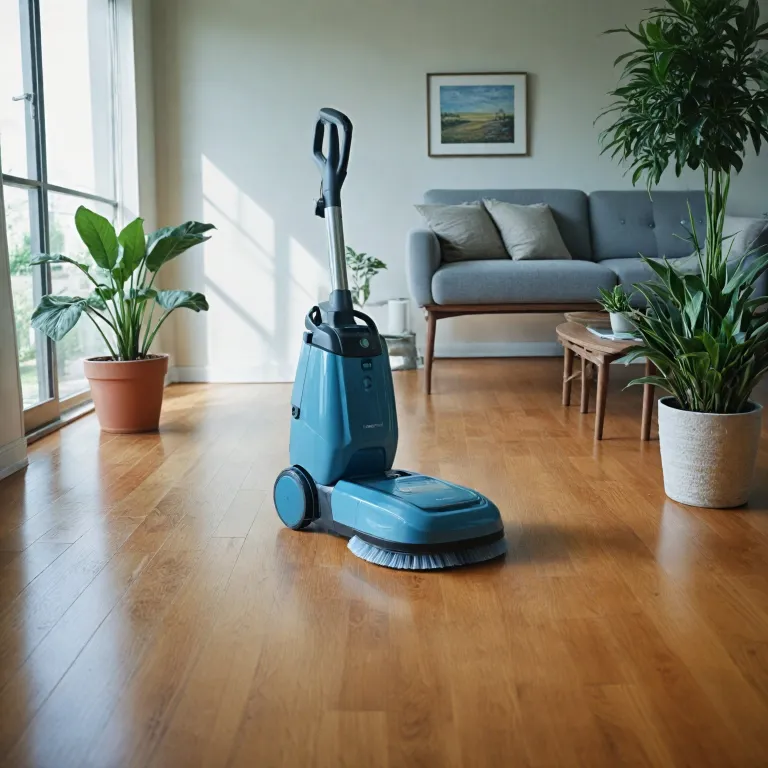

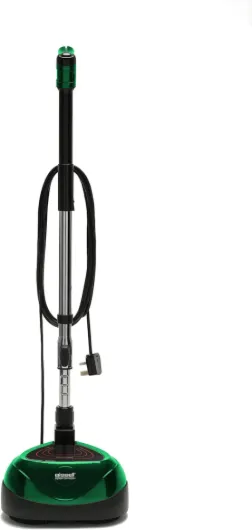

Understanding autonomous floor scrubber technology
How robotics is transforming floor cleaning at home
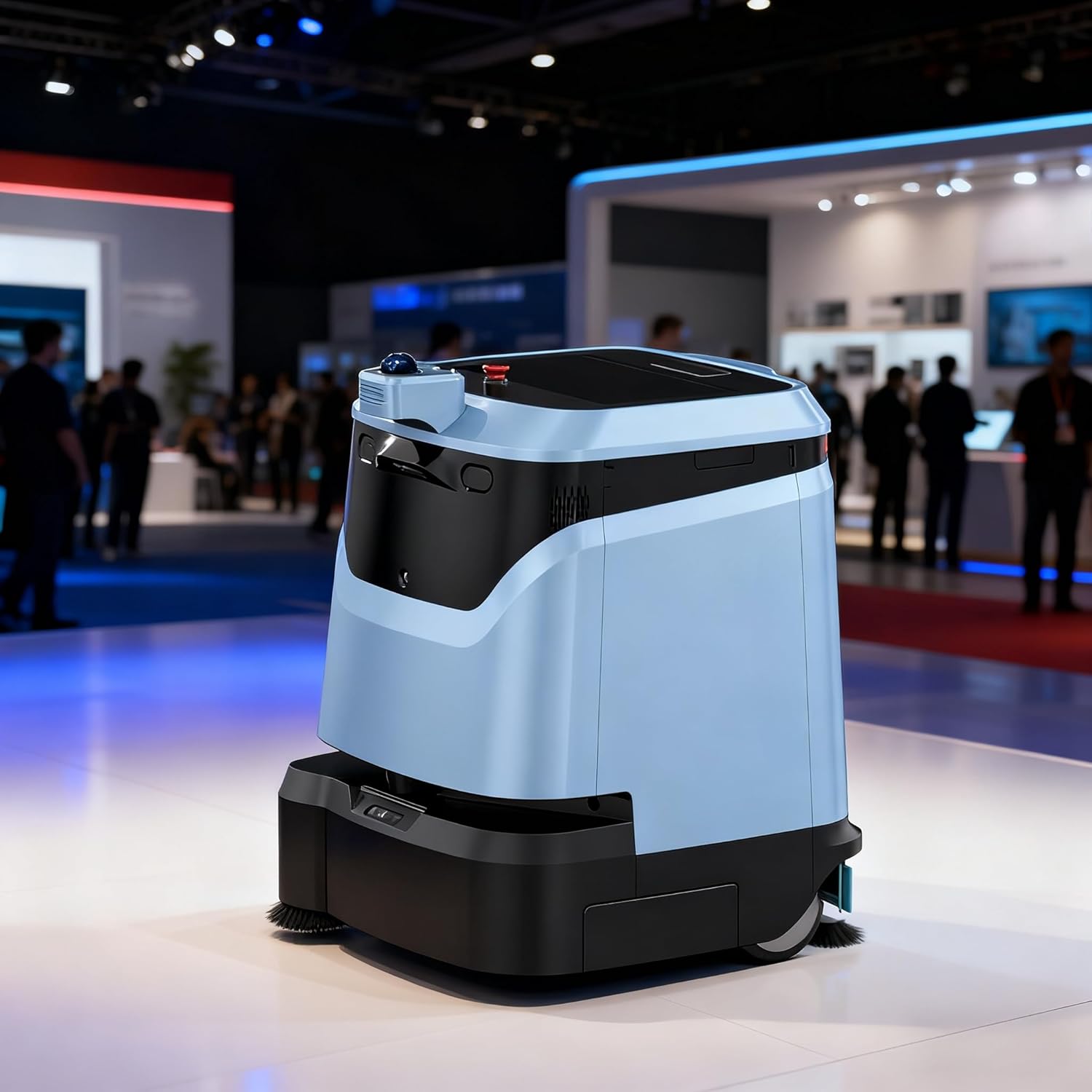
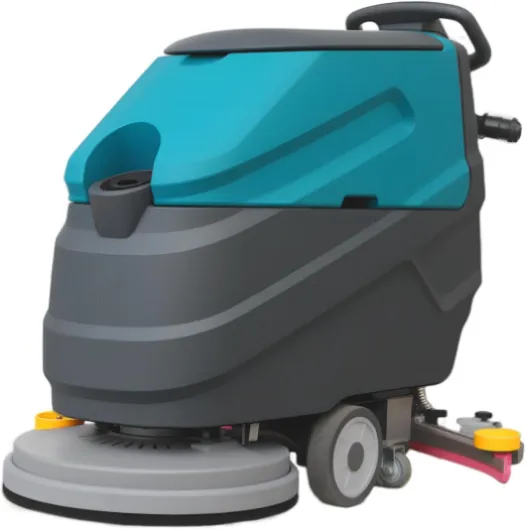
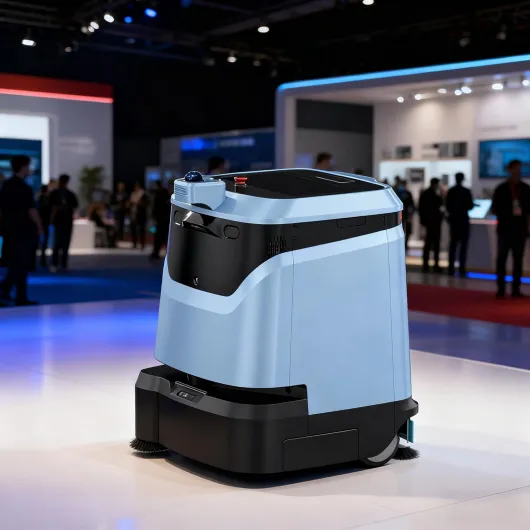
Autonomous floor scrubbers are reshaping the way we approach floor cleaning in our homes. These machines combine advanced robotics, smart sensors, and efficient cleaning solutions to deliver a level of cleaning efficiency that manual methods struggle to match. Unlike traditional cleaning machines, an autonomous floor scrubber operates with minimal human intervention, relying on real-time data and intelligent path planning to maximize cleaning coverage and avoid obstacles.
Key components and operation of robotic floor scrubbers
At the heart of every autonomous floor scrubber is a suite of sensors and a robust navigation system. These sensors help the cleaning robot detect furniture, walls, and other obstacles, ensuring safe and efficient operation. The water tank and scrubbing mechanism work together to loosen and remove dirt, while the battery provides enough power for extended cleaning sessions. Some models even return to their workstation to recharge or refill water automatically, further reducing the need for manual intervention.
- Obstacle avoidance: Advanced sensors allow the scrubber to navigate around objects in real time.
- Path planning: Algorithms map out the most efficient cleaning route for your floor layout.
- Cleaning solutions: Integrated tanks dispense water and cleaning agents as needed for different floor types.
- Safety features: Built-in safety protocols help prevent accidents and ensure reliable operation.
Why autonomous cleaning is gaining popularity
As homes get larger and schedules busier, the demand for high quality, time-saving cleaning solutions is rising. Robotic cleaning machines offer a practical answer, delivering consistent results with less effort. The ability to monitor and control these machines in real time adds another layer of convenience, making it easier than ever to maintain spotless floors without constant supervision.
For a deeper look at how these technologies are changing the way you clean your home, check out this guide on how the Roomba Combo 10 Max changes the way you clean your home.

Key benefits of using an autonomous floor scrubber at home
Unlocking Efficiency and Convenience in Home Cleaning
Autonomous floor scrubbers are transforming the way people approach floor cleaning at home. These advanced cleaning machines combine robotics, sensors, and smart path planning to deliver a level of cleaning efficiency that manual methods struggle to match. By automating the scrubbing process, homeowners can maximize cleaning results while saving valuable time and effort.
- Time-saving operation: Robotic floor scrubbers work independently, reducing the need for human intervention. This allows users to focus on other tasks or simply relax while the cleaning robot takes care of the floors.
- Consistent cleaning quality: Thanks to real-time sensor feedback and advanced navigation, these machines maintain high-quality cleaning across large areas. The autonomous cleaning process ensures even coverage and thorough dirt removal.
- Water and cleaning solutions management: With integrated water tanks and precise dosing systems, autonomous floor scrubbers optimize the use of water and cleaning solutions. This not only improves cleaning results but also supports sustainability by minimizing waste.
- Enhanced safety and obstacle avoidance: Modern scrubbers use sophisticated sensors for obstacle avoidance, reducing the risk of collisions with furniture or other objects. This makes operation safer and more reliable in busy home environments.
- Battery-powered flexibility: Cordless operation and efficient battery management mean these machines can cover large floor areas without being tethered to a workstation or power outlet.
For those exploring the latest in robotic cleaning solutions, autonomous floor scrubbers offer a real upgrade over traditional cleaning machines. Their ability to deliver consistent, high-quality results with minimal manual input is a major advantage for busy households. To learn more about how these devices are enhancing home cleanliness, check out this detailed guide on enhancing home cleanliness with robotic floor scrubbers.
Challenges and limitations of autonomous floor scrubbers
Real-World Obstacles and Sensor Limitations
While autonomous floor scrubbers offer impressive cleaning efficiency, their operation is not without challenges. One of the main hurdles is reliable obstacle avoidance. Even with advanced sensors and real-time path planning, these machines can struggle with unexpected objects, low-lying furniture, or cluttered spaces. Some sensors may miss small items or cords, leading to interruptions in cleaning or even minor accidents. This highlights the importance of robust robotics and sensor technology in maximizing cleaning performance and safety.
Water Management and Battery Life
Another limitation is the management of water tanks and battery capacity. Robotic floor scrubbers need a sufficient water supply for effective cleaning, but their tanks are often small to keep the machines compact. This means frequent refills, especially in large homes. Similarly, battery life can limit the duration of autonomous cleaning, requiring the machine to return to its workstation for recharging before completing the job. These factors can reduce the time savings expected from autonomous cleaning solutions.
Maintenance and Human Intervention
Despite their autonomous operation, these cleaning machines still require regular human intervention. Tasks like emptying dirty water tanks, cleaning brushes, and checking sensors are necessary to maintain high-quality performance. If neglected, the scrubber’s cleaning efficiency can drop, and issues like unpleasant odors or reduced water flow may arise. This ongoing maintenance can be a drawback for users seeking a truly hands-off cleaning robotic experience.
Cost and Accessibility
Robotic cleaning solutions, especially those designed for home use, can represent a significant investment. High-quality autonomous floor scrubbers often cost more than traditional cleaning machines or even some robot vacuums. For many, the price point may be a barrier, particularly when considering the need for occasional manual cleaning in hard-to-reach areas.
Comparing with Other Cleaning Robots
When exploring the differences between autonomous floor scrubbers and other robotic cleaning options, it becomes clear that each has its own set of challenges. For example, robot vacuums with self-emptying features can reduce the need for human intervention even further, but may not offer the same deep cleaning as a floor scrubber. Understanding these distinctions is key to finding the right cleaning solutions for your needs.
Comparing autonomous floor scrubbers and robot vacuums
How do autonomous floor scrubbers and robot vacuums differ in operation?
Autonomous floor scrubbers and robot vacuums both use robotics and sensors to automate floor cleaning, but their core functions and cleaning solutions set them apart. Robot vacuums are designed for dry debris, using suction and brushes to collect dust and dirt. In contrast, autonomous floor scrubbers combine water, cleaning solutions, and scrubbing pads to tackle stains and grime, making them ideal for deeper floor cleaning tasks.
Cleaning efficiency and coverage
Robotic floor scrubbers maximize cleaning efficiency by using advanced path planning and real time obstacle avoidance. Their sensors help them navigate large areas and avoid obstacles, reducing the need for human intervention. Robot vacuums, while efficient for daily dust and debris, may struggle with sticky or dried spills that require water and scrubbing action. For homes with high-traffic areas or tough stains, a scrubber can deliver a more thorough clean.
Water management and maintenance
One of the main differences is water usage. Autonomous floor scrubbers feature a water tank and dispense cleaning solutions directly onto the floor, then scrub and vacuum up the dirty water. This process is more involved than the dry operation of most robot vacuums. As a result, scrubbers require regular maintenance of water tanks and cleaning pads, while vacuums mainly need dustbin emptying and filter cleaning.
Safety and automation features
Both machines rely on sensors for safe operation, but scrubbers often include additional safety features for wet floor cleaning, such as real time monitoring and emergency stop functions. Their advanced robotics allow for precise driving floor navigation, reducing the risk of slips or accidents during operation. Robot vacuums, while generally safe, are less complex in this regard due to their dry cleaning focus.
Choosing the right solution for your needs
- If your priority is daily dust and pet hair removal, a robot vacuum offers a simple, low-maintenance solution.
- For homes with hard floors that need regular deep cleaning, especially in large or high-traffic areas, an autonomous floor scrubber provides a more robust and high quality cleaning robotic experience.
- Consider your floor type, cleaning frequency, and whether you need wet or dry cleaning before making a decision. For tailored advice, contacting a dealer or exploring workstation demos can help you compare real machines in action.
Tips for choosing the right autonomous floor scrubber
Factors to Consider Before Buying
When exploring the world of autonomous floor scrubbers, it’s important to focus on features that match your home’s cleaning needs. Not all machines are created equal, and the right choice can maximize cleaning efficiency while minimizing human intervention.
- Cleaning Area and Floor Type: Assess the size of your home and the types of floors you have. Some robotic cleaning machines are better suited for large open spaces, while others excel in smaller or more complex layouts. Make sure the scrubber is compatible with your floor surfaces, whether tile, hardwood, or laminate.
- Battery Life and Water Tank Capacity: For larger homes, a longer battery life and a bigger water tank are essential. This ensures the cleaning robot can complete its operation without frequent stops for recharging or refilling. Check the real-world runtime and tank size in product specifications.
- Sensor Technology and Obstacle Avoidance: Advanced sensors and real-time path planning help robotic floor scrubbers navigate around furniture and avoid obstacles. Look for models with reliable obstacle avoidance and accurate mapping to ensure thorough floor cleaning without getting stuck.
- Cleaning Solutions and Maintenance: Some machines require specific cleaning solutions, while others work with water alone. Consider the cost and availability of compatible cleaning solutions. Also, review how easy it is to clean and maintain the scrubber, including emptying the water tank and cleaning the brushes.
- Safety Features: Safety is crucial, especially in homes with children or pets. Features like automatic shut-off, secure water tanks, and robust sensors can prevent accidents during autonomous cleaning.
- Connectivity and Real-Time Monitoring: Many modern cleaning robots offer app-based controls, allowing you to monitor operation, schedule cleaning, and receive real-time updates from your workstation or mobile device.
- Support and Service: Consider the availability of customer support and the ease of contacting a dealer for service or replacement parts. High quality after-sales support can make a big difference in the long-term operation of your robotic cleaning machine.
Comparing Models and Brands
Take time to compare different brands and models. Look for independent reviews and real user feedback to gauge cleaning efficiency, reliability, and durability. Some robotic floor scrubbers are designed for heavy-duty use, while others are more suitable for light, everyday cleaning. Make sure the model you choose aligns with your expectations for autonomous cleaning and maintenance.
Budget and Value
While it’s tempting to go for the most advanced robotics solutions, balance your budget with the features you truly need. Investing in a high quality autonomous floor scrubber can save time and effort in the long run, but it’s important to ensure you’re getting real value for your money.
Maintenance and care for your autonomous floor scrubber
Essential steps for keeping your robotic floor scrubber in top shape
Maintaining your autonomous floor scrubber is crucial for maximizing cleaning efficiency and ensuring safe, reliable operation. While these cleaning machines are designed to reduce human intervention, regular care is still needed to keep them running smoothly and extend their lifespan.
- Empty and clean the water tank: After each cleaning session, remove any leftover water and rinse the tank. This prevents buildup of cleaning solutions and helps avoid unpleasant odors.
- Check and clean sensors: Sensors are vital for real-time obstacle avoidance and path planning. Wipe them gently with a soft cloth to ensure accurate navigation and efficient cleaning.
- Inspect brushes and scrubber pads: Debris and hair can get tangled in the brushes or pads, reducing cleaning performance. Remove and clean them regularly to maintain high quality floor cleaning.
- Monitor battery health: Recharge the battery after each use and avoid letting it fully discharge. If your workstation supports it, use the automatic charging feature to keep the robotic cleaning machine ready for operation.
- Check for software updates: Many autonomous cleaning solutions receive updates that improve robotics algorithms and sensor performance. Connect your machine to its app or workstation to explore available updates.
- Inspect for wear and tear: Regularly examine wheels, squeegees, and other moving parts for signs of damage. Replace worn components to ensure safe and effective cleaning.
- Use recommended cleaning solutions: Only use solutions approved by the manufacturer to avoid damaging internal components and to maximize cleaning results.
- Schedule periodic deep cleaning: Every few weeks, perform a more thorough manual cleaning of your robotic floor scrubber, including the water tank, sensors, and brushes.
When to contact your dealer or service center
If you notice persistent issues such as reduced cleaning efficiency, sensor errors, or battery problems, it’s best to contact your dealer or authorized service center. Professional support ensures your autonomous floor scrubber continues to deliver high quality results and operates safely in your home environment.
| Maintenance Task | Frequency | Purpose |
|---|---|---|
| Empty water tank | After every use | Prevents buildup and odors |
| Clean sensors | Weekly | Ensures obstacle avoidance and path planning |
| Inspect brushes/pads | Weekly | Maintains cleaning efficiency |
| Check battery | After every use | Ensures reliable operation |
| Software updates | Monthly | Improves robotics and sensor performance |
| Deep cleaning | Monthly | Extends machine lifespan |