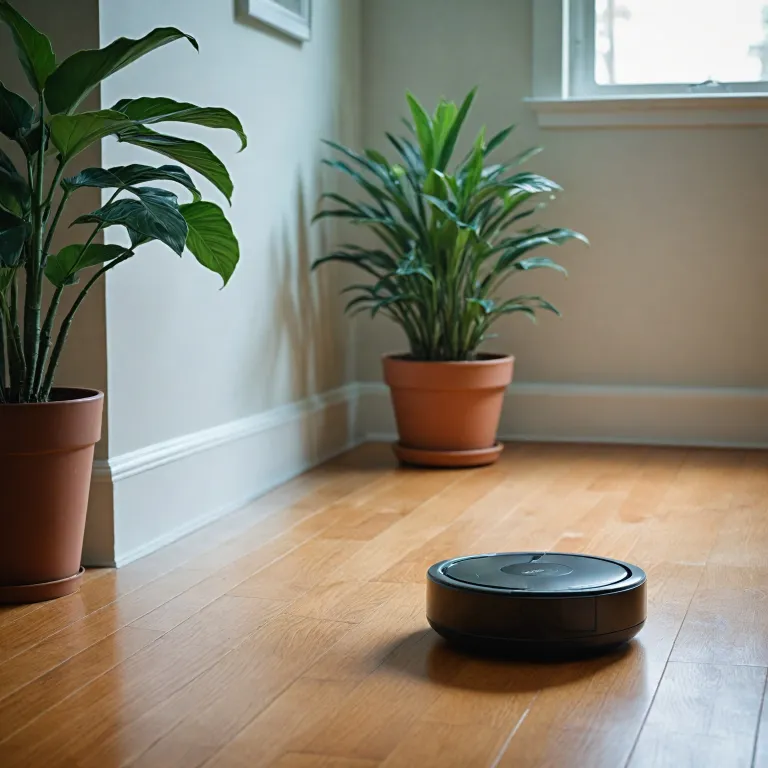

Understanding the unique cleaning needs of hardwood floors
Hardwood floors present specific challenges for robot vacuums and cleaners. Their smooth surfaces highlight dust, pet hair, and debris, while water exposure can risk warping or staining. Selecting the best robot cleaner for hardwood floors means balancing powerful vacuum suction with gentle mopping to avoid damage.
Robot vacuums designed for hardwood floors often feature advanced navigation systems, such as LiDAR and AI-based obstacle avoidance, to ensure thorough coverage without scratching or missing areas. The integration of mopping functions, like those found in the Roomba Max 705 Combo with its heated PowerSpin roller mop, enhances cleaning by tackling sticky residues and fine dust. The best robot vacuum models also include self-cleaning docks and mop washing features, reducing manual maintenance and ensuring the mop remains fresh for each cycle.
When evaluating vacuums best suited for hardwood, it is crucial to consider suction power. For example, the eufy Robot Vacuum Omni E28 offers an impressive 20,000Pa suction, making it highly effective at removing debris and pet hair from floors. However, excessive suction without proper mopping technology can lead to streaks or water damage, so a balance is essential. Modern robot vacuums, such as the Roborock Q7 Max+ and Dreame Ultra, combine strong suction with advanced mopping systems, ensuring comprehensive cleaning for hardwood floors.
Maintenance features like self-emptying dustbins and mop washing systems, as seen in the Roomba Max 705 Combo's AutoWash dock, further enhance user convenience. These innovations reduce the frequency of manual intervention, keeping the vacuum cleaner and mop ready for daily use. As hardwood floors require careful attention, choosing a robot vacuum with these specialized features ensures both cleanliness and preservation of your flooring.
Comparing top robot vacuum models for hardwood floor performance
Several robot vacuum models stand out for their performance on hardwood floors. The Roborock Saros 10, praised for its exceptional cleaning on varied surfaces, features AI-based obstacle recognition and advanced mopping capabilities. "The standout performer is the Roborock Saros 10R, praised for its exceptional cleaning on varied surfaces, AI-based obstacle recognition, and advanced mopping capabilities." This model's retractable LiDAR puck allows it to clean under low furniture, ensuring no area is missed.
The eufy Robot Vacuum Omni E28, with its 20,000Pa suction power, is among the most powerful vacuums robot options available. Its HydroJet™ System keeps the mop fresh during cleaning, making it ideal for hardwood floors that require both strong vacuuming and gentle mopping. The Roomba Max 705 Combo, highlighted by Homes & Gardens, is tailored for homes with predominantly hard floors and offers exceptional mopping capabilities. "The Roomba Max 705 Combo is a high-end robot vacuum and mop system tailored for homes with predominantly hard floors. It stands out for its exceptional mopping capabilities."
Other notable models include the Roborock Q7 Max+, Dreame Ultra, and Ecovacs Deebot Ozmo N8 Pro+, each offering a combination of high suction power and advanced cleaning features. The Shark Stratos Cordless Vacuum, while not a robot, remains one of the top-performing vacuum cleaners for hardwood floors due to its powerful suction and user-friendly design. "The Shark Stratos Cordless Vacuum remains one of the brand's top-performing cordless vacuums in 2026, known for its powerful suction and reliable performance." For those seeking a comprehensive guide to robot vacuum cleaners, the robot vacuum comparison page provides detailed insights into various models and their suitability for hardwood floors.
When comparing vacuums hardwood options, consider factors such as suction power, navigation technology, and maintenance features. Models like the Roborock Q7 Max+ and Eufy Robovac offer a balance of performance and convenience, making them top choices for maintaining pristine hardwood floors. The inclusion of mop washing and hot water mop systems further enhances cleaning efficiency, ensuring that both vacuuming and mopping are handled effectively.
Advanced mopping technologies and their impact on hardwood floor care
Modern robot vacuums have evolved to include sophisticated mopping systems, addressing the unique needs of hardwood floors. Integration of heated roller mops, as seen in the Roomba Max 705 Combo, ensures that sticky residues and fine dust are effectively removed without leaving streaks. The AutoWash dock automatically cleans, dries, and maintains the mop, reducing manual intervention and preserving the quality of the mop for each cleaning session.
Roborock's Saros 10 and Q7 Max+ models incorporate vibrating mop pads and retractable LiDAR navigation, allowing for precise cleaning under furniture and along edges. These features ensure that every corner of the floor is addressed, minimizing the risk of missed debris or water pooling. The Dreame Ultra and Ecovacs Deebot models also utilize advanced mopping technologies, such as hot water mop washing and self-cleaning docks, to maintain optimal cleaning performance.
The use of water mop systems in robot vacuums must be carefully managed to avoid over-wetting hardwood floors. Features like the HydroJet™ System in the eufy Robot Vacuum Omni E28 regulate water usage, ensuring that the mop remains damp enough for effective cleaning without risking water damage. Vacuum mop combinations, such as those found in the Roborock Pro Ultra and Eufy Robovac, offer versatility for homes with mixed flooring types.
For those interested in exploring the latest advancements in robot vacuum mopping technology, the robot mop innovation guide provides in-depth analysis and product recommendations. As mopping systems continue to improve, users can expect even greater efficiency and floor care from the best robot vacuum cleaners designed for hardwood surfaces.
Navigation, obstacle avoidance, and smart features in robot vacuums
Efficient navigation and obstacle avoidance are critical for robot vacuums operating on hardwood floors. Advanced models utilize AI and LiDAR technologies to map the environment, detect obstacles, and plan optimal cleaning paths. This ensures comprehensive coverage and reduces the likelihood of the vacuum getting stuck or missing areas.
The Roborock Saros 10 stands out with its retractable LiDAR puck, enabling it to clean under low furniture and navigate complex layouts. AI-based obstacle recognition allows the vacuum to identify and avoid objects such as cables, rugs, and furniture legs, minimizing the risk of collisions or damage to both the vacuum and the floor. The Roborock Q7 Max+ and Dreame Ultra also feature smart navigation systems, enhancing their ability to adapt to dynamic home environments.
Smart features extend beyond navigation, with many robot vacuums offering app-based controls, scheduling, and integration with voice assistants. Users can customize cleaning routines, set no-go zones, and monitor the vacuum's progress in real time. The inclusion of self-emptying dustbins and mop washing systems, as seen in the Roomba Max 705 Combo and Ecovacs Deebot, further streamlines maintenance and ensures the vacuum is always ready for use. As technology continues to advance, future robot vacuums are expected to incorporate even more sophisticated navigation and personalization features, enhancing their effectiveness on hardwood floors.
Maintenance, durability, and user experience with robot vacuum cleaners
Maintaining a robot vacuum cleaner is essential for ensuring long-term performance and durability, especially on hardwood floors. Features such as self-cleaning docks, mop washing systems, and self-emptying dustbins reduce the frequency of manual maintenance, allowing users to enjoy a consistently clean home with minimal effort. The Roomba Max 705 Combo's AutoWash dock exemplifies this trend, automatically cleaning and drying the mop after each use.
Durability is a key consideration when selecting a robot vacuum for hardwood floors. Models like the Roborock Saros 10 and Eufy Robovac are built with high-quality materials and components, ensuring reliable performance over time. Regular maintenance, such as cleaning the brushes, filters, and sensors, helps prevent clogs and maintains suction power, which is crucial for effective debris and pet hair removal.
User experience is further enhanced by intuitive controls, app integration, and customizable cleaning schedules. Many robot vacuums offer real-time notifications, maintenance reminders, and troubleshooting guides, making it easy for users to manage their devices. The inclusion of advanced features, such as hot water mop washing and AI-based navigation, ensures that the best robot vacuum cleaners deliver both convenience and superior cleaning results on hardwood floors.
For those looking to maximize the lifespan and performance of their robot vacuum, following manufacturer guidelines for maintenance and using compatible cleaning solutions is recommended. As robot vacuum technology continues to evolve, users can expect even greater ease of use and reliability from future models.
Future trends and innovations in robot vacuum technology for hardwood floors
The robot vacuum market is rapidly evolving, with new trends and innovations enhancing the cleaning experience for hardwood floor owners. The trend towards higher suction power, as seen in the eufy Robot Vacuum Omni E28's 20,000Pa capability, is likely to continue, providing even more effective debris removal. Advancements in AI and machine learning are enabling robot vacuums to adapt to dynamic home environments, offering personalized cleaning experiences and improved obstacle avoidance.
Future models may incorporate ultrasonic mopping technologies and eco-friendly cleaning solutions, further enhancing their effectiveness on hardwood floors while ensuring the safety and longevity of the flooring material. The integration of smart home connectivity, voice control, and real-time mapping will make robot vacuums even more user-friendly and efficient. As these innovations become more widespread, users can expect a new generation of robot vacuum cleaners that deliver superior cleaning performance with minimal manual intervention.
Manufacturers are also focusing on sustainability, with features such as reusable mop pads, energy-efficient operation, and recyclable components. These advancements not only benefit the environment but also contribute to the overall value and appeal of robot vacuum cleaners. As the demand for automated cleaning solutions grows, the best robot vacuum models will continue to set new standards for performance, convenience, and floor care.
Key statistics on robot vacuum performance for hardwood floors
- Suction Power of eufy Robot Vacuum Omni E28: 20,000Pa
- Suction Power of Roborock Q7 Max+: 10,000Pa
- Suction Power of Roborock Q7 M5+: 10,000Pa
- Suction Power of Roborock Saros 10: 10,000Pa
- Suction Power of Roborock S8 MaxV Ultra: 10,000Pa
- Suction Power of Dyson 360 Vis Nav: 8,200Pa
- Suction Power of Narwal Freo X Ultra: 8,200Pa
- Suction Power of Roborock E4: 2,000Pa
- Suction Power of Ecovacs Deebot Ozmo N8 Pro+: 2,600Pa
Frequently asked questions about robot vacuum cleaners for hardwood floors
What features should I look for in a robot vacuum for hardwood floors?
Key features include high suction power, gentle mopping capabilities, advanced navigation systems, and maintenance functions like self-cleaning docks and mop washing. These ensure effective cleaning without damaging the floor.
Can robot vacuums handle pet hair and debris on hardwood floors?
Yes, models with strong suction and specialized brushes, such as the eufy Robot Vacuum Omni E28 and Roborock Saros 10, are highly effective at removing pet hair and debris from hardwood surfaces.
How do advanced mopping systems benefit hardwood floor cleaning?
Advanced mopping systems, like heated roller mops and self-cleaning docks, provide thorough cleaning while preventing water damage and streaks. They maintain the mop's freshness and effectiveness for each cycle.
Are robot vacuums safe for all types of hardwood floors?
Most robot vacuums are designed to be safe for sealed hardwood floors. It is important to choose models with gentle mopping functions and to avoid excessive water use to protect the flooring.
How often should I perform maintenance on my robot vacuum?
Regular maintenance, such as cleaning brushes, filters, and sensors, is recommended to ensure optimal performance. Many models offer self-cleaning features to reduce manual upkeep.